How Can Dialysis Patients Stabilize Blood Pressure and Blood Sugar in the Sweaty Summer? Medical Exp
How Can Dialysis Patients Stabilize Blood Pressure and Blood Sugar in the Sweaty Summer? Medical Experts Share Tips!
In the scorching heat of July, as temperatures soar and the sun beats down relentlessly, dialysis patients face not only the discomfort of the season but also the challenge of managing their blood pressure and blood sugar levels. A single misstep could trigger serious health risks. As a nurse in the hemodialysis center, I often encounter patients whose blood pressure and blood sugar fluctuate due to the hot weather. Today, let’s discuss how dialysis patients can maintain stable blood pressure and blood sugar during summer.

1. Why Is Blood Pressure More Likely to Fluctuate in Summer?
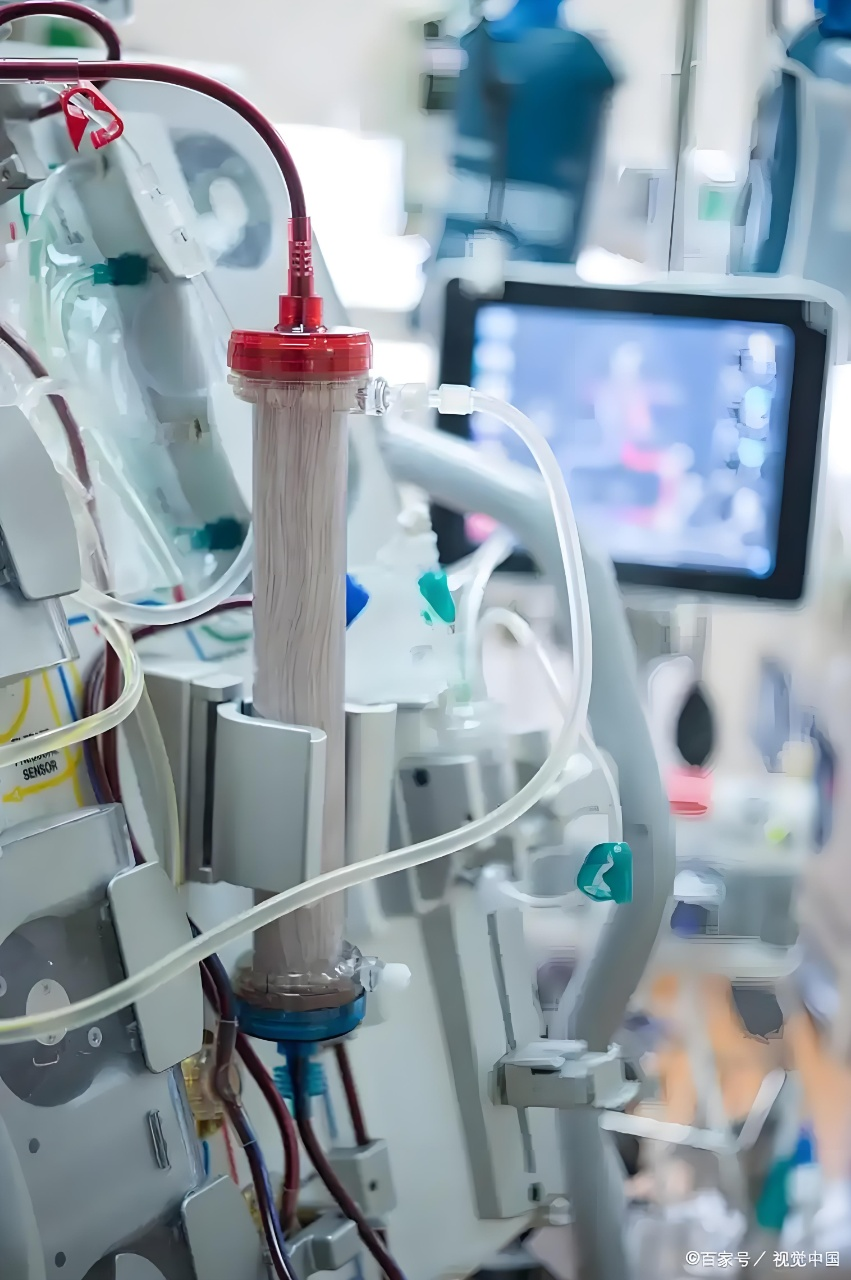
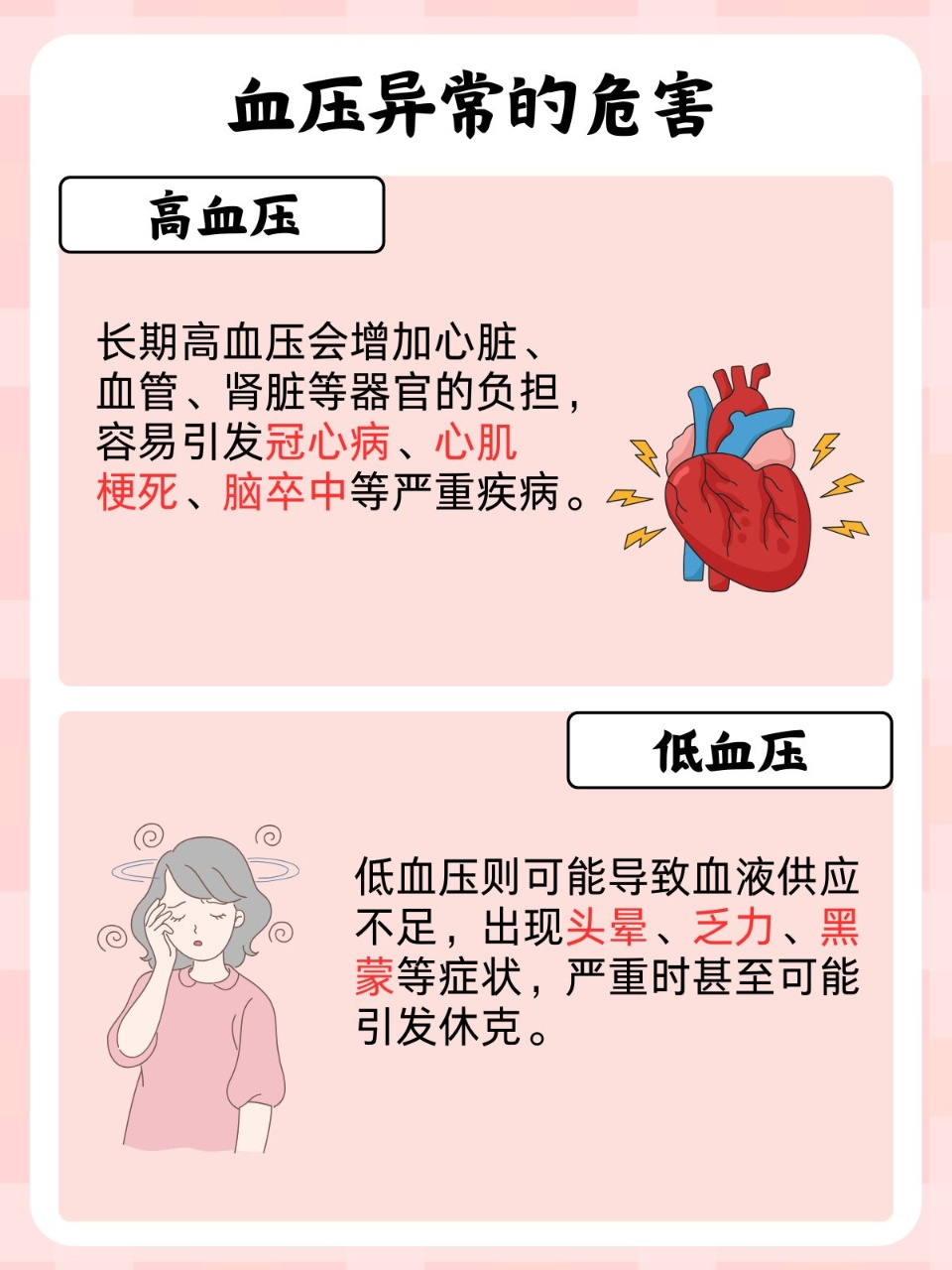
In hot weather, blood vessels dilate to help the body cool down, leading to lower blood pressure. Excessive sweating also reduces blood volume, further destabilizing blood pressure. For dialysis patients, who already struggle with kidney dysfunction and electrolyte imbalances, these fluctuations can increase the risk of cardiovascular events.
Recommendations:
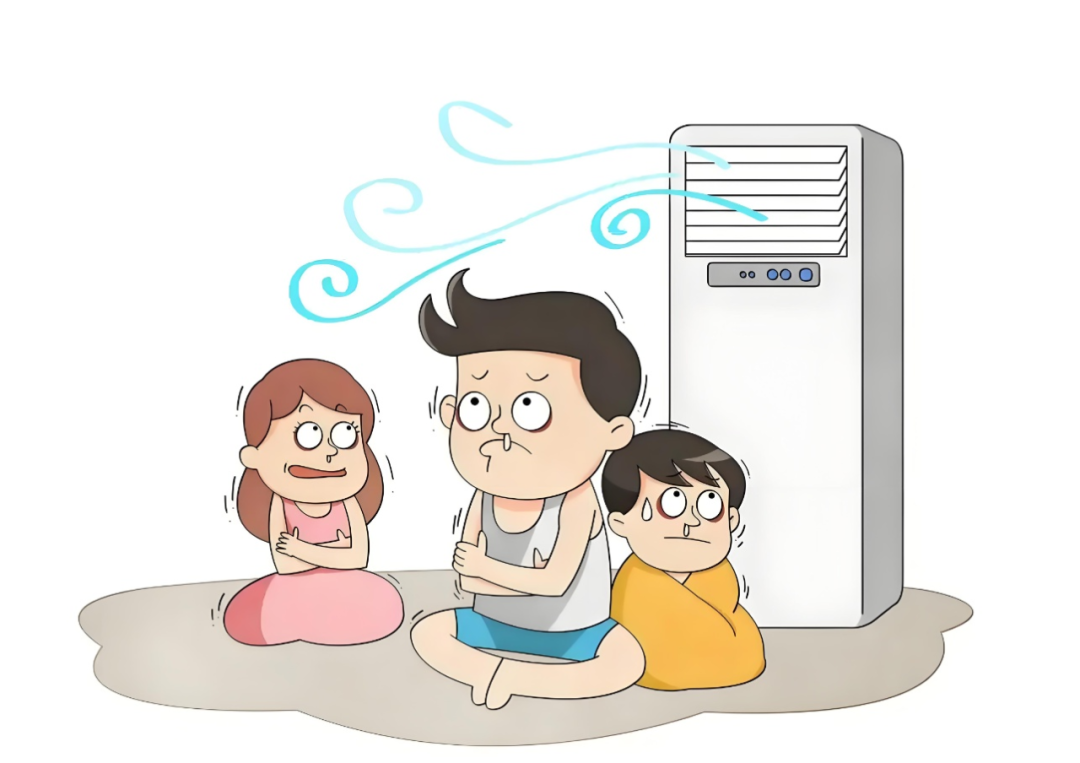
Maintain a comfortable indoor temperature (around 24°C) and avoid frequent transitions between air-conditioned and hot environments.
Stay hydrated, but control fluid intake to avoid straining the heart.
Monitor blood pressure regularly and consult a doctor if abnormalities occur.
Adjust dialysis parameters (e.g., dry weight, ultrafiltration volume) under professional medical guidance.
2. Why Does Blood Sugar Become Harder to Control in Hot Weather?
Summer heat can reduce appetite, leading to irregular eating habits. Additionally, high temperatures accelerate bacterial growth, increasing the risk of food spoilage and gastrointestinal issues, which can disrupt blood sugar levels. Excessive sweating and dehydration may also raise blood sugar.
Recommendations:
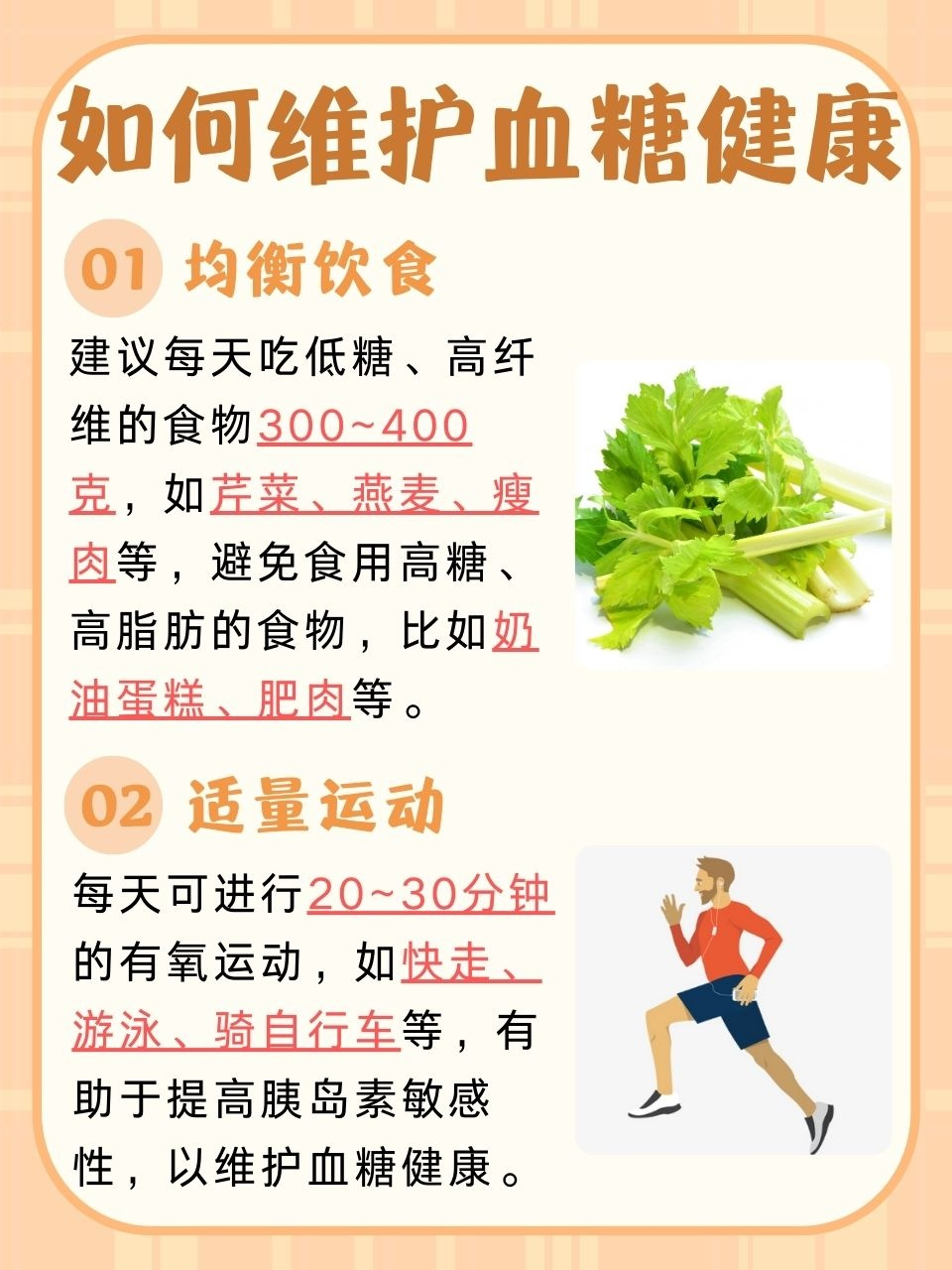
Eat regular meals—avoid overeating or prolonged fasting.
Choose light, easily digestible foods like vegetables, lean meats, and soy products.
Monitor blood sugar frequently, especially for patients on insulin or oral hypoglycemic drugs.
Avoid sugary drinks; opt for water or sugar-free beverages.
Practice foot care—diabetic patients are prone to foot infections in summer, so wash feet daily and change socks often.
3. Summer Lifestyle Tips for Dialysis Patients
Clothing: Wear breathable, sweat-absorbing cotton fabrics to prevent heatstroke.
Outdoor activities: Avoid going out between 11 AM and 3 PM, the hottest part of the day.
Emotional management: Stay calm; anxiety and irritability can affect blood pressure.
Dialysis schedule: Never skip or reduce dialysis sessions due to heat or feeling "fine."
Family support: Caregivers should monitor the patient’s condition and watch for abnormalities.
4. Warning Signs: Seek Immediate Medical Help If You Experience:
Dizziness, fatigue, or palpitations.
Persistently high or suddenly low blood pressure.
Severe blood sugar fluctuations (hypoglycemia or hyperglycemia symptoms).
Digestive issues like nausea, vomiting, or diarrhea.

Conclusion:
Though summer brings intense heat, dialysis patients can stay safe by following scientific precautions, maintaining a balanced diet, and sticking to a regular routine. With the support of healthcare providers and family, every patient can welcome each new day in good health.
For any questions, feel free to contact the Hemodialysis Center Nursing Station at Wuwei Cancer Hospital. We’re here to help!