The Nemesis of Keloids – Radioactive Nuclide Patch Therapy
The Nemesis of Keloids – Radioactive Nuclide Patch Therapy
Have you ever encountered such troubles?
Post-surgical scars becoming hard, red, itchy, and painful?
A cesarean section scar still "bulging" after six months?
Irregular raised scars left behind after burns or trauma?
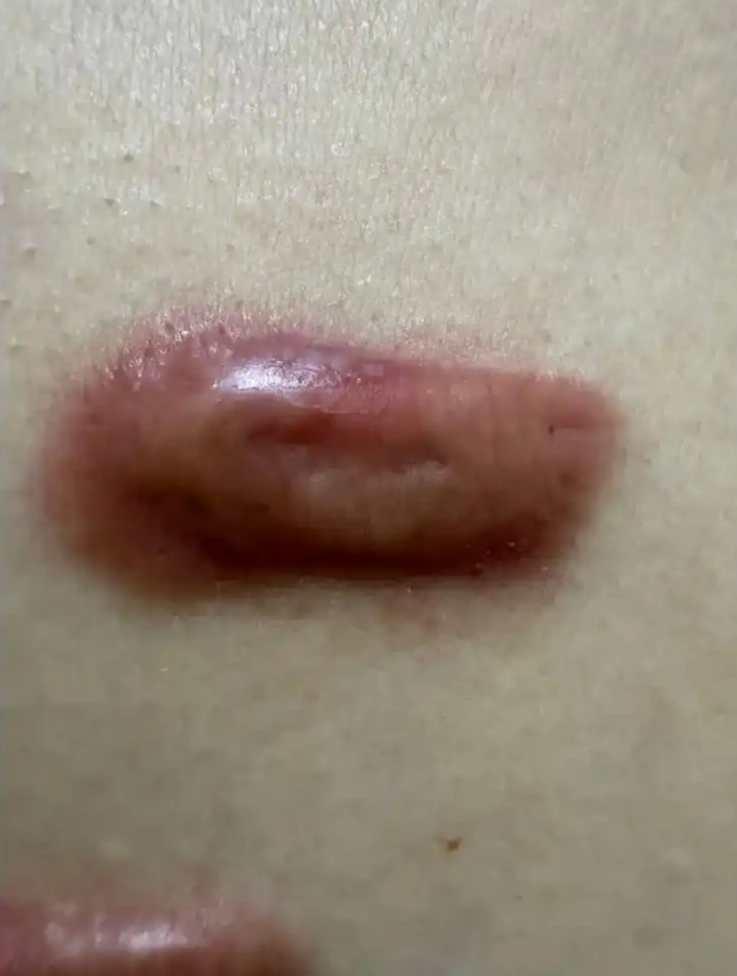
Just when you thought "the wound has healed," a new ordeal begins. These issues, known as "hypertrophic scars" or "keloids," not only affect appearance but can also cause lifelong discomfort.
Keloids are a type of scar tissue formed due to excessive skin tissue proliferation, often triggered by skin damage or irritation.
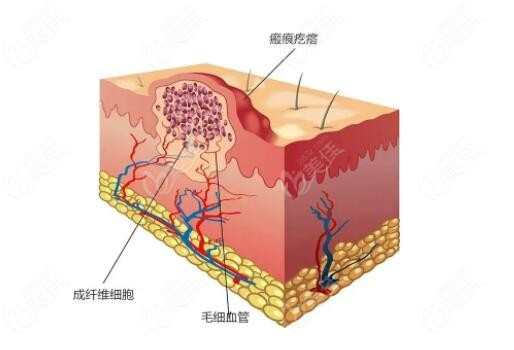

They commonly occur during adolescence, affecting more women than men, with a male-to-female ratio of about 1:1.3. They frequently appear on the chest, caused by trauma, burns, surgery, or infections, impairing both function and aesthetics. To address this problem, nuclear medicine has long had a low-profile yet effective "radiation therapy" method that quietly prevents "scars from growing out of control."
How Does Radioactive Patch Therapy "Soften" Scars?
Radioactive nuclide patch therapy uses beta rays to produce ionizing radiation effects that control abnormal proliferation of scar tissue. Simply put, it involves placing a mildly radioactive "patch" on the scar for a short period, using "micro-radiation" to suppress overactive cells and prevent the scar from further thickening or expanding.
How Does It Work?
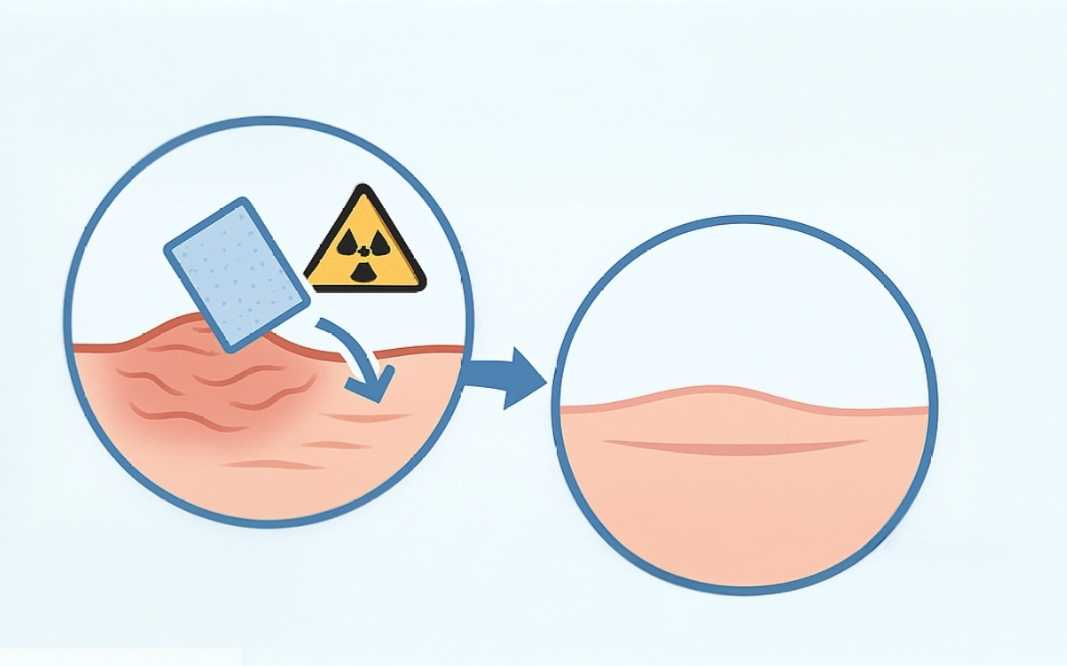
Scar tissue undergoes "excessive repair," with fibroblasts proliferating wildly, causing the skin to become uneven. The beta rays released by the radioactive patch can:
Inhibit excessive cell division in the scar area
Reduce collagen synthesis
Decrease blood vessel formation, limiting nutrient supply
Alleviate inflammation and itching in the scarred area
A simple analogy: This is a "gentle way to stop cells from misbehaving," not a "violent destruction."
What Are the Treatment Indications?
Primarily targeting the following types of scars
Surgical incision scars (e.g., cesarean section, thyroid surgery)
Hypertrophic scars (red, hard, itchy, thick scars)
Keloids (persistently growing, easily recurring scars)
Post-burn scars
Areas prone to hyperplasia after radiation therapy
Method of Radioactive Patch Therapy
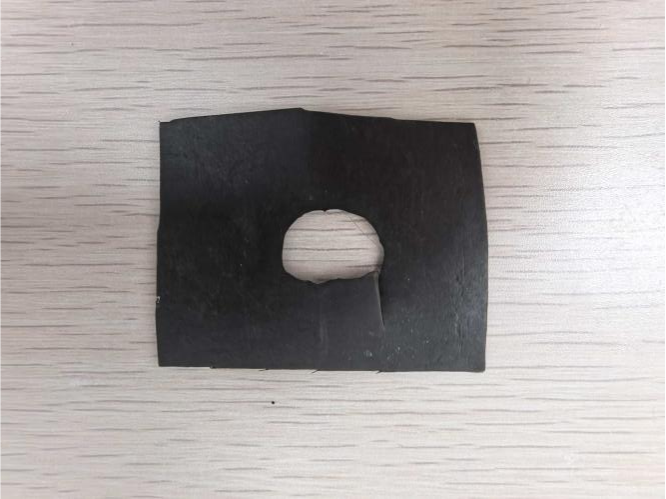
①Pre-treatment preparation: Creating a protective shield. Prepare a lead rubber mat and cut a hole matching the shape and size of the scar. Place the lead rubber mat around the scar to shield healthy skin.
②Placement of the applicator. Place the strontium-90 (Sr-90) nuclide applicator over the scar for irradiation. The applicator adheres closely to the skin surface, targeting the affected area without damaging deeper or adjacent tissues.
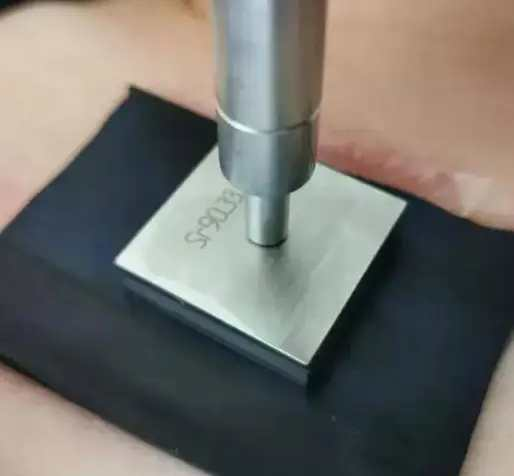
③Absorbed dose and method. The absorbed dose and method are personalized and adjusted as needed. Larger doses are used for larger, thicker, harder, or more painful scars, longer durations, or older patients, while smaller doses are used for the opposite. Facial or other sensitive areas require smaller doses to prevent infection.
④Determining repeat treatment cycles. For keloids, a single course is rarely sufficient. Multiple courses are often needed, with intervals of 1–2 months.
Post-Treatment Precautions
1. During treatment:Eat foods rich in vitamin C, E, and essential amino acids, such as fruits, eggs, lean meat, and animal skin.Avoid spicy or irritating foods like chili, garlic, and coffee, especially if they cause itching or stinging.Minimize friction on the treated area. Keep the skin clean and dry, avoid water contact, and refrain from hot water scrubbing or scratching to prevent damage and infection.Avoid cosmetics and soap, as they may contain heavy metals (e.g., lead, mercury, silver) or photosensitive substances that can increase skin pigmentation.

2. Treatment effects:
Visible changes in skin color typically appear after 1 week.
Around 3 weeks, skin peeling or scabbing may occur. Let scabs fall off naturally—do not remove them prematurely
Limit shower time to avoid irritation or premature scab detachment.
For itching, apply cold compresses, moisturizers, or menthol ointments. Avoid steroid-based anti-itch creams (e.g., fluocinonide, triamcinolone, dexamethasone) to prevent pigmentation.
3. Possible side effects:
A few patients may develop local dermatitis (e.g., blisters, redness). Monitor closely if there’s no infection.
For redness or swelling, apply antibacterial ointments like Bactroban, chlortetracycline, or erythromycin.
For skin ulceration, use silver sulfadiazine cream for anti-inflammatory and astringent effects.
Follow-up visits are usually scheduled 1.5 to 2 months post-treatment. If scabs remain, wait until they fully detach before revisiting.