Head and Neck Radiation Therapy: Key Facts & Tips for Better Outcomes
Head and Neck Radiation Therapy: Key Facts & Tips for Better Outcomes
Radiation therapy for the head and neck region cannot be effectively administered without scientific and meticulous nursing care. Proper nursing not only alleviates the discomfort caused by radiation but also aids the body in recovering more efficiently, potentially even influencing treatment outcomes. Today, let's explore the essential knowledge about nursing care for head and neck radiation therapy—valuable information worth saving for both patients and their families!

1. During Radiation Therapy, Skin Care is the "First Line of Defense"
The skin in the head and neck region is particularly sensitive to radiation therapy and prone to various reactions. Proper protection can significantly reduce discomfort.
(1) Maintain cleanliness and dryness: Gently wipe the irradiated skin with lukewarm water, avoiding irritating products such as soap or body wash. When drying, lightly press a soft towel to absorb moisture instead of rubbing.
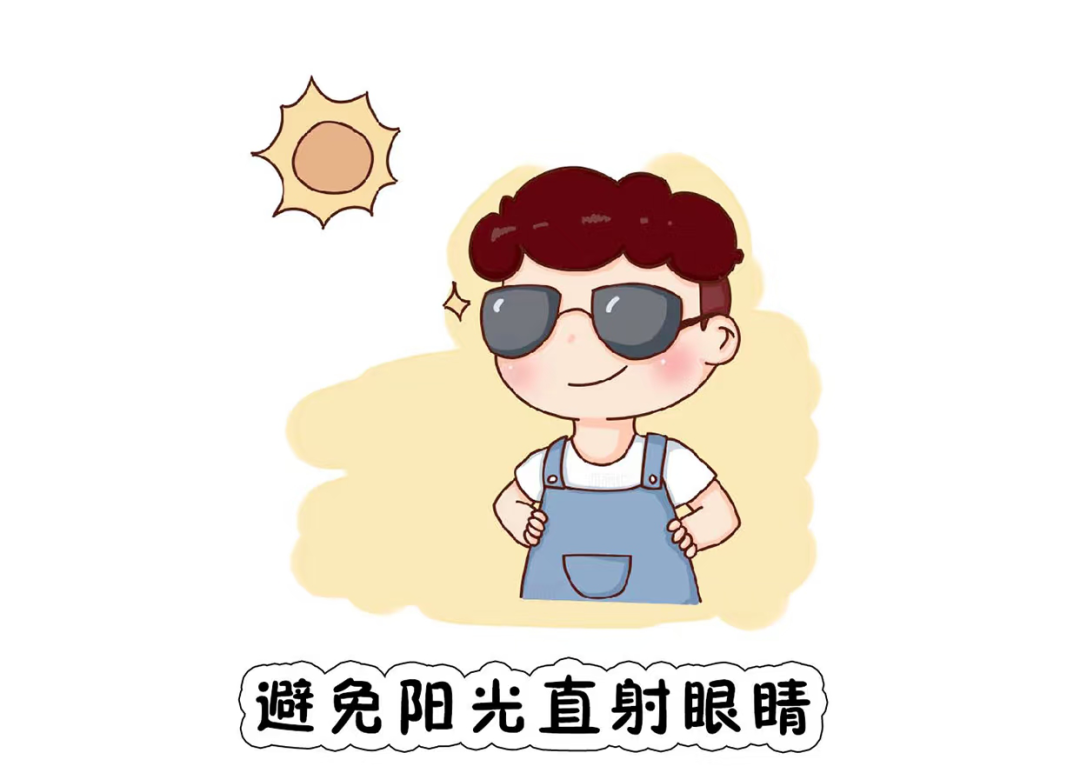
(2) Avoid external irritants: Protect the treated area from direct sunlight and exposure to extreme temperatures (e.g., hot water bottles or ice packs). Wear loose, soft cotton clothing to minimize friction.
(3) Use skincare products cautiously: Do not apply ointments, skincare products, or makeup without medical advice. If the skin becomes dry or itchy, use medically approved skin protectants under a doctor’s guidance. If peeling or skin breakdown occurs, promptly inform healthcare staff for proper treatment.


2. Oral Care: From "Prevention" to "Protection" to Minimize Mucosal Damage
Radiation therapy can affect the oral and pharyngeal mucosa, leading to redness, swelling, ulcers, and pain. Proper oral care helps alleviate discomfort:
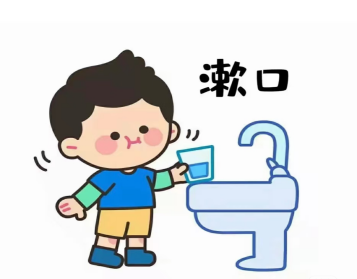
(1) Rinse frequently to maintain cleanliness: Gargle with warm salt water or a doctor-recommended mouthwash (after meals and before bedtime, at least once each) for over 30 seconds each time to reduce bacterial growth in the mouth.
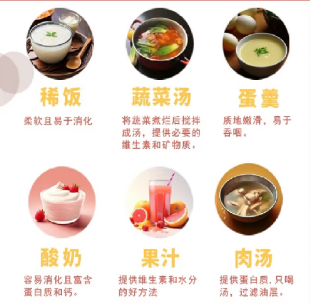
(2) Choose mild foods: Avoid spicy, very hot, hard, or acidic foods (such as citrus fruits and chili peppers) to prevent mucosal irritation. Opt for warm, soft, and easy-to-swallow foods like porridge, steamed eggs, and tofu.
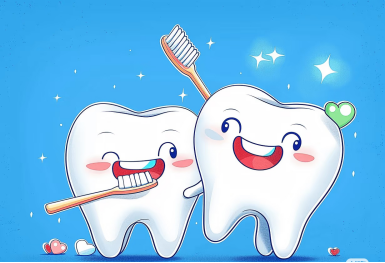
(3) Protect your teeth: If dental issues like cavities were treated before radiation therapy, maintain careful brushing during treatment—use a soft-bristled toothbrush to gently clean and avoid gum damage. If tooth sensitivity occurs, consult a doctor about using desensitizing toothpaste.
3. Managing "Dry Mouth": Don't Wait Until You're Thirsty to Drink Water
Radiation therapy may damage the salivary glands, reducing saliva production and leading to dry mouth, difficulty swallowing, and even loss of appetite:
(1) Drink small amounts frequently: Carry a water bottle and take small sips regularly to keep your mouth moist. You can also suck on sugar-free lozenges to stimulate saliva production.
(2) Adjust food texture: Dry, hard foods (such as crackers or rice) can be hard to swallow and may cause choking when your mouth is dry. Opt for softened or pureed foods to make swallowing easier.
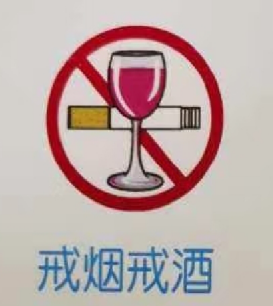
(3) Avoid habits that worsen dry mouth: Quit smoking and alcohol, and limit stimulating beverages like coffee and strong tea, as they can aggravate dryness.

4. Nutritional Support: "Eating Well" to Build Strength Against Cancer
Radiation therapy increases the body's energy demands, and malnutrition can hinder recovery or even force treatment interruptions:
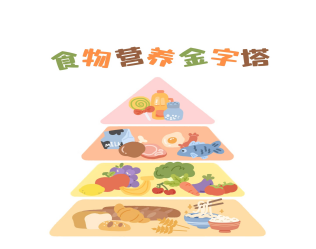
(1) Prioritize protein and vitamins: Consume high-quality protein sources like eggs, milk, lean meat, fish, and shrimp, along with softened fresh vegetables (e.g., steamed) and fruit purees (such as banana or apple sauce) to support tissue repair.
(2) Eat small, frequent meals with flexibility: If oral pain affects eating, divide daily intake into 5-6 small meals, consuming more during less painful periods. Nutritional supplements may be used under medical guidance if needed.
(3) Create a relaxed dining environment: Maintain a quiet atmosphere during meals to reduce stress. Family members can prepare favorite mild-flavored foods to stimulate appetite.

5. Psychological Care: A Positive Mindset as the "Invisible Medicine"
Physical discomfort during radiation therapy may trigger anxiety and irritability, making psychological adjustment equally vital:
(1) Maintain open communication with healthcare teams: Stay informed about treatment progress and potential side effects to mentally prepare yourself. Promptly address any concerns to alleviate fear stemming from the unknown.
(2) Family involvement through companionship and active listening: Family members can engage patients through casual conversations, watching lighthearted videos, or sharing simple activities like walks to foster a sense of support.
(3) Develop self-regulation techniques: Patients may practice relaxation methods such as deep breathing or music therapy. Avoid excessive self-pressure by accepting temporary physical discomfort as an inevitable "short-term challenge" in the treatment journey.

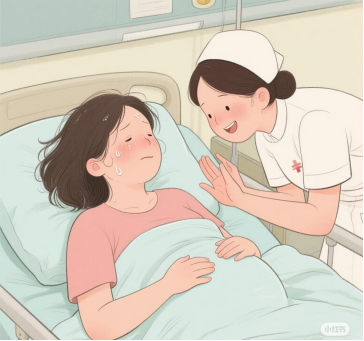
6. Post-Radiation Care: The Journey Doesn't End Here
放疗结束后,身体需要时间恢复,护理仍要持续一段时间:
The body needs time to recover after radiation therapy, and nursing care should continue for a period:
(1) Continue skin and oral care for 1-2 weeks: Radiation's aftereffects may persist, so don't abruptly discontinue your previous care regimen.
(2) Gradually resume normal diet: As discomfort subsides, slowly reintroduce varied and firmer foods while still avoiding irritants.
(3) Schedule regular follow-ups and report promptly: Adhere to your doctor's recommended checkup schedule. Seek medical attention immediately if you experience persistent dry mouth, swallowing difficulties, or other abnormalities.


The seemingly meticulous care for head and neck radiation therapy is, in fact, crucial—every detail directly impacts treatment success and recovery. Scientific nursing plus a positive mindset forms the "powerful duo" against cancer. If you know someone undergoing this treatment, please share this knowledge with them. Let them know: they are not fighting alone.
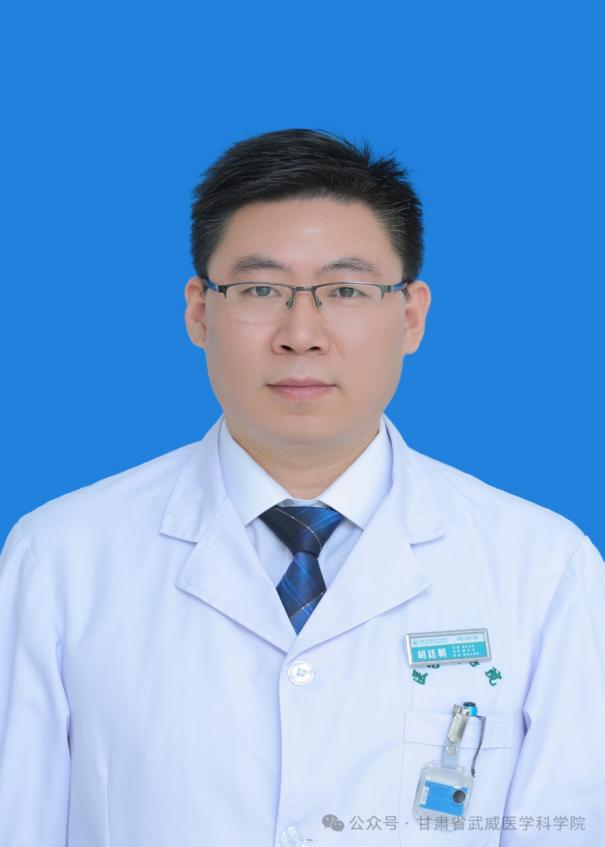
Hu Tingchao, Associate Chief Physician in Radiation Oncology
● Director of Department of Radiation Oncology V (Head and Neck Tumor Radiotherapy), Gansu Wuwei Cancer Hospita
● Member of Chinese Anti-Cancer Association
● Committee Member of Gansu Provincial Radiation Therapy Committee
● Council Member of the 3rd Board of Directors, Western Radiation Oncology Association
● Committee Member of Particle Therapy Branch, China Medical Equipment Association
Education: Graduated from the Clinical Medicine Department of Lanzhou University in 2005, with 18 years of experience in tumor radiotherapy. Completed advanced training in tumor radiotherapy at Sichuan Cancer Hospital, Fukuoka Tokushukai Hospital (Japan), Shanghai Proton and Heavy Ion Center, and Sun Yat-sen University Cancer Center.
Clinical Expertise: Specializes in comprehensive treatment (chemoradiotherapy, targeted therapy, etc.) for common malignant tumors including head and neck cancers, glioblastoma, lymphoma, and chordoma. Expert in precision radiotherapy techniques: 3D-CRT, IMRT, VMAT, SBRT, IGRT, and carbon ion radiotherapy (CIRT). Extensive experience in treatment planning, organ-at-risk sparing, and management of radiation toxicities.
Research & Publications: Authored over 10 professional papers, Chief editor of 1 monograph, Holder of 1 utility model patent, Led 2 municipal-level research projects in Wuwei, Contributed to standard operating procedures for carbon ion radiotherapy, Recipient of multiple "Outstanding Staff" awards. Department Profile: The Department of Radiation Oncology V (Head and Neck Tumor Radiotherapy) integrates clinical care, research, and education. Primary treatment areas: Meningioma, pituitary adenoma, acoustic neuroma, glioblastoma, intracranial tumors, Nasopharyngeal carcinoma, oral cancer, ocular tumors, laryngeal cancer, Hard palate cancer, hypopharyngeal cancer, chordoma, Lymphoma at various body sites.
Carbon Ion Therapy Advantageous Indications: Malignant melanoma of head and neck, Sarcoma of head and neck, Adenoid cystic carcinoma, Recurrent head and neck cancers, Skull base chordoma, Chondrosarcoma, Glioblastoma.