[Health Tips] Guard Against Summer Acute Gastroenteritis – Key Prevention Tips
[Health Science] Beware of Stomach "Going on Strike"—High Risk of Acute Gastroenteritis in Summer, Here’s How to Prevent It
As temperatures continue to rise,
air conditioners, watermelons, and cold drinks have become everyone's "must-haves" to beat the unbearable summer heat.
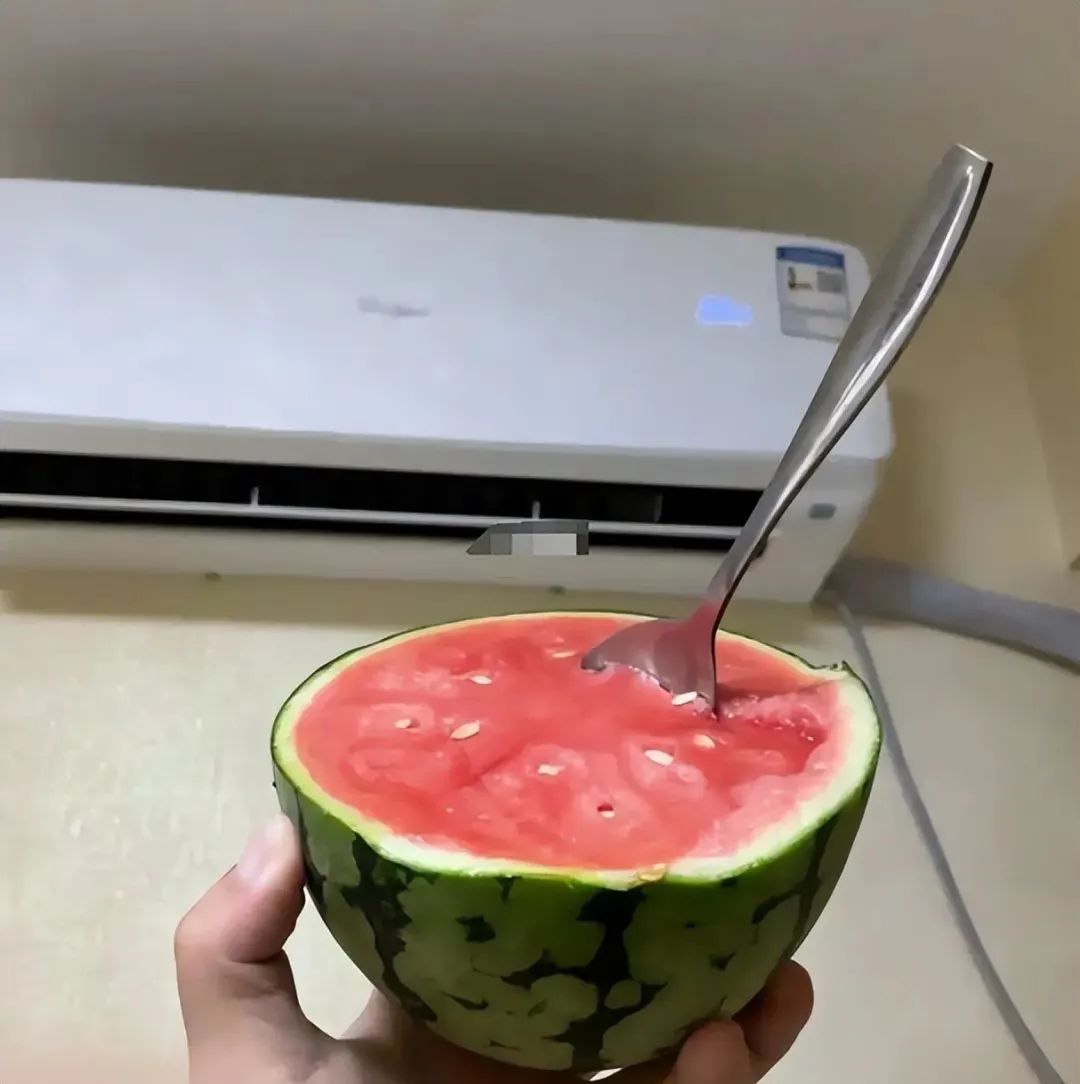
But beneath this comfort lurks the hidden risk of acute gastroenteritis.
Mild cases may bring recurrent diarrhea and frequent bathroom trips,
while severe cases could lead to fever, vomiting,
and even electrolyte imbalances.
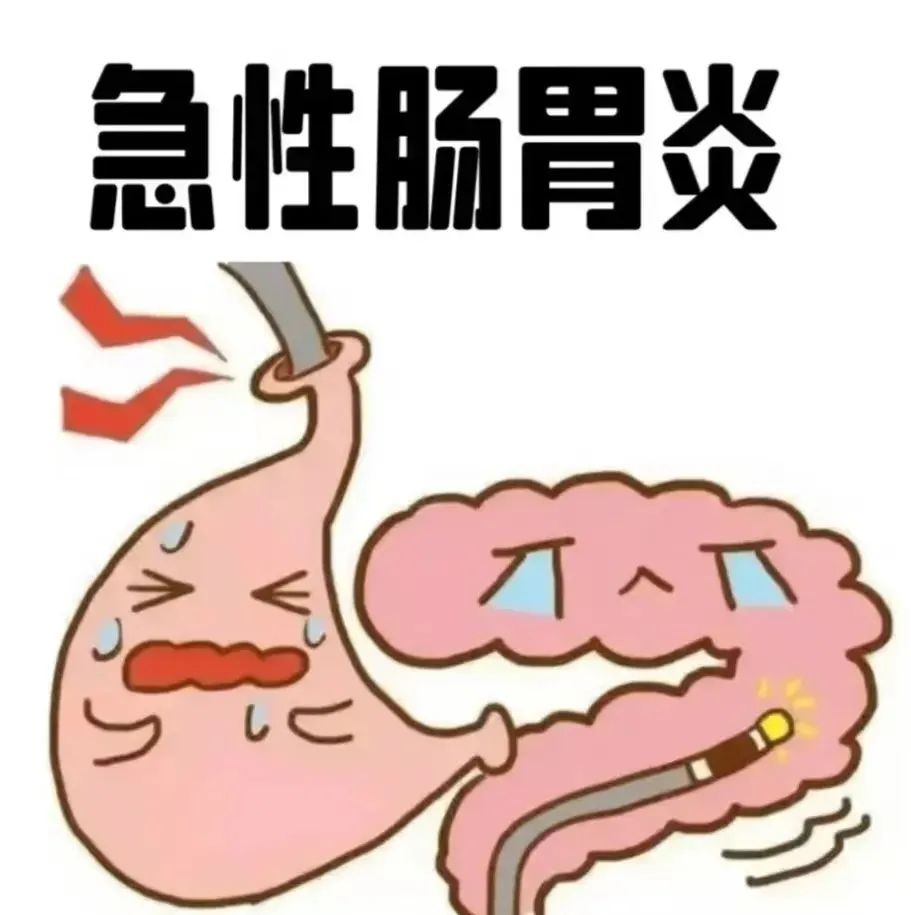
Acute gastroenteritis shows no mercy
especially to those who binge-eat without restraint.
The hot, humid weather becomes a breeding ground for bacteria,
while food spoils faster than usual.
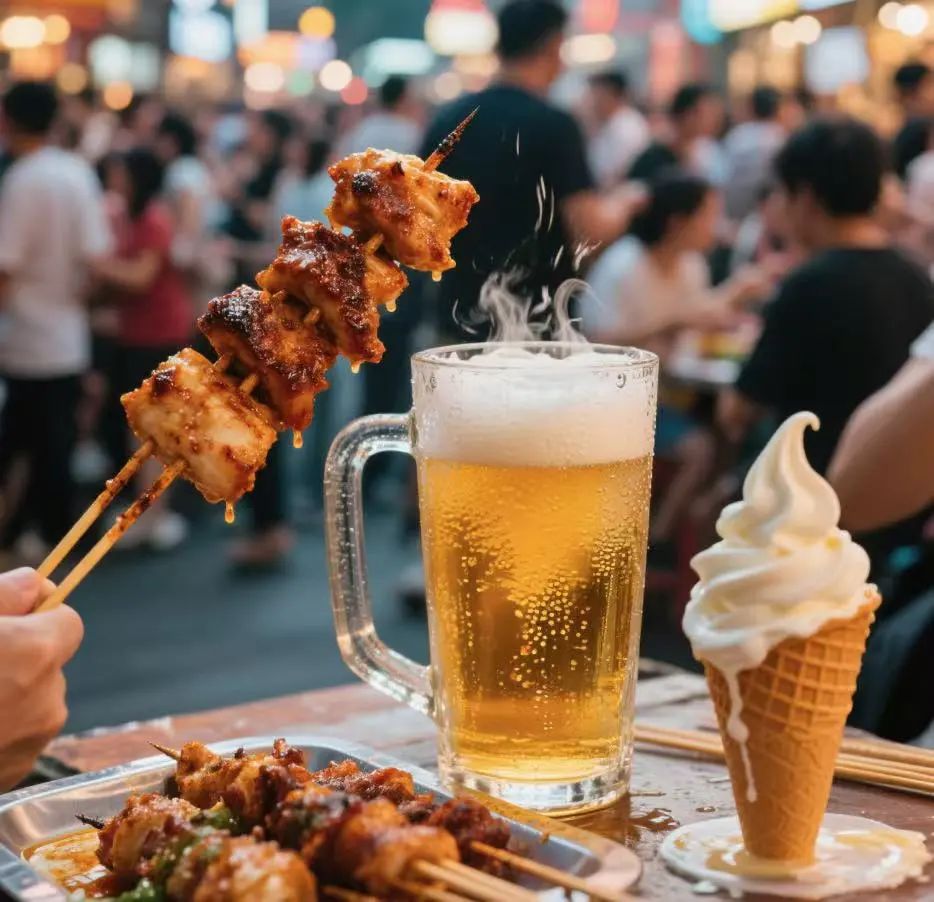
That spicy barbecue you devoured with gusto?
Or the half-melon you enjoyed to cool off?
Both could turn into a petri dish for food poisoning.
Why is acute gastroenteritis more common in summer?
The main culprit is eating contaminated food. On one hand, summer's heat and humidity cause food to spoil rapidly, breeding various pathogenic bacteria that produce toxins. Take leftovers for example—they can turn bad within hours, harboring plenty of "nasty stuff" inside. On the other hand, summer weakens our digestive defenses. The scorching heat makes us sweat profusely, leading to fatigue, poor sleep, and reduced appetite. This causes stomach acid secretion to decline. Since stomach acid serves as our gut's "guardian angel" that kills ingested bacteria, lower acid levels allow pathogens from spoiled food to bypass this defense, invade the intestines, and wreak havoc—resulting in gastroenteritis. This foodborne illness caused by contaminated food is specifically called foodborne gastroenteritis.
If these symptoms occur, beware of foodborne acute gastroenteritis
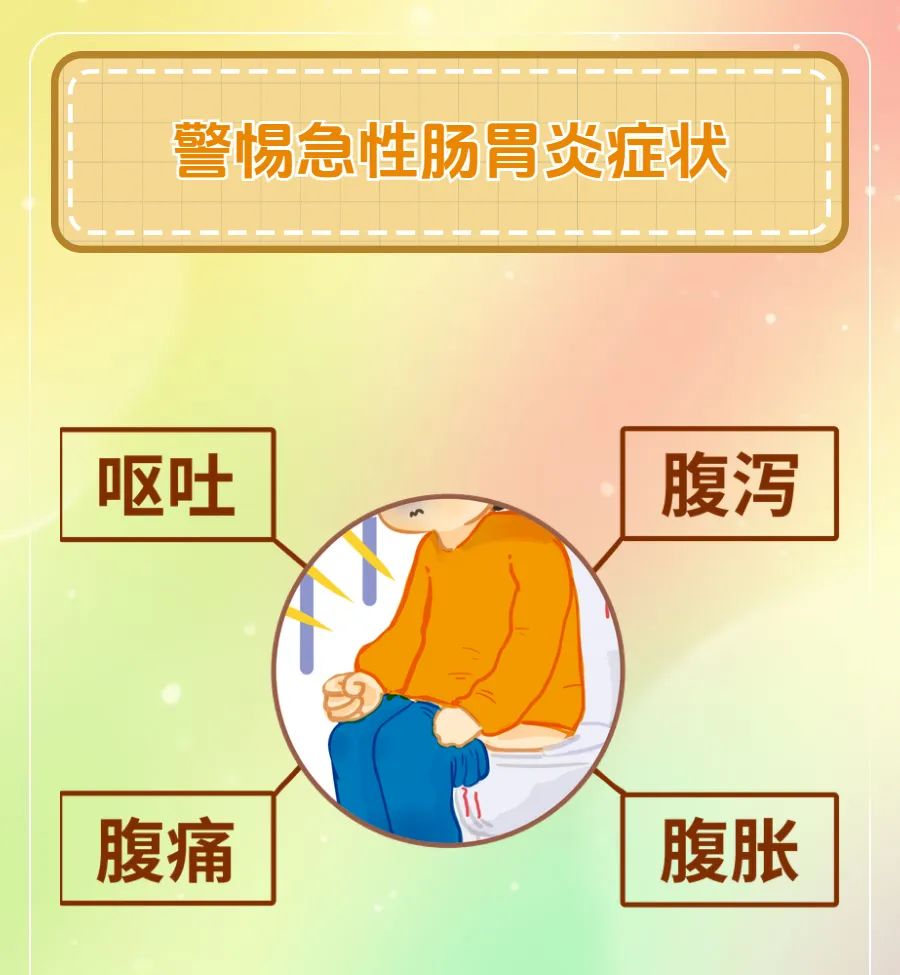
If you suddenly experience stomach discomfort, vomiting, diarrhea, abdominal pain, or even fever, and any of the following situations apply, consider the possibility of foodborne acute gastroenteritis:
(1) You may have consumed food that looked unclean or suspicious;
(2) Symptoms developed shortly after eating, sometimes within just one or two hours;
(3) Among those who ate the contaminated food, usually one person falls ill first, followed by multiple others, while those who didn't eat it remain unaffected;
(4) While symptoms can range from mild to severe, they often share similar patterns - watery diarrhea is typically caused by food poisoning, whereas bloody or pus-filled stools usually indicate bacterial infection.
What should you do if you develop foodborne gastroenteritis in summer?
Highly suspecting foodborne acute gastroenteritis, remember these four key points:
(1) Immediately stop consuming the suspected food and seal a small sample for laboratory testing at a hospital or CDC;
(2) Drink warm water with moderate salt, consume freshly cooked rice porridge and vegetable soup, avoid cold foods, high-protein and high-fat foods, as well as fried and grilled items;
(3) Do not induce vomiting by pressing the tongue at home to prevent gastric mucosa damage, and avoid self-administering anti-diarrheal drugs which may increase toxin absorption;
(4) If symptoms worsen, seek immediate medical attention nearby for fluid replacement, anti-inflammatory treatment and symptomatic therapy.
How should household food hygiene be maintained during summer?
(1) Maintain cleanliness and hygiene: Wash hands before meals and after using the toilet; wash hands before handling food and frequently during food preparation. Thoroughly rinse and soak fruits and vegetables with clean tap water before consumption. All tableware, dishcloths, and cleaning towels should be washed, disinfected, and dried before and after use. Keep the kitchen well-ventilated and hygienic, with measures in place to prevent flies, cockroaches, and mosquitoes from entering the kitchen or coming into contact with food.
(2) Separate raw and cooked foods: Store raw and cooked foods separately; use separate cutting boards, knives, bowls, chopsticks, and dishcloths for raw and cooked foods to prevent cross-contamination of pathogens and mold from raw foods to cooked ones.
(3) Cook food thoroughly: Ensure all food is fully cooked, especially meat, poultry, eggs, and seafood. Ideally, prepare and consume food immediately; avoid raw foods when possible, and prepare cold dishes fresh for immediate consumption without leftovers. Leftovers stored at room temperature for over four hours or refrigerated cooked foods should be reheated thoroughly before eating, reaching at least 70°C (preferably 100°C).
(4) Store food in the refrigerator: Refrigerate or freeze meat and eggs promptly after purchase. Store leftover cooked food in the refrigerator if not consumed immediately, with a maximum of two hours at room temperature. Thaw frozen foods in the refrigerator rather than at room temperature.
(5) Ensure food freshness and cleanliness: Choose fresh food and clean drinking water; consume purchased vegetables on the same day. Opt for food products from certified manufacturers, avoid expired or unlabeled foods, and discard any food with unusual odors or signs of spoilage. Limit consumption of homemade wines and minimally processed beverages, and avoid eating at street vendors or restaurants with poor hygiene conditions.
Department Introduction
The Digestive Endoscopy Center at Wuwei Cancer Hospital's Lanzhou Heavy Ion Center is equipped with Olympus CV-290 gastroscopes and colonoscopes. It houses China's first domestically developed Toumai four-arm surgical robot, Gansu Province's first ultra-iterative PET-CT scanner, a dynamic 500-slice gemstone spectral CT, and over 300 other advanced medical devices. The center also features more than 10 types of laparoscopic systems, including STORZ·HD full-HD laparoscopes and high-definition 3D fluorescence laparoscopes.
Endoscopy Builds Glory, Honors Demonstrate Strength
● Key discipline in Gansu Province
● First prize in the National Upper Gastrointestinal Cancer Early Detection and Treatment Program's endoscopy case competition
● Provincial-leading equipment and diagnostic/treatment capabilities, with a senior professional team led by Chief Physician Zhang Zhiyi (discipline leader in Gansu's healthcare system, founder of Wuwei Cancer Hospital's Department of Gastroenterology, and director of its Endoscopy Center), Academician Wu Zhengqi (first-tier chief physician and discipline leader), and Chief Physician Lu Linzhi (chair of Wuwei Gastroenterology Professional Committee)
● Designated as the National Early Detection and Treatment Base for Gastric Cancer by the Ministry of Health, National Training Base for Digestive Endoscopy Techniques, Gansu Key Laboratory of Gastrointestinal Diseases, Wuwei Sub-center of Shanghai Molecular Medicine Center for Helicobacter pylori, and Wuwei Sub-library of Xijing Biobank
● Currently pursuing national key discipline status and establishing a Western China demonstration base
Smart Mirror Minimally Invasive Surgery, Leading the Future
● Esophageal and gastric variceal sclerotherapy and band ligation
● Dilation and stent placement for malignant gastrointestinal obstruction (including radioactive seed stent placement)
● Endoscopic electrocoagulation and polypectomy for gastrointestinal polyps
● Endoscopic mucosal resection (EMR) for early esophageal, gastric, and colorectal cancers and precancerous lesions
● Endoscopic submucosal dissection (ESD) for early esophageal, gastric, and colorectal cancers and precancerous lesions
● Endoscopic submucosal tunneling dissection (STER)
● Peroral endoscopic myotomy (POEM)
● Argon plasma coagulation for gastrointestinal polyps and bleeding
● Endoscopic hemostasis and foreign body removal
● Clinical applications of endoscopic ultrasonography
● Magnifying endoscopy with narrow-band imaging (NBI)
● Clinical applications of capsule endoscopy
● ERCP, EST, and related techniques for diagnosis and treatment of biliary and pancreatic diseases
● Helicobacter pylori infection testing
● Endoscopic ultrasound-guided fine-needle aspiration (EUS-FNA), endoscopic ultrasound-guided biliary drainage (EUSBD), endoscopic ultrasound-guided pseudocyst drainage, and transcecal appendectomy
● Thoracoscopic and laparoscopic-assisted three-incision esophagectomy
● 3D laparoscopic-assisted radical gastrectomy
● Dual-modality laparoscopic and endoscopic resection of gastrointestinal stromal tumors
● Totally laparoscopic radical resection of colorectal cancer
● Hyperthermic intraperitoneal chemotherapy
Location: Digestive Endoscopy Center, 4th Floor, Inpatient Building, Lanzhou Heavy Ion Center