Dietary Keys for Head and Neck Cancer Patients During Radiotherapy
Dietary Keys for Head and Neck Cancer Patients During Radiotherapy
Radiation and chemotherapy for head and neck cancer patients can cause oral mucositis and ulcers, leading to pain. "Pain" is one of the most common symptoms during treatment. Severe pain can affect the patient's ability to eat, resulting in malnutrition, reducing treatment compliance, and ultimately impacting disease management.

How to Eat During Radiotherapy?
- Diversify the diet: Do not skip staple foods, and moderately increase intake of protein- and vitamin-rich foods such as eggs, yogurt, and lean meat.
- Eat small, frequent meals: Avoid an empty stomach. Eat a small snack, such as bread, cake, yogurt, or fruit, one hour before treatment.
- Moisture-promoting foods: When experiencing dry mouth, drink more water and consume moderate amounts of hydrating beverages like pear or orange juice.
- Nutritional supplements: For patients unable to meet nutritional needs through regular meals, supplements such as medical-purpose formula foods, vitamins, and trace element preparations can be used.
- Liquid or soft diet: If swallowing is difficult, opt for liquid or semi-liquid foods like milk, yogurt, noodles, steamed egg custard, meat porridge, rice paste, fruit juice, or vegetable puree.
Food Choices
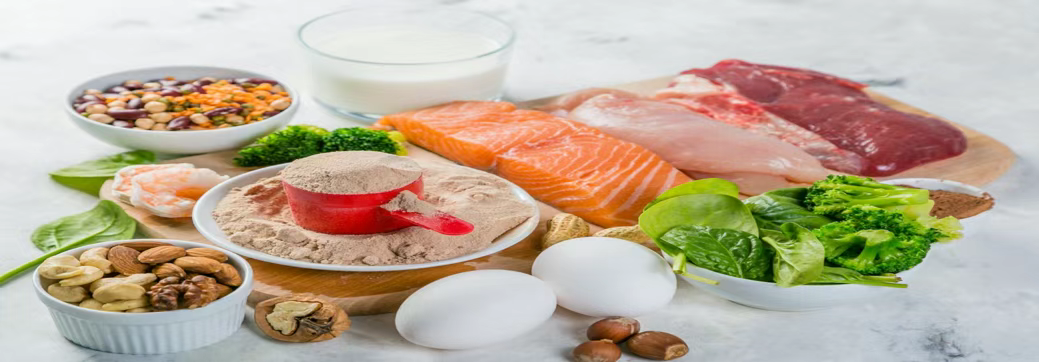
1. Recommended foods: White rice porridge, soft rice, wontons, eggs (steamed or boiled); meat such as steamed minced meat or braised meat; fish and poultry should be well-cooked; beverages like milk, malted milk, soy milk, and various soy products; fiber-rich vegetables like potatoes and cauliflower, and cooked fruits.
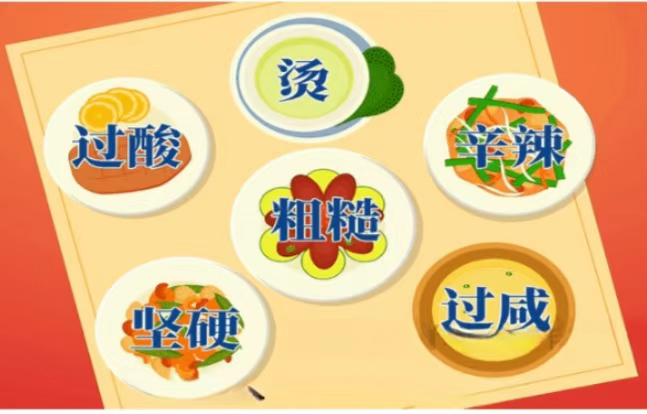
2. Foods to avoid: Hard rice, coarse grains, tough meats (e.g., small bony fish, poultry), nuts, fried foods, large chunks of vegetables, and raw hard fruits.
3. Avoid irritating foods (extremely hot or cold, alcohol, spicy, pickled, smoked, fried, etc.).
Dietary Strategies for Managing Side Effects During Radiotherapy
- Loss of appetite
Eat small, frequent meals; choose snacks like bread, lotus root starch, yogurt, fruit, or juice.Opt for colorful foods.Vary cooking methods.Maintain moderate exercise (e.g., walking) and a positive mood.

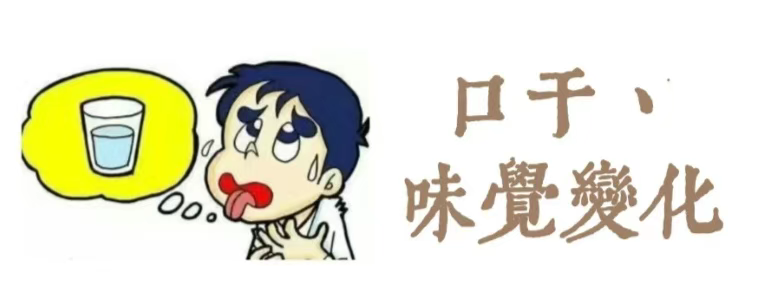
2. Dry mouth and taste changes
Common in head and neck radiotherapy patients. Drink more water and consume hydrating foods like pears, sugarcane, olives, or sour plums.These patients are often more sensitive to bitterness. Enhance flavors with lemon and sugar to increase sweet and sour tastes.
3. Oral ulcers, throat pain, esophageal pain, and difficulty swallowing
Eat low-residue liquid foods (milk, fruit/vegetable juice, fish/meat broth, enteral nutrition formulas) or semi-liquid foods (porridge, rice paste, soft noodles, steamed egg custard, small wontons, lotus root starch).
Chew slowly; use tools like straws if necessary.
Avoid irritating foods (caffeine, alcohol, etc.).
Esophageal cancer patients should avoid extremely cold foods to prevent esophageal spasms.
Maintain oral hygiene with regular brushing and rinsing.

4.Nausea and vomiting
Avoid greasy, spicy, overly sweet, or strongly flavored foods.
Do not rush to consume excessive tonics.
Avoid mixing hot and cold foods, as this can trigger vomiting.
Eat small, frequent meals; resume eating slowly after vomiting subsides.
Limit fluid intake before and after meals.
Separate liquids and solids, and avoid lying down immediately after eating.
For nausea, suck on hard candy, mint, lemon tea, or eat sour fruits.
If vomiting is severe and prevents eating, consult a doctor for intravenous hydration.
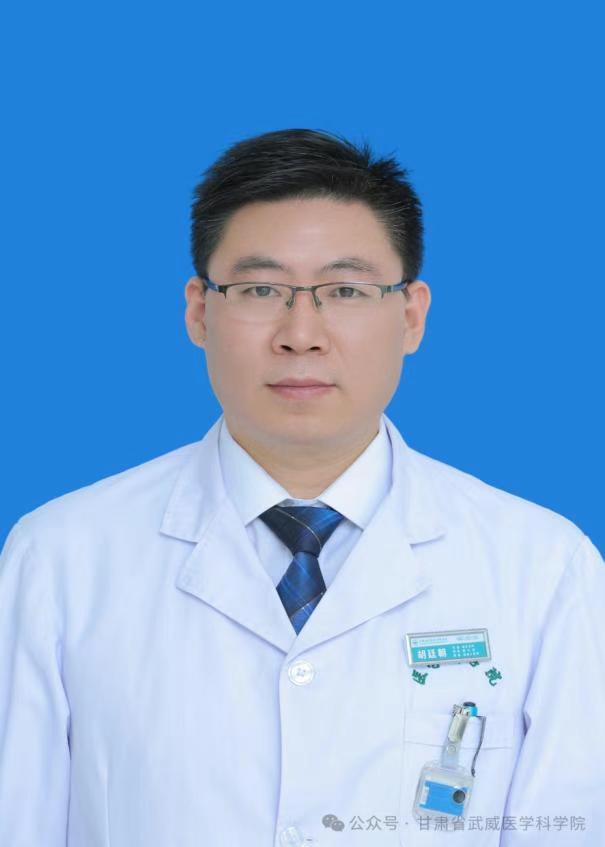
Hu Tingchao
- Deputy Chief Physician of Radiation Oncology
- Director of Radiotherapy Department V (Head and Neck Cancer Radiotherapy), Gansu Wuwei Cancer Hospital
- Member of the Chinese Anti-Cancer Association
- Member of the Gansu Radiation Therapy Committee
- Council Member of the Western Radiation Therapy Association (3rd Session)
- Member of the Particle Therapy Branch, China Association of Medical Equipment
Education and Experience: Graduated from the Clinical Medicine Department of Lanzhou University in 2005. With 18 years of experience in radiation oncology, he has pursued advanced training in cancer radiotherapy at Sichuan Cancer Hospital, Japan Fukuoka Tokushukai Medical Center, Shanghai Proton and Heavy Ion Center, and Sun Yat-sen University Cancer Center.
Expertise:
- Specializes in comprehensive treatment (radiotherapy, chemotherapy, targeted therapy) for head and neck tumors, brain gliomas, lymphomas, chordomas, and other common malignancies.
- Precision cancer therapy: 3D conformal radiotherapy (3D-CRT), intensity-modulated radiotherapy (IMRT), volumetric modulated arc therapy (VMAT), stereotactic body radiotherapy (SBRT), image-guided radiotherapy (IGRT), and carbon ion radiotherapy (CIRT). Extensive experience in radiotherapy planning, organ function preservation, and managing side effects.
Research and Publications: Published over ten academic papers, authored one book, holds one utility model patent, completed two municipal-level research projects in Wuwei, and contributed to the carbon ion radiotherapy standard process. Repeatedly awarded the title of "Advanced Worker" by the hospital.
Radiotherapy Department V (Head and Neck Cancer Radiotherapy): A specialized clinical, research, and teaching ward. Primary treated conditions include meningiomas, pituitary adenomas, acoustic neuromas, brain gliomas, intracranial tumors, nasopharyngeal carcinoma, oral cancer, eye tumors, laryngeal cancer, hard palate cancer, hypopharyngeal cancer, chordomas, and lymphomas in various body parts.
Heavy Ion Therapy Advantages: Head and neck malignant melanoma, head and neck sarcomas, adenoid cystic carcinoma, recurrent head and neck cancers, skull base chordomas, chondrosarcomas, and brain gliomas.