Demystifying Tumors: Science-Based Insights & Smart Prevention Strategies
Unveiling the "Mystery" of Tumors: A Complete Guide to Scientific Understanding and Rational Prevention
As one of the "killers" of women's health, cervical cancer has long been a major concern. Not only does it have a high incidence rate, but it also shows a trend of affecting younger women, posing a serious threat to women's lives and quality of life. Today, let's take an in-depth look at cervical cancer and master the key knowledge about its prevention and treatment.
1. What Exactly Is Cervical Cancer?
Cervical cancer is a malignant tumor that occurs in the cervix, one of the most common types of cancer in gynecology. The cervix serves as the "gateway" to the uterus, connecting the vagina and the uterine cavity, where cancer cells can develop stealthily. The transformation from normal cervical cells to cancerous cells typically follows a prolonged process, ranging from several years to over a decade. During this period, timely detection and intervention can effectively prevent the progression to cancer.
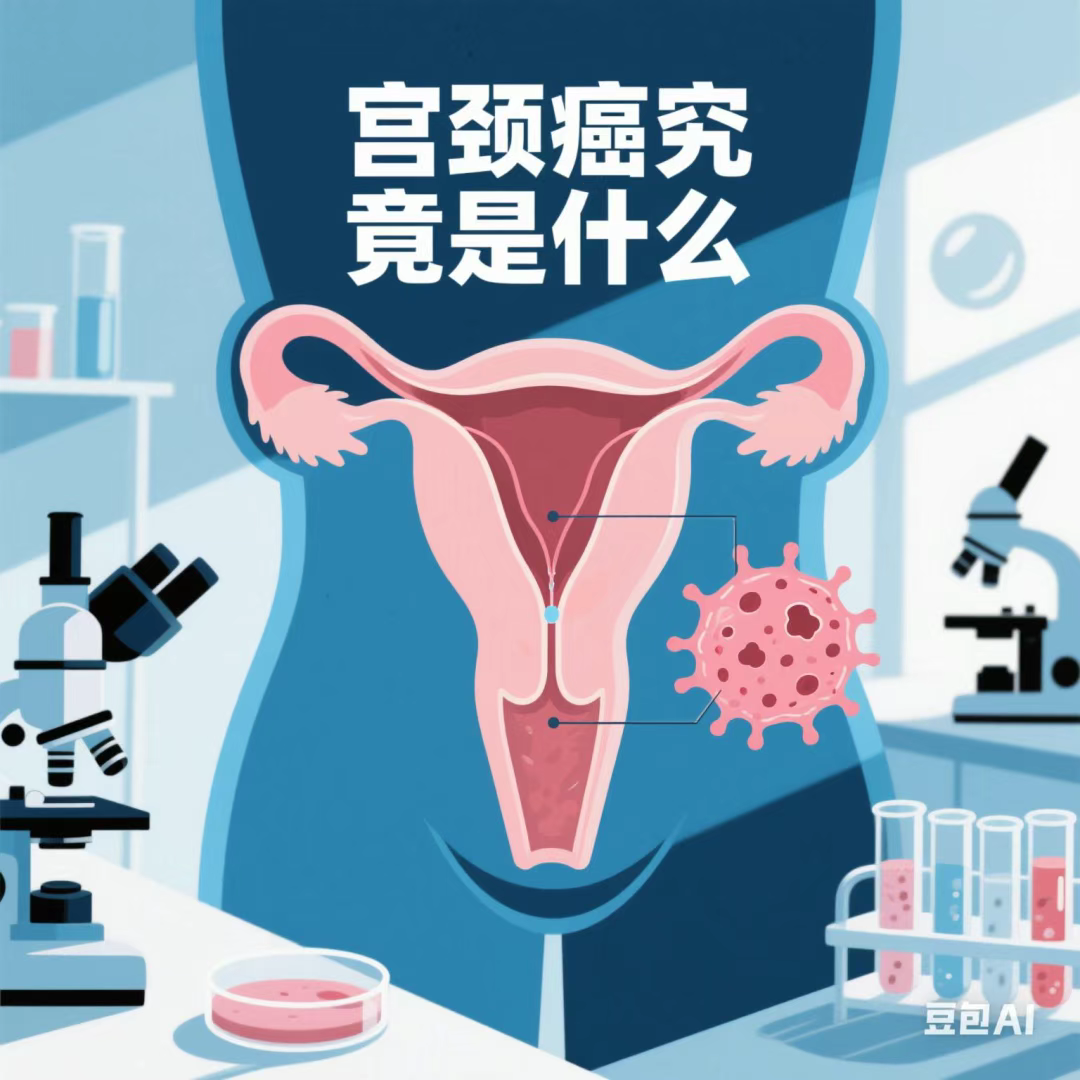
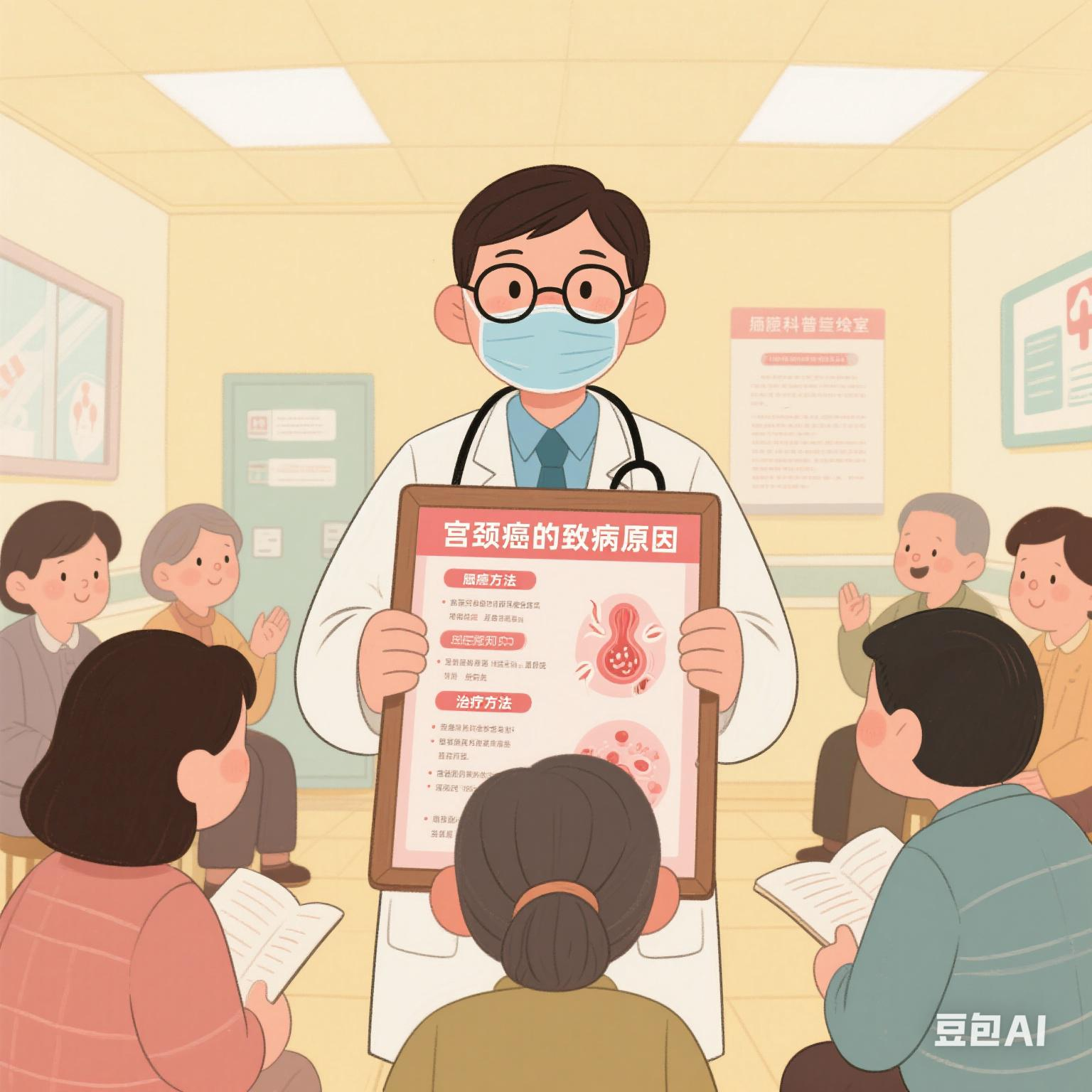
2. What Triggers Cervical Cancer?
It has been confirmed that persistent infection with high-risk human papillomavirus (HPV) is the primary cause of cervical cancer. The HPV family is large, comprising over 100 subtypes, among which 13 high-risk types can lead to cervical cancer. HPV is primarily transmitted through sexual contact. Indirect contact (such as sharing towels or toilets) also carries a risk of infection, though the probability is relatively low.
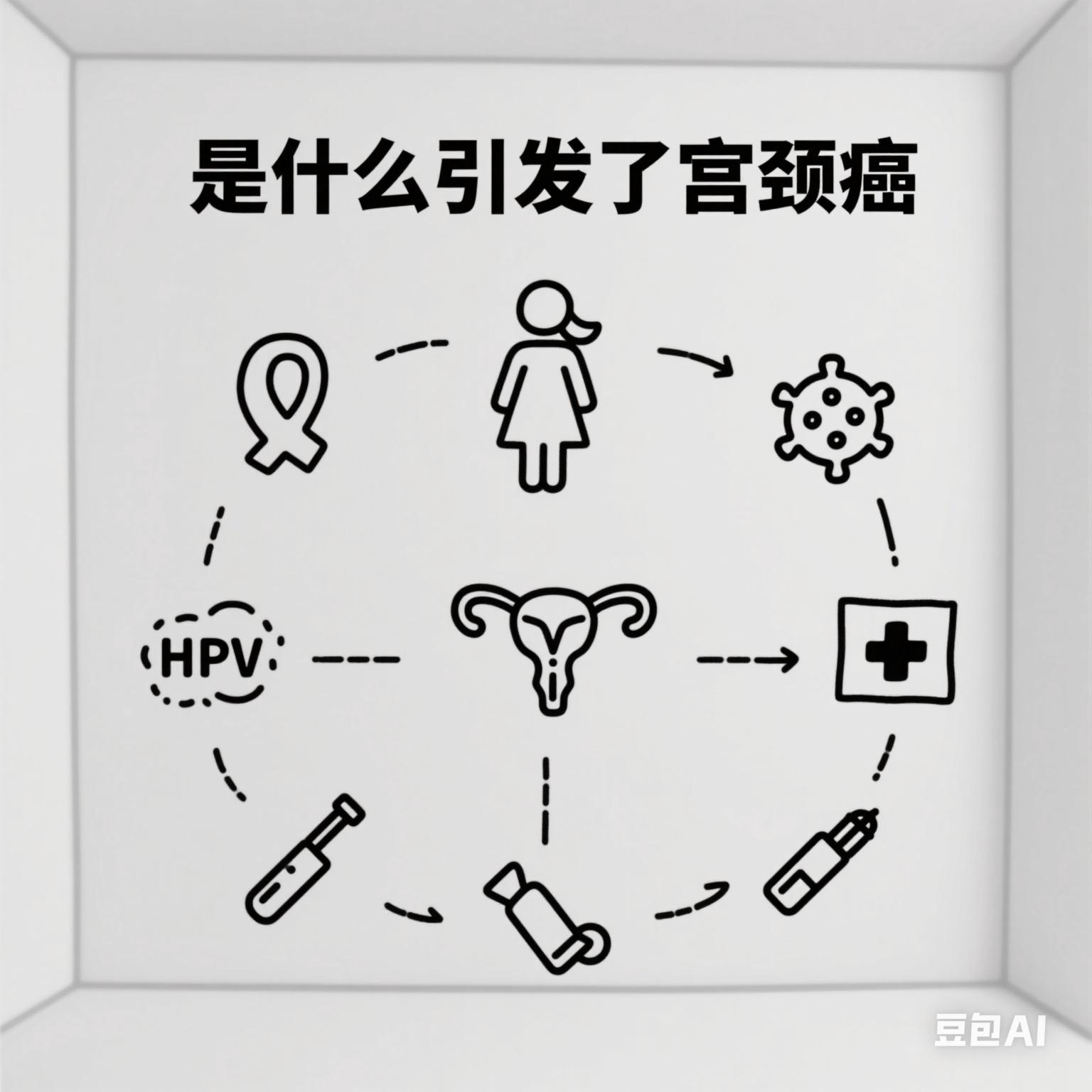
In addition to HPV infection, other high-risk factors include:
- High-risk sexual behaviors: Initiating sexual activity before age 16 or having multiple sexual partners increases the likelihood of HPV infection, thereby elevating cervical cancer risk.
- Multiple pregnancies: Frequent or early childbirth subjects the cervix to repeated trauma and irritation, creating conditions that may predispose to cervical cancer.
- Smoking: Nicotine and other harmful chemicals in cigarettes impair immune function, making the cervix more susceptible to HPV damage.
- Immune dysfunction: Prolonged use of immunosuppressive drugs or immunodeficiency disorders weakens the immune system's ability to defend against HPV infection.
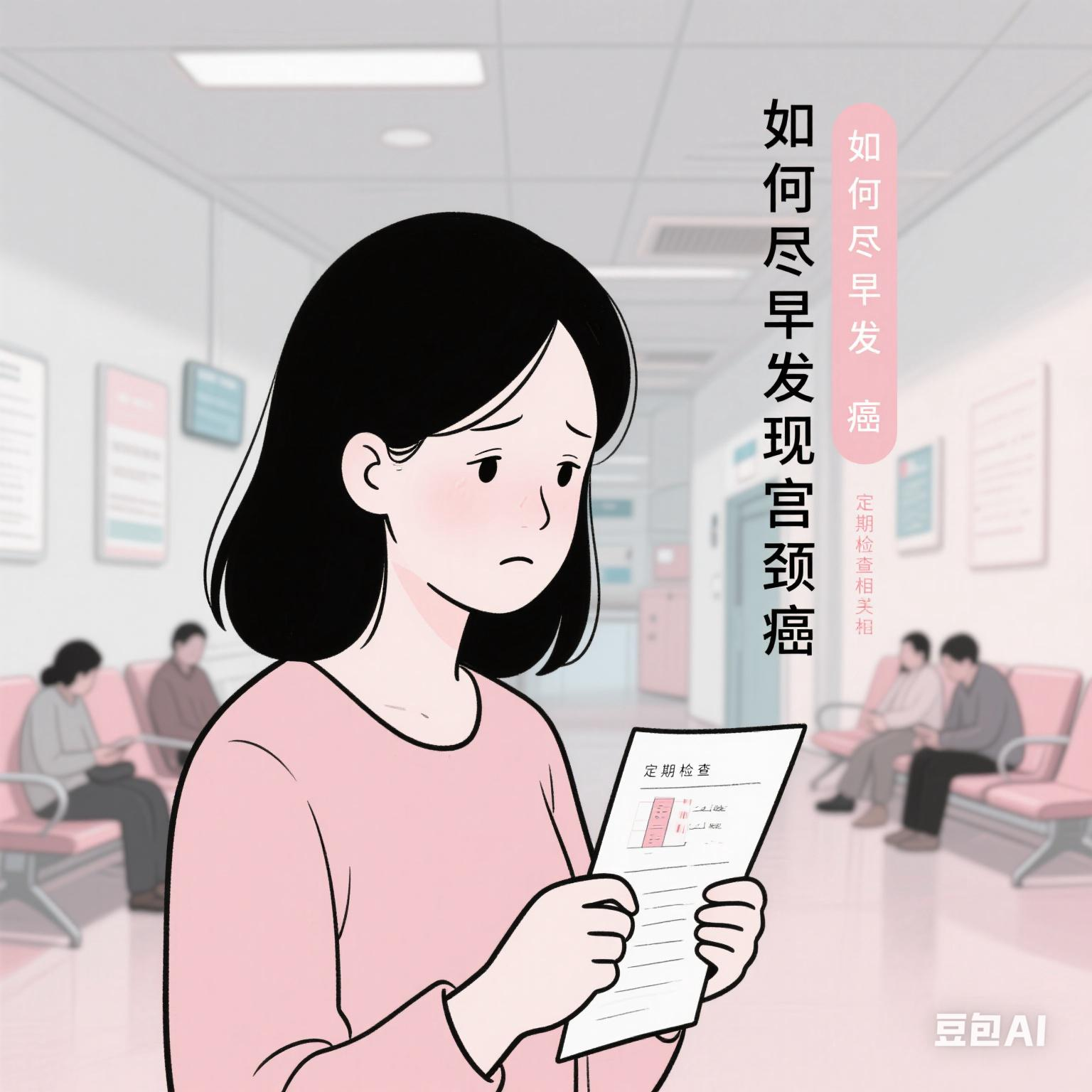
3. How to Detect Cervical Cancer at an Early Stage
Early-stage cervical cancer often presents no obvious symptoms, or only mild manifestations that can be easily overlooked. As the disease progresses, the following symptoms may emerge:
- Abnormal vaginal bleeding: This is the most common symptom, including bleeding between periods, post-coital bleeding, or postmenopausal bleeding. Even minimal bleeding should never be ignored.
- Abnormal vaginal discharge: Increased discharge with yellowish or greenish discoloration, thin watery or rice-water consistency, and a foul, fishy odor.
- Pain: Persistent dull pain in the lower abdomen or lumbosacral region, which may worsen during intercourse, menstruation, or defecation.
- Urinary symptoms: When the tumor invades the bladder, symptoms such as frequent urination, urgency, dysuria, or even hematuria may occur.
- Digestive symptoms: If the tumor spreads to the rectum, it can cause constipation, bloody stools, or tenesmus (a persistent urge to defecate without relief).
Regular cervical cancer screening is key to early detection. Women aged 25-65 who are sexually active should undergo regular screening:
- HPV testing: Detects HPV infection and identifies specific subtypes. Persistent infection with high-risk HPV is a major warning sign of cervical cancer.
- TCT test: Also known as liquid-based cytology, this exam collects cervical cells to check for abnormal changes.
- Colposcopy: If HPV or TCT results are abnormal, a colposcopy is needed for further examination, possibly including a biopsy to confirm diagnosis.
Generally, women should receive annual HPV testing and TCT exams. If two consecutive results are normal, screening can be done every 3-5 years. High-risk individuals (e.g., HPV carriers or those with a family history of cervical cancer) should increase screening frequency as needed.
4. Treatment and Prevention of Cervical Cancer
If diagnosed with cervical cancer, don't lose hope—currently, there are multiple effective treatment options available:
- Surgical treatment: Early-stage cervical cancer can often be treated by surgically removing the lesion, with procedures such as total hysterectomy or conization performed based on the condition.
- Radiation therapy: High-energy rays are used to destroy cancer cells, typically recommended for advanced-stage cervical cancer or cases where surgery is not feasible.
- Chemotherapy: Anti-cancer drugs are administered to inhibit tumor growth, often combined with surgery or radiation therapy for enhanced efficacy.
- Targeted therapy and immunotherapy: These emerging treatments precisely target specific molecules within cancer cells or modulate the immune system to attack tumors, generally producing fewer side effects compared to conventional therapies.
Prevention is far more important than treatment after contracting the disease:
- HPV vaccination: This is one of the most effective ways to prevent cervical cancer. Currently, bivalent, quadrivalent, and nonavalent HPV vaccines are available, and individuals can choose the appropriate one based on age and personal circumstances.
- Maintain a healthy lifestyle:
- Limit sexual partners and avoid early sexual activity or multiple partners
- Practice safe sex by using condoms
- Quit smoking and limit alcohol consumption
- Eat a balanced diet rich in fruits and vegetables
- Exercise regularly to boost immunity
- Regular screening: Routine cervical cancer screening enables early detection, diagnosis, and treatment, nipping the disease in the bud before it progresses.
Although cervical cancer is frightening, it is not invincible. Understanding the disease, taking proactive prevention measures, and undergoing regular screenings are key to protecting women's health. We hope every woman will value her body, stay vigilant against cervical cancer threats, and enjoy a healthy, fulfilling life.
Department Overview
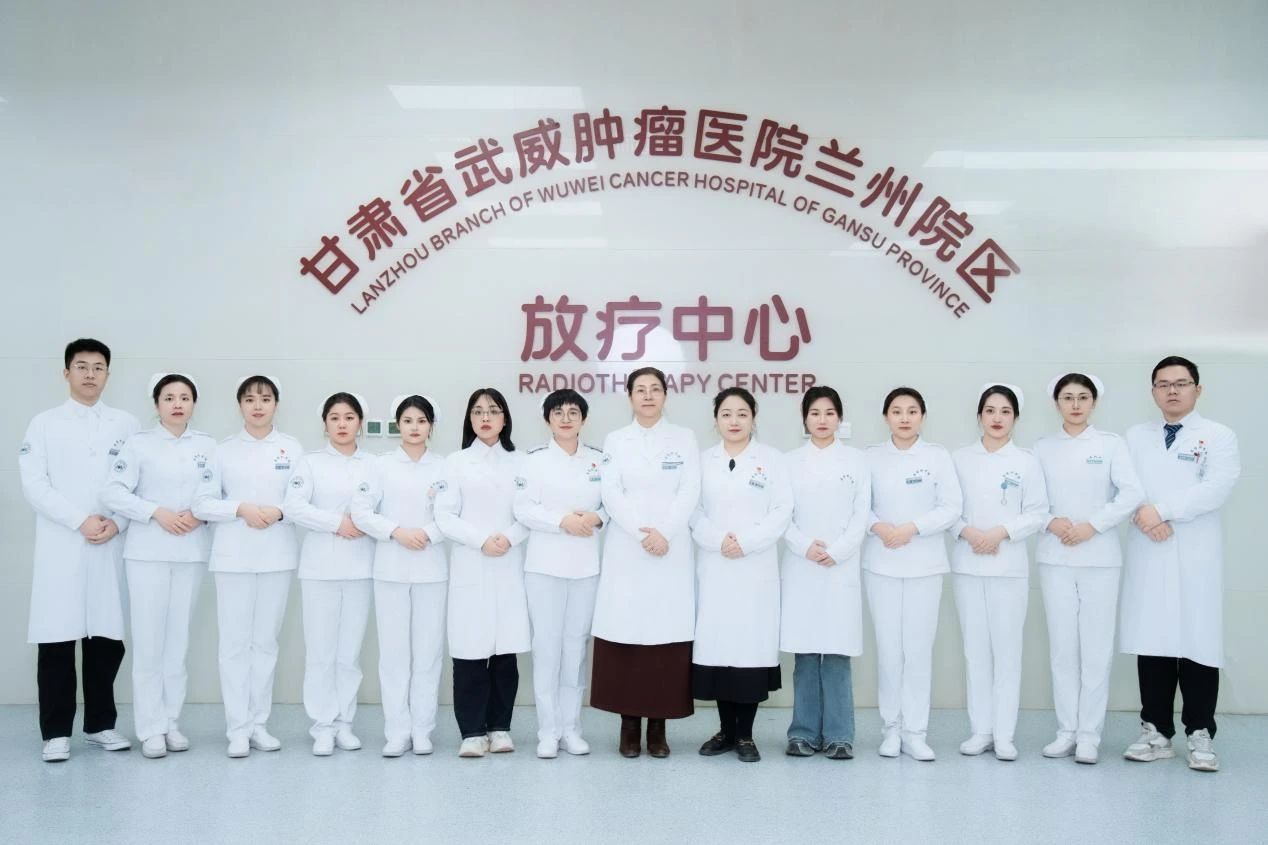
The Radiotherapy Department II, as a specialized unit in gynecologic oncology radiotherapy, focuses exclusively on radiation treatment for gynecological cancers. Equipped with state-of-the-art radiotherapy facilities and a professional medical team, it delivers precise, standardized, and personalized comprehensive care to gynecologic tumor patients. The department actively conducts basic and clinical research related to gynecologic cancer radiotherapy, undertaking multiple scientific research projects. Additionally, as a teaching and training base, it cultivates professionals for the field. Committed to a patient-centered approach and supported by advanced technology, the department strives to improve cure rates and quality of life for gynecologic cancer patients, providing high-quality, efficient, and humanized medical services.
Professional Team
The department currently has 14 medical staff members, including 1 chief physician, 1 attending physician, 4 resident physicians (with 5 holding master's degrees), and 8 nurses, forming a highly knowledgeable and dynamic professional team. Department Director Chief Physician Zhao Fengju, with over 30 years of experience in radiotherapy, is a rare expert in oncology in Northwest China. She serves as the Director of the Brachytherapy Committee of Gansu Anti-Cancer Association and Vice Director of the Northwest Gynecologic Oncology and Brachytherapy Committee. Specializing in comprehensive treatment of gynecologic tumors including chemoradiotherapy and immuno-targeted therapy, she has pioneered advanced external beam radiotherapy techniques such as CIRT and IGRT for gynecologic cancers, as well as innovative brachytherapy methods including 3D high-dose-rate afterloading, interstitial implantation therapy, and painless afterloading treatment, demonstrating extensive clinical expertise in oncologic radiochemotherapy. The department also benefits from technical and academic guidance provided by renowned experts including Professor Wang Junjie (Director of the Radiation Therapy Committee of the Chinese Medical Association, Head of Radiation Oncology at Peking University Third Hospital, and President of Lanzhou Heavy Ion Center), Professor Li Sha (Director of Radiation Oncology at Army Medical University General Hospital), and Professor Du Lanning (Lanzhou University First Hospital).
Scope of Treatment
The department primarily provides carbon ion therapy, photon radiotherapy, and brachytherapy for various common female malignancies including cervical cancer, endometrial cancer, ovarian cancer, vulvar cancer, vaginal cancer, and breast cancer, as well as other malignant tumors such as gastrointestinal cancers, urological cancers, and soft tissue sarcomas. Additionally, the department offers comprehensive treatment approaches for various malignancies, including chemotherapy, targeted therapy, immunotherapy, and cellular immunotherapy.

Lanzhou Heavy Ion Center contact numbers:
166 0931 3666 Director Li
176 9325 0603 Professor Yan