"Four Key Biomarkers in Liver Cancer Screening: Which Indicators Best Reflect Liver Health?"
Overview
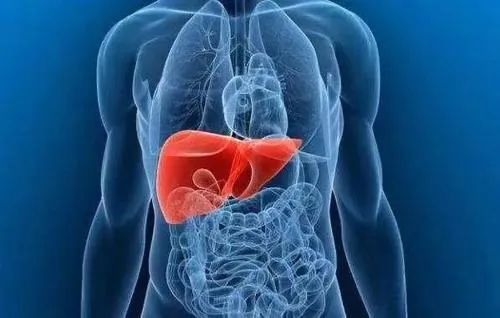
Golgi protein 73 (GP73) is a transmembrane glycoprotein containing 402 amino acids with a relative molecular weight of 73 kDa, localized on the Golgi apparatus of cells. In normal livers, the expression level of GP73 is relatively low. However, when the liver undergoes inflammation, injury, hepatic fibrosis, cirrhosis, or other pathological conditions, GP73 gradually increases with the progression of chronic liver disease and declines after the remission of chronic liver disease. Thus, GP73 can serve as a novel serological marker for assessing the progression of liver diseases.

Abnormal prothrombin, also known as Protein Induced by Vitamin K Absence or Antagonist-II (PIVKA-II) or Des-γ-carboxy prothrombin (DCP), is a vitamin K deficiency or antagonist-II-induced protein in humans. Normal prothrombin in the human body is synthesized by hepatocytes, whereas a key characteristic of patients with primary hepatocellular carcinoma is vitamin K deficiency. Vitamin K not only participates in the synthesis of coagulation factors II (i.e., prothrombin), VII, IX, and X but also acts as a cofactor in maintaining the conversion of fibrinogen to fibrin during the coagulation process. When vitamin K is deficient, excessive abnormal prothrombin is produced, with the most prominent symptom being coagulation dysfunction. At this stage, quantitative detection of abnormal prothrombin can help assess the extent of hepatocyte damage.

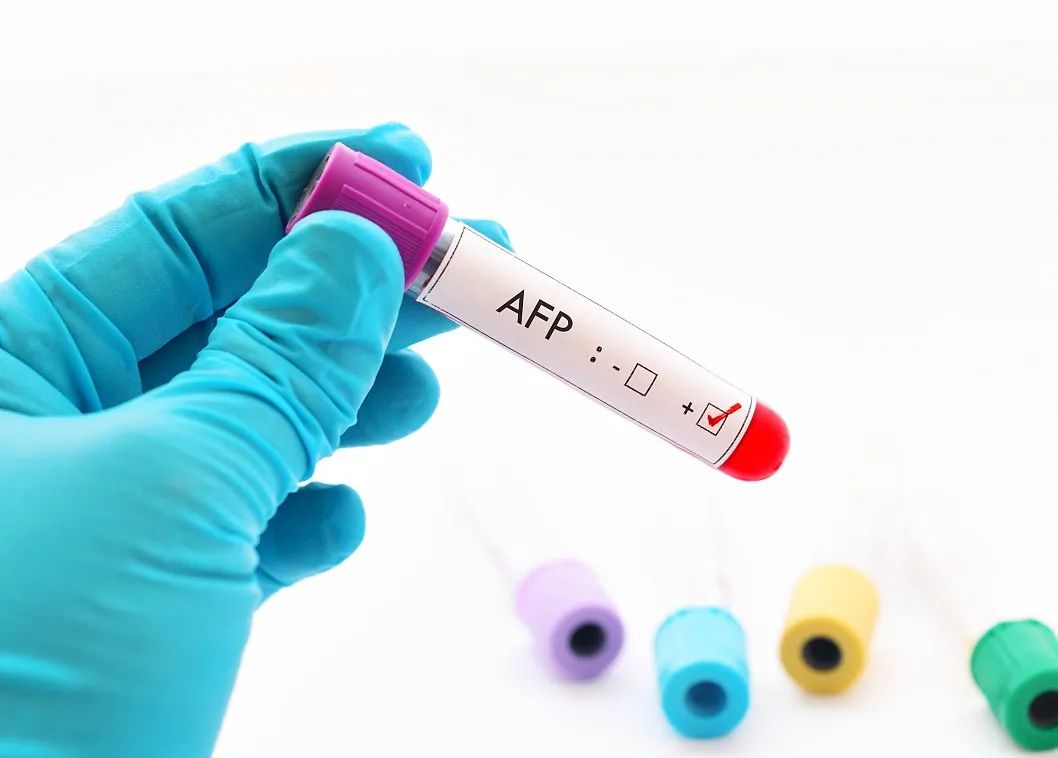
Alpha-fetoprotein (AFP) is a special embryonic serum protein in humans, synthesized by ribosomes of the rough endoplasmic reticulum in liver cells. However, in individuals with hepatocellular carcinoma (HCC), serum AFP levels exhibit a significant increase. Additionally, conditions such as pregnancy, embryonal carcinoma, ovarian cancer, testicular cancer, and certain cases of gastric cancer, pancreatic cancer, and rectal cancer can also lead to elevated serum AFP levels. Given the specificity of serum AFP levels in hepatocellular carcinoma, dynamic measurement of serum AFP holds significant clinical diagnostic value for this disease.

Alpha-fetoprotein (AFP) can be divided into three subtypes—AFP-L1, AFP-L2, and AFP-L3—based on its varying affinity for lens culinaris agglutinin (LCA). AFP-L1 is primarily detected in normal or benign liver diseases; AFP-L2 is mainly produced by the yolk sac and commonly found in pregnant women; AFP-L3 is predominantly secreted by hepatocellular carcinoma (HCC) cells. When hepatocytes undergo malignant transformation, the glycan structure of some AFP molecules undergoes changes (fucosylation). This fucosylated AFP exhibits higher affinity for LCA and is generally referred to as an alpha-fetoprotein variant. It is closely associated with the size, differentiation, and malignancy of tumor tissues and demonstrates higher specificity than AFP.
Target Population
(1) Individuals with fatty liver or hepatic fibrosis;
(2) Individuals with alcoholic, chemical toxin-induced, or drug-induced chronic liver disease;
(3) Individuals with genetic metabolic liver disease; individuals with infectious liver disease or liver cancer;
(4) Viral hepatitis carriers; individuals with autoimmune hepatitis;
(5) Individuals with long-term alcohol consumption, long-term staying up late, or irregular lifestyle;
(6) Routine screening for individuals undergoing physical examinations.
Detection Indicators
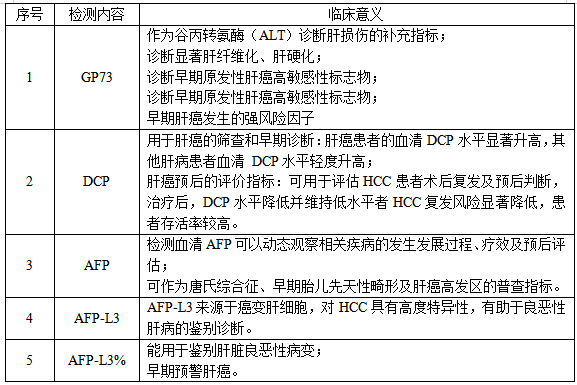
The four liver cancer detection indicators include Golgi protein 73 (GP73), abnormal prothrombin (DCP), alpha-fetoprotein (AFP), alpha-fetoprotein variant (AFP-L3), and alpha-fetoprotein variant ratio (AFP-L3%).
Sample Submission Requirements
(1) Applications can be made for both outpatient and inpatient services. Test items: Four items for liver cancer; abnormal prothrombin (PIVKA-II) testing (single item) can also be ordered separately.
(2) Sample requirements: Collect 3ml of peripheral blood using a coagulation-promoting tube (yellow-capped tube). Samples that cannot be tested on the same day should be stored at 2-8°C and can be preserved for 24 hours. For storage beyond 24 hours, samples should be kept at -20°C. Samples must not be subjected to repeated freezing and thawing.
(3) Reports will be issued on the same day. Outpatient reports can be printed from the self-service printer next to the information desk; inpatient reports can be printed via the hospital’s Laboratory Information System (LIS).
Biomicrochip Center
The Biomicrochip Center offers the following services:
Genetic testing: Deafness gene testing, newborn early screening, etc.
Pathogen detection: Respiratory pathogenic bacteria, respiratory viruses, COVID-19 nucleic acid testing, etc.
Oncogene testing: ALK, ROS1, NRAS, HRAS, PIK3CA, MET, RET, HER-2, etc.
Pharmacogenomics: Clopidogrel medication guidance, warfarin medication guidance, statin medication guidance, proton pump inhibitor (PPI) medication guidance, hypertension-related drug gene testing, etc.

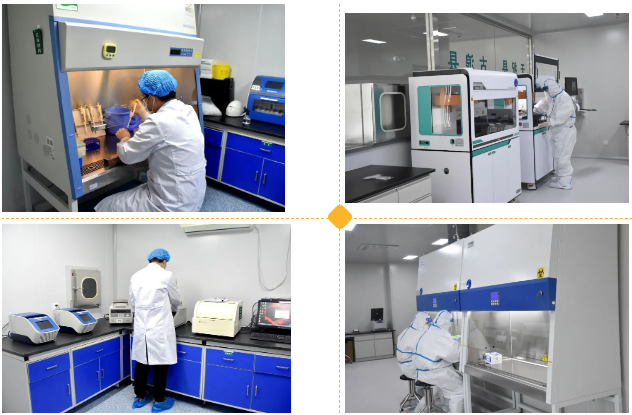
Overview of the Genetic Biochip Laboratory and Biological Immunotherapy Cell Therapy Laboratory
The Biological Immunotherapy Cell Therapy Laboratory conducts the latest high-tech tumor cell immunotherapy technologies. Currently, it is carrying out clinical research on cell immunotherapy techniques including CIK cells, NK cells, DC-CIK, and umbilical cord mesenchymal stem cells. In the future, it will also initiate clinical trials for CAR-T cell therapy.