Colorectal Cancer: A Diet-Related Malignancy
— Strategies for Prevention
A cancer diagnosis naturally evokes fear. However, colorectal cancer is largely a diet-related disease, and it can be prevented by adopting certain dietary and lifestyle habits:
Maintain regular, moderate meal portions and a consistent schedule.
Limit intake of processed foods including smoked, cured, fried grilled, or processed foods with preservatives.
The occurrence of colorectal cancer is closely linked to daily eating habits. In particular, it is important to avoid eating dinner too late or too heavily. Prioritize fresh vegetables and fruits in your diet, while minimizing intake of smoked, cured, fried, grilled, and processed foods. Adhering to a regular routine enhances immunity and helps guard against diseases.

Vitamin E Supplementation for Cancer Prevention
Vitamin E deficiency may increase the risk of colon cancer. As a natural antioxidant, Vitamin E helps prevent colorectal cancer. Include Vitamin E-rich foods such as walnuts, seafood, and dairy products in your diet.

Adequate Hydration to Prevent Constipation
Aim for 1,500–1,700 ml of water daily, increasing intake during hot weather or high temperatures. Regular bowel movements (once daily) reduce toxin buildup in the intestines.

Exercise and Weight Management for Prevention
Obesity and sedentary lifestyles are major risk factors for colorectal cancer, often reinforcing each other. Moderate exercise directly lowers cancer risk by balancing dietary intake, stimulating bowel motility, aiding waste elimination, and reducing harmful substance accumulation.

Foods Rich in Vitamin D and Calcium
Calcium intake is inversely correlated with colorectal cancer risk, while Vitamin D has anticancer potential. Calcium binds to long-chain fatty acids and secondary bile acids in the intestines, reducing lipid-induced cell damage and preventing mutations in intestinal epithelial cells.
Vitamin D sources: Fish liver oil, animal liver, egg yolks.
Calcium sources: Dairy products, dried shrimp, legumes, leafy greens, sesame paste, kelp, and hair seaweed.

Folate-Rich Foods
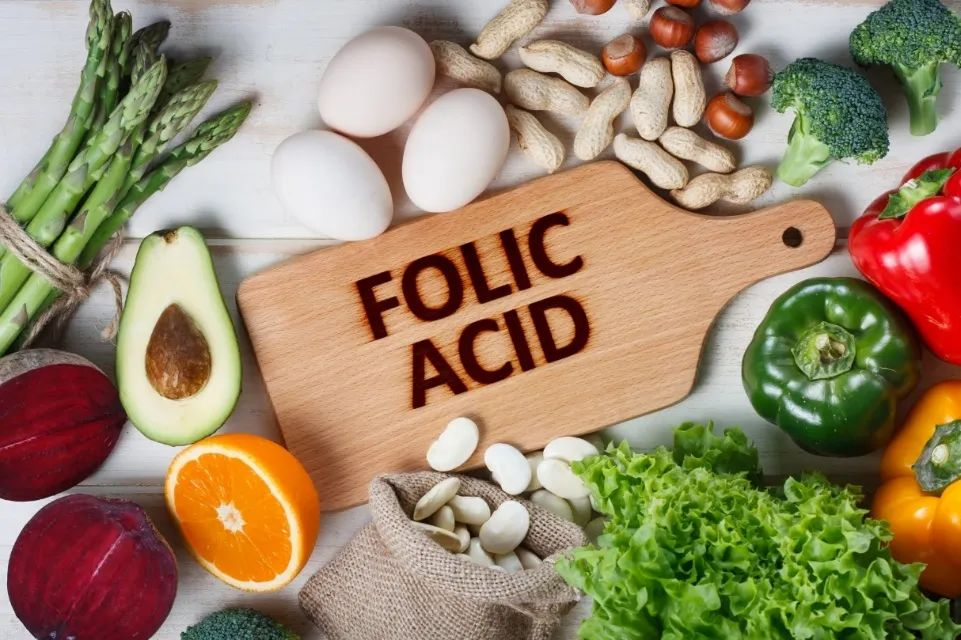
Increasing dietary folate boosts serum folate levels, significantly reducing colon cancer incidence. Include these folate sources: animal liver/kidneys, eggs, legumes, yeast, leafy greens, fruits, and nuts.
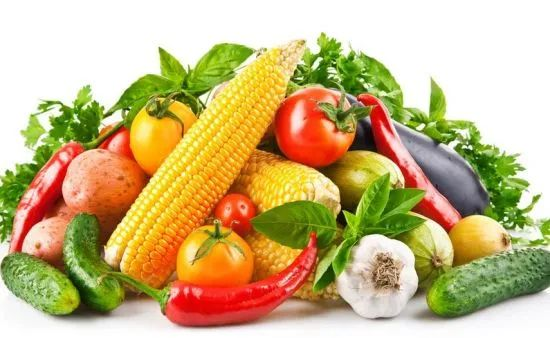
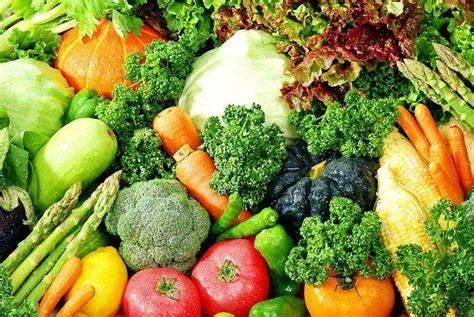
Increase Fruit, Vegetable, and Dietary Fiber Intake
Research has found that dietary fiber intake is inversely correlated with the incidence of colon tumors. Consuming more than 35 grams of fiber daily can reduce the risk of colon cancer by 40%. A lack of fiber in food reduces stool volume and slows intestinal movement, leading to increased concentrations of carcinogens in the intestines and prolonged contact time with the intestinal wall lining, thereby increasing the risk of colon tumors. Therefore, efforts should be made to increase the intake of vegetables, whole grains, fruits, and fiber, and to maintain a balanced diet to reduce the occurrence of colorectal cancer.
Eat Fewer High-Fat Foods
Studies indicate that total energy intake is related to the risk of colorectal cancer, regardless of whether the energy comes from protein, fat, or carbohydrates. Reducing energy intake may lower the incidence of colorectal cancer. Additionally, reducing fat and red meat intake is crucial, as the occurrence of colorectal cancer is closely linked to animal fats and meat. Decreasing the fat content in food, especially minimizing consumption of processed red meat like grilled or fried varieties, helps reduce the risk of colorectal cancer.

Adequate Intake of Cruciferous Vegetables
Vegetables from the cruciferous family are rich in multiple vitamins. For example, broccoli is abundant in Vitamin C and also contains significant amounts of minerals and dietary fiber. Moreover, the potent antioxidants found in cruciferous vegetables help the body eliminate pollutants and accelerate detoxification processes.
Quit Smoking, Limit Alcohol, and Avoid Harmful Habits
For drinkers, it is recommended to consume no more than 10 standard drinks per week and no more than 4 standard drinks in a single day. One standard drink contains 10 grams of pure alcohol, equivalent to 30 ml of 40% alcohol by volume spirits. Thus, daily intake should not exceed 120 ml of 40% alcohol. Each additional standard drink increases bowel cancer risk by 7%. Smoking is associated with most cancers, as cigarette smoke contains over 70 carcinogens and more than 700 toxic chemicals.

Actively Treat Precancerous Conditions
Individuals with ulcerative colitis, chronic colitis, colorectal adenomatous polyps, or a personal or family history of colorectal cancer or adenomas have an increased risk. Through screening and follow-up, early removal of adenomas and treatment of colitis can reduce the incidence and mortality of colorectal cancer. Particularly for those with a family history, genetic testing to screen high-risk individuals, followed by colonoscopy, is a critical aspect of colorectal cancer prevention.

Develop Awareness of Health Check-ups
Get screened by colonoscopy promptly. For the general population, have your first colonoscopy before age 50. High-risk individuals should have one before age 45 (some experts recommend age 35 as more appropriate). Members of families with familial adenomatous polyposis are advised to have their first colonoscopy at age 10, followed by screenings every 1-2 years.

Introduction to the Department of Gastrointestinal Surgery
The Department of Gastrointestinal Surgery is a Provincial Key Specialty in Gansu Province and a demonstration center for incisionless laparoscopic and robotic NOSES (Natural Orifice Specimen Extraction Surgery) for radical gastrectomy and colorectal cancer surgery. Located at the Heavy Ion Campus of Wuwei Medical Science Academy Cancer Hospital, the department focuses on the diagnosis and treatment of gastrointestinal tumors.
Our core expertise includes:
• Standardized radical D2 gastrectomy
• Standardized radical D3 colorectal cancer surgery
• Laparoscopic and robotic standardized radical D2 gastrectomy
• Laparoscopic and robotic standardized radical D3 colorectal cancer surgery
• Pre-operative neoadjuvant therapy, conversion therapy, and post-operative adjuvant therapy
• Comprehensive treatment for advanced cancers, including immunotherapy, targeted drug therapy, and multidisciplinary team (MDT) approaches
These advanced treatments have significantly improved the five-year cure rate and survival rate for cancer patients. The department also performs extended radical resections involving combined organ removal and complex major tumor resections, significantly enhancing its reputation and prominence.
Clinical Team:
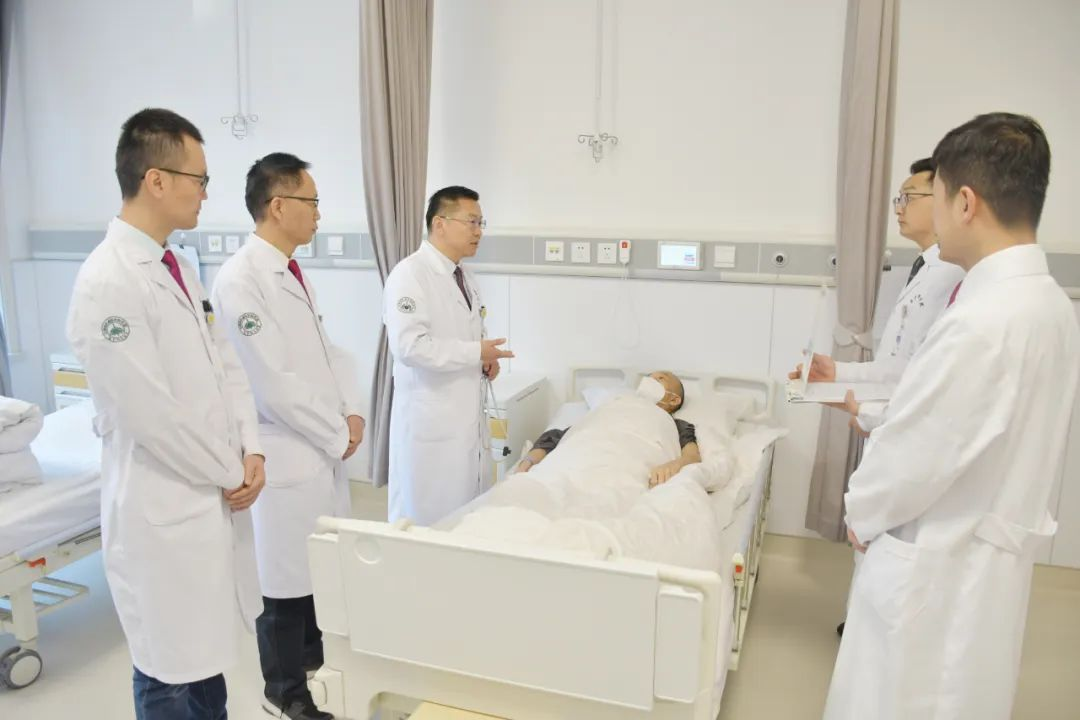
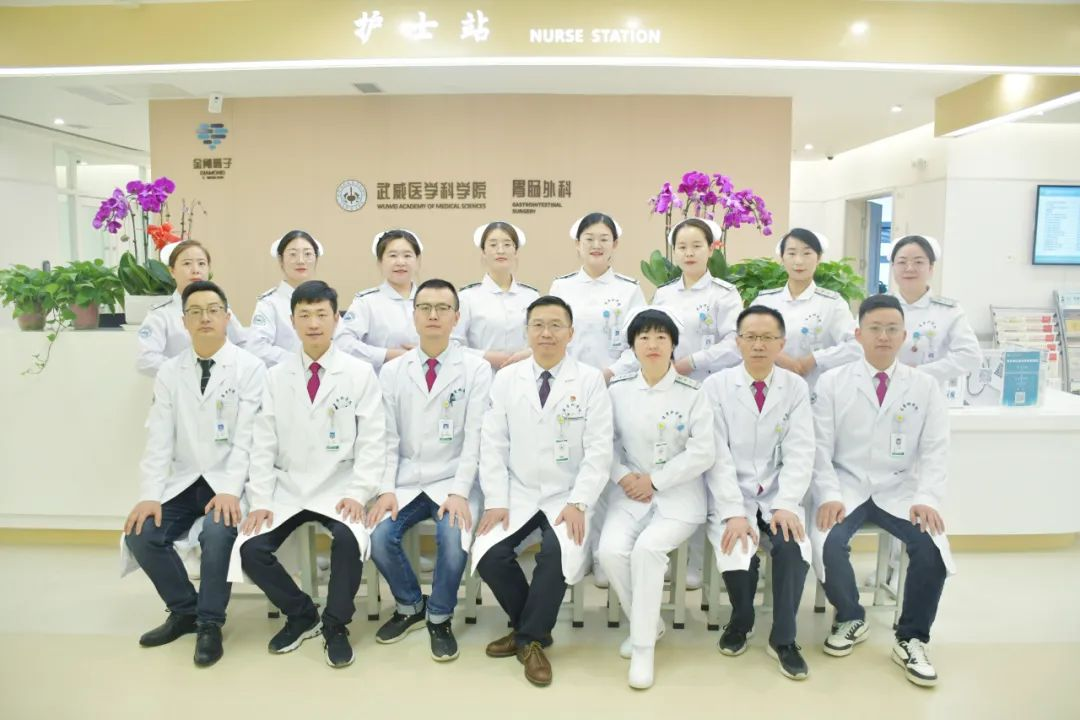
The department boasts a highly skilled team, including:
• 1 Chief Physician (Department Director CHEN Hongbing, Second-Grade Chief Physician of General Surgery)
• 1 Associate Chief Physician
• 2 Master's Degree Holders
• 4 Attending and Resident Physicians
Team members have undergone advanced training at prestigious institutions in Beijing, Shanghai, Guangzhou, Zhejiang, Fujian, Xi'an, and other locations. They possess extensive experience in diagnosing and treating gastrointestinal cancers, strong research capabilities, and are known for their technical expertise, precise and standardized surgical techniques and treatments.
Technological Leadership:
• Since February 2023, our department was the first among prefecture-level city hospitals in Gansu Province to perform robotic D2 radical gastrectomy and D3 radical resection for colorectal cancer.
• We pioneered domestic (Chinese-made) robotic D3 radical NOSES for colorectal cancer nationally.
These innovations allow patients access to cutting-edge domestic diagnostic and therapeutic technologies without leaving their home region, propelling the department's clinical capabilities to leapfrog development. Our Gastrointestinal Surgery department has reached advanced national levels in cancer diagnosis and treatment and leads within our city.
Historical Milestones:
• We are one of the earliest departments in Gansu Province to perform laparoscopic and robotic radical surgery for gastrointestinal tumors.
• We are one of the earliest departments in China to perform incisionless laparoscopic and robotic radical colorectal cancer surgery (NOSES).
Research & Publications:
• Department members have authored and presented over fifty academic papers.
• Completed seven provincial and municipal research projects.
Awarded:
• Authored two medical monographs.
• Completed 1 research project funded by the National Health Commission (concluded in 2022, grant of 100,000 yuan).
• Currently leading one Municipal Key Research and Development Program: "Clinical Application Study of Domestic Toumai Surgical Robot in Radical NOSES for Colorectal Cancer" (grant of 100,000 yuan).
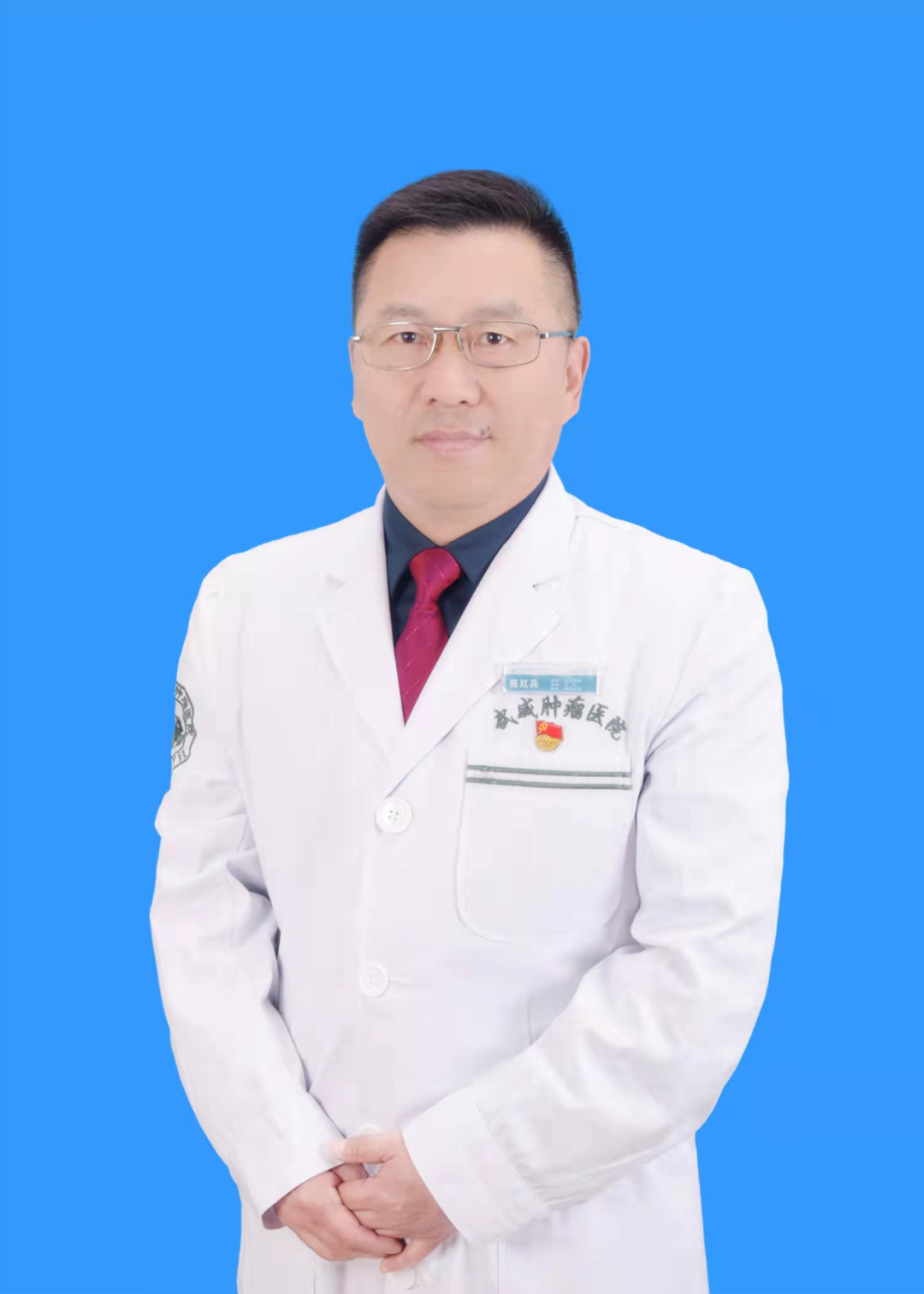
Chen Hongbing
Chief Physician (Grade 2), Director of Gastrointestinal Surgery
Wuwei Medical Science Academy Cancer Hospital, Gansu Province
• Academic Leader of Provincial Key Discipline
• Director of Gastrointestinal Surgery and Director of Medical Administration Office, Wuwei Cancer Hospital
• Expert Member of Gansu Provincial Quality Control Center for General Surgery
• Recipient of the Gansu Provincial Special Allowance for Senior Professional Technical Talents
• Vice Chairperson, Colorectal Cancer Committee, Gansu Anti-Cancer Association
• Vice President, Gansu Branch of Chinese Colorectal Cancer MDT Alliance
• Executive Council Member, Chinese Sphincter-Preserving Alliance for Rectal Cancer
• Vice Director, Longyuan Gastrointestinal Oncology Alliance Committee, Tumor Gastrointestinal Disease Committee of China Anti-Cancer Association
• Vice President, First Council of Tumor Physician Branch, Gansu Medical Doctor Association
• Standing Committee Member, Colorectal Cancer Committee of China Cancer Prevention and Control Alliance (Gansu Branch)
• Vice Director, Medical Robotics Branch, Gansu Medical Doctor Association
• Committee Member, Bariatric and Metabolic Disease Committee, Gansu Medical Doctor Association
• Vice Director, General Surgery Committee of Wuwei City
Expertise
Specialized in standardized D2 radical gastrectomy for gastric cancer and D3 radical resection for colorectal cancer. Pioneered the implementation of standardized laparoscopic and robotic radical surgeries for gastrointestinal cancers in Gansu Province over 12 years ago, including laparoscopic sphincter-preserving surgery for low rectal cancer (ISR, Bacon procedure), as well as laparoscopic and robotic radical NOSES (Natural Orifice Specimen Extraction Surgery) for colorectal cancer.
Research Achievements
Completed 6 research projects, receiving:
• 3 Municipal Scientific Advancement Awards (Second Prize)
• 2 Provincial Scientific Advancement Awards (Third Prize)
Concluded one National Health Commission (NHCC) project in 2022, and currently leading one Wuwei City Key R&D Program project (2023).
Central Campus Outpatient Clinic Hours: Mondays, Tuesdays, Thursdays, Saturdays
A Glimpse of the Central Campus