Warning: Never Treat Bowel Cancer as Piles
Warning: Never Treat Bowel Cancer as Piles
With continuous improvement in living standards, the incidence of colorectal cancer has been rising annually, currently ranking as the third most common cancer by incidence and the second leading cause of cancer-related mortality.
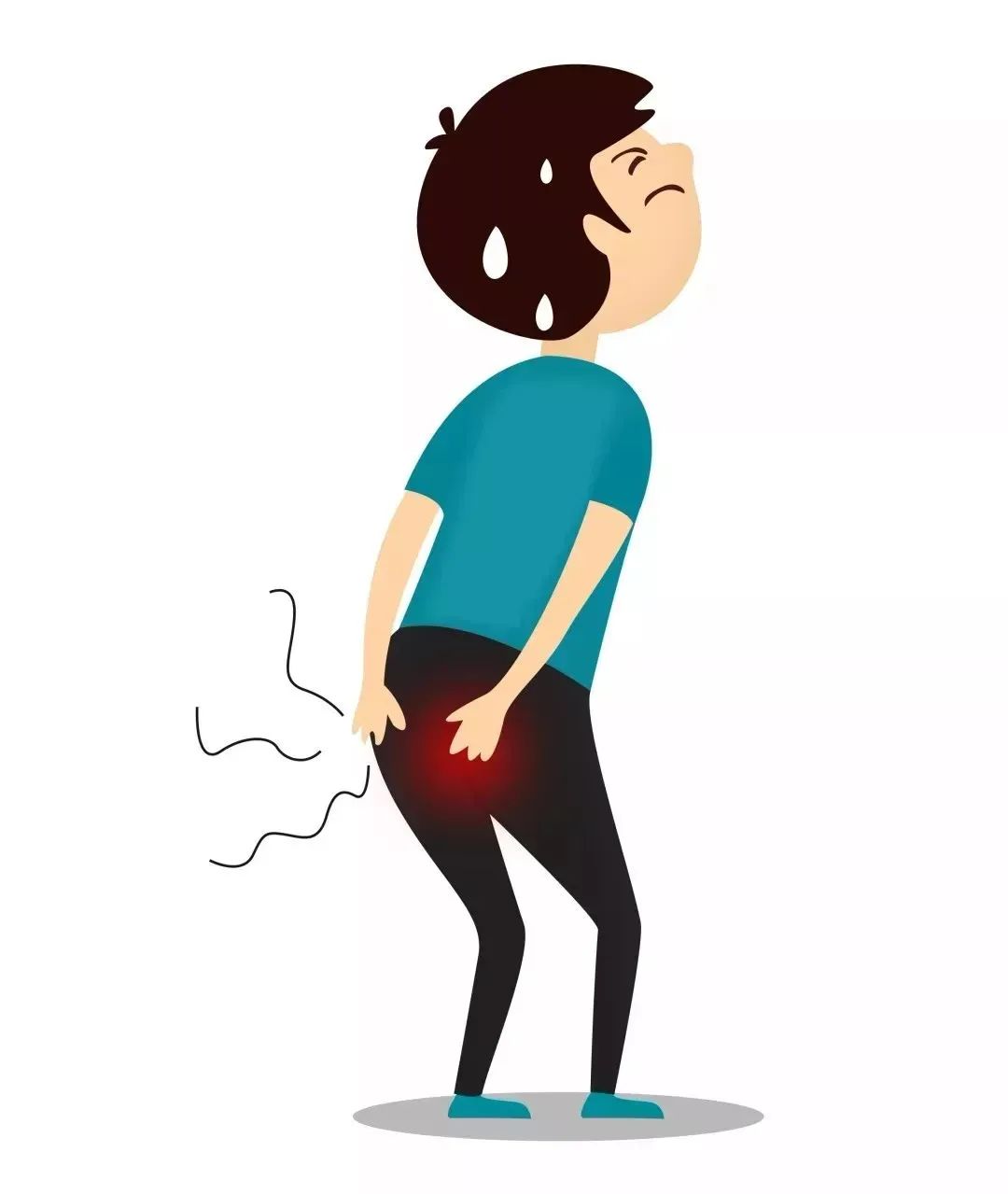
Hemorrhoids are highly prevalent, as encapsulated in the medical adage: "Nine out of ten adults develop hemorrhoidal disease."
Many people mistake colon cancer for hemorrhoids, delaying proper treatment. Countless real-life cases serve as a stark warning:
Not long ago, our hospital's gastrointestinal surgery department treated a 51-year-old patient who believed he had "hemorrhoids."
He was a rural doctor who claimed to have suffered from "hemorrhoids" for many years. Initially, he experienced bloody stools that would resolve on their own after a few days, so he never took it seriously, assuming it was nothing more than hemorrhoids. Six months later, his condition worsened—frequent episodes of bloody stools, accompanied by anal pain and diarrhea, left him in constant agony. In June of last year, he underwent hemorrhoid surgery at a small local hospital (without undergoing a colonoscopy or other examinations). Less than a month after the surgery, once he resumed his normal diet, the same symptoms returned. Desperate for relief, he visited numerous proctology clinics and even tried various so-called "ancestral secret remedies," but none provided any lasting improvement.
During this time, an experienced doctor advised him to undergo a colonoscopy for a proper examination. However, he refused, knowing that a "colonoscopy is troublesome and requires bowel preparation." Another six months passed, but instead of improving, his symptoms grew progressively worse. The frequency of bloody stools increased from two or three times a day to six or seven times, with dark red blood mixed with mucus, pus, and a foul odor. His stools also became pencil-thin and developed grooves. Worse still, he began experiencing weight loss and extreme fatigue. It was only after his family urged him that he finally went to Wuwei Medical Science Academy Cancer Hospital for a colonoscopy (our hospital has always offered painless gastroscopy and colonoscopy, ensuring a completely comfortable experience). After hearing his detailed account, Dr. Chen Hongbing, the head of the gastrointestinal surgery department, couldn’t help but grow suspicious: "This might be yet another case of colon cancer mistaken for hemorrhoids!" The colonoscopy confirmed his worst fears: Upon insertion, a large ulcerative tumor was found located 8–12 cm from the anus—rectal cancer, and likely already in the locally advanced stage.

This is the 21st patient our hospital's Department of Gastrointestinal Surgery has identified this past year who was misdiagnosed and treated for "hemorrhoids" when they actually had "colorectal cancer" elsewhere—an average of two such cases per month!
Colorectal cancer and hemorrhoids must be differentiated and promptly diagnosed and treated
Colorectal cancer: Typically refers to cancer of the large intestine (including colon cancer and rectal cancer), a malignant tumor originating from cells in the colon or rectum that can spread to surrounding tissues and other organs.
Hemorrhoids: The appearance of "fleshy lumps" around the anus—though they may resemble flesh, they are actually caused by the dilation and congestion of veins in the anal region, belonging to a common benign condition. The primary symptoms usually include swelling, pain, and bleeding (bright red blood) around the anus.
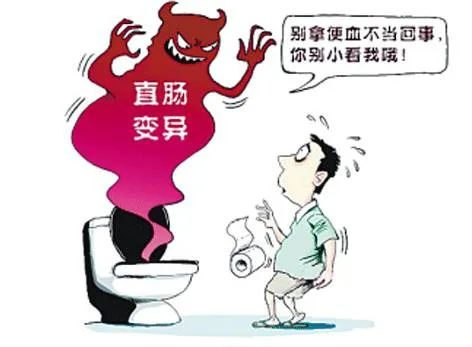
Colorectal cancer is extremely stealthy in its early stages, making it very difficult to detect. The bleeding associated with colon cancer is typically dark red, and in severe cases, may be accompanied by mucus or purulent bloody stools with a foul odor. Yet, countless people still confuse the two conditions. China has one of the highest rates of colorectal cancer worldwide, with nearly 200,000 people dying from the disease each year. Statistics reveal that over 80% of colorectal cancer cases are initially misdiagnosed as hemorrhoids in clinical settings—an alarming figure. Eighty percent. This misdiagnosis causes patients to miss the optimal treatment window, leading to countless preventable tragedies. Warning: Never mistake "colorectal cancer" for "hemorrhoids."
Introduction to Gastrointestinal Surgery
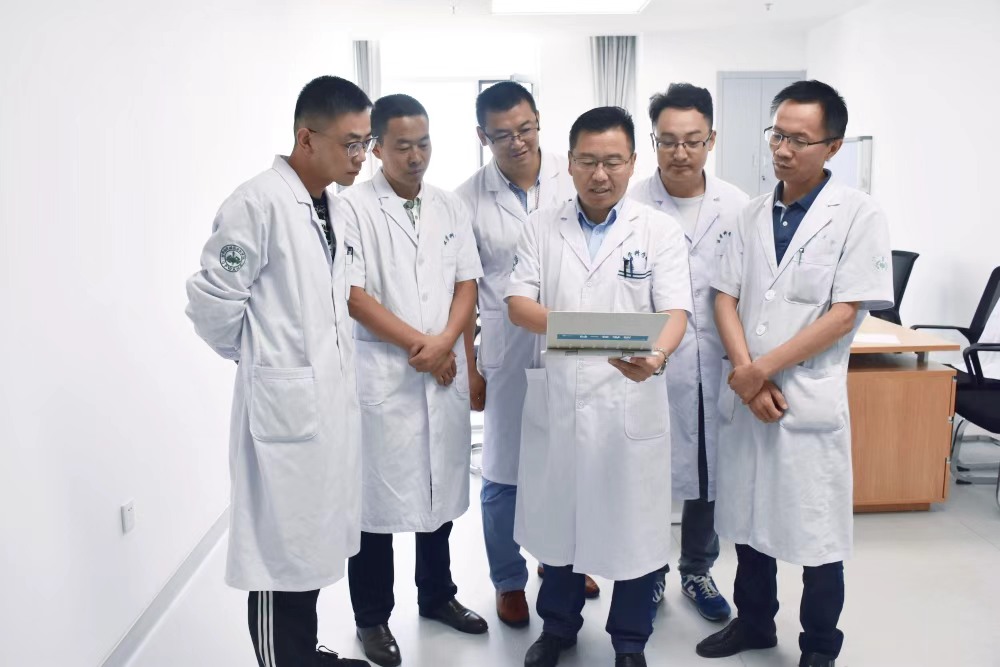
The Department of Gastrointestinal Surgery is a provincial key specialty in Gansu Province and a demonstration center for scarless laparoscopic and robotic NOSES (Natural Orifice Specimen Extraction Surgery) for gastric and colorectal cancer. Located in the Heavy Ion Treatment Area of Wuwei Medical Science Academy Cancer Hospital, the department focuses on the diagnosis and treatment of gastrointestinal tumors, including standardized D2 radical gastrectomy, standardized D3 radical resection for colorectal cancer, laparoscopic and robotic D2 radical gastrectomy, laparoscopic and robotic D3 radical resection for colorectal cancer, neoadjuvant therapy, conversion therapy, and adjuvant therapy before and after surgery, as well as comprehensive treatment for advanced tumors, immunotherapy, targeted drug therapy, and multidisciplinary treatment (MDT). These advanced approaches have significantly improved the five-year survival and cure rates of cancer patients. The department also performs extended combined organ resections and complex major tumor surgeries, further enhancing its reputation and recognition as a leading medical institution.
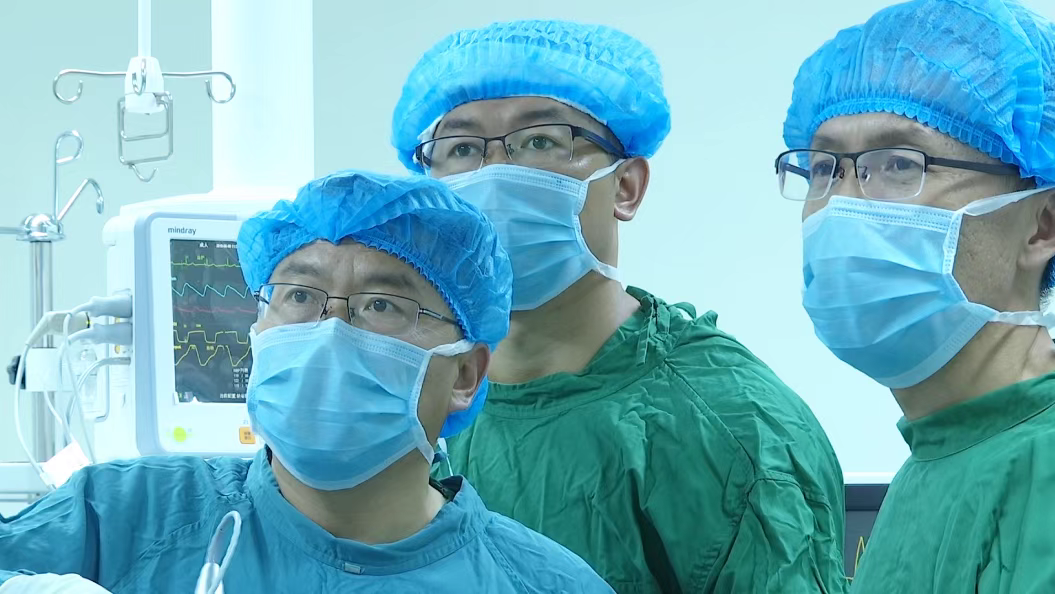
The department currently has 1 chief physician (Department Director Chen Hongbing, a second-level chief physician in general surgery), 1 associate chief physician, 2 postgraduate degree holders, and 4 attending physicians and residents. The team has received advanced training in Beijing, Shanghai, Guangzhou, Zhejiang, Fujian, Xi'an, and other places, possessing extensive experience in the diagnosis and treatment of gastrointestinal tumors, strong research capabilities, and superb technical skills. Their surgical and therapeutic approaches are precise and standardized, ensuring standardized treatment for gastrointestinal cancers. Since February 2023, the department has been the first among prefecture-level hospitals in our province to perform robotic D2 radical gastrectomy and D3 radical resection for colorectal cancer. It has also pioneered the use of domestically produced surgical robots for D3 radical NOSES surgery for colorectal cancer in China, enabling patients to access state-of-the-art domestic medical technology without leaving their hometown. This has significantly advanced the diagnostic and therapeutic standards of the gastrointestinal surgery department. The department's cancer treatment capabilities have reached an advanced national level and a leading position within our city. It is among the first departments in our province to conduct laparoscopic and robotic radical surgeries for gastrointestinal tumors and one of the earliest in China to perform scarless laparoscopic and robotic NOSES surgeries for colorectal cancer.

The department's staff have authored and presented over 50 academic papers, completed seven provincial, municipal, and departmental-level research projects, and won one first prize and three second prizes for municipal scientific and technological progress, as well as two third prizes for provincial scientific and technological progress. They have also co-authored two medical monographs. In 2022, they successfully completed a research project funded by the National Health Commission, securing 100,000 RMB in research funding. Currently, they are leading a key municipal R&D project titled "Clinical Application Study of Domestic Tumai Surgical Robot in NOSES Surgery for Radical Resection of Colorectal Cancer" (also funded with 100,000 RMB in research grants).
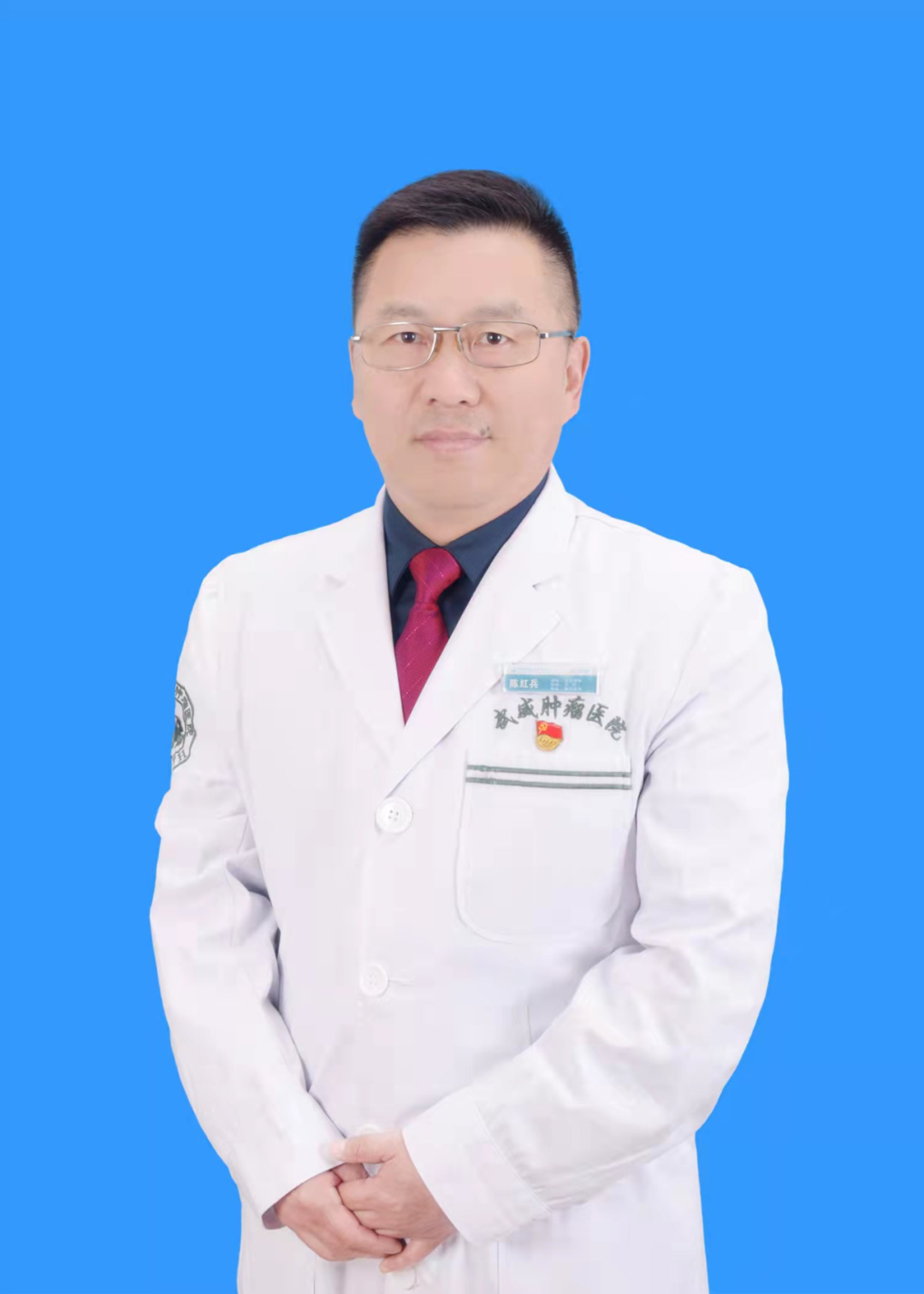
Chen Hongbing
Director of Gastrointestinal Surgery Department, Wuwei Cancer Hospital, Gansu Province
Second-Level Chief Physician
● Provincial key discipline leader
● Director of Gastrointestinal Surgery and Medical Affairs Department at Wuwei Cancer Hospital
● Expert member of Gansu Provincial General Surgery Quality Control Center
● Expert enjoying the special allowance for senior professional and technical talents in Gansu Province
● Deputy Director of Colorectal Cancer Committee, Gansu Anti-Cancer Association
● Vice President of Gansu Branch of China Colorectal Cancer MDT Alliance
● Executive Director of China Rectal Cancer Sphincter Preservation Alliance
Deputy Director of Longyuan Gastroenterology Alliance, Gastrointestinal Oncology Committee, Chinese Anti-Cancer Association
● Former Vice President of the First Gansu Medical Doctor Association Oncology Branch
● Standing Committee Member of Colorectal Cancer Committee, Gansu Alliance of China Anti-Cancer Alliance
● Deputy Director of Medical Robotics Branch, Gansu Medical Doctor Association
● Committee Member of Weight Loss and Metabolic Disorders Committee, Gansu Medical Doctor Association
● Committee Member of Weight Loss and Metabolic Disorders Committee, Gansu Medical Doctor Association
Specializes in standardized D2 radical gastrectomy for gastric cancer and standardized D3 radical resection for colorectal cancer. Over a decade ago, he pioneered the implementation of laparoscopic and robotic standardized radical surgeries for gastric and colorectal cancer in our province and city, as well as laparoscopic sphincter-preserving surgery (ISR, Bacon procedure) for low rectal cancer and laparoscopic/robotic NOSES (Natural Orifice Specimen Extraction Surgery) for radical resection of colorectal cancer. He has successfully completed 6 research projects, earning 3 second prizes for municipal scientific and technological progress and 2 third prizes for provincial scientific and technological progress. In 2022, he completed a project under the National Health Commission, and in 2023, he led a key R&D program in Wuwei City.
Outpatient Service Hours at the Central Campus: Monday, Tuesday, Thursday, Saturday
Glimpses of the Central Campus