If unfortunately diagnosed with thyroid cancer, one needs to stay calm.
Miraculous Iodine-131: The Nemesis of Thyroid Cancer
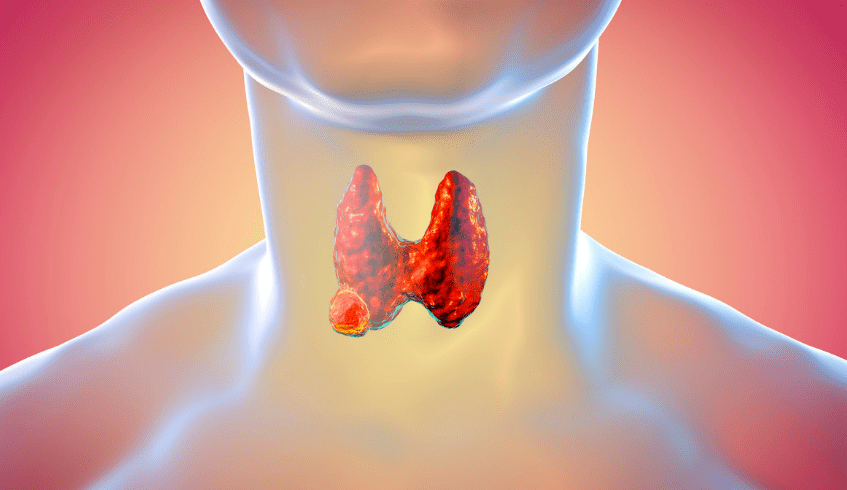
The vast majority of thyroid cancers are differentiated thyroid cancers, of which about 90% are papillary carcinomas and follicular carcinomas account for the minority. Some people say, "If I have to get a type of cancer in my life, I hope it's thyroid cancer." Because differentiated thyroid cancer is a "kind cancer" with a relatively slow progression and is not so aggressive.
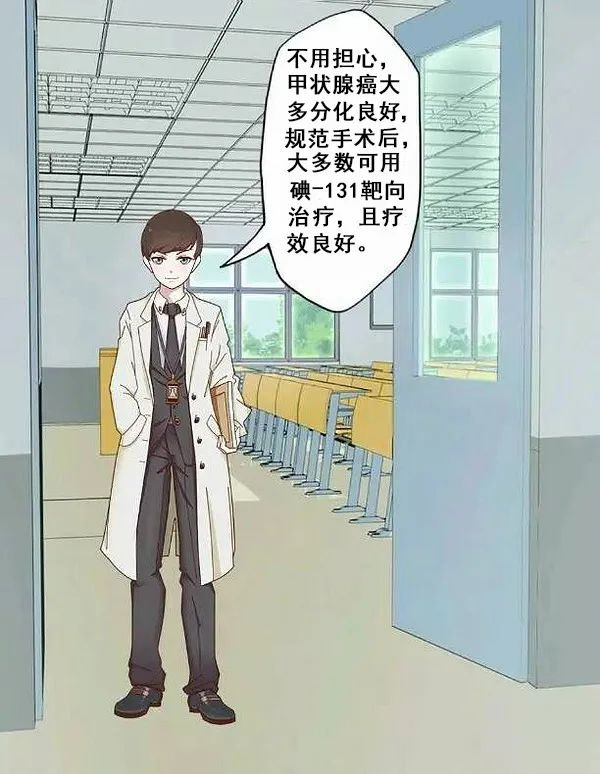
Differentiated thyroid cells have certain iodine-uptake function, which enables them to use iodine-131 for "biological missile-style" treatment, also known as the most classic targeted therapy. Currently, the most ideal treatment protocol for differentiated thyroid cancer both domestically and internationally is: surgery + iodine-131 targeted therapy + TSH suppression therapy. As long as early and reasonable treatment is implemented, the life expectancy of most patients is no different from that of normal people, and even clinical cure can be achieved.
Precautions before and after iodine-131 administration
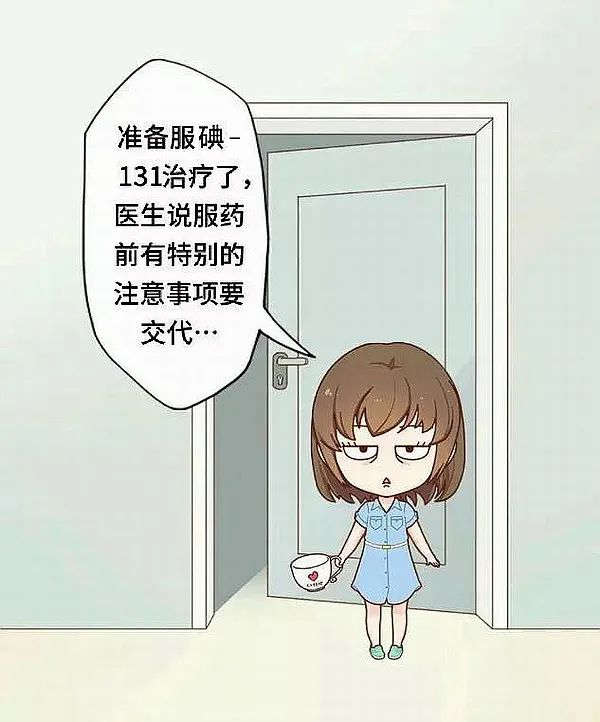
Iodine-131 is a radioactive drug, unlike ordinary medications that can be readily picked up from a regular pharmacy! Therefore, iodine-131 treatment must follow a specific procedure.
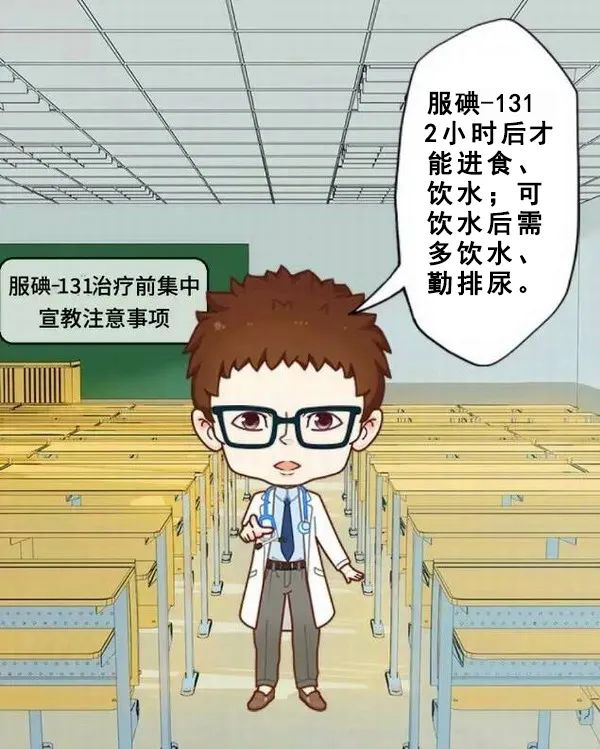
First, you should fast within 6 hours before taking iodine-131 and within 2 hours after taking it. You can drink water, but do not spit out saliva. Indeed, fasting can be uncomfortable, but please hold on to fight the disease!
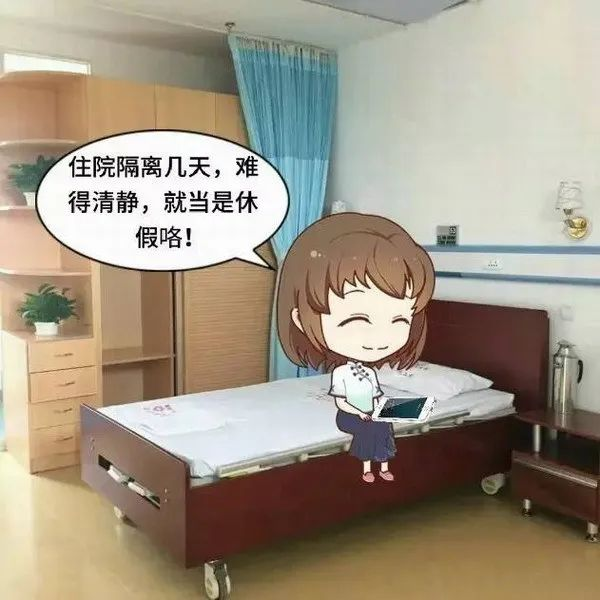
isolation required after treatment; close attention to diet
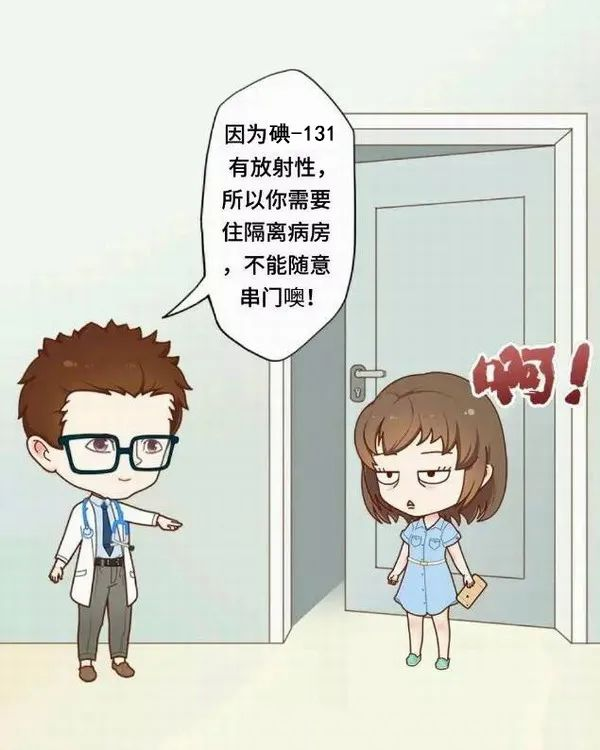
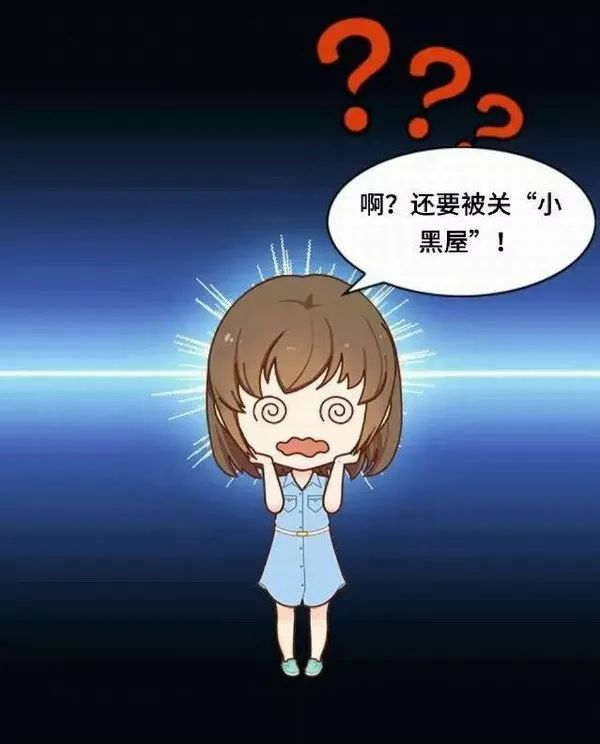
To protect those who do not need radiation therapy, you will need to be isolated!
However, the radiation from the iodine-131 you ingested is still within the safe range, so there's no need for "nuclear phobia."
close attention to diet
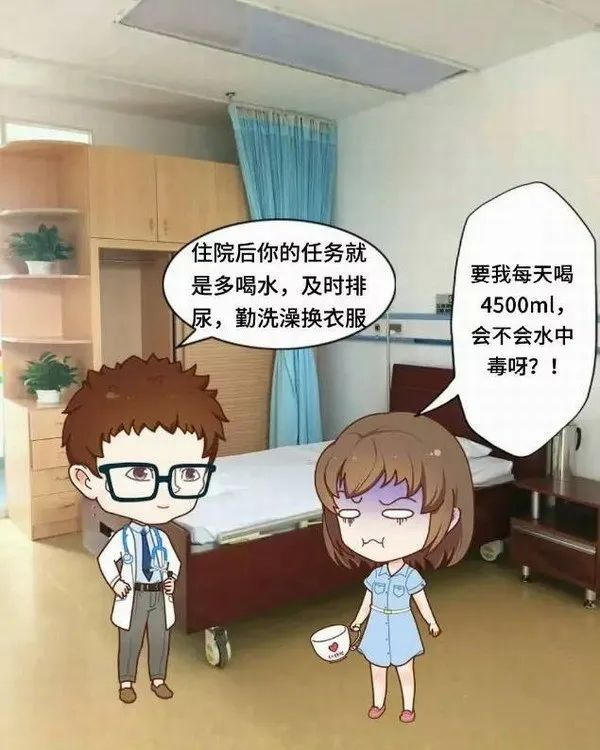
On the first day after iodine-131 treatment, drink more water—1/3 more than the normal physiological requirement, about 2000 ml per day.
On the second day, after most of the iodine-131 has been absorbed by the thyroid, it is recommended to drink plenty of water—three times more than usual, at least 3000 ml per day. Meanwhile, urinate frequently and empty the bladder in a timely manner to avoid unnecessary radiation exposure to the whole body, just like flushing a sewer!
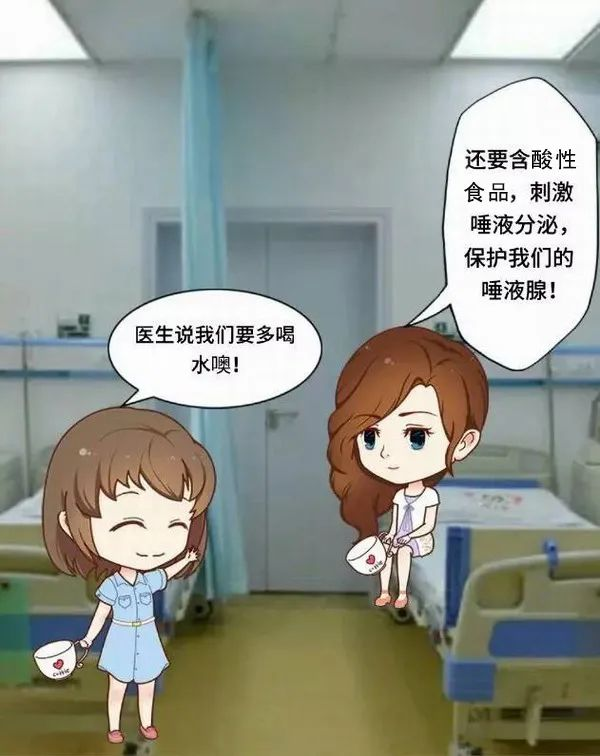
After taking iodine-131, it is recommended to continuously keep acidic foods in the mouth, such as hawthorn, lemon, vitamin C tablets, etc., to stimulate continuous saliva secretion and swallowing, which helps prevent radiation-induced sialadenitis or parotitis. It is advised to avoid pickled snacks like preserved plums and dried tangerine peel.
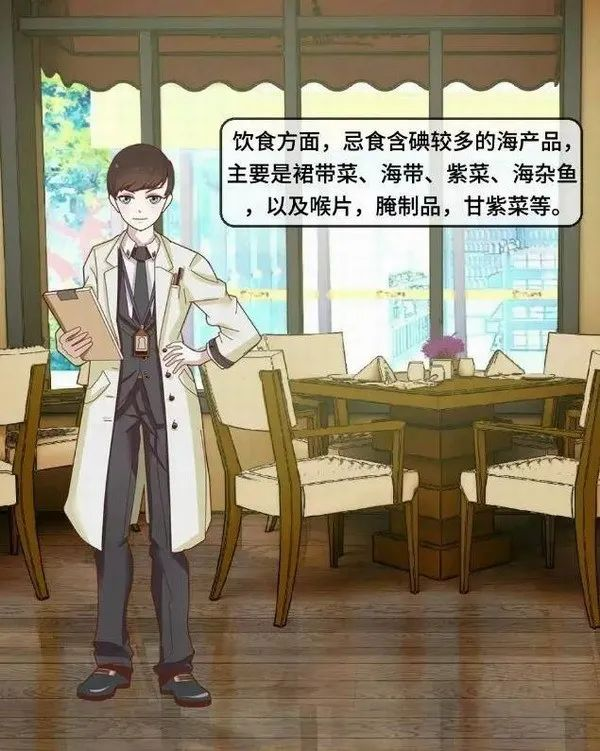
Within one month before and after hospitalization, try to avoid consuming iodine-rich foods. The highest iodine content is found in seafood, mainly kelp, laver, marine fish, and shrimp. Surprisingly, right? Next come carbonated drinks like cola, quail eggs, barbecued pork, sausages, cured meat, pickled vegetables, and other pickled products.
Hairtail, cuttlefish, and yellow croaker contain relatively less iodine. Two weeks after discharge, you can enjoy them in moderation to satisfy your cravings.
the journey against cancer hinges on perseverance.
First, you should fast within 6 hours before taking iodine-131 and within 2 hours after taking it. You can drink water, but do not spit out saliva. Indeed, fasting can be uncomfortable, but please hold on to fight the disease!
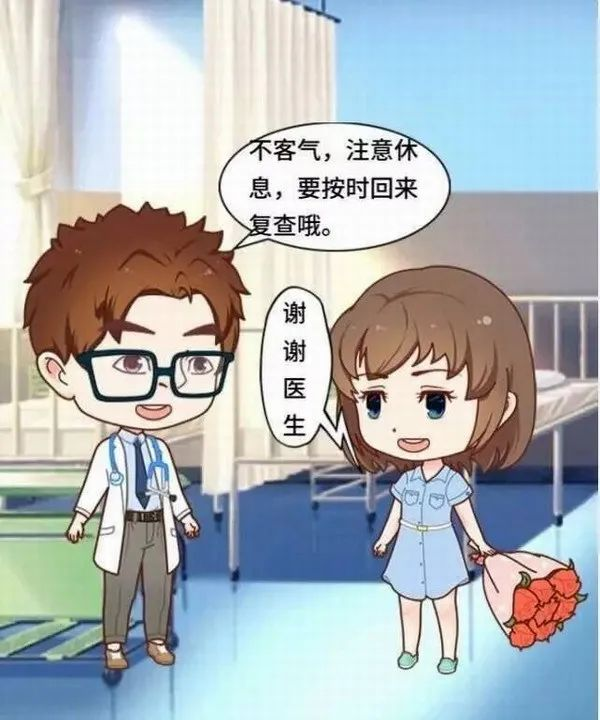
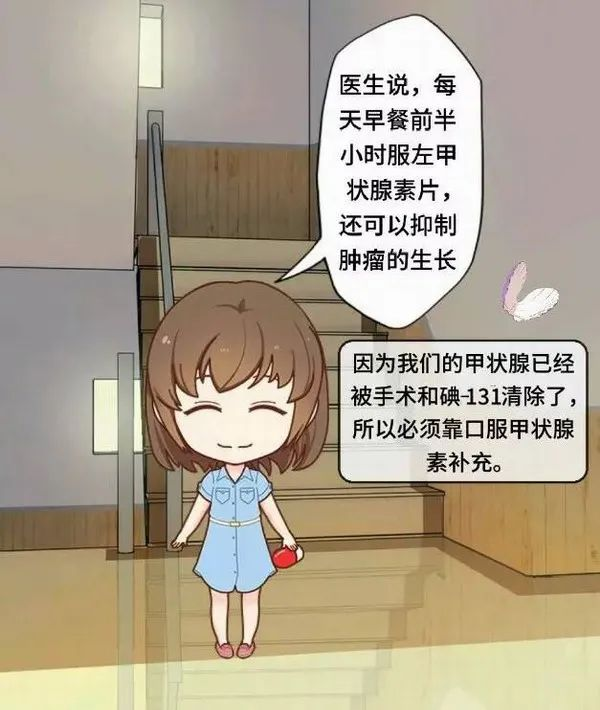
1.Take levothyroxine tablets on an empty stomach every morning. Wait at least half an hour before eating, and at least three hours before drinking soy milk, milk, or taking calcium supplements, stomach medications, etc. Remember: never stop taking the medication without medical advice.
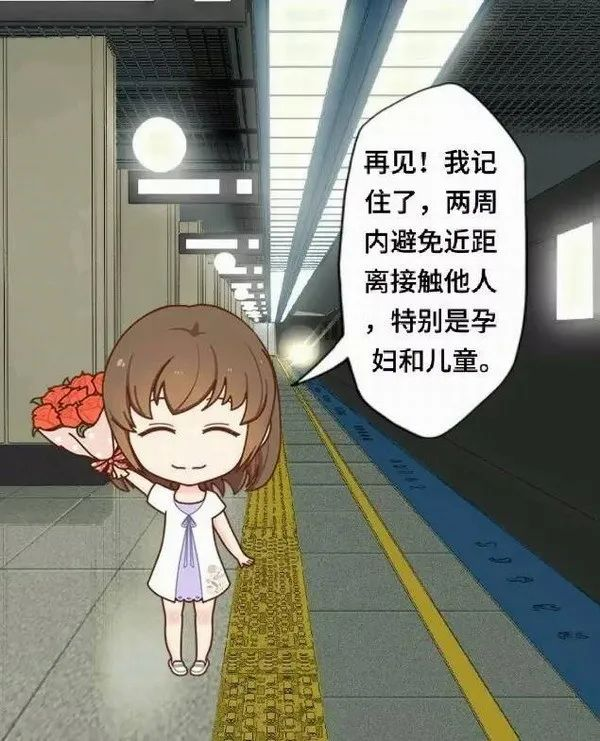
2. After taking a high-dose iodine-131 oral administration, stay isolated for at least one week. Pregnant women and infants are more sensitive to radiation, so isolation for 2 weeks to 1 month is recommended.
3. Perform a SPECT whole-body imaging 2 to 5 days after iodine-131 treatment. This uses the therapeutic dose of iodine-131 as a radiotracer to assess thyroid remnants and metastatic lesions.
4. Return to the hospital for a thyroid function test 4 to 6 weeks later to adjust the dosage of levothyroxine tablets. Depending on the condition, schedule a comprehensive review 3 to 6 months later, with a pre-arranged time to stop taking the medication before the visit.
The Nuclear Medicine Department of Gansu Wuwei Tumor Hospital is a key discipline in Wuwei and the first nuclear medicine department in the Hexi Region. It has now developed into a comprehensive clinical nuclear medicine department with extensive services in the province.
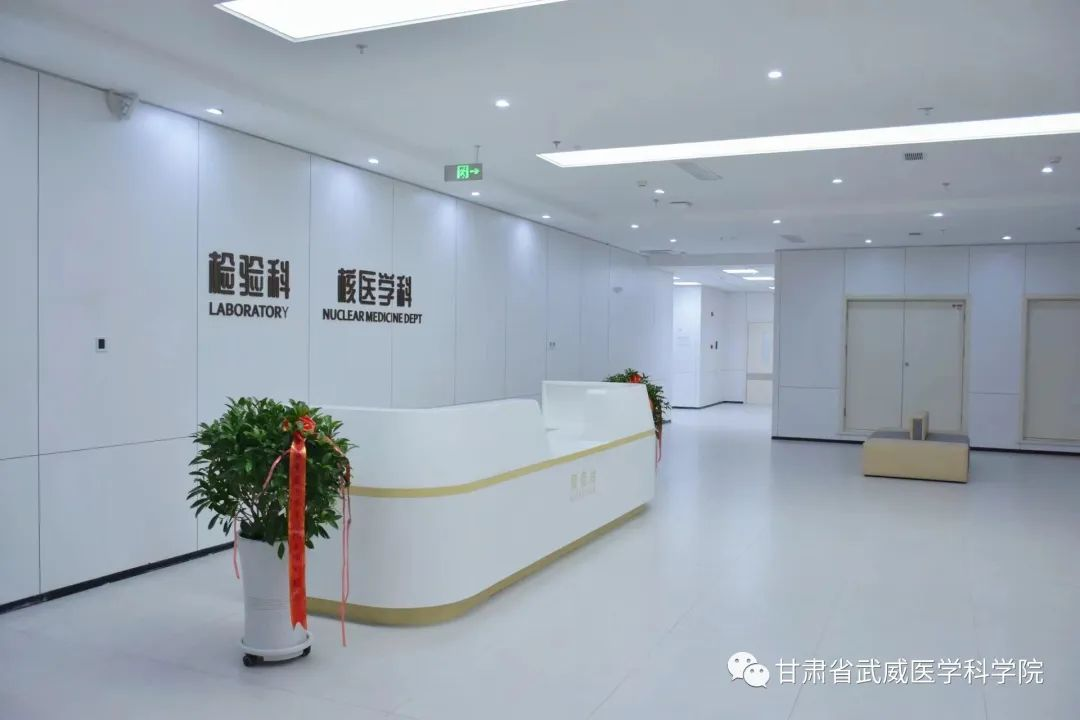
Currently, it offers SPECT/CT, PET/CT, and various radionuclide therapies. SPECT/CT functional metabolic imaging includes: whole-body bone, parotid gland, thyroid, thoracic and abdominal organ imaging, gastrointestinal bleeding localization, and functional analysis of thyroid, kidneys, and heart. PET/CT functional metabolic imaging includes: 18F-FDG for the diagnosis, differential diagnosis, staging of various malignant tumors, and PERCIST efficacy evaluation. Radionuclide therapies include: iodine-131 therapy for hyperthyroidism, autonomous thyroid adenoma, and differentiated thyroid cancer; 90Sr-90Y therapy for hemangiomas and keloids; 125I radioactive seed implantation for tumors; 89Sr therapy for bone metastases, among other nuclear medicine projects.
On May 28, 2023, the Heavy Ion Branch of Wuwei Medical Academy Tumor Hospital was completed and put into use. Meanwhile, the first-class nuclear medicine therapy ward in the province and the top-standard ward in the Hexi Region officially started operation. This marks that the nuclear medicine cause in our province has further entered the "fast lane" of high-quality development, and that the hospital has stronger capabilities, a wider service scope, more considerate services in nuclear medicine imaging diagnosis and radionuclide therapy. The comprehensive medical strength of the hospital has reached a new level, which will strongly boost the development of Wuwei's medical cause to a new stage.
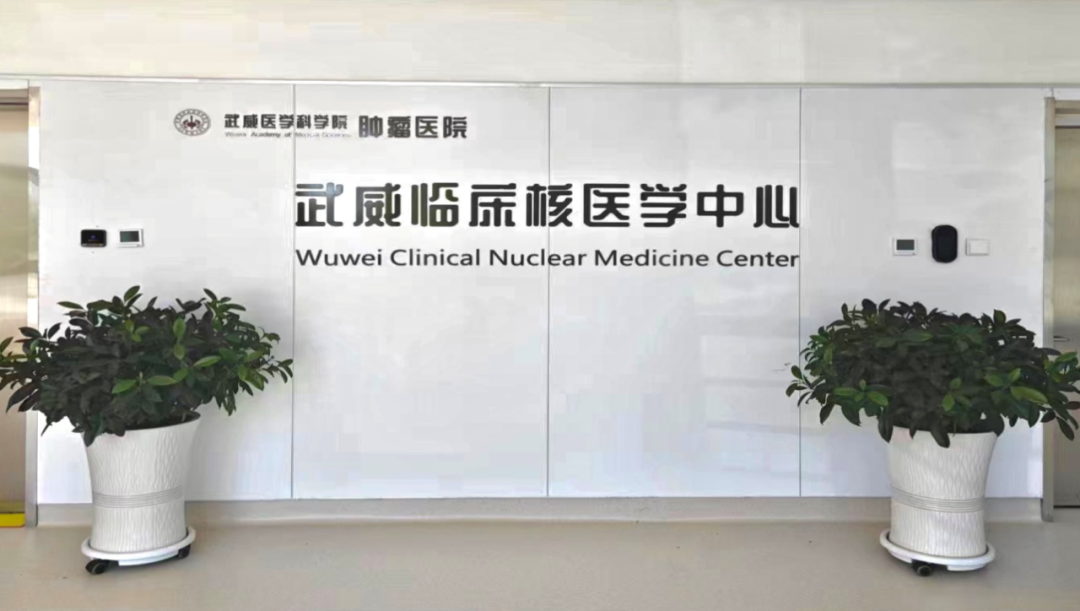
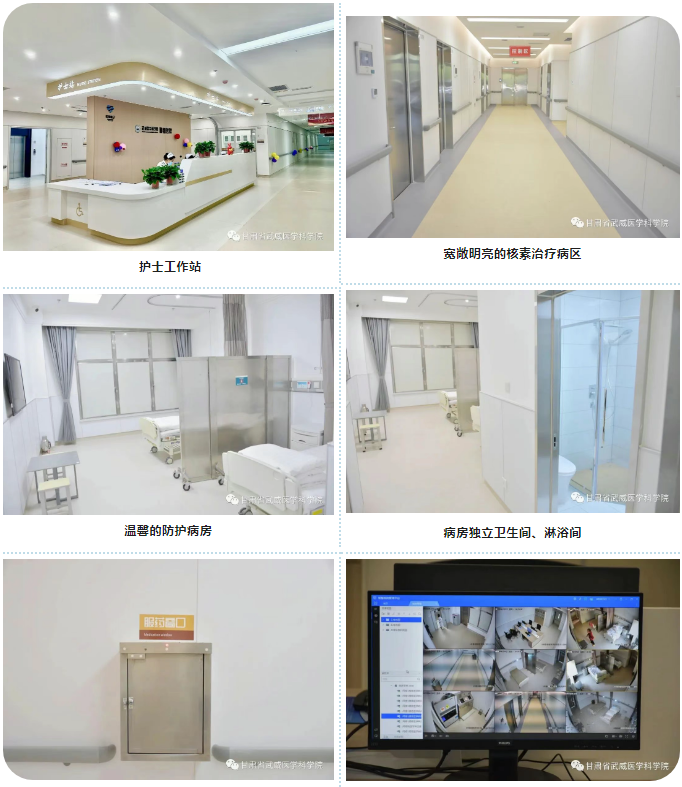
Our hospital has officially put into use the radionuclide therapy ward of the Nuclear Medicine Department, in accordance with the requirements for standardized ward construction, strictly following the layout standards of relevant radiation protection regulations, and implementing strict zonal management. The radionuclide therapy ward has a total of 8 radionuclide beds and 2 general beds. Each radionuclide ward covers an area of 30 square meters, equipped with an independent bathroom, shower room, and a standard-compliant decay pool. The ward is equipped with advanced iodine-131 dispensing and administration systems, in-vivo radioactive detection devices, and an intercom call system. The ward is warm, bright, and first-class in decoration, allowing patients to experience the warmth of home. Up to now, nearly 100 patients have completed 131I treatment.
Specialty Appointment Methods
Telephone Appointment: 0935-6989077
Specialty Clinic: Associate Chief Physician Tao Xuemei
Locations & Time:
• Heavy Ion Branch: 2nd Floor, Outpatient Department
Time: Every Monday, Wednesday, Friday
• Central Branch: 2nd Floor
Time: Every Tuesday, Thursday, Saturday