Trust Reignites Life: Heavy Ion Therapy in Gynecologic Oncology
Trust, Rekindling the Miracle of Life: Stories of Gynecologic Cancer Patients Treated with Heavy Ion Therapy"
--Precision Heavy Ion Therapy for Locally Advanced Squamous Cell Carcinoma of the Cervix
Case sharing:
Ms. Xu, a 57-year-old woman, faced immense misfortune when she was diagnosed with advanced-stage cervical cancer shortly after retiring this year—a diagnosis that ruled out radical surgical treatment, leaving her to rely solely on chemotherapy and radiotherapy. Yet, she was also extraordinarily fortunate. Under the meticulous care of the gynecologic oncology heavy ion therapy team at Wuwei Academy of Medical Sciences Cancer Hospital and guided by an MDT multidisciplinary team, she has remained recurrence- and metastasis-free two years post-treatment.

At the beginning of cancer treatment, standardized therapy yields optimal outcomes
Five years ago, Ms. Xu visited multiple hospitals in Xinjiang due to "irregular vaginal bleeding." A cervical biopsy revealed "moderately differentiated squamous cell carcinoma of the cervix." Transvaginal ultrasound showed a solid mass measuring 60×43mm in the cervix and vagina, with irregular morphology infiltrating surrounding tissues, extending upward to the lower uterine segment and downward to the vaginal canal. Pelvic MRI indicated a mass-like abnormal signal in the cervical region, with a maximum transverse diameter of approximately 50×49mm and craniocaudal extent of about 50mm, protruding into the uterine cavity superiorly and the vaginal canal inferiorly. Pathological examination confirmed: "non-keratinizing poorly differentiated squamous cell carcinoma of the upper and lower lips of the cervix." Stage III cervical cancer is classified as advanced-stage disease - a devastating diagnosis that shattered Ms. Xu's world. For advanced-stage patients, radiation therapy and chemotherapy were the only available treatment options, leaving Ms. Xu feeling hopeless about her future.
While on a flight to Beijing for a follow-up consultation, Ms. Xu and her family noticed an advertisement about heavy ion therapy for cancer. They immediately called the Wuwei Heavy Ion Center for consultation. After gathering information, they made the trip to Wuwei with their last glimmer of hope.
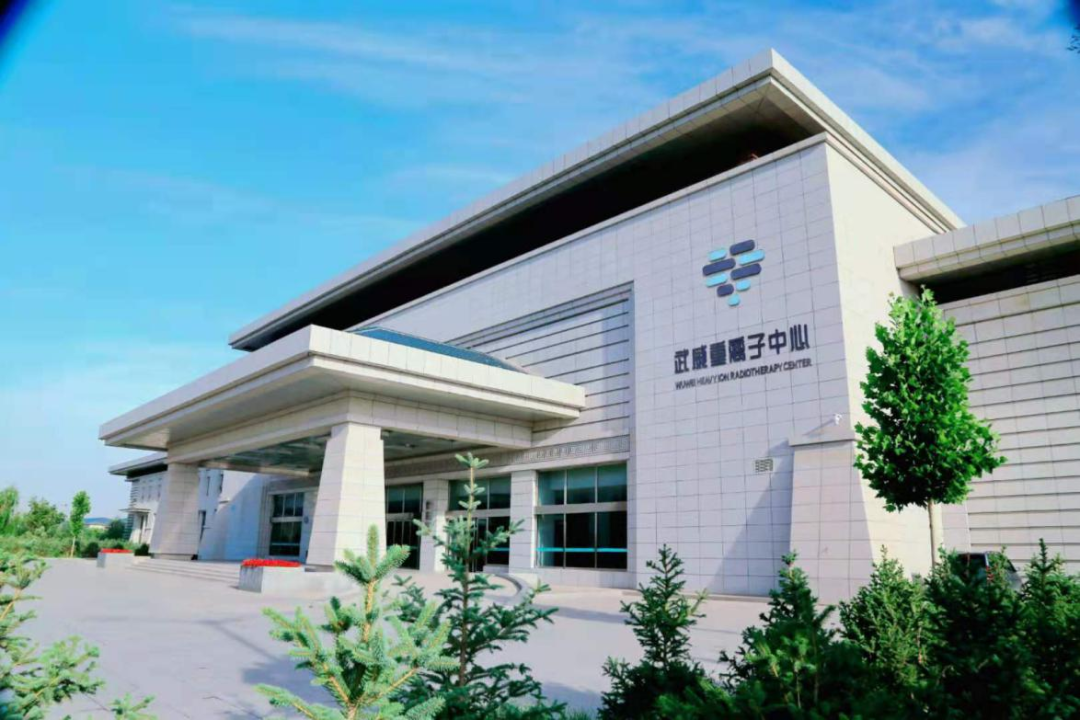
Afterward, Ms. Xu visited Director Dang Youquan's outpatient clinic at the Gynecologic Oncology Heavy Ion Therapy Department of Wuwei Academy of Medical Sciences Cancer Hospital. After examining the patient, Director Dang conducted a thorough evaluation and concluded that while the prognosis was serious, complete treatment failure was not inevitable—heavy ion therapy could still be employed to maximally reduce tumor burden, improve quality of life, and extend survival.
Prior to referral, Ms. Xu had received two cycles of TP regimen neoadjuvant chemotherapy (paclitaxel 300mg + carboplatin 600mg, intravenous drip, Q21D) at an external hospital, followed by whole-pelvis external beam radiotherapy for cervical cancer (IMRT: cervix + pelvic lymphatic drainage area: 46Gy; parametrium: 56Gy, 27 fractions), with concurrent TP chemotherapy during radiation. Upon completion of external beam radiotherapy and chemoradiation, she was referred to the Gynecologic Oncology Heavy Ion Therapy Department at Wuwei Academy of Medical and Sciences Cancer Hospital. After ruling out contraindications for radiotherapy, she commenced carbon ion radiotherapy in March 2021, receiving a total local dose of 100GyE/26 fractions, with one additional cycle of concurrent TP chemotherapy.

Ms. Xu demonstrated exceptional treatment compliance, meticulously cooperating with every blood draw and examination during therapy, which ensured a smooth treatment process. Upon completion, her vaginal bleeding completely resolved, and imaging assessments showed a partial response (PR)—meaning the aggressive advanced cervical cancer had been successfully controlled.
At her first follow-up three months post-treatment, gynecological examination revealed no palpable cervical masses. Subsequent PET-CT scans performed locally confirmed no residual or recurrent malignant lesions in the cervix. Due to transportation challenges, the patient opted for local follow-up examinations while maintaining remote consultations with the Gynecologic Oncology Heavy Ion Therapy Department at Wuwei Academy of Medical Sciences Cancer Hospital.
Now, two years later, Ms. Xu remains free of vaginal bleeding, with gynecological exams and pelvic MRI evaluations consistently showing complete response (CR). Having successfully completed 24 months of follow-up without any signs of recurrence or metastasis, her case stands as a testament to the efficacy of combining systemic therapy with precise local treatment for advanced cervical cancer.
"This case reminds us never to give up on refractory cancer patients," remarked Director Dang Youquan of the Gynecologic Oncology Heavy Ion Therapy Department at Wuwei Academy of Medical Sciences Cancer Hospital, her voice filled with reflective conviction.

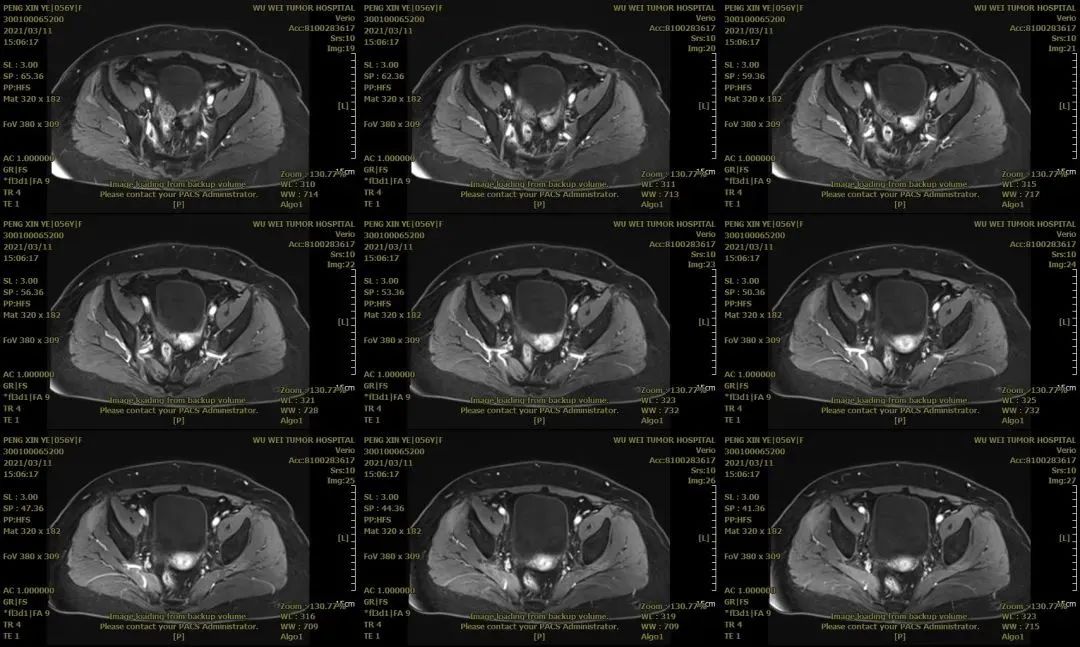
MR before heavy ion treatment in March 2021

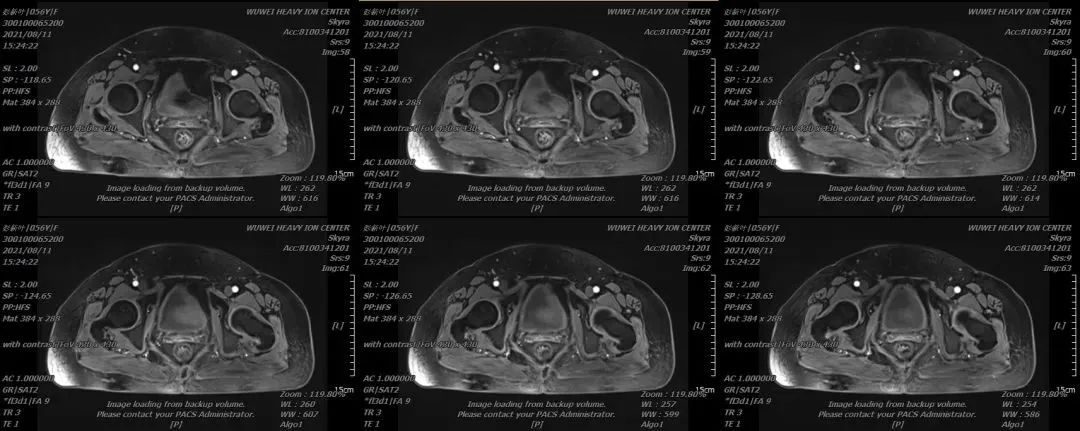
MR at 5 months after heavy ion therapy in August 2021
The patient's vaginal bleeding has completely resolved. Gynecological examinations and pelvic MRI evaluations confirmed a complete response (CR). She has now completed 24 months of follow-up with no evidence of tumor recurrence or metastasis.
Unique Advantages: Direct and Complete Tumor Eradication with Surrounding Tissue Preservation
Heavy ion radiotherapy, as an advanced radiation modality, offers unique physical and biological advantages:1. Delivers higher energy deposition to tissues over the same travel distance compared to conventional radiation beams;2. Achieves rapid energy release precisely within the tumor while minimizing damage to surrounding healthy tissues; 3. Effectively kills tumor cells independent of cell cycle phase or oxygenation status; 4. Induces irreparable double-strand breaks in tumor cell DNA, preventing proliferation; 5. Generates distinctive immunoenhancement effects, abscopal effects, and bystander effects; 6. Demonstrates significantly higher relative biological effectiveness (RBE); 7. Causes less pain and fewer complications. Compared to conventional photon radiotherapy, carbon ion therapy achieves superior therapeutic outcomes while producing fewer adverse reactions.
Excellent Local Control: Carbon ion therapy achieves a local control rate of 63-100% for locally advanced cervical cancer.
According to the National Comprehensive Cancer Network (NCCN) guidelines, radiotherapy/concurrent chemoradiotherapy is the standard treatment for cervical cancer, except for stage IA cases. Tumor size is recognized as a critical prognostic factor in radiotherapy/concurrent chemoradiotherapy for cervical cancer. Toita et al. reported that patients with larger tumor diameters after concurrent chemoradiotherapy showed decreased local control and survival rates, with 2-year pelvic control rates of 72% and 54% for tumors measuring 5-7 cm and >7 cm, respectively. Similarly, Parke et al.'s study identified a comparable trend, where cervical cancer patients with tumors >6 cm exhibited a 5-year local control rate of merely 47.7%.
Therefore, improving the local control rate of large cervical tumors remains an unresolved clinical challenge. Additionally, larger tumor diameter is a well-established risk factor for distant metastasis. In cervical cancer patients treated with carbon ion therapy, the 10-year local control rates for stage II, III, and IVA disease were 100%, 74%, and 63% respectively. Notably, no significant difference in local control was observed between tumors >6 cm and ≤6 cm. Carbon ion therapy demonstrates favorable local control outcomes for locally advanced cervical cancer while maintaining minimal radiation toxicity and mild adverse effects.
Meanwhile, cervical adenocarcinoma demonstrates relatively lower radiosensitivity compared to squamous cell carcinoma. Previous studies reported 5-year local control rates of 36%-58% for cervical adenocarcinoma treated with photon-based concurrent chemoradiotherapy, often accompanied by distant metastases. Wakatsuki et al. documented a 5-year local control rate of 55% in cervical adenocarcinoma patients receiving carbon ion therapy alone. A recent phase I/II trial further demonstrated 2-year local control and overall survival rates of 71% and 88% respectively, in patients undergoing concurrent cisplatin chemotherapy with carbon ion therapy.
Furthermore, carbon ion beams may more effectively overcome radiation resistance induced by tumor hypoxia. Generally, larger tumors contain greater hypoxic components. Suzuki et al. reported that hypoxic cervical tumors exhibited lower local control rates following conventional radiotherapy. In contrast, Nakano et al. demonstrated favorable local control rates after carbon ion therapy in both hypoxic and well-oxygenated tumors. Consequently, carbon ion radiotherapy represents an effective treatment option for radioresistant cervical cancer patients with large tumors or adenocarcinoma histology.
Heavy ion therapy demonstrates significantly superior outcomes for locally advanced cervical cancer compared to other radiotherapy modalities.
Introduction to Wuwei Heavy Ion Center
The Heavy Ion Center at Wuwei Cancer Hospital of Gansu Academy of Medical and Science is China's first clinical application center for heavy ion therapy systems. Since its official clinical launch in March 2020, it has been successfully operating for four years. To date, our center has treated 1,200 patients, achieving excellent therapeutic outcomes for challenging tumors in areas such as the head, pancreas, and lungs, with patients coming from across the country. Building on three years of successful operation, the center has established China's first comprehensive cancer rehabilitation town. This facility features an integrated, whole-lifecycle health management system that combines: tumor comprehensive therapy, dietary management therapy, mental-physical health management, traditional Chinese medicine diagnosis and treatment, rehabilitation physiotherapy, biological immune cell therapy, horticultural therapy, and cultural therapy.
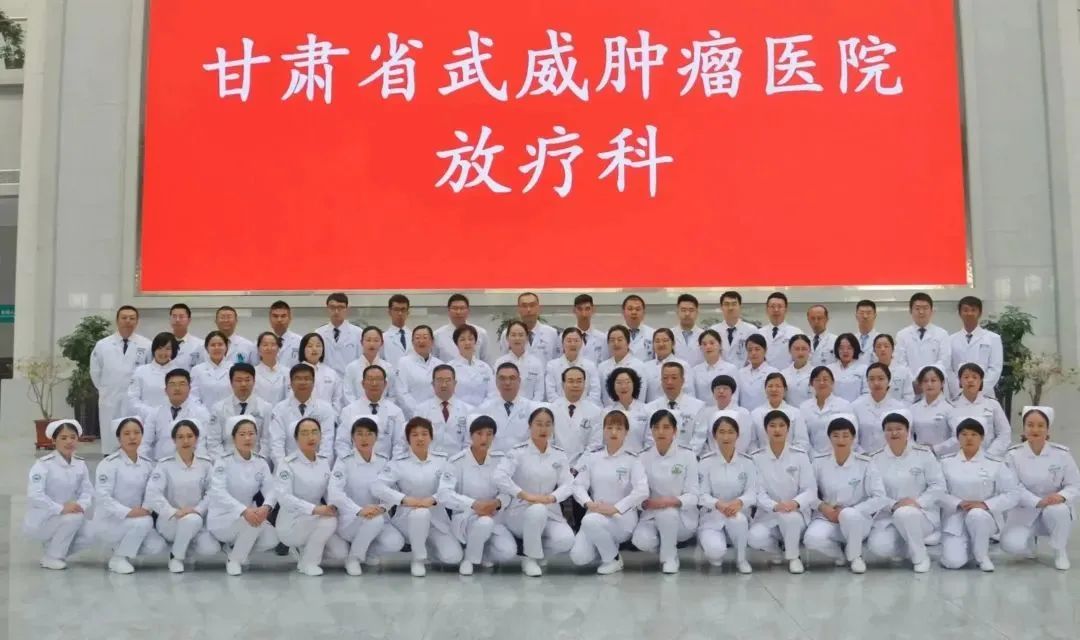
Department Introduction
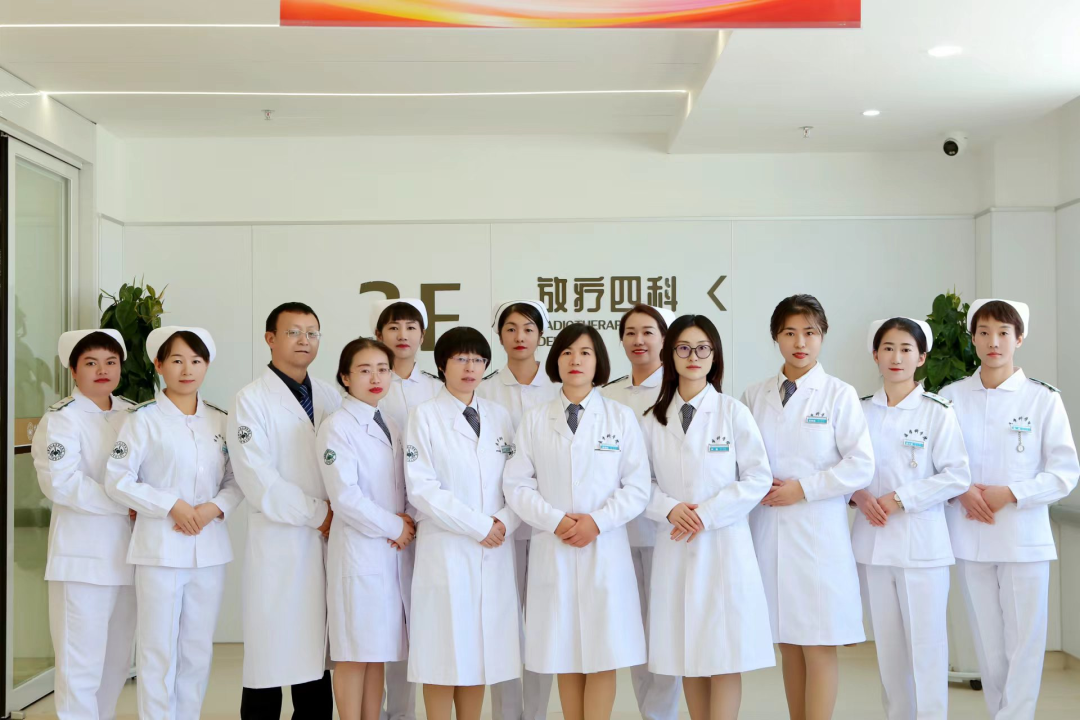
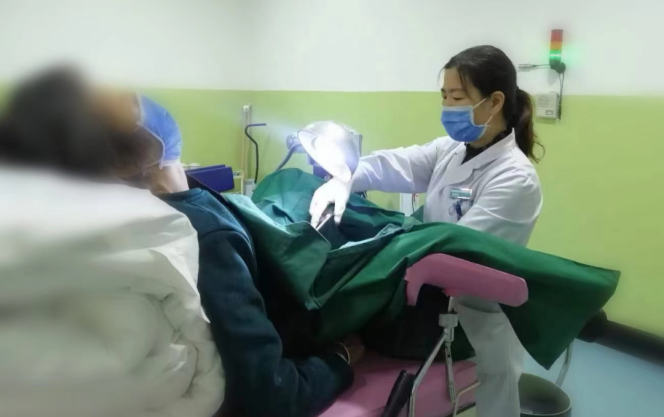
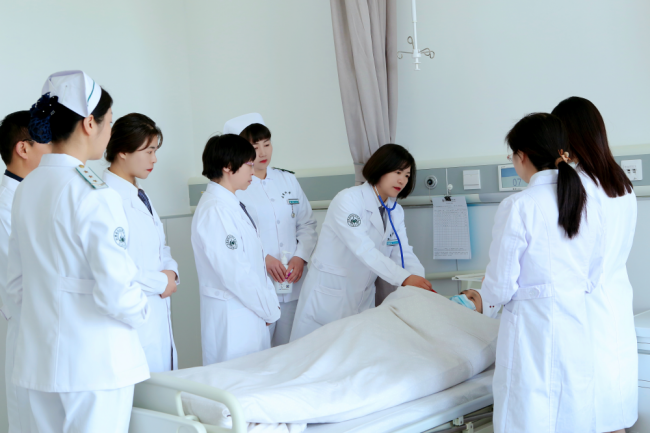
Department of Gynecologic Radiation Oncology primarily focuses on heavy ion and photon radiotherapy for breast cancer, cervical cancer, endometrial cancer, ovarian cancer, vaginal cancer, and vulvar cancer. The department currently has 13 staff members, including 2 associate chief physicians. We have appointed Professor Liu Zi from the First Affiliated Hospital of Xi'an Jiaotong University and Professor Li Sha from the 940th Hospital of the Joint Logistics Support Force of the Chinese People's Liberation Army as visiting professors. Under the long-term guidance of Professor Yee-Min Jen and Professor Jia-Ming Wu from Taiwan, the department conducts clinical work and research activities. Department personnel have received advanced training at renowned domestic and international oncology institutions, including Sichuan Cancer Hospital, Beijing 301 Hospital, Peking University Third Hospital, Zhejiang Cancer Hospital, Sun Yat-sen University Cancer Center in Guangdong, and the Shanghai Proton and Heavy Ion Center. The department offers a full range of state-of-the-art radiotherapy techniques, including heavy ion therapy, stereotactic radiotherapy, SRS/SABR/SBRT, intensity-modulated radiotherapy (IMRT) with rotational/static arcs, image-guided radiotherapy (IGRT), three-dimensional conformal radiotherapy (3D-CRT), brachytherapy with 3D planning, and hyperthermia.
Contact us
Contact number: 4006096666 Director Dang: 13893580468
Medical address: Gynecological Tumor Heavy Ion Treatment Department, Heavy Ion Center, Gansu Wuwei Academy of Medical and Science Cancer Hospital