Colorectal Tumor Patient Discharge Care Instructions
Colorectal Tumor Patient Discharge Care Instructions
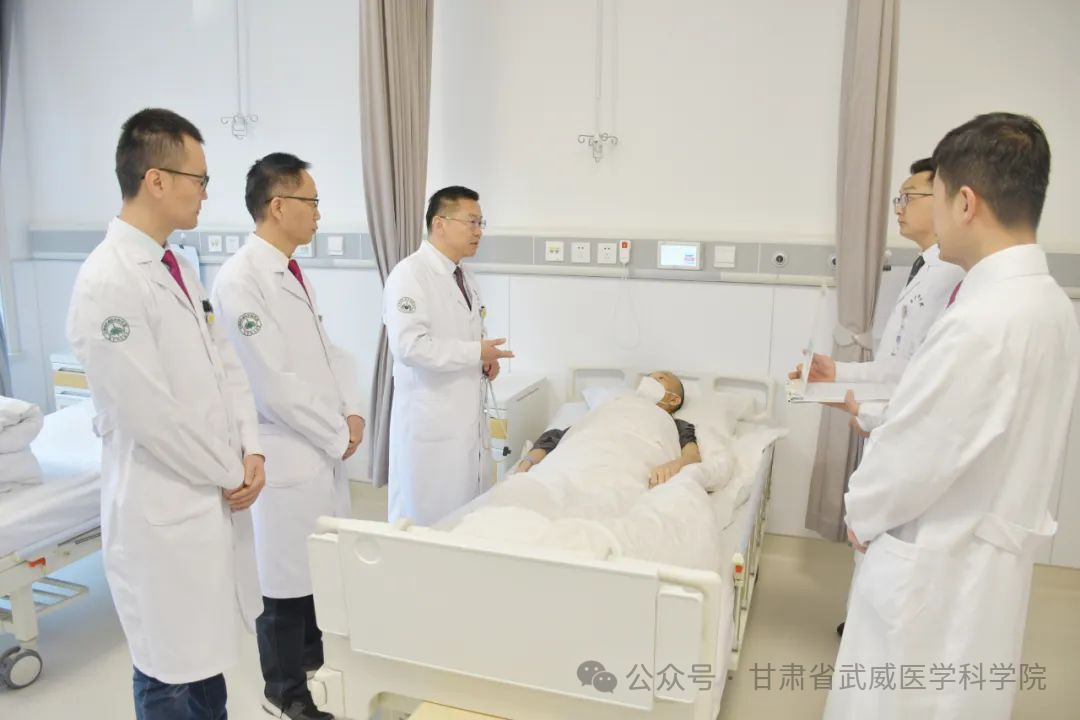
Dear Patients and Families, thank you for choosing the Gastrointestinal Surgery Department of Wuwei Academy of Medical and Science Cancer Hospital—a provincial key specialty—for your treatment. Discharge does not mark the end of your care. Colorectal cancer requires a comprehensive, multimodal approach, with surgery being only the first step. Based on your condition, we may arrange follow-up treatments such as chemotherapy, radiotherapy, targeted therapy, and regular follow-up examinations. We hope the following information will be helpful to you.
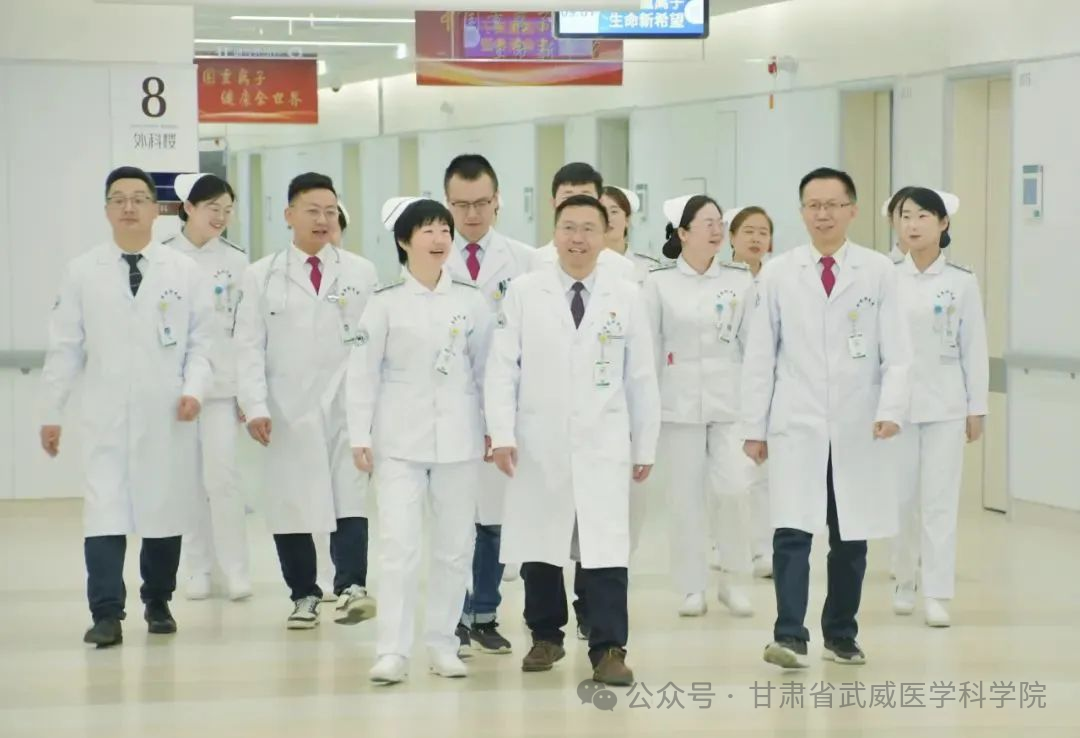
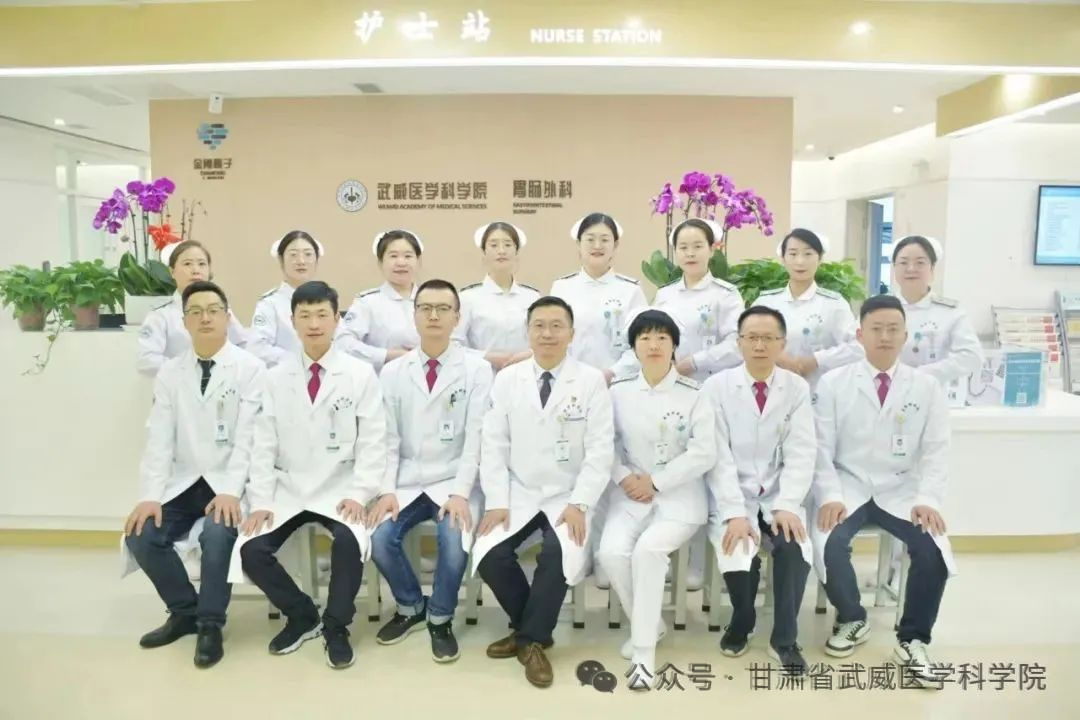
Gastrointestinal Surgery Department and Nursing Team
【Dietary Guidelines】
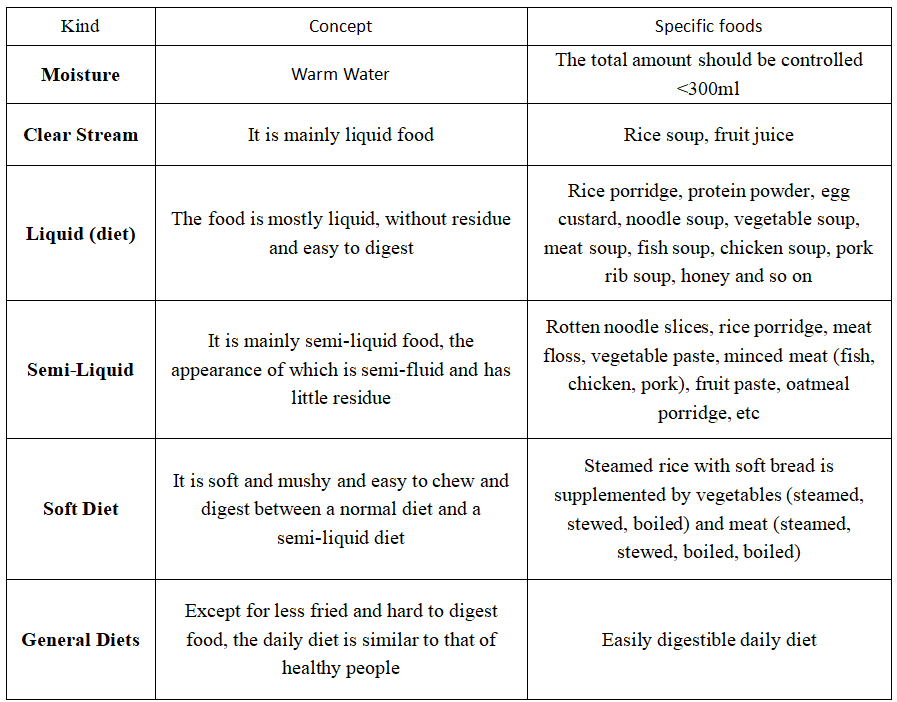
1. Eat small, frequent meals, gradually increasing intake. Ensure no bloating, vomiting, or bowel obstruction after eating.
2. Have 5–6 meals per day, including three main meals and two to three snacks in between. Stop eating when you feel about 70% full.
3. Maintain a regular eating routine. Prioritize high-protein and potassium-rich foods. Avoid raw, cold, hard, spicy, or overly hot foods; limit fried and stir-fried dishes; and avoid coarse grains (e.g., millet, beans, corn, nuts). Develop a habit of regular bowel movements.
4. Consume moderate amounts of dietary fiber-rich foods, such as spinach, Chinese cabbage, oranges, and apples. Fiber helps promote intestinal motility and reduces the contact time between toxins in stool and the colon lining.

5. Avoid alcoholic beverages and minimize gas-producing foods such as onions, sweet potatoes, and carrots. Limit persimmons, raisins, and stuffed foods (e.g., dumplings, buns, fried dough pockets), as they may increase the risk of intestinal obstruction. Reduce intake of high-fat and high-cholesterol foods.
6. Incorporate immune-boosting foods into your diet in a balanced manner.
7. One month after surgery, you may gradually resume a normal, balanced diet based on your recovery progress.
【Activity and Exercise】
1. Gradually resume physical activity after discharge, as it aids recovery and appetite restoration—pace yourself according to your ability.
2. Avoid strenuous exercise and heavy physical labor for six months.
3. For patients with an ostomy, wearing an ostomy support belt can help prevent prolapse and parastomal hernia.
4. It is recommended to gradually return to work (non-strenuous) 1–3 months after discharge to resume normal daily life.
5. Sexual activity can typically be resumed 2–3 months postoperatively. While surgery may temporarily affect sexual function, consult your doctor if you experience any abnormalities.
1. Dietary adjustments: Opt for a light diet high in protein, calories, vitamins, and easy-to-digest foods with moderate fiber content.
2. Postoperative diarrhea or frequent bowel movements: For patients with more than 10 loose stools per day, oral administration of compound diphenoxylate or loperamide may be considered until stool consistency normalizes.
3. Reduced bowel movements (constipation): Consume foods that aid defecation (e.g., fruits, vegetables). If necessary, take laxatives (e.g., lactulose oral solution) to relieve symptoms.
4. Anal pain and discomfort: Sitz baths with warm water or 1/5000 potassium permanganate solution can reduce anal inflammation and edema, promoting the recovery of anal sphincter function and defecation reflex. Specific measures: Use water at around 40°C, soak for 10 minutes per session, 1-2 times daily. Avoid prolonged squatting during sitz baths to prevent increased abdominal pressure and tension on the anastomosis.
5. Anal function exercises: Kegel exercises can improve local blood circulation and reduce hemorrhoidal venous congestion and dilation. Method: With legs together and buttocks contracted toward the anus, perform anal lifting and tightening exercises during deep breathing. Repeat 20-30 times per session, 1 session every 3-4 hours. Can be practiced standing, sitting, or lying down. Kegel exercises are generally recommended to begin half a month after surgery.
Special note for stoma patients: For those with ileal protective stomas, digital examination of the anastomosis should be performed one month postoperatively to prevent delayed stoma reversal due to anastomotic stenosis.
【Postoperative Condition Monitoring】
After discharge, please closely observe for any of the following symptoms and seek immediate medical attention if they occur:
①Abdominal distension, pain, absence of gas/flatus or bowel movements, accompanied by nausea or vomiting;
②Persistent unexplained high fever with temperature exceeding 38°C;
③Wound or drainage site bleeding, redness, swelling, pain, or purulent discharge;
④Bloody stools, stoma prolapse, or abnormal blood supply to the stoma.
Important: In case of emergency, promptly contact the on-duty physician (Phone: 0935-6989802).
【Regular Treatment and Follow-up】
Due to the high risk of recurrence and metastasis in tumor diseases, it is essential to strictly adhere to the follow-up treatment and examination schedule prescribed by your doctor after surgery. Generally, follow-up examinations should be conducted every three months within the first two years postoperatively, then every six months from the second to the fifth year.
Being diagnosed with colorectal cancer can be overwhelming, but there's no need to feel anxious or fearful. Approach this challenge with a positive and optimistic mindset, and firmly believe in your ability to overcome the disease. We strongly encourage you to actively cooperate with our medical team's treatment and care plans. Together with your family, we will work as one to control and ultimately conquer this cancer, supporting you every step of the way toward a full recovery and return to normal life.
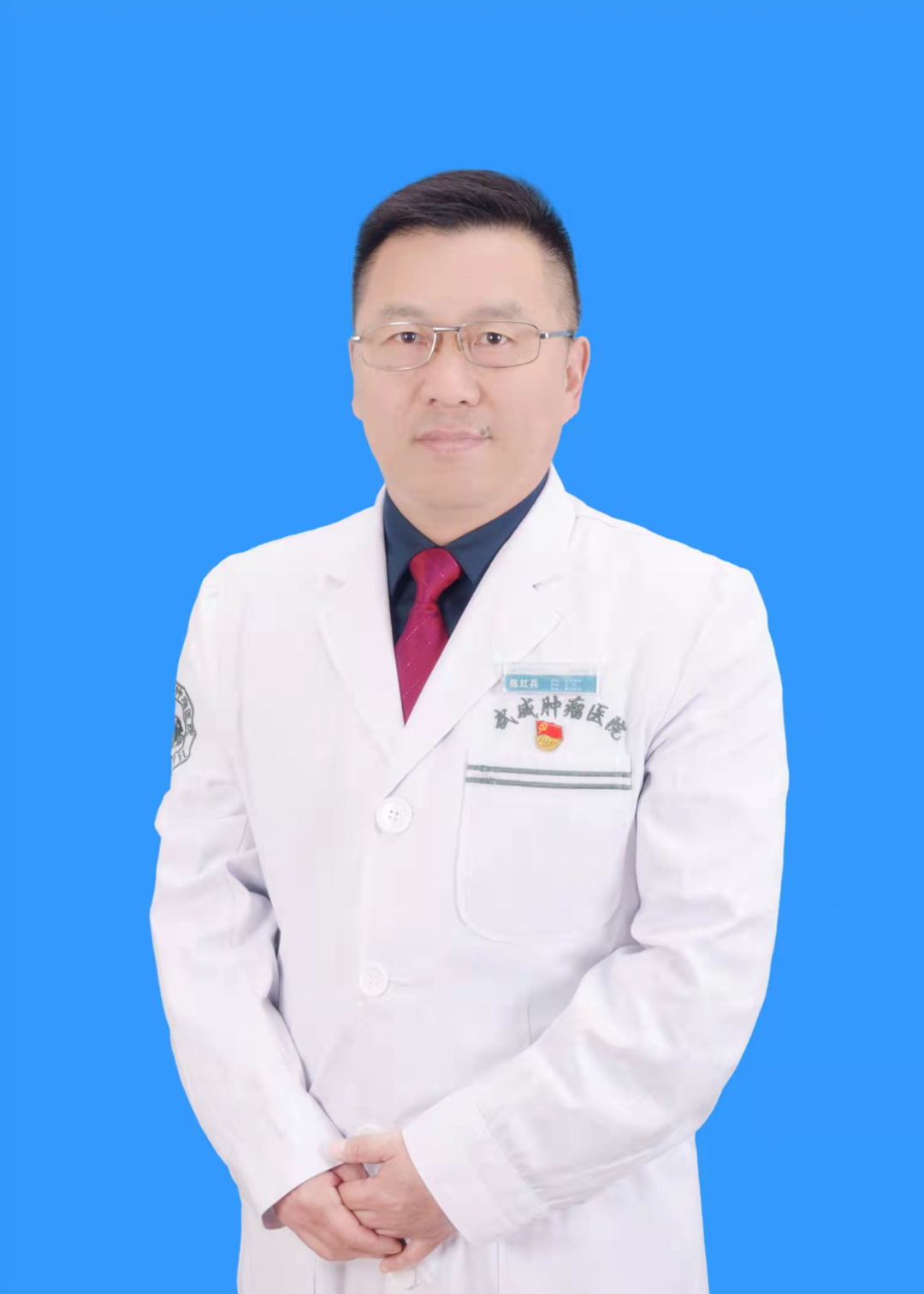
Chen Hongbing
Director of Gastrointestinal Surgery Department, Wuwei Academy of Medical and Science Cancer Hospital, Gansu Province
Second-Level Chief Physician
●Provincial Key Discipline Leader
● Director of Gastrointestinal Surgery and Medical Affairs Department, Wuwei Cancer Hospital
● Expert Member of Gansu Provincial General Surgery Quality Control Center
● Expert Enjoying Special Allowance for Senior Professional Technicians in Gansu Province
● Deputy Director of Colorectal Cancer Committee, Gansu Anti-Cancer Association
● Vice President of Gansu Branch Alliance, China Colorectal Cancer MDT Alliance
● Executive Director of China Rectal Cancer Sphincter-Preservation Alliance; Standing Committee Member of Gastrointestinal Oncology Committee, Chinese Anti-Cancer Association
● Deputy Director of Longyuan Gastroenterology Alliance
● Vice President of the 1st Gansu Provincial Physicians Association Oncology Branch
● Standing Committee Member of Colorectal Cancer Committee, Gansu Alliance of China Anti-Cancer Alliance
● Deputy Director of Medical Robotics Branch, Gansu Physicians Association
● Committee Member of Weight Loss and Metabolic Disorders Branch, Gansu Physicians Association
● Deputy Director of General Surgery Committee, Wuwei Medical Association
Specializes in standardized D2 radical gastrectomy and D3 radical resection for colorectal cancer; pioneered laparoscopic and robotic standardized radical surgeries for gastric and colorectal cancers, laparoscopic sphincter-preserving surgery for low rectal cancer (ISR and Bacon procedures), and laparoscopic/robotic NOSES techniques for colorectal cancer in our province 12 years ago. Completed 6 research projects, awarded 3 municipal second prizes and 2 provincial third prizes for scientific and technological progress. In 2022, successfully executed 1 project under the National Health Commission, and in 2023, led 1 key R&D program in Wuwei City.
Contact information: Chen Hongbing 13884560164
Clinic hours at the center campus: Monday, Tuesday, Thursday, Saturday
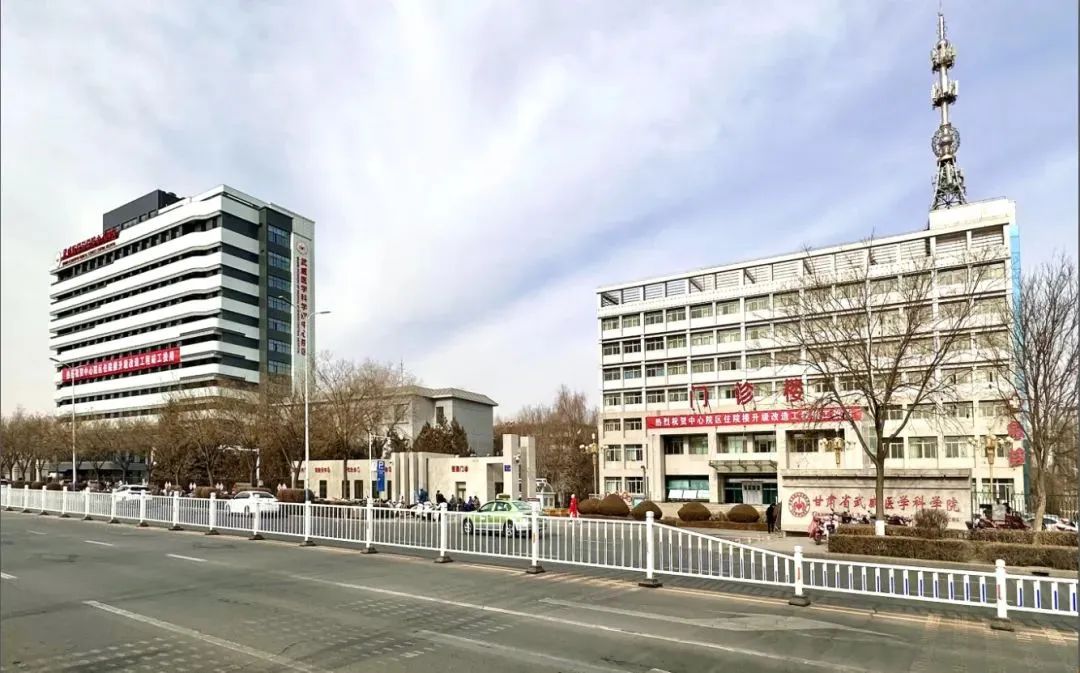
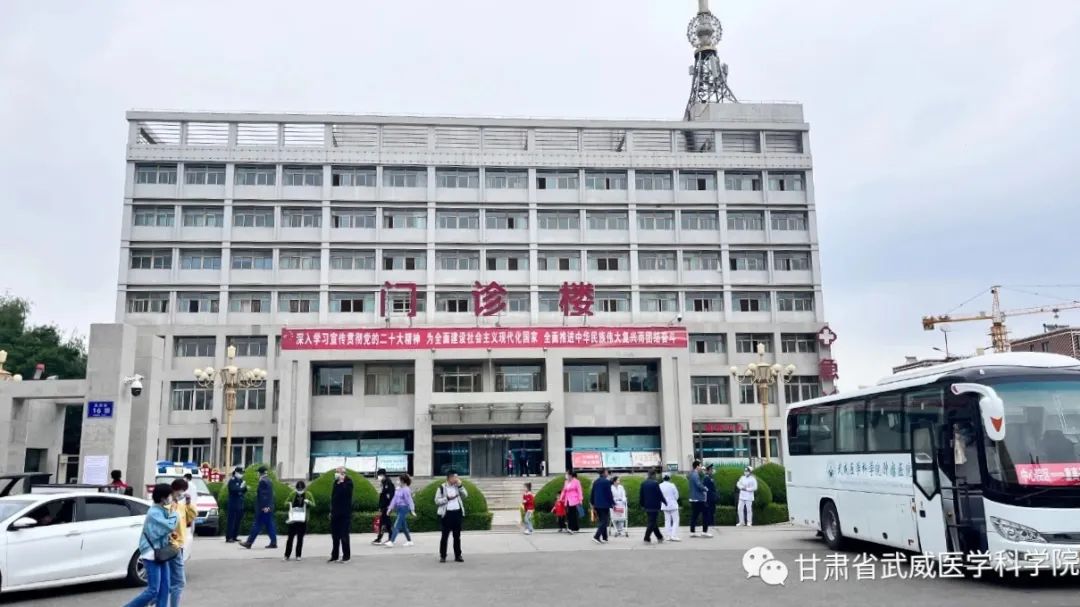
Center campus overview