Amputation or Heavy Ion Therapy? A New Hope for Patients
Amputation or Heavy Ion Therapy? A New Hope for Patients
When it comes to tumors, most people instinctively associate them with elderly diseases. However, there is a type of malignant tumor whose incidence is rising steadily, predominantly affecting children and adolescents under 20 years old.
It ranks as the most common primary malignant bone tumor in adolescents and young adults—malignant osteosarcoma. In China, the annual incidence among children and adolescents is approximately 3–5 cases per million. The incidence is higher in males than in females, with a male-to-female ratio of about 3:2.

The early symptoms of osteosarcoma are often subtle and may be easily overlooked by patients and their families. As a result, many patients are diagnosed at an advanced stage, leading to a poor prognosis.
The most common site of osteosarcoma is around the knee joint, followed by the thigh and upper arm. This aggressive malignancy progresses rapidly, with a generally poor prognosis. The primary cause of death in advanced osteosarcoma cases is lung metastasis.
Ⅰ. Facing an Extremely Low Cure Rate, Is There Still Hope for Them to Walk Again?
Osteosarcoma can strike at any age, but approximately 75% of patients are diagnosed between 10 and 20 years old. This means many families face devastating emotional trauma, with parents often feeling helpless as they watch their child suffer from this relentless disease.
Even with treatment, limb function is frequently compromised, leaving families struggling to choose between limited therapeutic options.

Xiao Chen (a pseudonym), a 12-year-old boy, is one of the unfortunate victims of osteosarcoma. His malignant bone cancer was incidentally detected during an MRI scan following a sports injury. For Xiao Chen's mother, learning that her child had this disease felt like the sky had fallen on her.
For Xiao Chen himself, life had just begun. At an age when he should have been running freely on the playground, embracing youthful vigor, he now sits paralyzed in a wheelchair, gazing at his swollen knee. He endures the excruciating pain of repeated chemotherapy treatments for osteosarcoma, clinging to the hope that an artificial joint will one day return him to the playground...

With his mother by his side, he gritted his teeth and persevered through every challenge. Yet the cruel reality remained - his life could be cut short at any moment.
Even teetering on the brink of death, mother and son refused to give up. Through their unyielding determination, they finally discovered a cutting-edge new cancer treatment technology.
Ⅱ. What Are the Symptoms of Osteosarcoma?
In the early stages, osteosarcoma symptoms may be subtle, but as the disease progresses, patients may experience the following manifestations:
- PainEarly pain is often intermittent and localized, worsening with activityGradually transitions from irregular, dull aches to persistent, severe pain that becomes unbearable
- Swelling/MassSwelling and palpable lumps around joints, often accompanied by increased skin temperature and restricted joint movementAs the condition worsens, visible swelling and tender lumps develop at the painful site, with noticeable tenderness upon palpation
- Limited MobilityPain-induced limping (antalgic gait) that progressively worsensProlonged cases may lead to joint stiffness and muscle atrophy
- Systemic SymptomsGeneral malaise including fever, fatigue, weight loss, and anemia, potentially progressing to physical exhaustionIn rapidly progressing cases, early lung metastasis may occur, significantly worsening overall healthPathological fractures at the tumor site can markedly intensify symptoms
Differential Diagnosis Note:
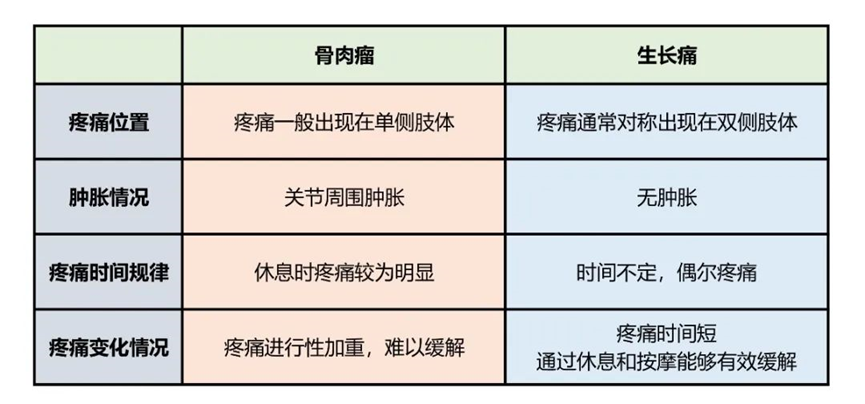
Since osteosarcoma predominantly affects adolescents, its symptoms should be carefully distinguished from normal growth-related pains in this age group.
Ⅲ. What Are the Standard Treatment Methods for Osteosarcoma?
- Surgical TreatmentThe goal of surgery has evolved from merely saving the patient's life to maximizing the preservation of limb function.
- ChemotherapyAdministered preoperatively to eliminate subclinical tumor cells and reduce the surrounding reactive zone, thereby creating favorable conditions for limb-salvage surgery.
- RadiotherapyAs one of the primary treatment modalities, although osteosarcoma is relatively radioresistant, radiotherapy remains an effective component of comprehensive limb-sparing treatment approaches.

Ⅳ. Could Domestic Heavy Ion Accelerator Devices Be Their New Hope?
Heavy ion therapy, one of the most cutting-edge cancer treatment technologies emerging in recent years, was first proposed and implemented by American researchers in the 1970s. Today, China has achieved complete independent domestic R&D of heavy ion accelerators, marking a significant milestone in the treatment of malignant tumors such as osteosarcoma.
The heavy ion treatment process can be described in two words: simple and quiet. Patients may undergo the entire course of treatment with little to no sensation or discomfort, opening up new possibilities in cancer care. Compared to conventional radiotherapy, heavy ion therapy offers superior precision, enhanced efficacy, and significantly lower recurrence rates.