China's Heavy Ion Revolution: From Gobi Frontier to Global Standard-Setter
China's Heavy Ion Revolution: From Gobi Frontier to Global Standard-Setter
Lanzhou, May 28—At the cultural landmark Reader Publishing Group, Gansu Wuwei Cancer Hospital's Heavy Ion Center launched its seminal China's Heavy Ions: New Hope for Life series. This eight-volume compendium—encompassing titles from Carbon Ion Radiotherapy Standard Operating Procedures to Holistic Cancer Rehabilitation Management—codifies thousands of clinical cases and hundreds of innovations, transforming China from technology adopter to global standard-bearer.
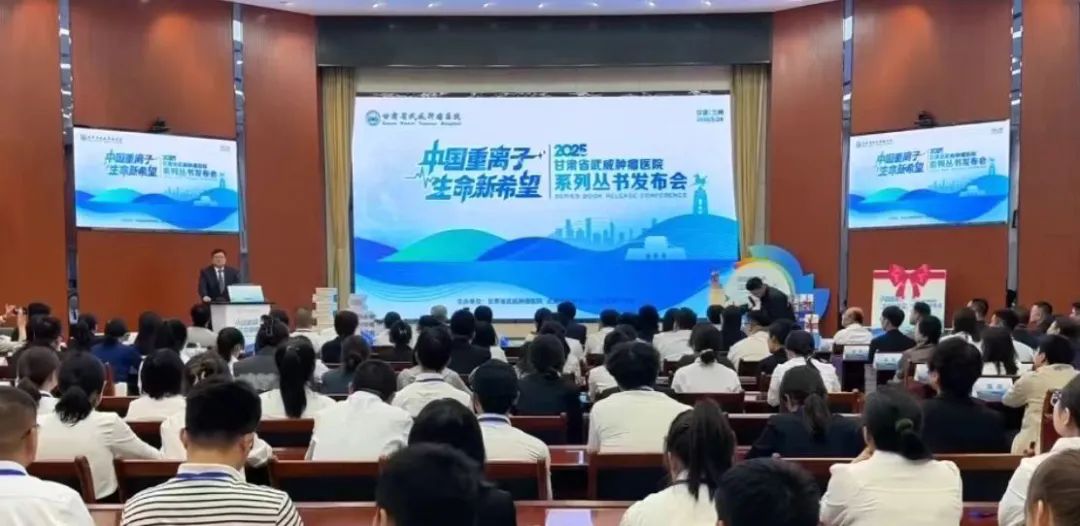
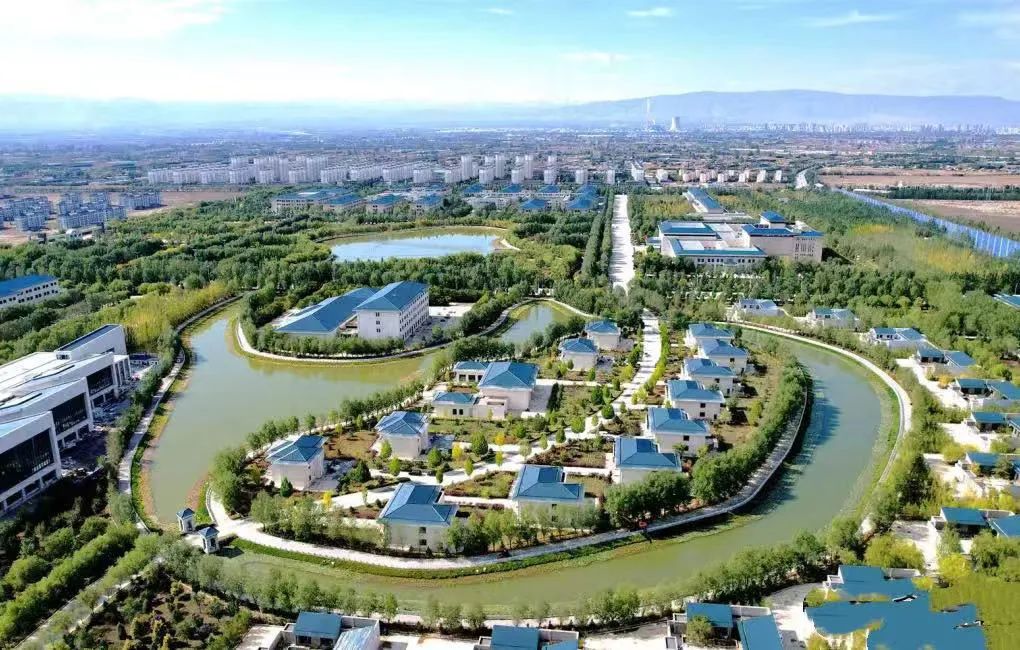
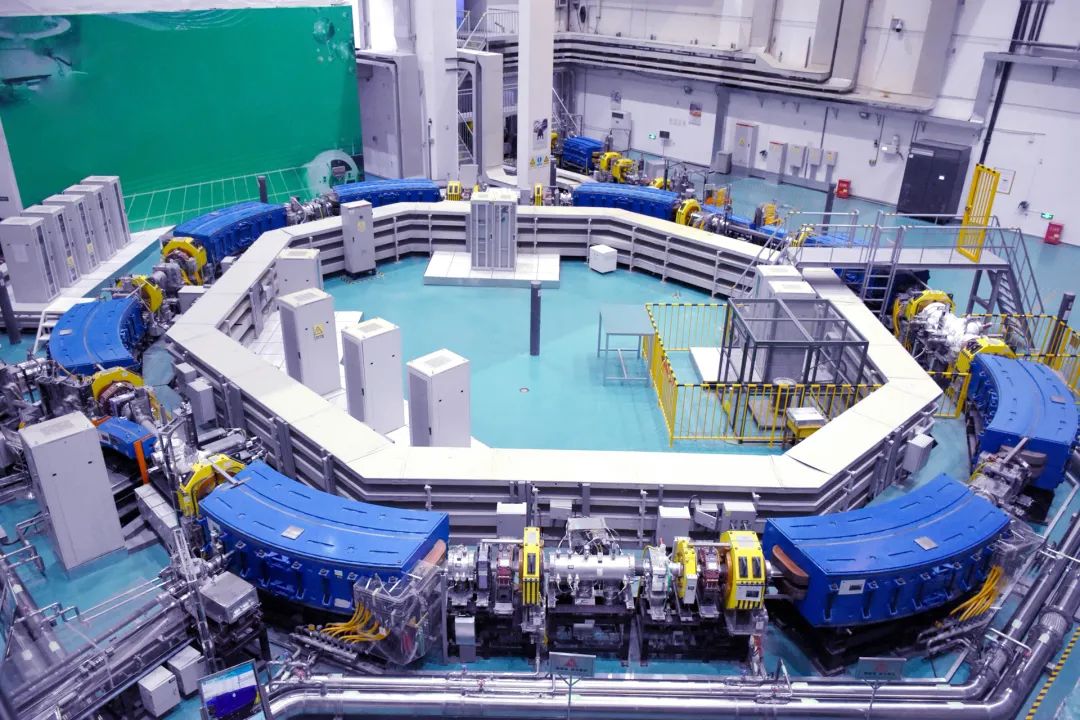
What began as an experimental therapy in labs has, through eight years of tenacious R&D in Wuwei—a northwestern city once deemed medically peripheral—evolved into the world's largest domestically developed heavy ion treatment system. Its hybrid "Heavy Ion + Traditional Chinese Medicine" paradigm, refined over five years of clinical application, now sets benchmarks for whole-person, lifespan-integrated care.
The April 2024 debut of China's "Heaven-Earth Protocol" in Singapore marked its ascendance as a global leader, having treated 2,000+ patients from all Chinese provinces and countries including Australia and South Korea.
Chapter 1: Perseverance Against All Odds
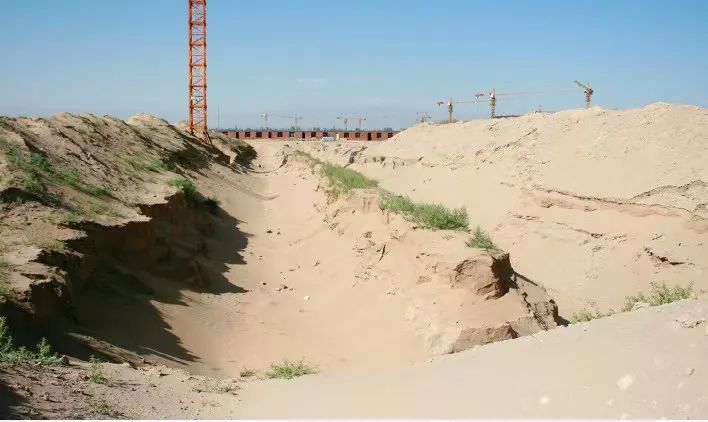
Thirteen Years Ago: A Frontier Odyssey.This was a barren stretch of the Gobi—no infrastructure blueprints, no technical foundations, not even clearly demarcated construction land. Who could have imagined this medical "wasteland" would become the pivotal force revolutionizing China's high-end healthcare.
Spring 2012 marked the launch of Wuwei's Heavy Ion Demonstration Project, sending shockwaves through medical circles. "Building world-class treatment facilities in the desert? Pure fantasy!" Skepticism abounded, yet the builders pressed forward undeterred. On March 21, when the first pile drove into the unstable sands, excavator arms repeatedly sank into quicksand. The team's innovative solution—60-meter-deep piles anchored to 1.5-meter-thick concrete rafts—transformed the terrain, laying an unshakable foundation.
The true challenge emerged in 2014: China's first domestically developed heavy ion equipment arrived onsite—with no installation manuals or calibration standards due to international embargoes. Teams from the Institute of Modern Physics (Chinese Academy of Sciences) and Gansu Wuwei Cancer Hospital worked relentlessly, testing and adjusting through countless failures.
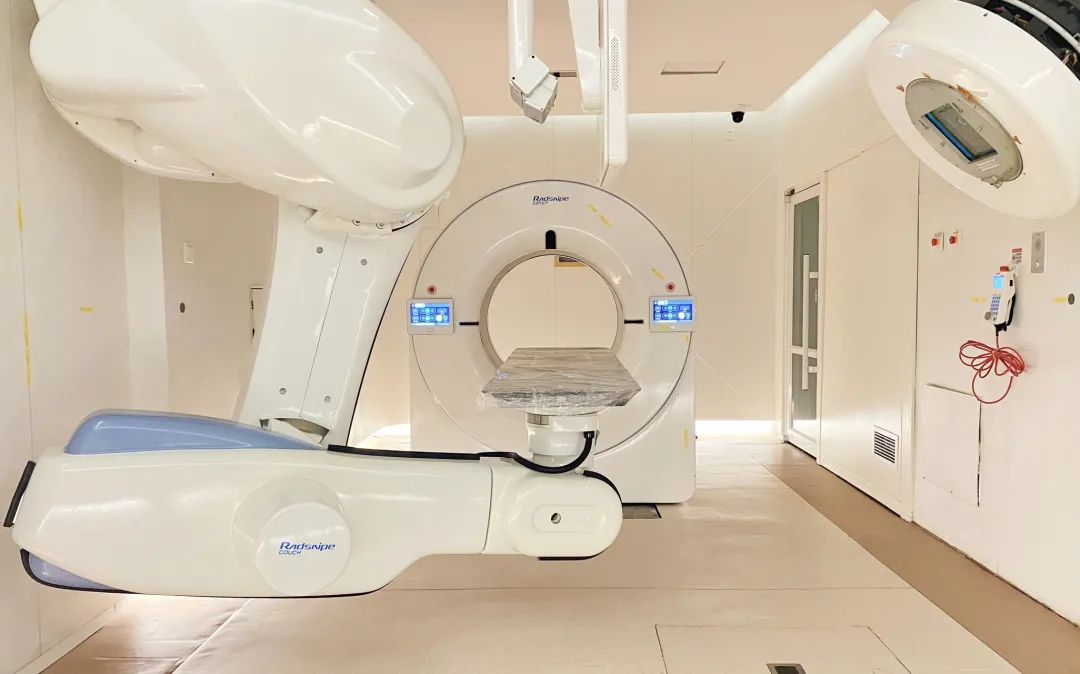
Then, on December 23, 2015, the moment of triumph: the medical heavy ion accelerator achieved first successful beam extraction. This 60+ patent-protected marvel shattered a 30-year global monopoly, marking China's quantum leap in this critical field—from absolute nothingness to world-class capability.
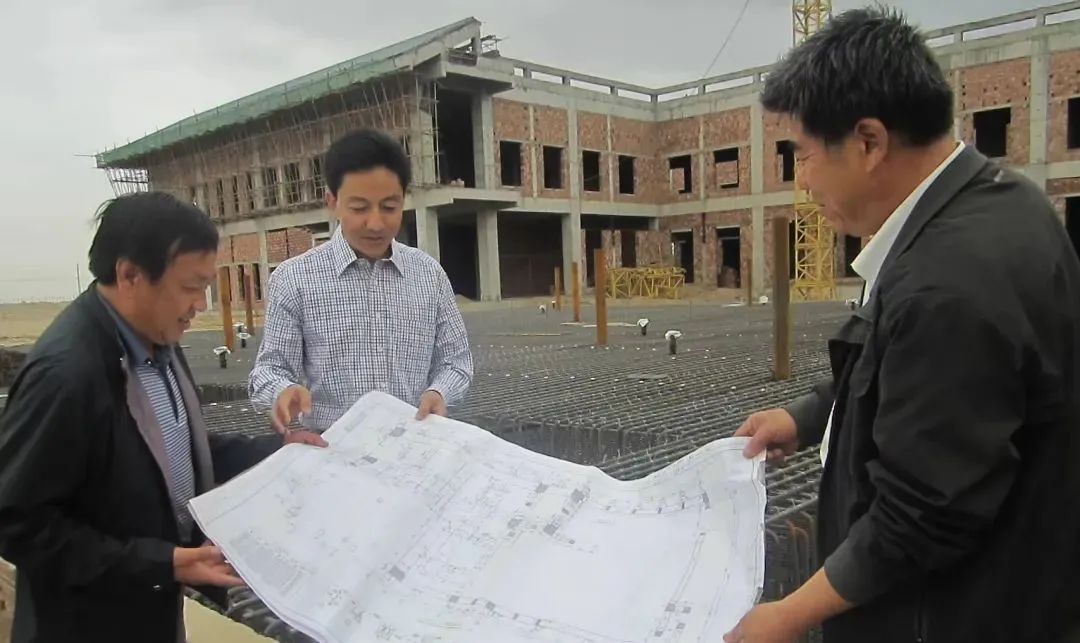
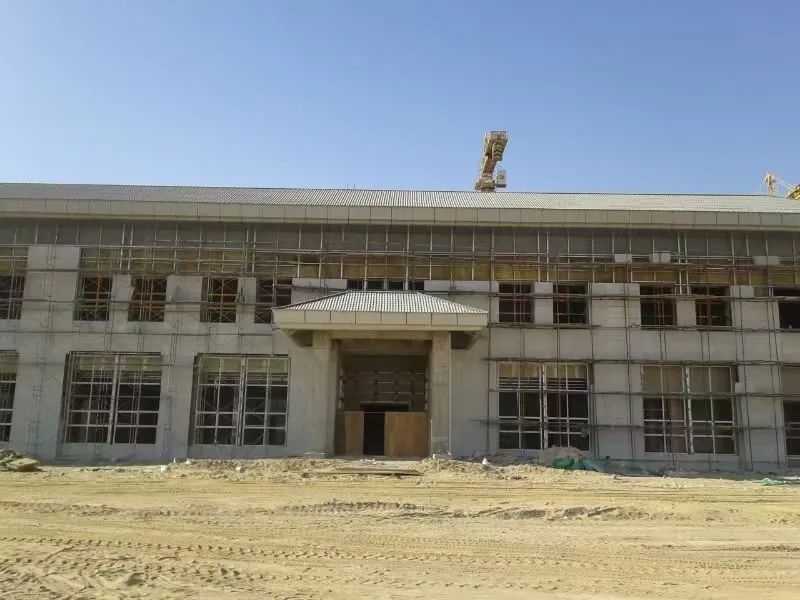
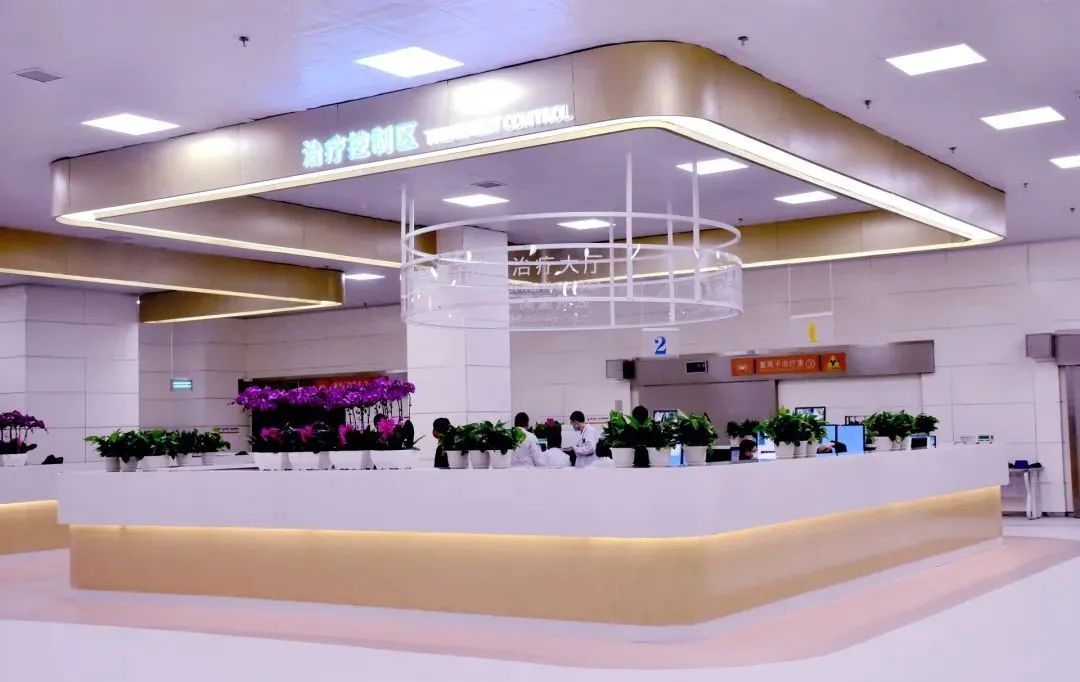
From Desert Outpost to Global Stage: Wuwei's Quantum Leap in Medicine
Through a decade of unrelenting dedication, Gansu Wuwei Cancer Hospital's Heavy Ion Center has engineered a metamorphosis—from a remote northwestern clinic to a beacon of global medical excellence. This saga of perseverance transcends healthcare; it embodies China's dual triumph in both creating cutting-edge technology and establishing world-defining medical standards.
More than a chronicle of scientific achievement, this journey:
Manifests China's "self-reliance" ethos in high-tech medicine
Writes a new chapter in the East's contributions to human health
Answers the world with what frontier determination can achieve
Here in the Gobi's embrace, Wuwei has forged not just equipment, but a new paradigm—proving that medical revolutions can emerge from the unlikeliest places. This is the West's testament, and China's declaration to the future of global healthcare.
Chapter 2: Converging Global Wisdom
A Decade Ago: The Arduous Ascent from Scratch
When conventional radiotherapy still dominated cancer treatment globally, heavy ion therapy remained an exclusive technology mastered only by Germany and Japan. For Wuwei—a city in China's remote northwest—the challenges seemed insurmountable:
- Zero specialized talent pool
- No existing technical infrastructure
- Inadequate basic facilities for such advanced medicine
This cutting-edge modality demanded interdisciplinary expertise spanning medical physics and engineering—resources utterly absent in the Gobi Desert.
The Two-Pronged Talent Revolution
Facing these voids, the hospital launched an audacious dual strategy:
- Global Knowledge TransferDispatched 20+ core staff to world-leading institutions including:→ Gunma University (Japan)→ RPTC Munich (Germany)
- International Mastermind ConvergenceEstablished joint labs attracting global experts for:✓ Onsite clinical training✓ Technical troubleshooting✓ Protocol development
Through this "Learn Global, Innovate Local" ecosystem, Wuwei transformed from a medical hinterland into a crucible where East-West knowledge catalyzed China's sovereign heavy ion capabilities—proving desert winds could carry the seeds of scientific revolution.
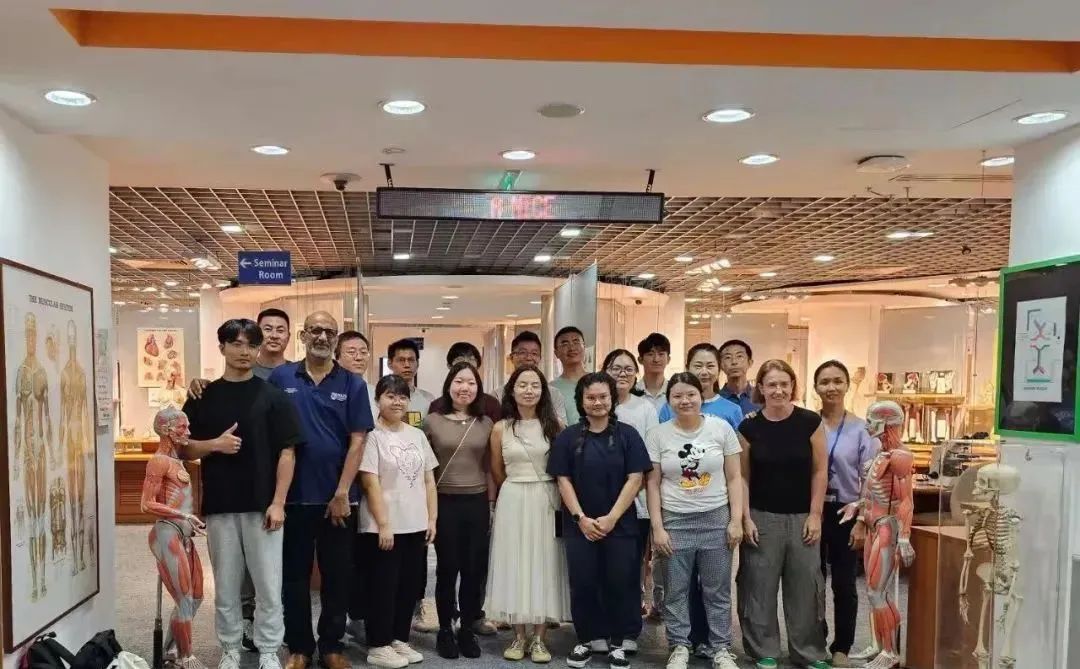
The hospital has long retained Professor Tatsuaki Kanai from Gunma University School of Medicine in Japan, former director of the National Institute of Radiological Sciences Professor Hirohiko Tsujii, former director of Germany's RPTC Munich Proton Center Professor Jörg Hauffe and Professor Olga, former chairman of Taiwan's Radiation Oncology Association Professor Yimin Jen, renowned radiation therapy physicist from Chang Gung Memorial Hospital Professor Chia-Ming Wu, the team of Professor Junjie Wang, chairman of the Radiotherapy Committee of the Chinese Medical Association, and lifetime honorary professor of radiation oncology at Peking University Health Science Center Professor Wenjiang Shen. Through clinical teaching and technical guidance, they have laid a solid foundation for building an internationally competitive cancer treatment system. Recently, the hospital has further recruited Professor Yasuo Yoshioka from the Radiation Oncology Department of Japan's National Cancer Center, Professor György Kovács, director of Germany's Lübeck Brachytherapy Center and education program director at Italy's Catholic University of the Sacred Heart, and Professor Tung-Ho Wu from Taipei Medical University Hospital's TMU Proton Center to work long-term at the hospital. This has established an expert think tank covering the entire chain of heavy ion therapy and integrating Eastern and Western wisdom, transforming the western Gobi region into a "global hub of innovative thinking for cancer treatment."
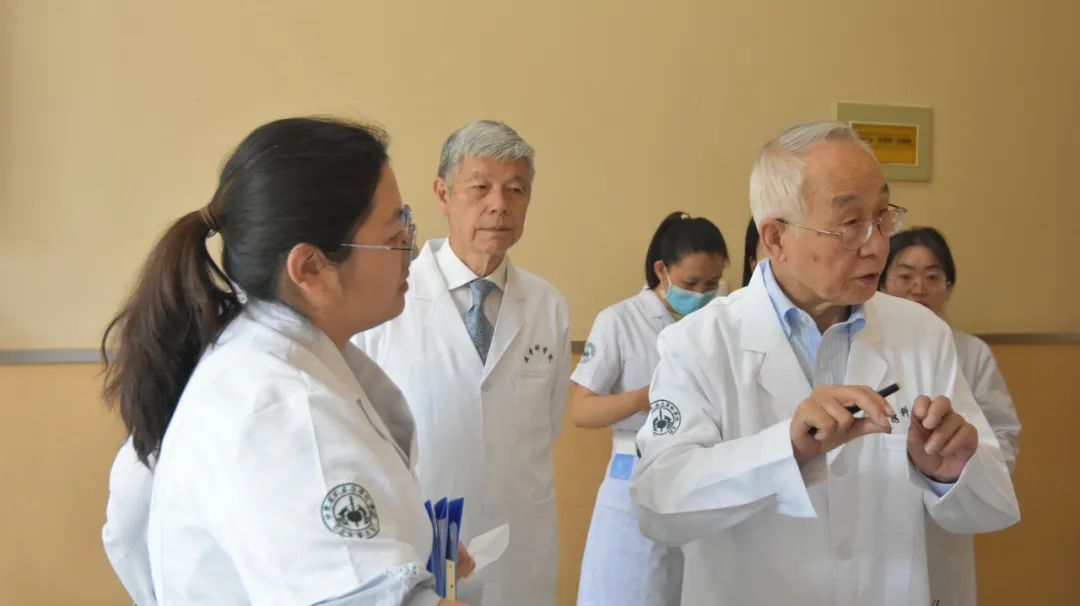
Professor Tatsuaki Kanai from Gunma University School of Medicine, Japan, and former director of the National Institute of Radiological Sciences Professor Hirohiko Tsujii.
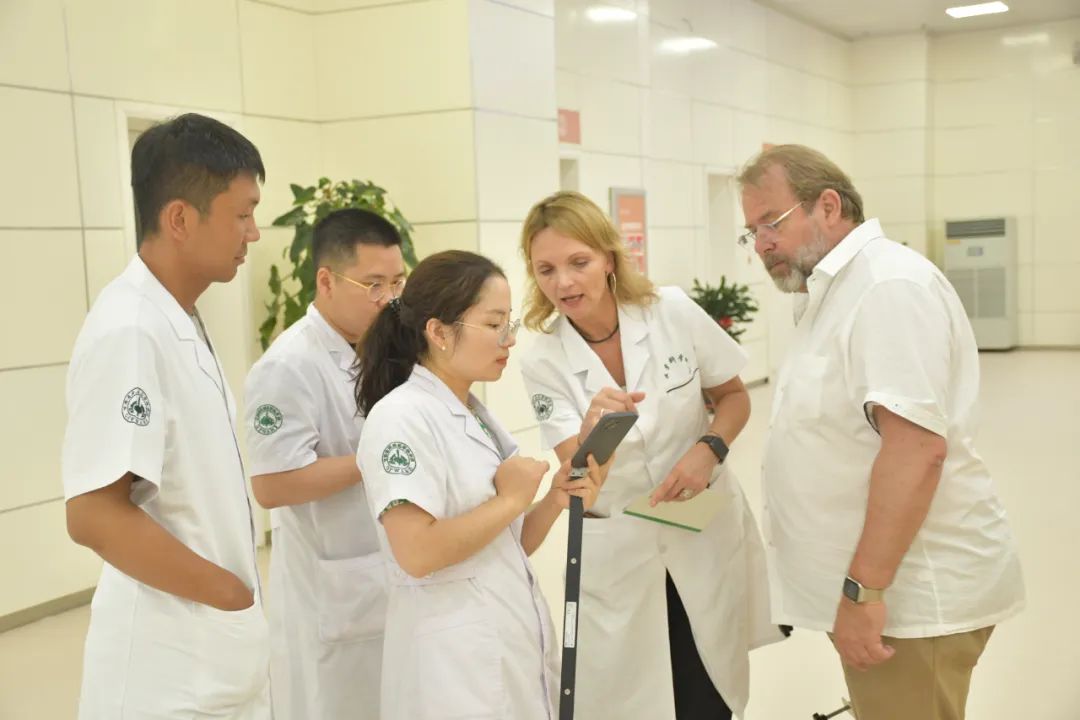
Professor Jörg Hauffe (Hao Fei), former Director of the RPTC Munich Proton Therapy Center in Germany, and Professor Olga.
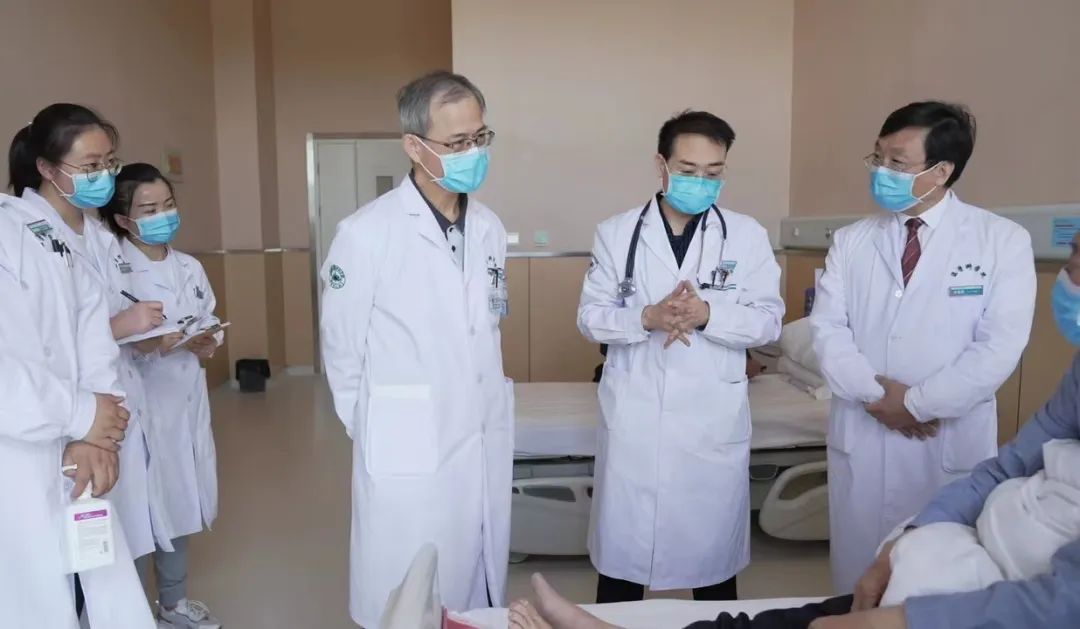
Professor Yee-MinJen, former Chairman of the Taiwan Society for Therapeutic Radiology and Oncology (TASTRO), and Professor Jia-Ming Wu, renowned radiation therapy physicist at Chang Gung Memorial Hospital, Taiwan.
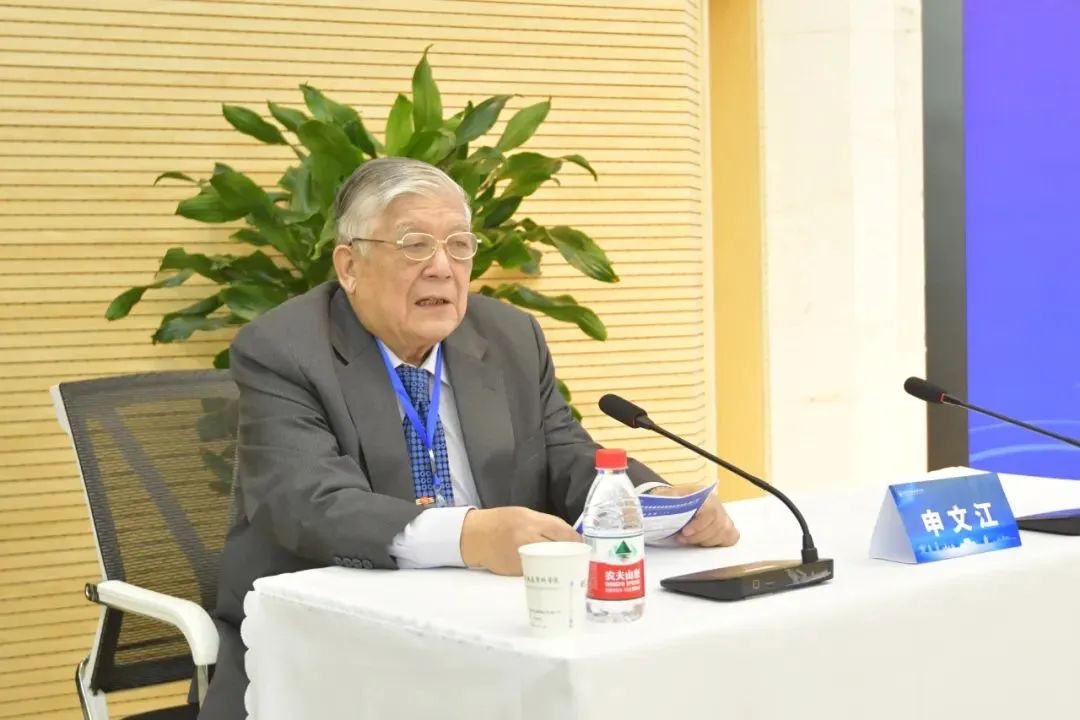
Professor Wenjiang Shen: Lifetime Honorary Professor of Peking University Health Science Center
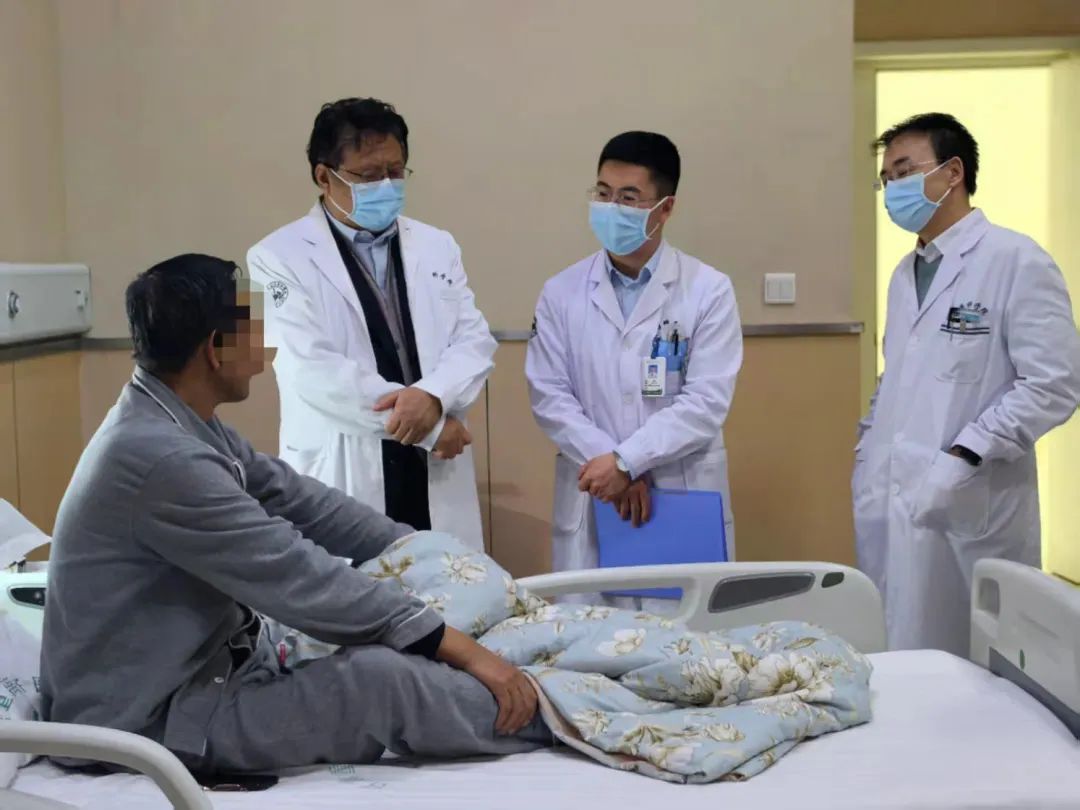
Professor Junjie Wang, Chairman of the Radiation Oncology Committee of the Chinese Medical Association
By integrating global intellectual resources, the Heavy Ion Center of Gansu Wuwei Cancer Hospital has continuously broken through in technological innovation, creating numerous "world-first" legends. It is the only hospital in the world operating two heavy ion therapy systems, forming a powerful dual-center collaborative framework; it leads the world in the number of single-fraction treatments completed within one day; it pioneered globally the precision heavy ion therapy technology under ventilator control; it was the first worldwide to develop bladder volume-controlled heavy ion therapy for bladder cancer; it initiated globally the single-session heavy ion therapy with surgically placed spacers between organs and tumors; it developed China's first 360° rotatable and height-adjustable ion therapy chair; it became the first in the world to complete multiple cases of cardiac tumor treatment with heavy ions; and it implemented the world's first comprehensive physical-mental health management system throughout the entire lifecycle combined with heavy ion therapy.
These breakthroughs have not only filled multiple international gaps, but have also transformed China's heavy ion therapy from a "follower" to a "rule-maker."
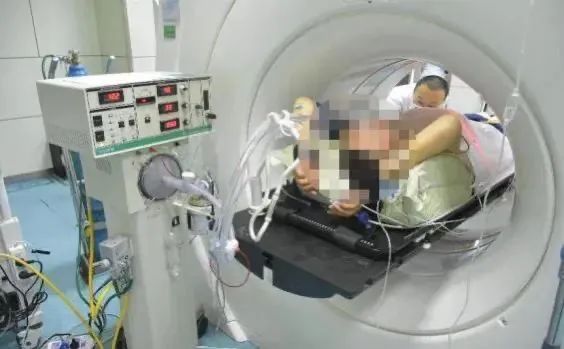
High-Frequency Oscillatory Ventilation-Guided Precision Heavy Ion Therapy Technology
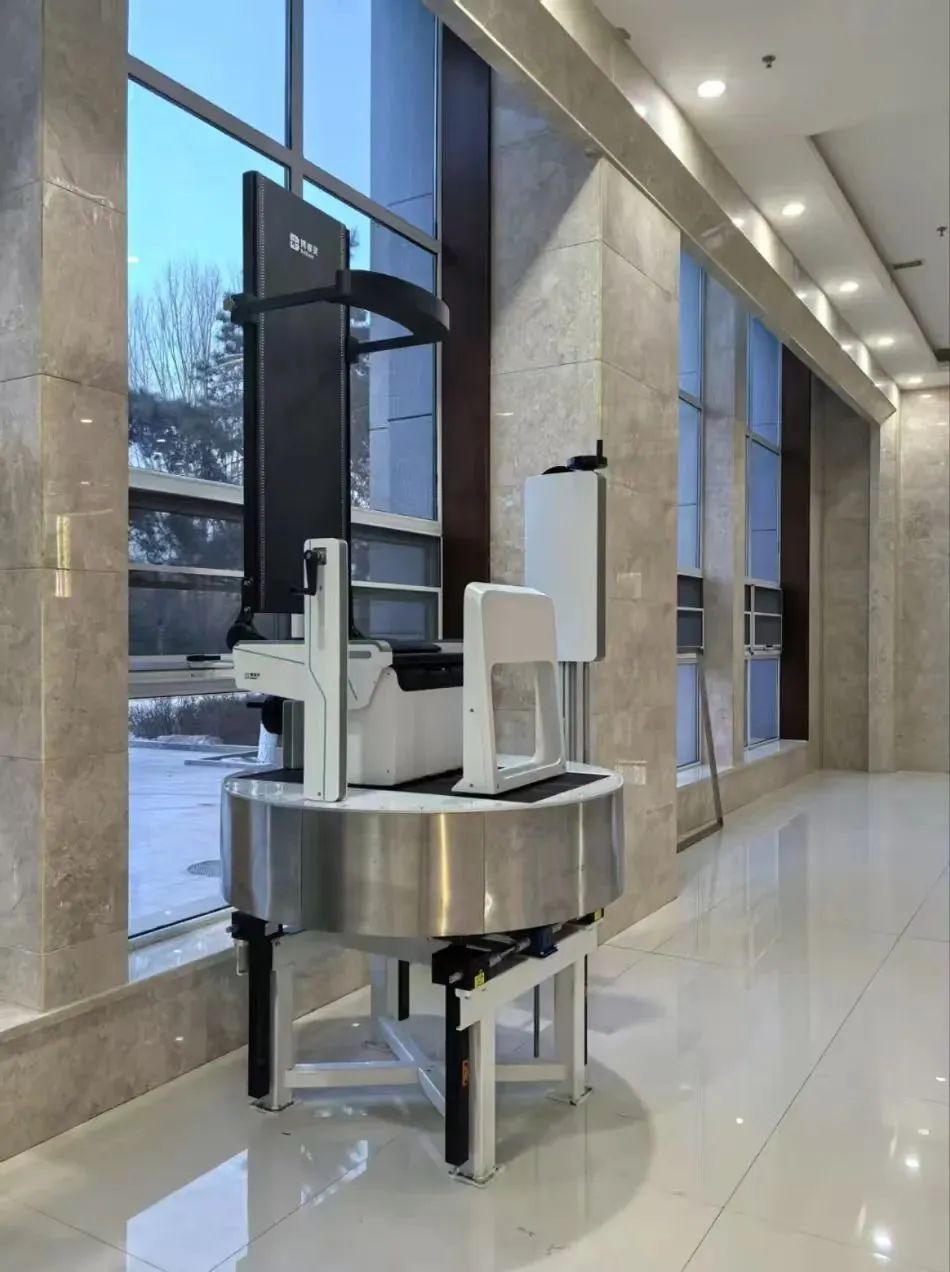
360° Rotating and Height-Adjustable Ion Therapy Chair
Chapter 3: Redefining Global Standards
From initially covering only 7 disease types in clinical trials to now treating over 50 high-incidence tumors; from an annual treatment volume of 200 cases to exceeding 1,000 cases, with an average annual growth rate of 17.5% - this expansion represents not just scaling up treatment capacity, but a comprehensive advancement in China's high-end medical service capabilities and technical precision.
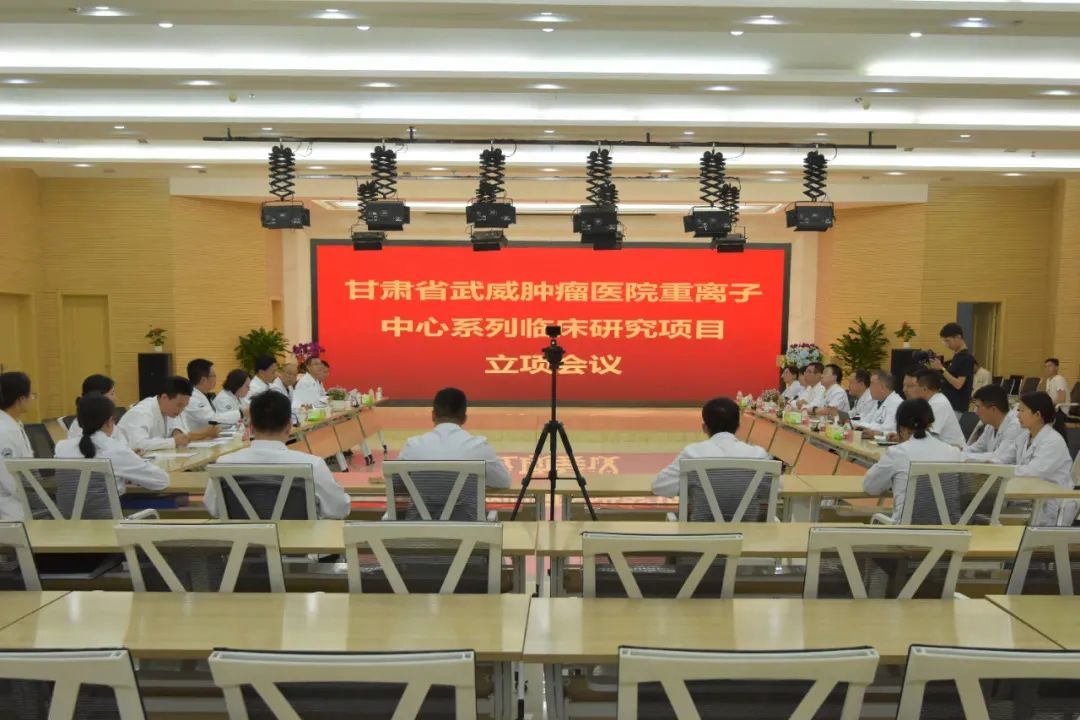
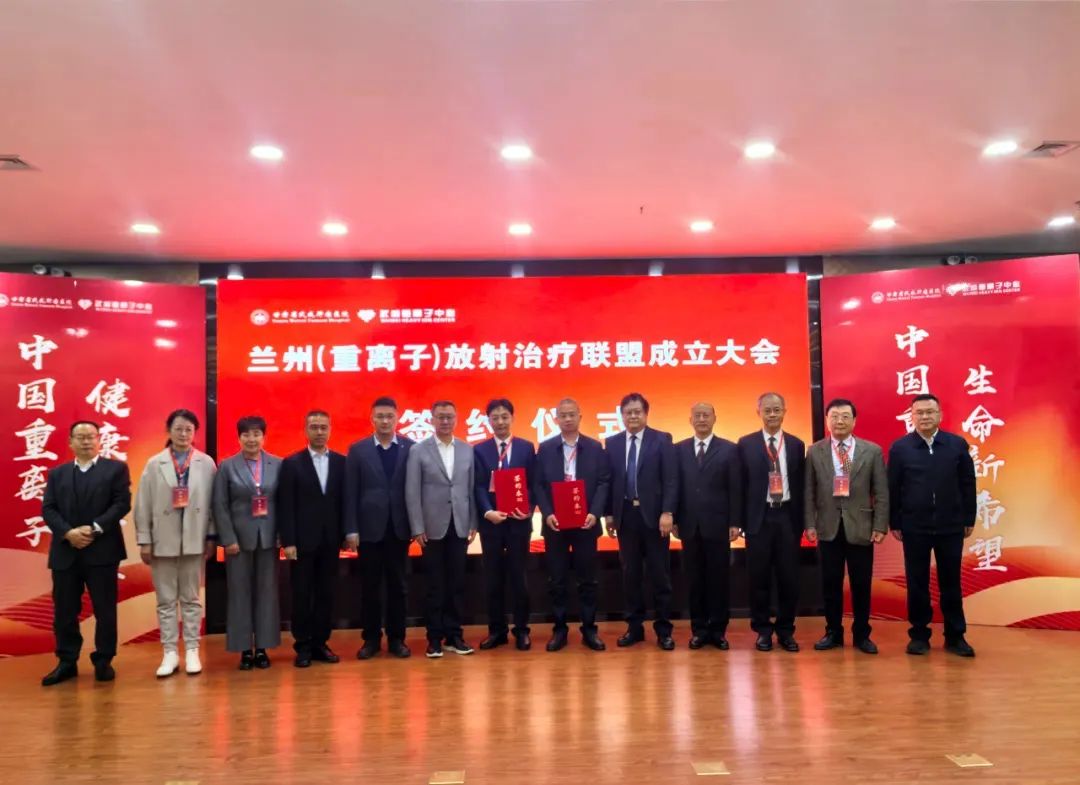
The Heavy Ion Center at Gansu Wuwei Cancer Hospital has established a "Dual-Cycle, Multi-Dimensional" quality management system and pioneered China's first "Lifecycle Management Standards for Carbon Ion Therapy Systems." Through collaboration with top institutions like Peking University Third Hospital, it has developed a comprehensive Standard Operating Procedure (SOP) system covering clinical diagnosis, physical dosimetry, and patient follow-up, elevating medical practices from this western city to industry benchmarks. Most significantly, the center-led "International Consensus on Heavy Ion Radiotherapy for Recurrent Nasopharyngeal Carcinoma" has become the first "Chinese Standard" recognized by global oncology communities. The "Diamond Ion Innovation Alliance" initiated by the center has further promoted the integrated approach of "TCM Holistic Diagnosis + Heavy Ion Precision Therapy" worldwide, achieving synergistic effects where "1+1>2" in combining traditional Chinese medicine wisdom with modern radiotherapy technology. To further advance China's heavy ion therapy development, the center has now launched clinical studies on seven cancer types - liver cancer, esophageal cancer, breast cancer, lung cancer, cervical cancer, high-grade glioma, and pancreatic cancer - aiming to establish Chinese clinical treatment standards for heavy ion therapy that meet international benchmarks while pursuing optimal patient outcomes.
From a remote western town to the global stage, the Heavy Ion Center of Gansu Wuwei Cancer Hospital has achieved a magnificent metamorphosis through a decade of unwavering dedication. This epic journey of perseverance not only epitomizes China's pursuit of self-reliance in advanced medical technology, but also stands as a powerful testament to the nation's determined march toward scientific and technological excellence. It vividly demonstrates China's capacity to not only develop cutting-edge medical equipment, but also establish globally-leading medical standards - creating health miracles with distinctive Eastern characteristics. This represents both the steadfast spirit of China's western regions, and China's resounding answer to the world.