Top Honor: Gansu Wuwei Cancer Hospital Research Published in The Lancet
Top Honor: Gansu Wuwei Cancer Hospital Research Published in The Lancet
Editor’s Note: The Lancet is a world‑leading general medical journal with a newly released impact factor of 88.5. Its core belief is that "the best science is science that improves lives."
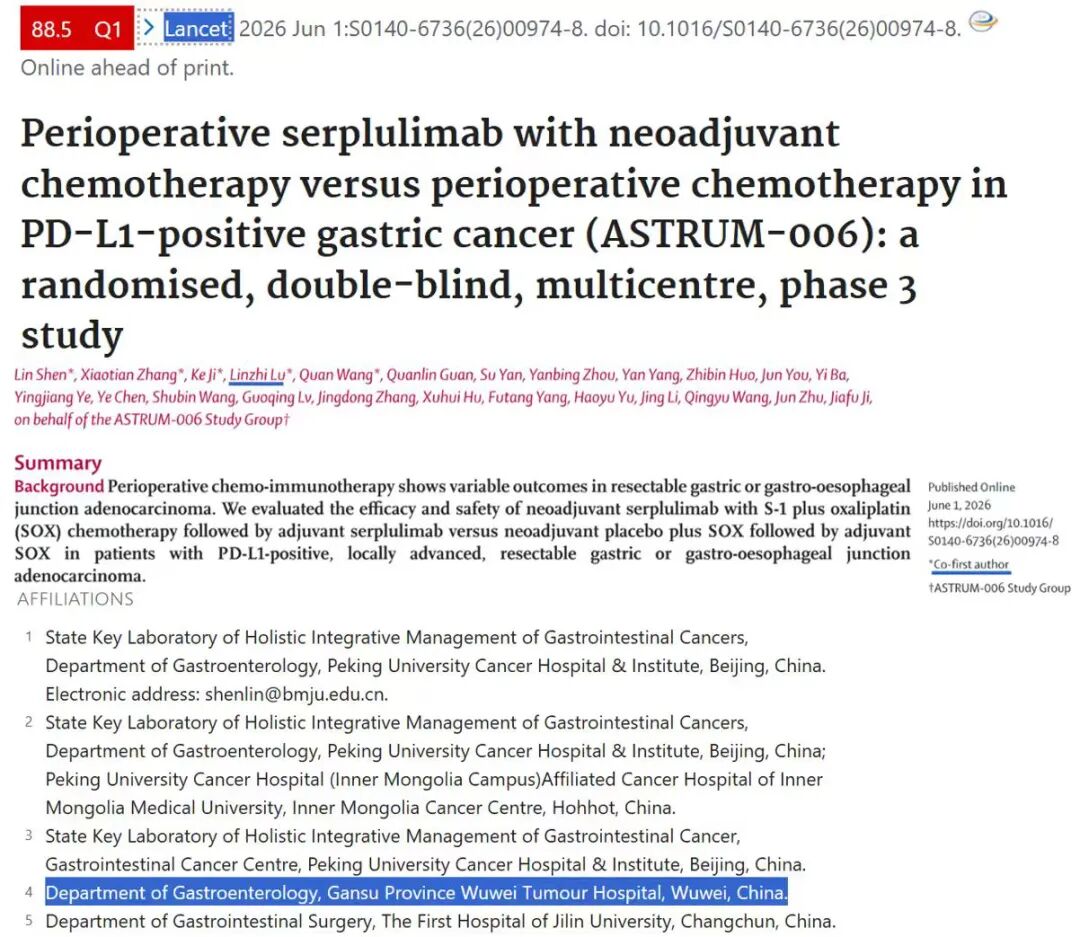
Through more than 30 years of patient‑centered, pragmatic gastric cancer prevention and control efforts, Gansu Wuwei Cancer Hospital has played a key role as a core collaborator in the global multicenter Phase III ASTRUM‑006 study. The study was led by Professor Shen Lin and Professor Ji Jiafu from Peking University Cancer Hospital. After seven years of dedicated work, the study has been successfully completed. Dr. Lu Linzhi, Director of the Digestive Disease Center, has now published a paper as a co‑first author in the main edition of The Lancet. Publications in The Lancet from the Northwest China medical community have been extremely rare. This achievement represents a historic breakthrough in medical research for Gansu Wuwei Cancer Hospital.
I. The research findings were published in The Lancet, marking a milestone in the hospital's scientific research on digestive diseases
The Lancet is a globally leading journal of clinical medicine with rigorous selection standards. The successful publication of a large‑scale Phase III oncology trial in its main edition signifies that the research findings have received wide recognition from the global oncology community.
At the national level, ASTRUM‑006 is the first large‑scale Phase III registration study on perioperative gastric cancer management from China to be published in The Lancet. It breaks the long‑standing dominance of European and American institutions in setting treatment standards for perioperative gastric cancer. Using large‑scale clinical data from China, the study established an original treatment model combining preoperative chemotherapy with the domestically produced PD‑1 inhibitor serplulimab, followed by postoperative immunotherapy‑only (chemotherapy‑free) care. This marks a shift for China from imitation‑following to independent leadership in gastric cancer management, enhancing the country's academic influence in the global field of gastric cancer care.
From a regional and institutional perspective, the deep, full‑scale involvement in this landmark study serves as authoritative validation of the comprehensive research capabilities of our Gastroenterology Department. It fills a major gap in gastric cancer research in Gansu Province by contributing a top‑tier clinical study published in a leading international journal. It fully demonstrates that the department's clinical trial conduct and practice standards are on par with those of top‑tier hospitals in China and aligned with international benchmarks. This achievement is a hallmark of the hospital's longstanding commitment to integrating research with clinical practice and advancing specialized construction in gastrointestinal oncology.
II. ASTRUM-006 boasts outstanding core data, and its first-of-its-kind chemotherapy-free regimen reshapes the landscape of gastric cancer diagnosis and treatment
The ASTRUM‑006 Phase III study, presented at ASCO, focuses on the highly prevalent resectable locally advanced gastric cancer. Targeting the PD‑L1‑positive (CPS ≥5) patient population, the study pioneered a regimen of neoadjuvant serplulimab combined with SOX chemotherapy followed by postoperative immune monotherapy maintenance, eliminating adjuvant chemotherapy entirely. Three key data points set new global efficacy records:
- Significant improvement in long‑term survival: With a median follow‑up of 35.9 months, the median event‑free survival in the immunotherapy combination group has not yet been reached at over five years, representing a 33% reduction in the risk of recurrence or death compared to conventional regimens (HR = 0.67, P = 0.0061). A substantial number of patients have achieved long‑term survival and potential cure.
- Prominent tumor downstaging: The pathological complete response (pCR) rate in the experimental group was 21.6% — more than three times higher than the 6.4% observed in the conventional chemotherapy group. In the Wuwei region, the pCR rate reached 26%. Preoperative tumor downsizing and downstaging significantly improved the success rate of radical surgery.
- Reduced toxicity and improved treatment experience: With the postoperative chemotherapy‑free design, the incidence of severe adverse reactions and treatment discontinuation decreased markedly. Patient compliance with immune maintenance therapy increased from 61.9% to 87.2%, while side effects associated with traditional chemotherapy — such as nausea and myelosuppression — were largely avoided.
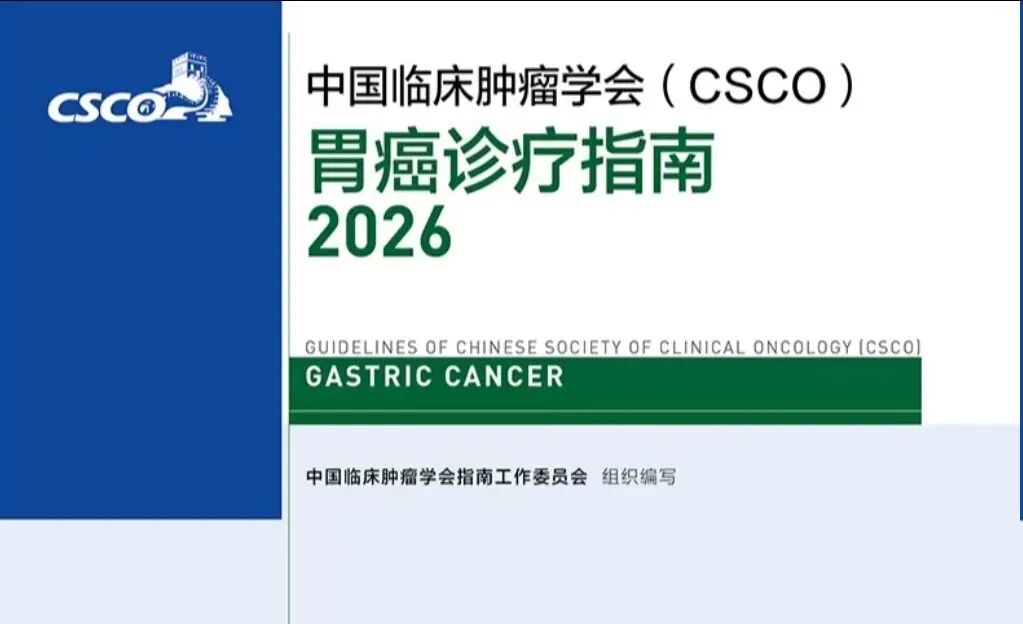
Supported by robust evidence, this regimen has been included in the 2026 CSCO Gastric Cancer Guidelines, and approval for the relevant indication is imminent. It will soon be incorporated into the standardized clinical pathway for gastric cancer management in China.
III. Further efforts to improve people's livelihood in local regions, introduce top-tier scientific research achievements to Gansu and benefit local residents suffering from gastric cancer across Longyuan area
Gastric cancer is a common malignancy in the Hexi region. Due to local dietary habits and limited screening coverage, most patients are diagnosed at a locally advanced stage. Conventional postoperative chemotherapy often brings significant side effects, poor patient compliance, and a persistently high risk of recurrence.
Dr. Lu Linzhi and her team participated fully in this international multicenter clinical study. Over seven years, they enrolled 57 patients, collected clinical data representative of the Northwest region, and translated cutting‑edge international research findings into locally accessible, patient‑centered care:
- Local access to international standard treatment: With the implementation of this regimen, patients in the Hexi region with locally advanced gastric cancer no longer need to travel to first‑tier cities for treatment. They can now receive at our hospital the original, chemotherapy‑free perioperative regimen recognized by The Lancet, saving significant costs associated with seeking care elsewhere.
- Driving regional standardization of care: Drawing on the experience from this study, the department has refined its systems for preoperative gastric cancer assessment, individualized neoadjuvant therapy, and full‑cycle postoperative follow‑up. This is helping to update clinical concepts in gastric cancer management in Wuwei and surrounding counties, and to enhance the overall capacity for gastrointestinal cancer diagnosis and treatment across the Hexi region.
- Strengthening regional early screening systems: The study has facilitated the optimization of gastric cancer subtype screening models and promoted routine early screening for high‑risk populations, thereby reducing the proportion of new cases diagnosed at intermediate or advanced stages.
IV. Consolidate core disciplinary strengths and consolidate the foundation for scientific research and clinical practice through technology, equipment and talent development
(1) Technology‑Driven Excellence: Minimally Invasive and Precision Techniques Achieve Multiple Provincial Firsts
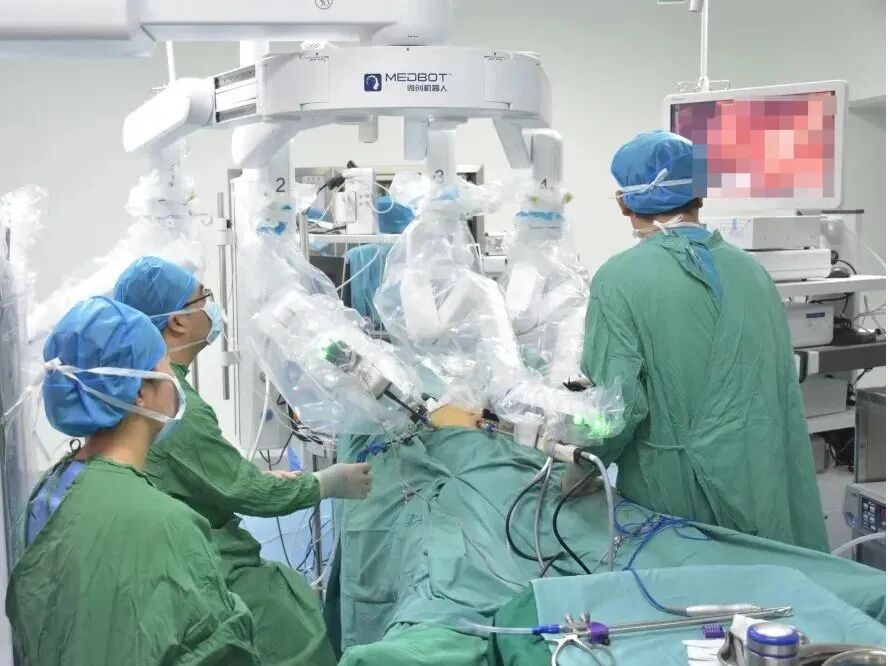
As a key discipline in Gansu Province, our Gastroenterology Department focuses on minimally invasive and precision techniques. Over the years, it has continuously pushed the boundaries of advanced technology, achieving multiple provincial firsts in Gansu. These include endoscopic transcecal appendectomy, the province’s first robotic‑assisted scarless appendectomy, dual‑endoscopy combined radical gastrectomy for gastric cancer, and EUS‑BD (endoscopic ultrasound‑guided biliary drainage). These efforts have built a comprehensive, full‑spectrum minimally invasive diagnosis and treatment system covering early gastrointestinal cancers and complex diseases.
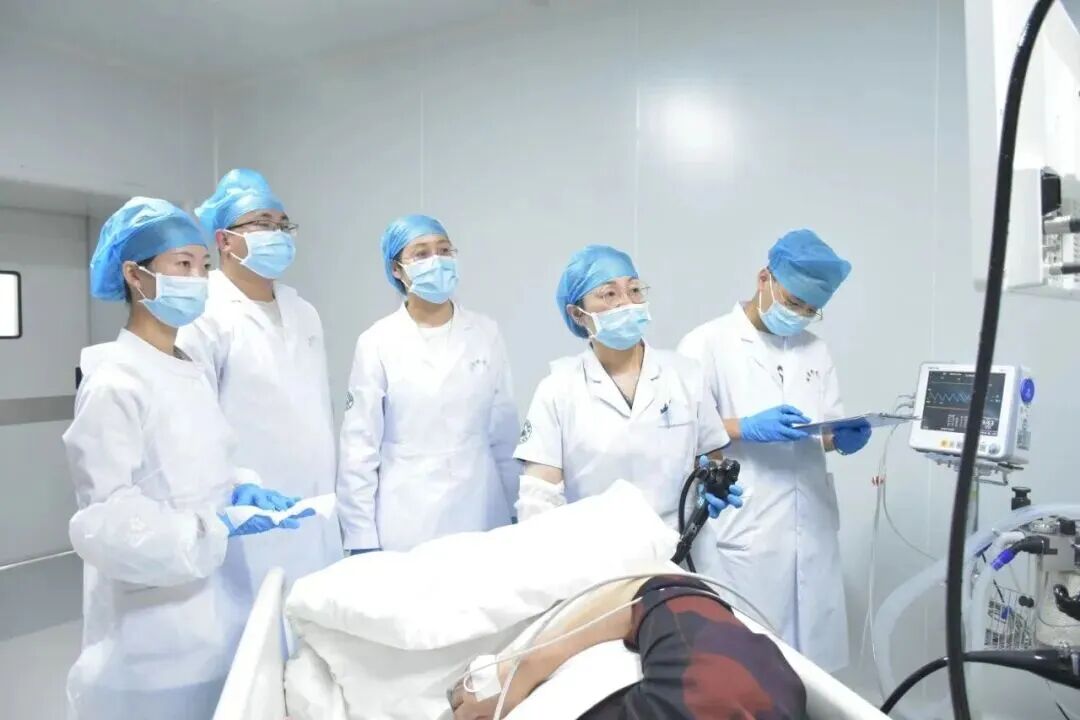
The department’s clinical data consistently rank among the best in the province. Supported by the national early gastric cancer screening and treatment program, the department has carried out regional gastric cancer screening for many years. As a result, the incidence of gastric cancer in Wuwei has dropped by nearly 50% compared to 2006, with a corresponding significant decline in mortality. For eight consecutive years, the department has ranked first in the province in the rate of painless endoscopy, and it also consistently ranks at the top in upper gastrointestinal cancer detection rates and ESD procedures. It has won first place in the national endoscopic‑pathologic combined skills competition under the national upper gastrointestinal cancer screening project.
The department’s equipment is among the best in western China. It has established two modern endoscopy centers and 15 standardized procedure rooms, equipped with nearly 20 sets of high‑end Olympus endoscopes, endoscopic ultrasound systems, Spyglass choledochoscopes, and other specialized equipment. Combined with over 300 sets of internationally advanced diagnostic and treatment devices — including a domestically produced surgical robot and a super‑iteration PET‑CT — the department has built a solid hardware foundation supporting both clinical care and research.
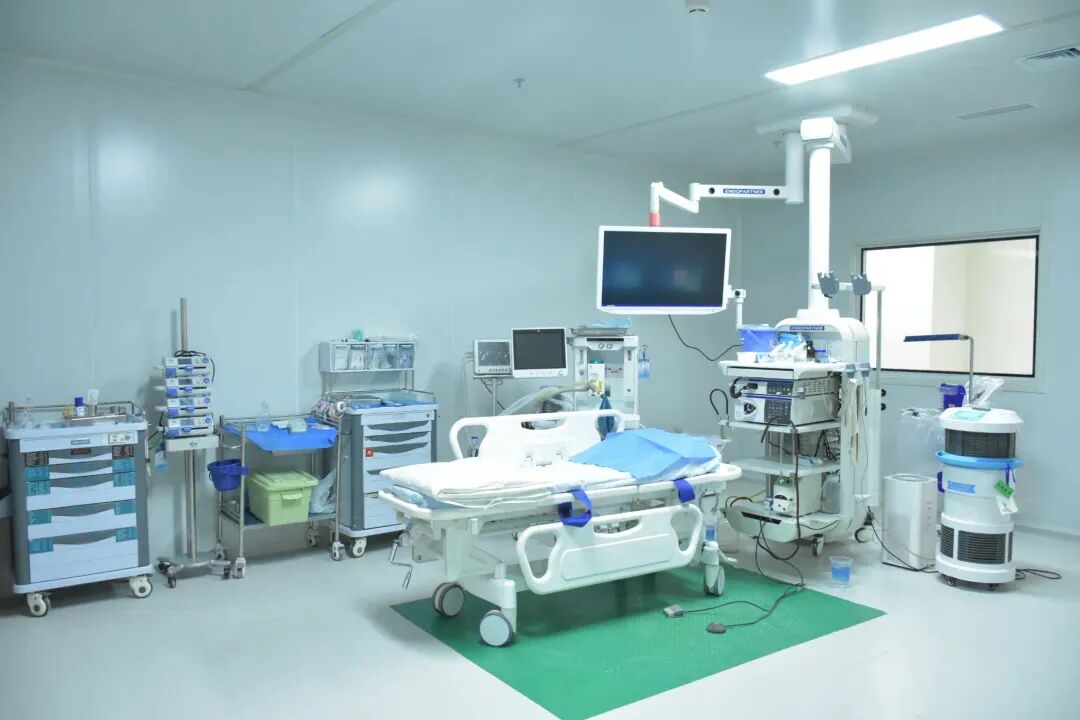
Standardized Diagnosis and Treatment Room
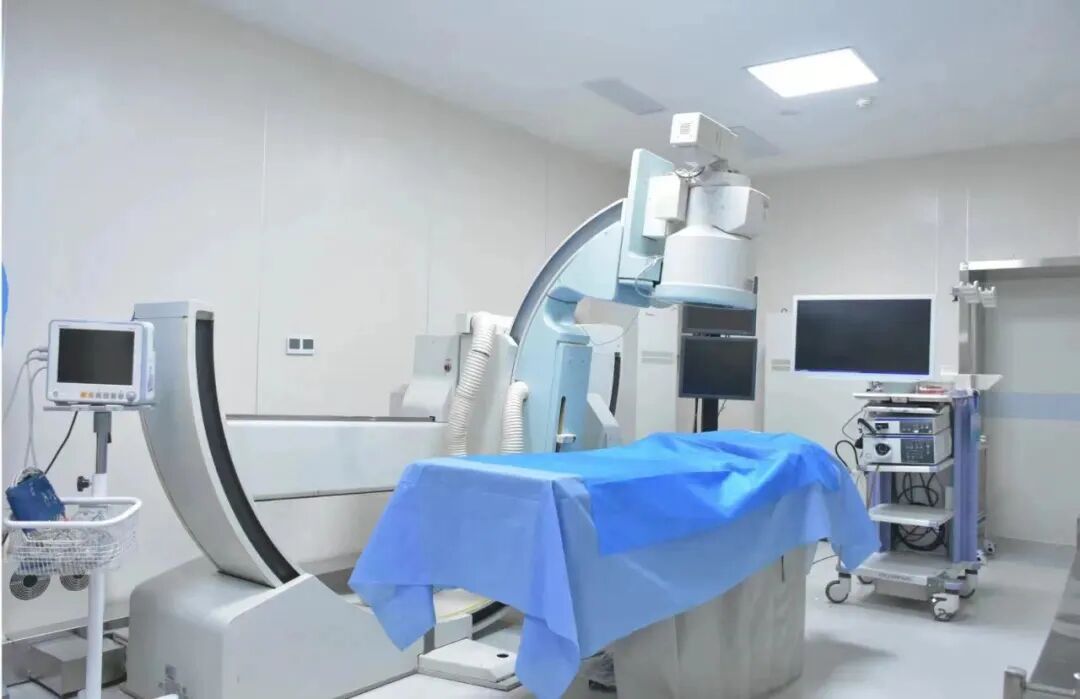
Spyglass Cholangioscope
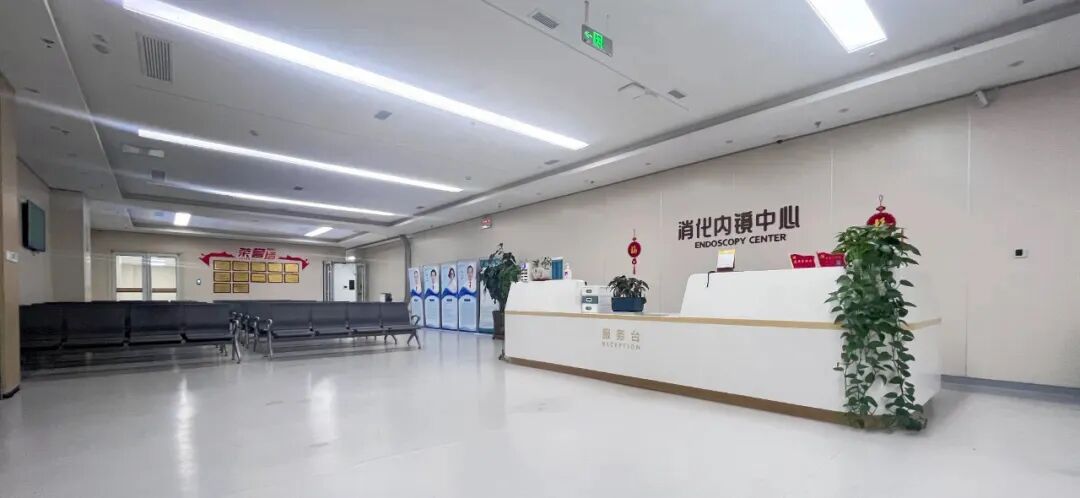
Modern Endoscopy Center
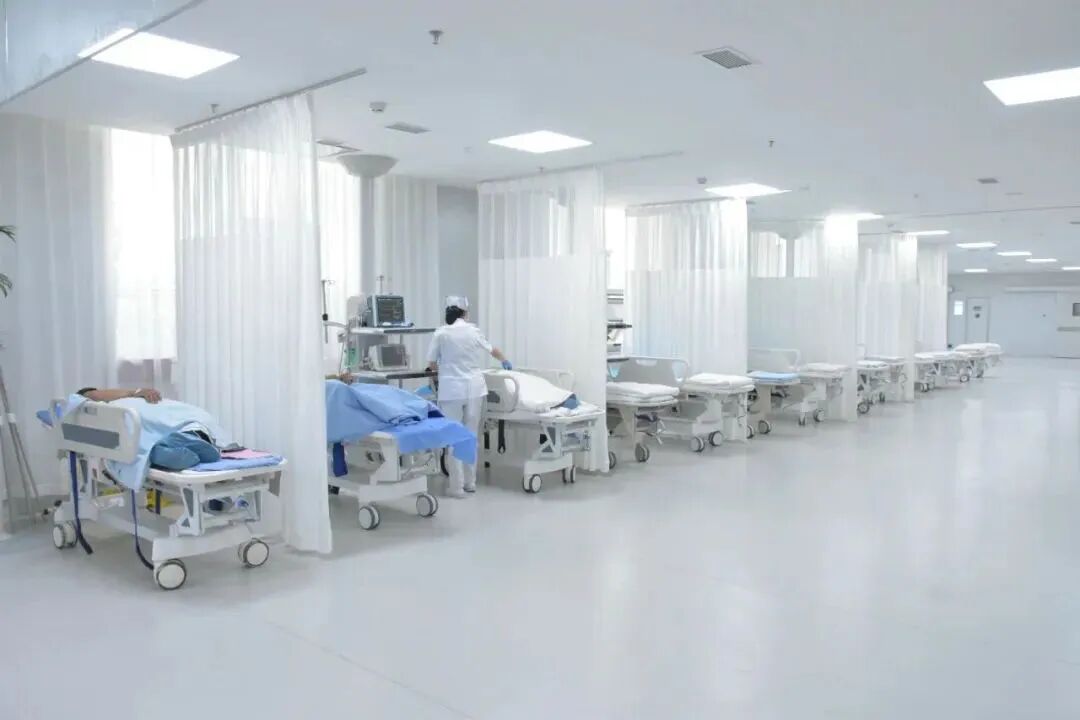
Post-Anesthesia Care Unit
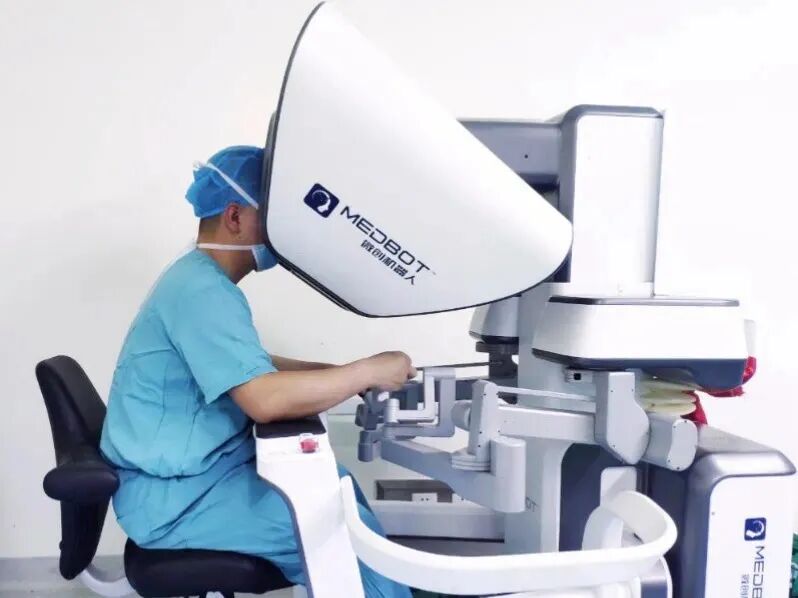
Surgical Robot
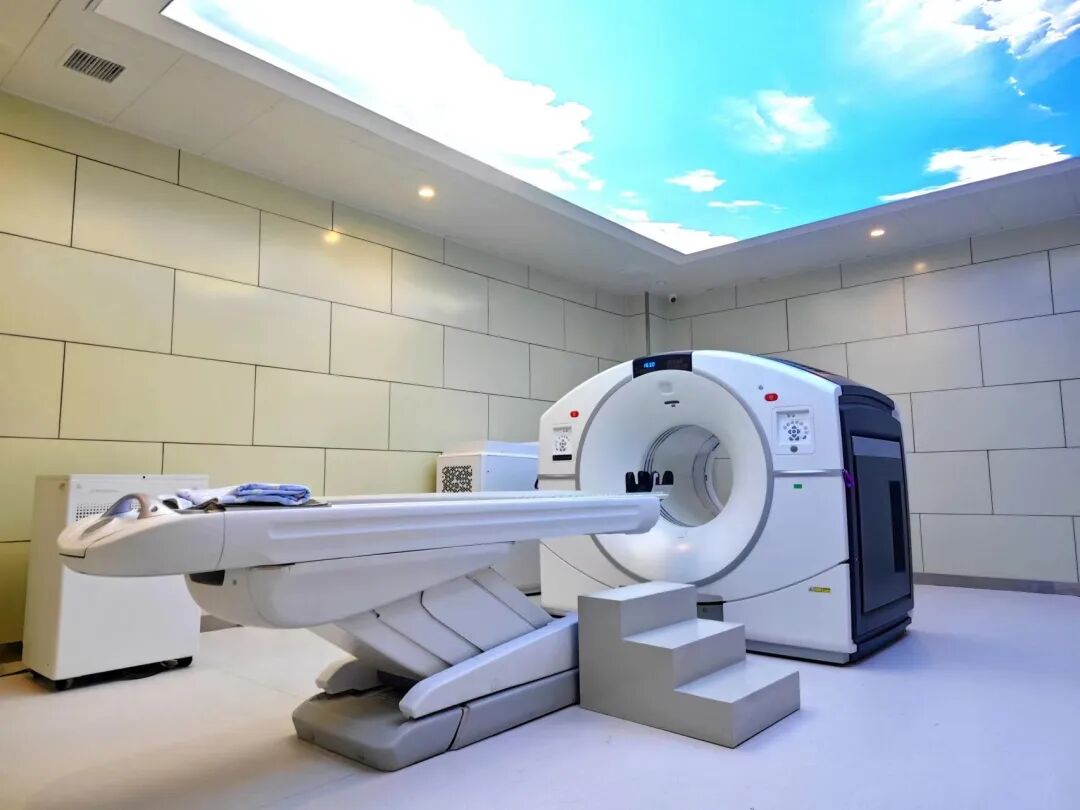
PET/CT
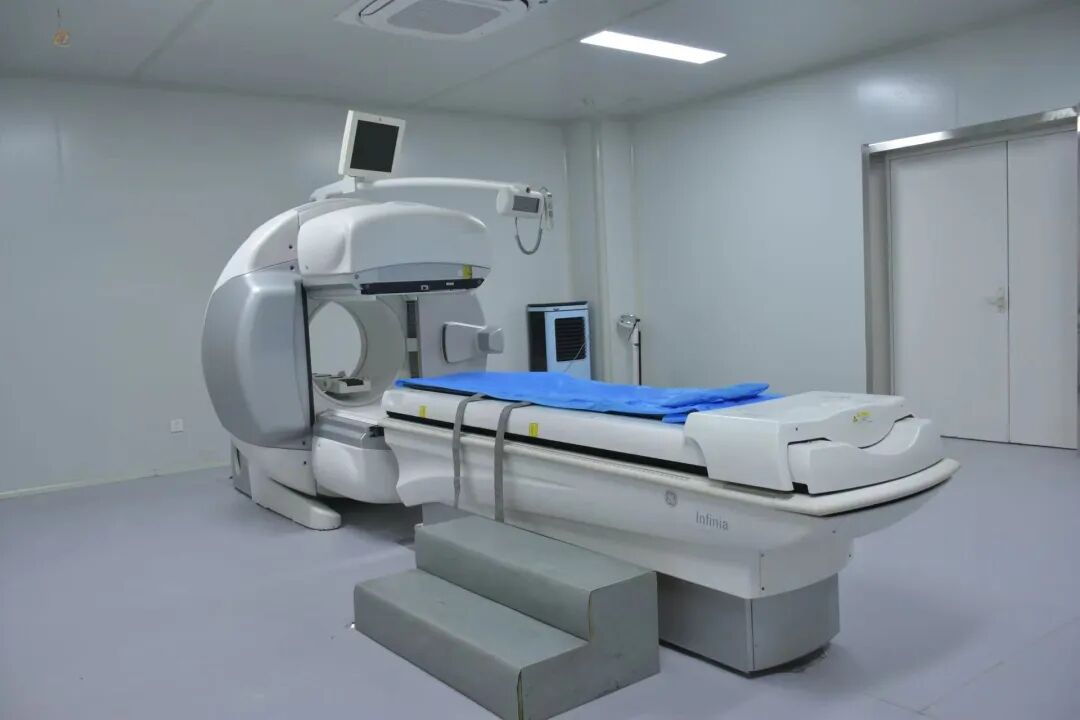
SPECT/CT
(2) Talent‑Driven Strength: A Multidisciplinary Team of Specialized Professionals
In response to the high incidence of gastric cancer in the Hexi region, the department has built a well‑structured team of senior physicians with complementary expertise. In addition, the department regularly invites digestive disease specialists from Japan for on‑site teaching and technical support. Collaborating with both internal and external surgical experts, the department conducts regular multidisciplinary team (MDT) meetings. This mature MDT collaboration model provides strong support for the comprehensive management and clinical research of complex gastrointestinal tumors.
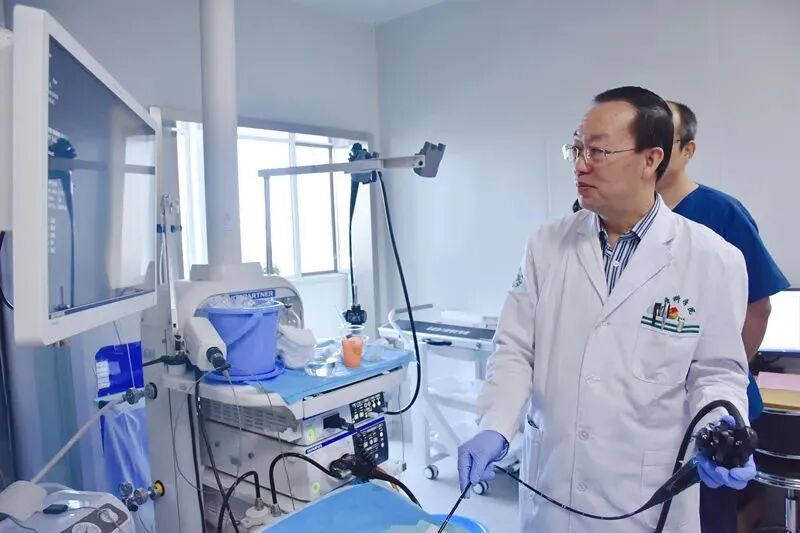
Professor Zhang Zhiyi, Chief Physician, is a leading medical expert recognized by both the Gansu Provincial Health System and Wuwei City. He is the founder of the Gastroenterology Department at Gansu Wuwei Cancer Hospital, currently serving as the department’s Chief Expert and Academic Leader, as well as Director of the Gastroscopy Center
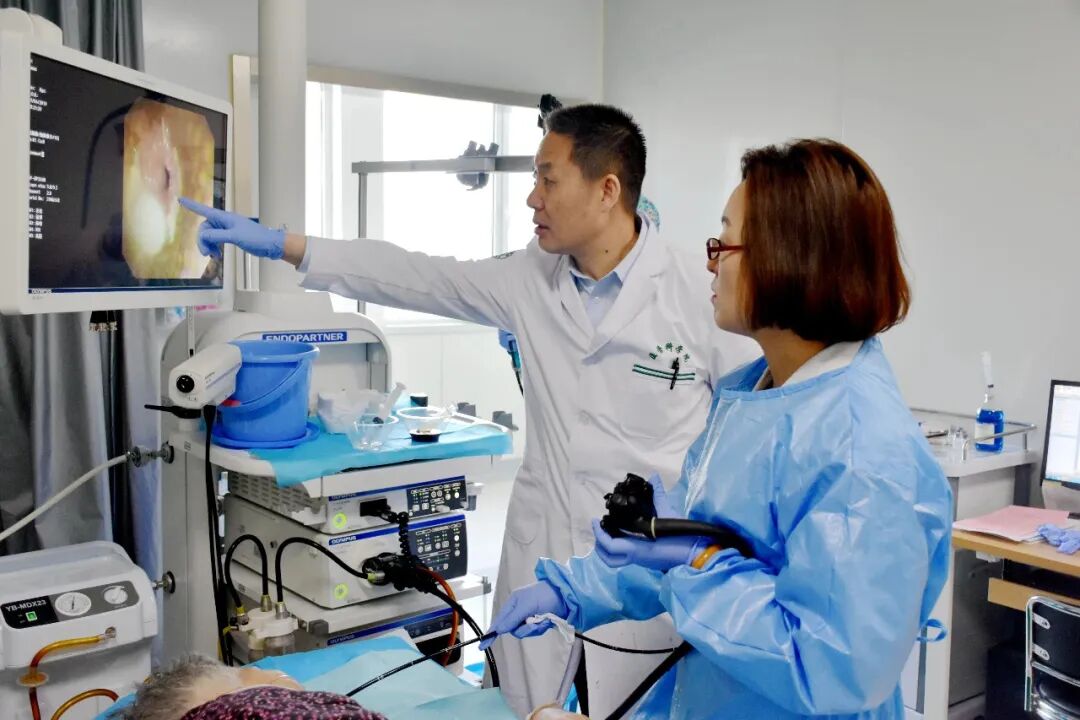
Professor Wu Zhengqi, Chief Physician, is a recipient of the Gansu Provincial Leading Talent award and a Gansu Provincial Model Worker
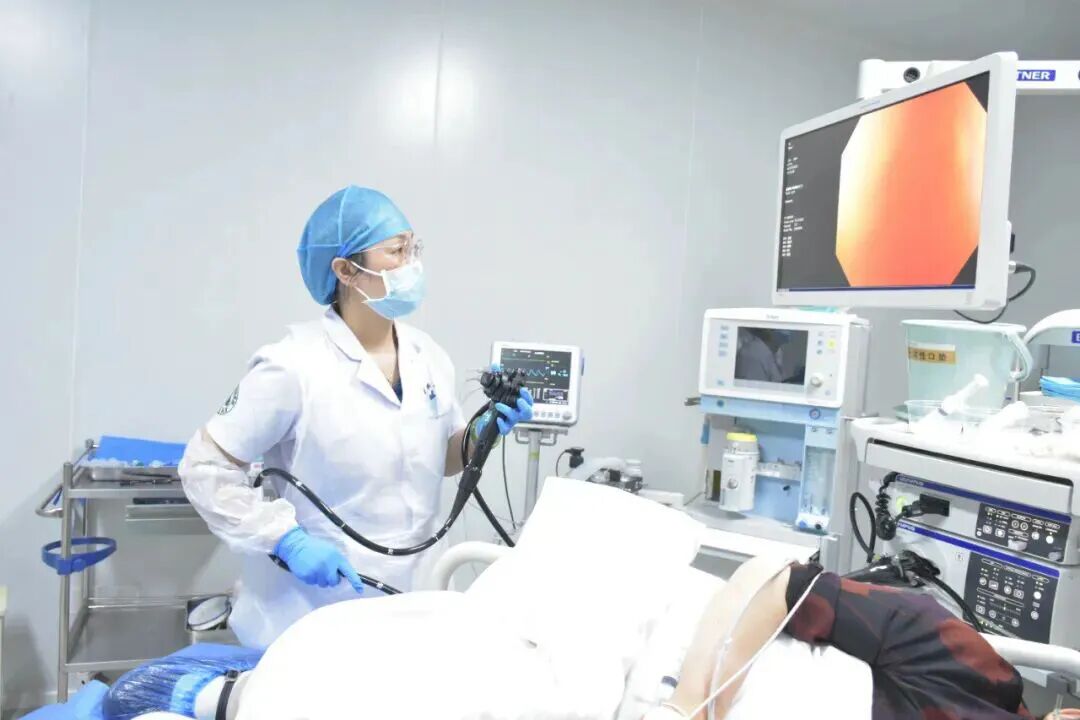
Dr. Lu Linzhi, Chief Physician, Director of the Digestive Disease Center
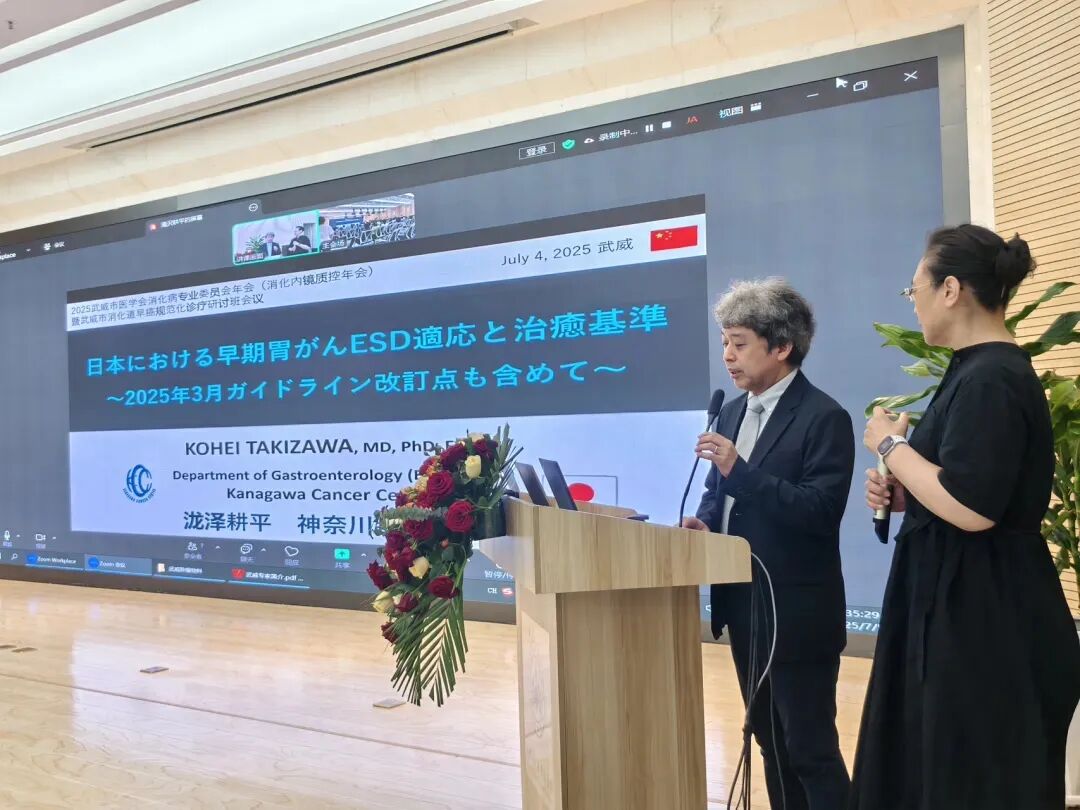
Professor Kohei Takizawa, Cancer Center, Kanagawa Prefectural Hospital, Japan
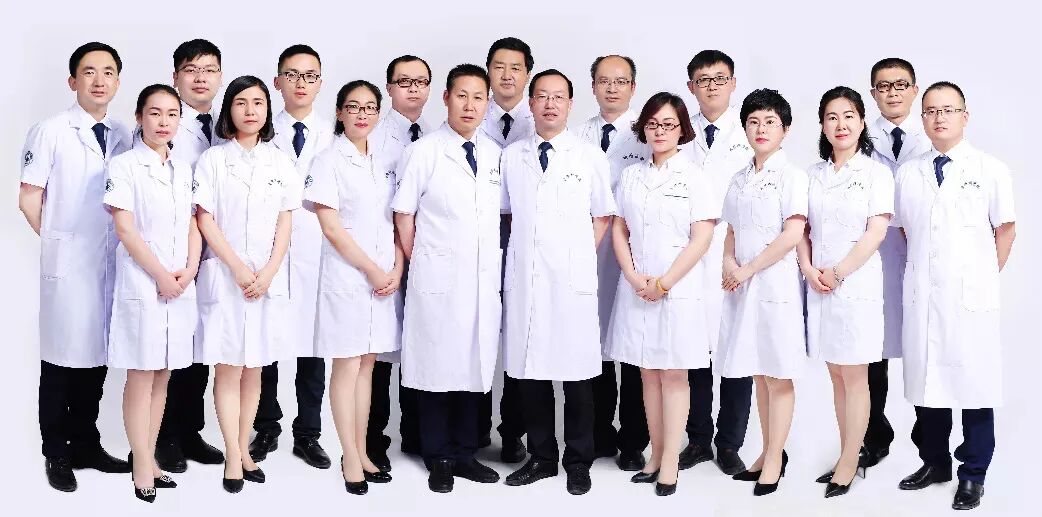
Gastroenterology Discipline Team
(3) A Patient‑Centered Model: Two Decades of Refining the "Wuwei Model"
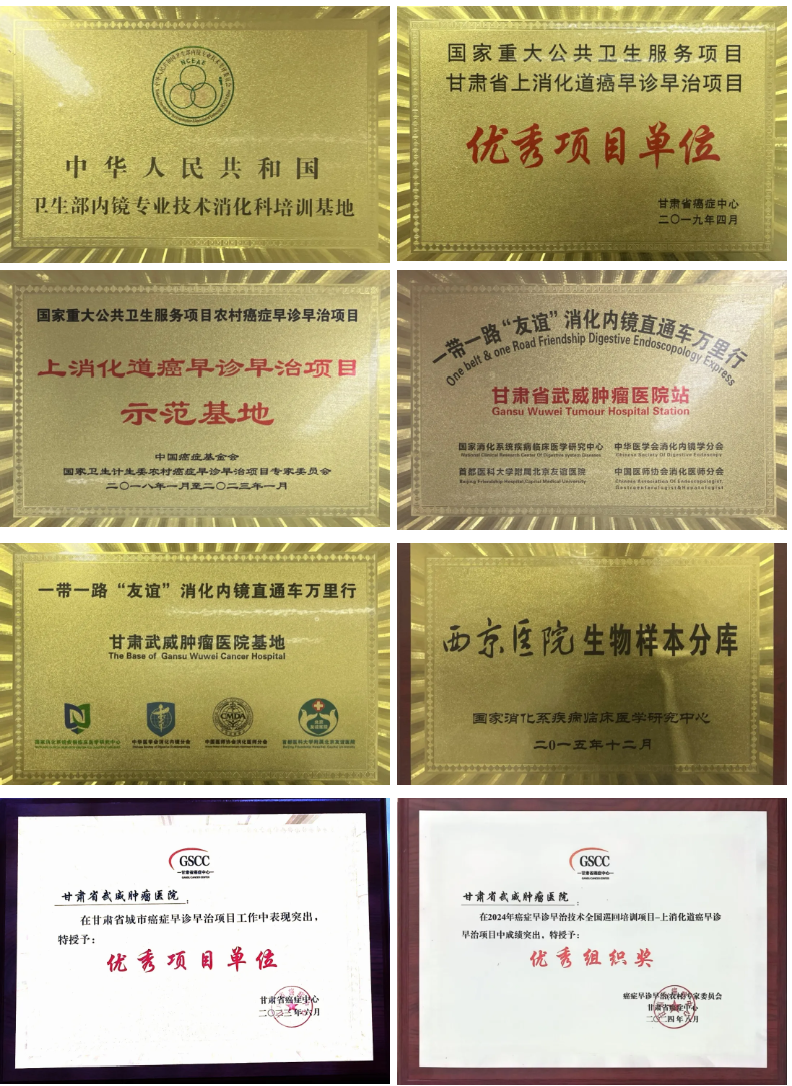
As a national demonstration base for early diagnosis and treatment of upper gastrointestinal cancer, the department has been dedicated to cancer prevention and control for nearly 20 years. Leveraging multiple national and provincial platforms — including the National Early Gastric Cancer Screening and Treatment Base, the National Endoscopy Training Base, the Subcenter of the Molecular Medicine Center for Helicobacter pylori, and the Xijing Biospecimen Sub‑Bank — the department has developed a replicable and scalable cancer prevention and control framework known as the "Wuwei Model." This integrated system covers prevention, screening, diagnosis, treatment, and research. Several of its projects have received national and provincial funding and have been registered internationally.
The successful publication of the ASTRUM‑006 study in The Lancet represents a major achievement in the hospital's long‑standing commitment to the principle of "clinical practice driving research, and research feeding back into clinical care." The hospital has always placed scientific and technological innovation at its core, continuously attracting and developing research talent, increasing funding for research and innovation awards, and building research platforms with universities and affiliated hospitals. It consistently strengthens its specialty diagnosis, treatment, and research capabilities. Leveraging its national‑level endoscopy training qualification, the hospital provides continuing education for primary‑care physicians in northwestern China, cultivating grassroots medical talent and disseminating standardized diagnosis and treatment experience.
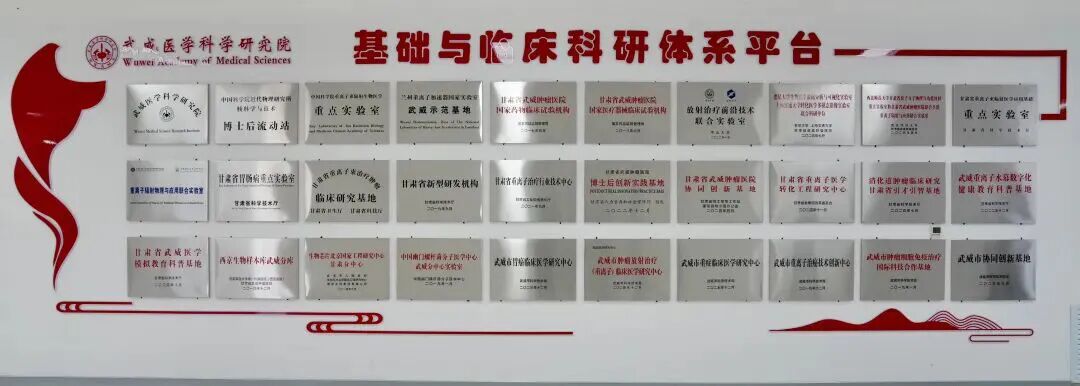
Moving forward, Gansu Wuwei Cancer Hospital will continue to translate the findings of this Lancet study into clinical practice, fully integrating internationally standardized immunotherapy into routine care. Based on the epidemiological characteristics of patients in Northwest China, the hospital will deepen locally relevant clinical research and further improve the regional early screening and treatment system for gastric cancer. Remaining true to its original mission — "Detect one cancer early, save one life, bring happiness to one family" — the hospital will continue to set a benchmark for gastrointestinal cancer care in the Hexi region, safeguarding the digestive health of the people of Gansu with high‑quality medical services.
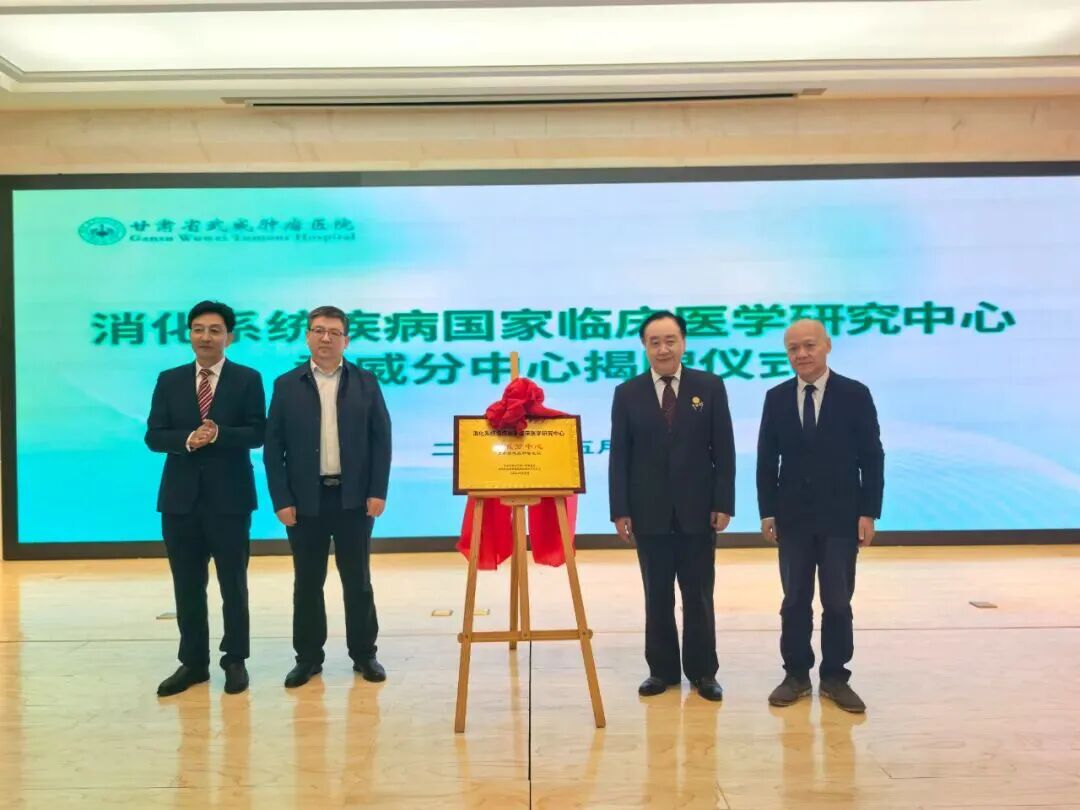
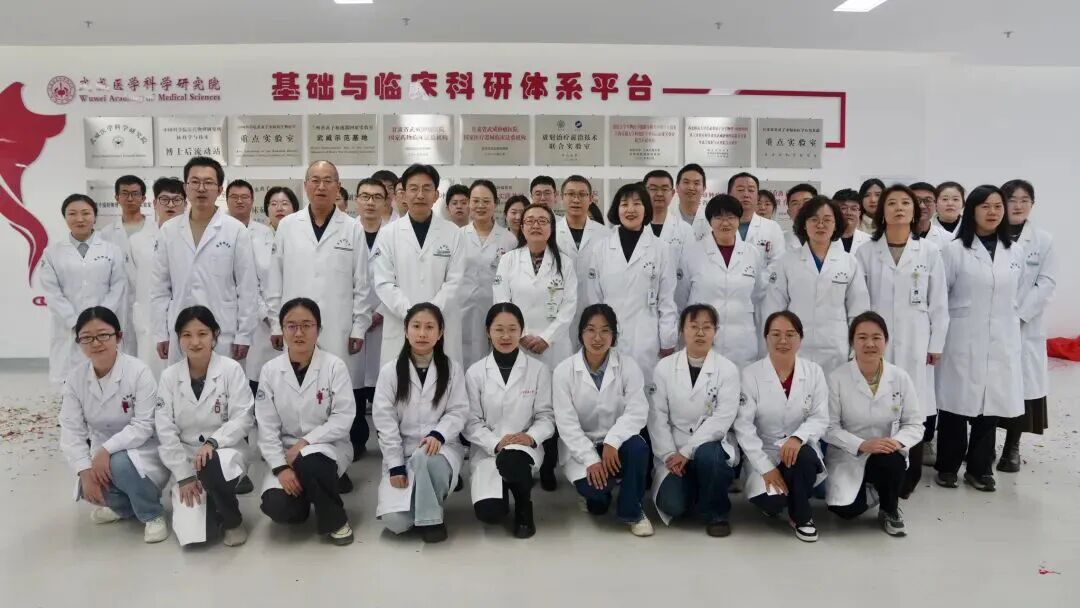
Inauguration of the Branch Center of the National Clinical Research Center for Digestive Diseases
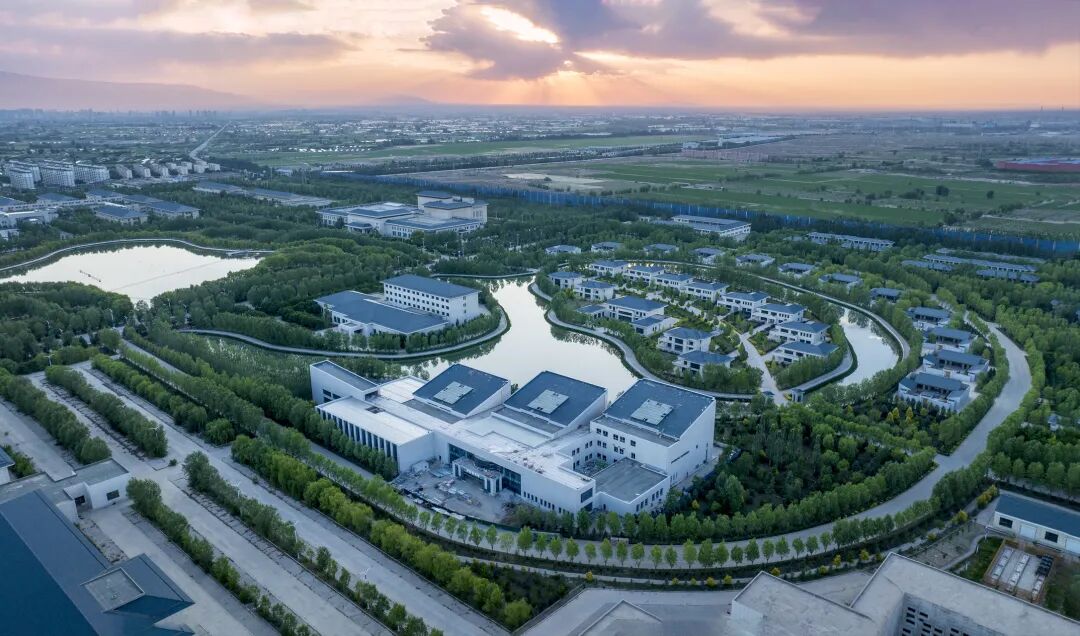
Aerial View of the Wuwei Heavy Ion Center
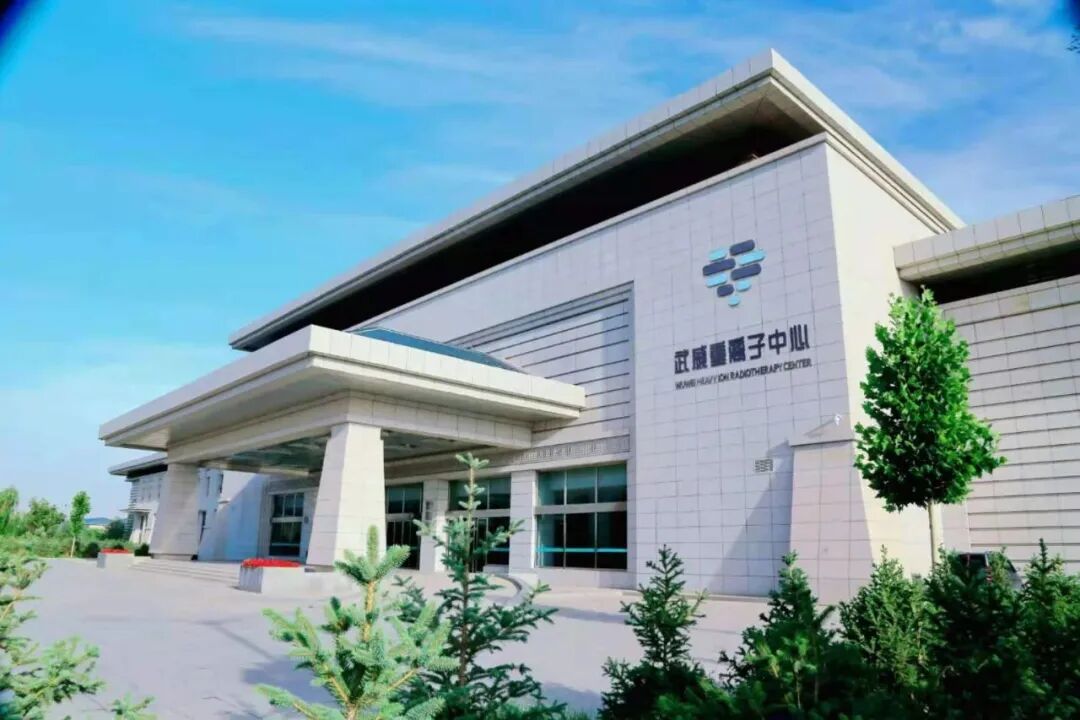
Main Building of the Heavy Ion Center
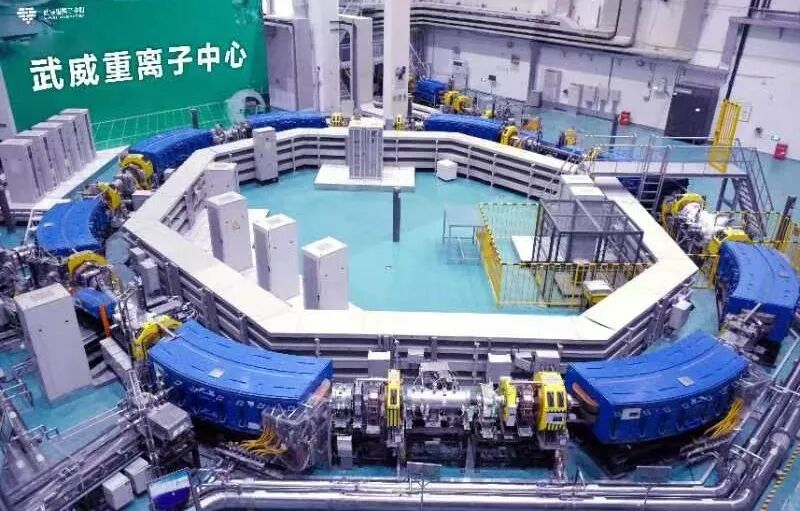
Linear Accelerator at the Wuwei Heavy Ion Center
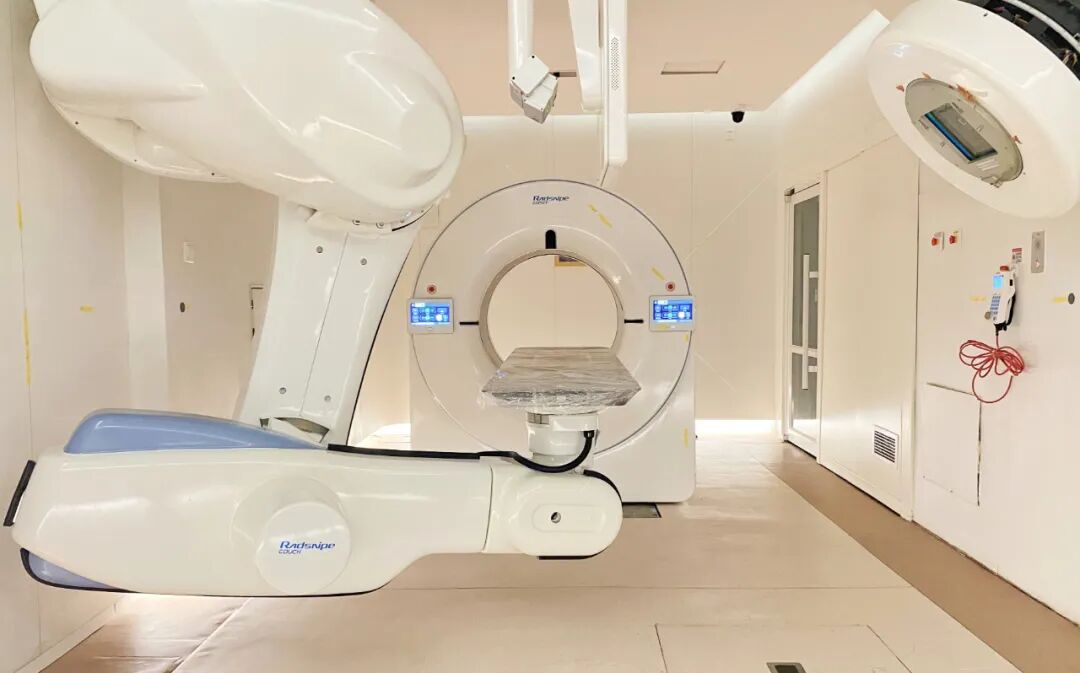
Treatment Room at the Wuwei Heavy Ion Center
Department of Gastroenterology, Gansu Wuwei Cancer Hospital
– First Branch Center of the National Clinical Research Center for Digestive Diseases in Gansu Province
– National Key Clinical Specialty Construction Project (3‑year cultivation cycle)
– Key Discipline of Gansu Province
– First Place in the National Combined Endoscopic‑Pathologic Diagnostic Skills Competition
– Highest Rate of Painless Endoscopy in the Province
– Highest Upper Gastrointestinal Cancer Detection Rate Among All Provincial Hospitals
– Largest Volume of ESD Procedures in the Province
– World‑Class Equipment and Clinical Standards; Performed Gansu's First Robot‑Assisted Transanal/Transabdominal Scarless Appendectomy and First Endoscopic Ultrasound‑Guided Biliary Drainage (EUS‑BD)
– Led by a Large Team of Senior Specialists, Including Zhang Zhiyi (Chief Physician, Founder and Chief Expert of Gastroenterology, Academic Leader, Director of Endoscopy Center, and Leading Talent of the Gansu Provincial Health System), Wu Zhengqi (Chief Physician, Leading Talent of Gansu Province, Provincial Model Worker), and Lu Linzhi (Chief Physician, Chair of the Wuwei Gastroenterology Professional Committee)
– National Early Gastric Cancer Screening and Treatment Base of the National Health Commission
– National Gastroenterology Endoscopy Training Base of the National Health Commission
– Key Laboratory of Gastrointestinal Diseases of Gansu Province
– Wuwei Branch of the Shanghai Molecular Medicine Center for Helicobacter pylori
– Wuwei Branch of the Xijing Biospecimen Bank
Writer: Guo Yishan
First Reviewer: Duan Shengyu
Second Reviewer: Guo Yishan
Third Reviewer: Cai Qinghua