【Good News】Our Hospital Wins Second Prize in National Cancer Prevention Science Competition
【Good News】Our Hospital Wins Second Prize in National Cancer Prevention Science Competition – Strengthening the Three‑Level Prevention Shield
On June 4, the Environment and Oncology Committee of the China Anti‑Cancer Association announced the winners of the 2026 National Environmental Cancer Prevention Science Competition. Gansu Wuwei Cancer Hospital's science entry stood out from the field and won a national second‑prize award. The competition brought together more than 30 top‑tier medical institutions, universities, and disease control centers from across the country. Following rigorous evaluation by over 30 leading experts in the field, our hospital’s submission distinguished itself among 59 competing entries, earning this honor through its solid scientific foundation and innovative approach. This achievement highlights our hospital’s excellence in cancer prevention science communication and its regional leadership role.
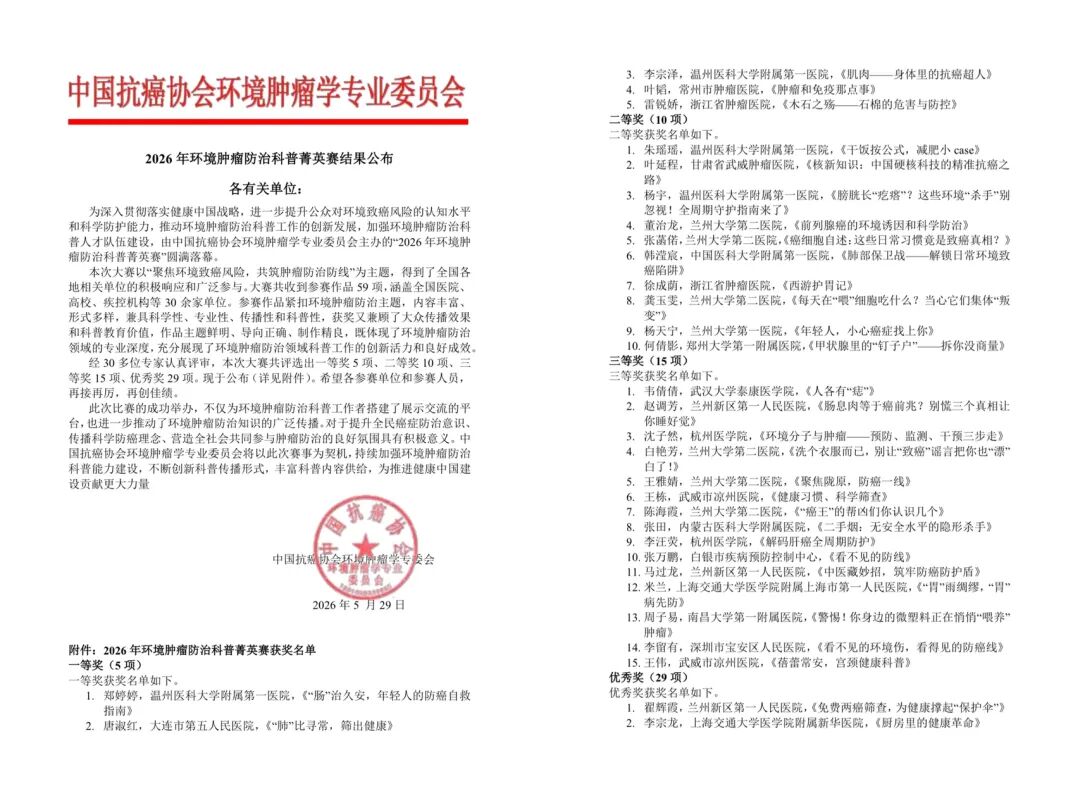
This year’s competition, themed “Focusing on Environmental Cancer Risks, Building a Joint Defense Against Cancer,” invited outstanding science entries from across the country, with a strong emphasis on educating the public about environmental cancer risk factors and the importance of early screening and prevention. Our hospital’s team anchored its entry in the core concept of “three‑level cancer prevention,” striking a balance between professional rigor and public accessibility:
- Primary Prevention (Addressing Causes): The entry explored environmental pollutants, unhealthy lifestyle habits, and other carcinogenic triggers, offering practical, science‑based strategies to reduce exposure and help prevent cancer at the source.
- Secondary Prevention (Early Detection and Treatment): It provided clear, actionable information on cancer screening indicators and the recognition of early‑stage symptoms, aiming to increase public awareness and ability to detect cancer early.
- Tertiary Prevention (Rehabilitation and Management): For patients already diagnosed, the entry systematically explained standardized treatment pathways, key points in post‑treatment rehabilitation, and strategies for preventing and managing complications.
The entry successfully balanced scientific depth, professional accuracy, and effective communication. Drawing on cutting‑edge knowledge in environmental cancer prevention while also reflecting the cultural context and practical cancer prevention needs of people in Northwest China, it stood out through multiple rounds of national judging. Its clear explanations, logical structure, and relatable case examples earned unanimous recognition from the expert panel.
As a key player in cancer prevention and control in Gansu Province, Gansu Wuwei Cancer Hospital has long made “science for the public good” a core part of its mission. The hospital regularly organizes expert teams to conduct cancer prevention outreach activities – including free clinics, health lectures, and screening education – in communities, villages, and schools, reaching over 10,000 people each year. This award‑winning entry is a reflection of the hospital’s sustained commitment to building a strong science communication system.
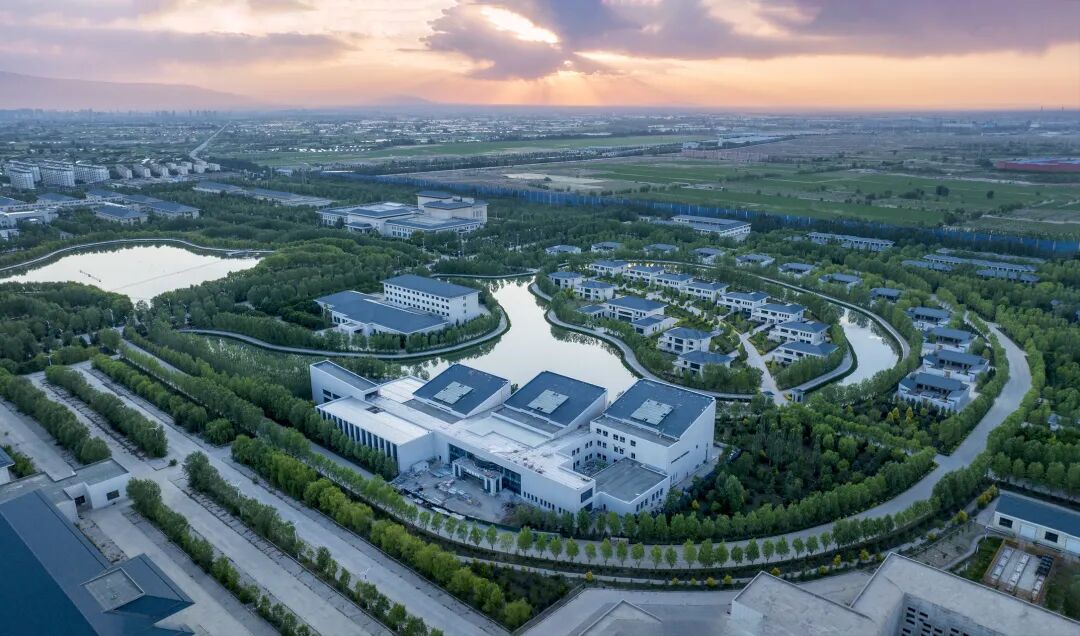
Aerial View of Wuwei Heavy Ion Center
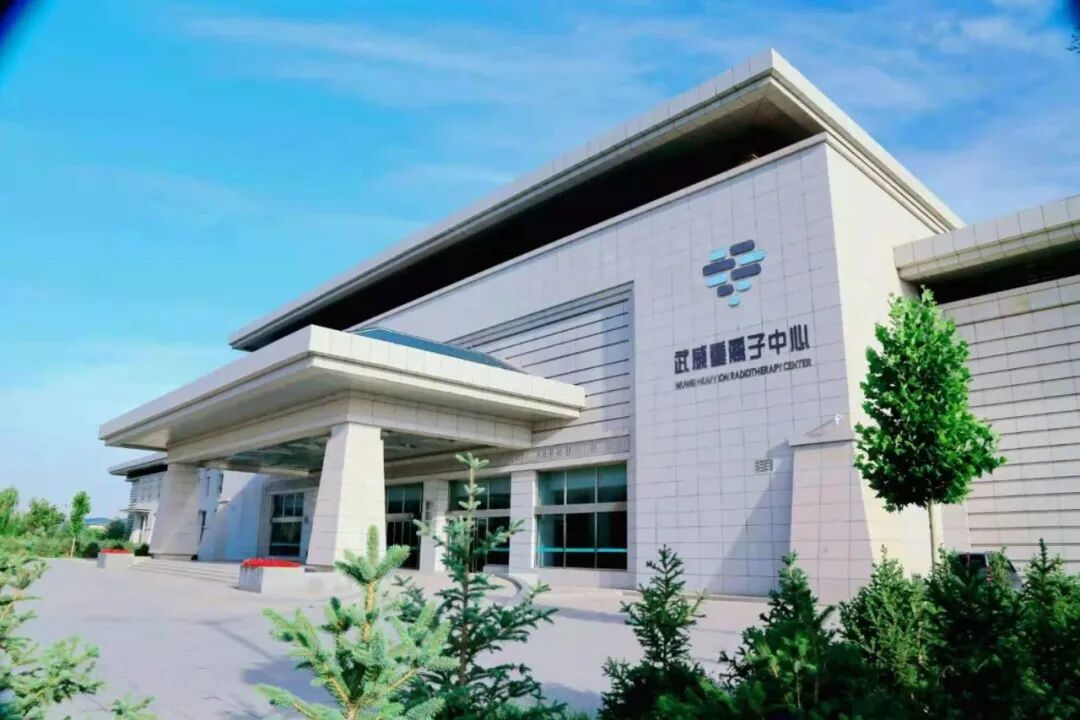
Main Building of the Heavy Ion Center
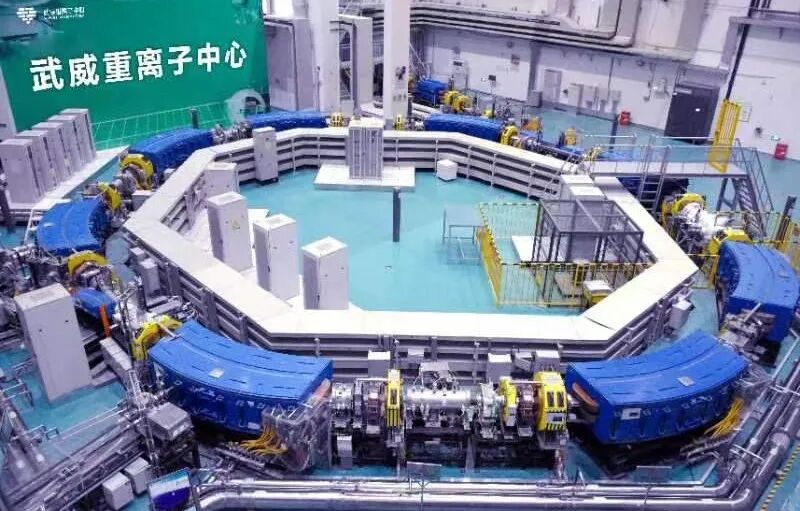
Wuwei Heavy Ion Center Linear Accelerator
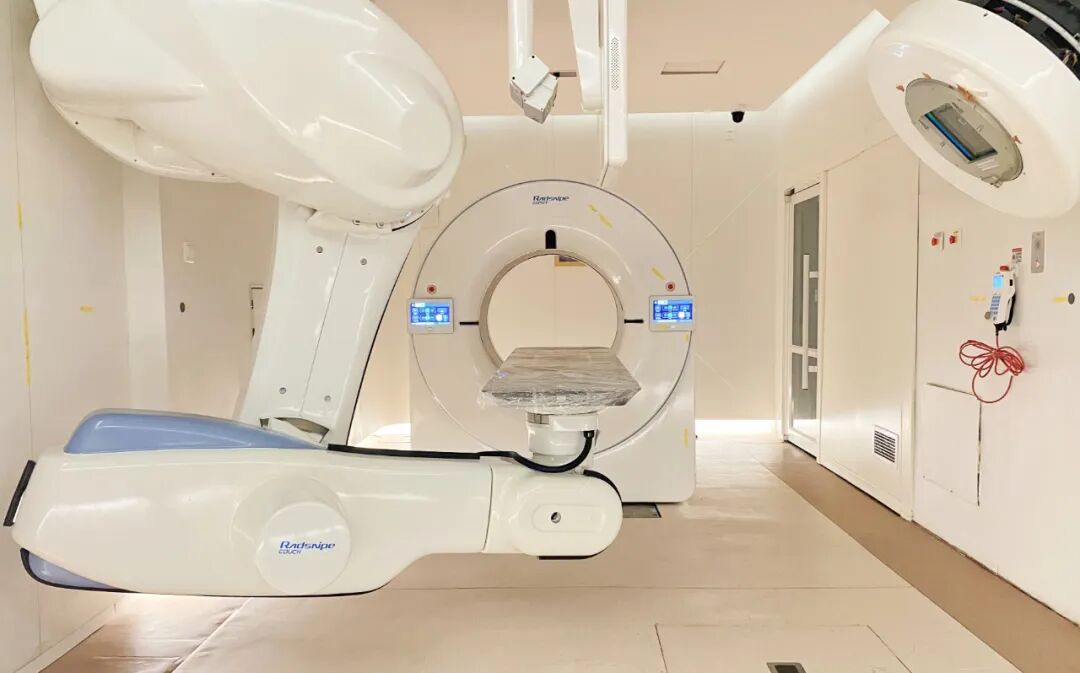
Wuwei Heavy Ion Treatment Cabin
Looking ahead, our hospital will build on this honor to further innovate its science communication methods, deepen content quality, and expand outreach channels. Using a variety of formats – including articles, videos, and interactive experiences – we aim to deliver accurate, actionable knowledge on environmental cancer prevention directly to communities across the Hexi region. At the same time, the hospital will continue to focus on the entire chain of three‑level cancer prevention. Guided by the goals of "professional leadership, precise communication, and public benefit," we are committed to bridging the last mile in cancer prevention science. This effort will bring strong momentum to the high‑quality development of regional cancer prevention and control, and contribute concretely to the implementation of the Healthy China strategy.