Two Stars Unite for Health – First Heavy Ion & Boron Neutron Hospitals Form Alliance
Two Stars Unite for Health – First Heavy Ion & Boron Neutron Hospitals Form Alliance
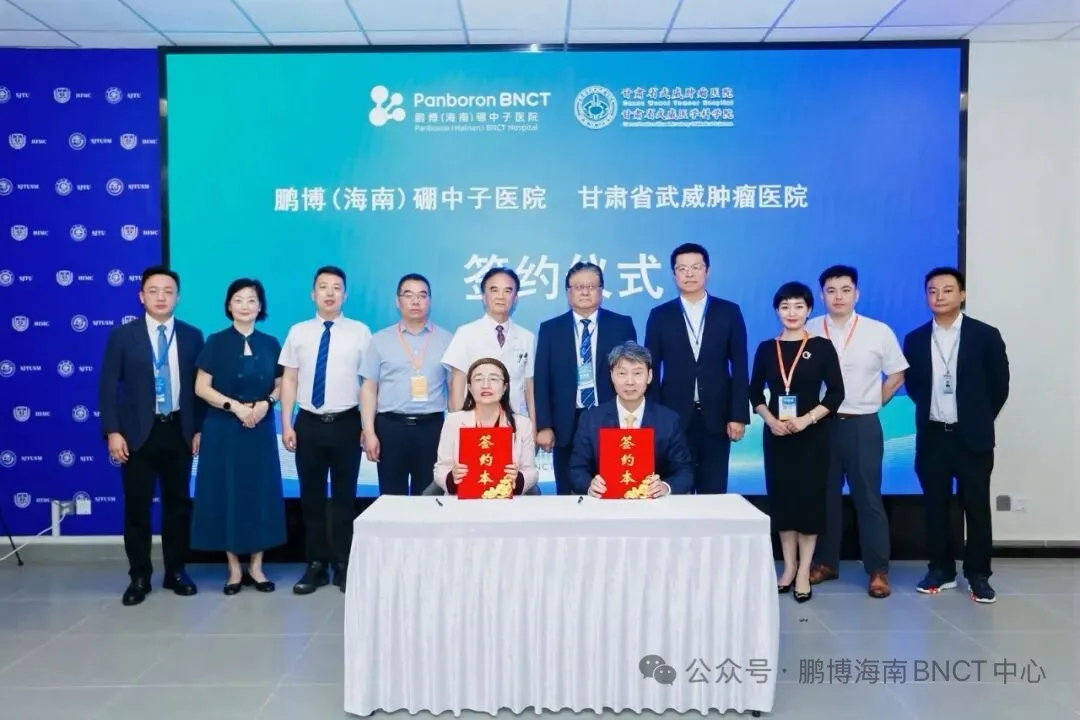
Recently, Gansu Wuwei Cancer Hospital (Wuwei Academy of Medical Sciences) and Pengbo (Hainan) Boron Neutron Hospital formally signed an inter‑hospital diagnostic and treatment collaboration agreement. The first Chinese heavy ion hospital and the nation's first boron neutron capture therapy hospital have joined forces to promote the deep integration and complementary advantages of these two cutting‑edge tumor radiotherapy technologies – heavy ion therapy and boron neutron capture therapy – working together to open new recovery pathways for cancer patients.
Heavy ion therapy, with its core advantages of "precisely destroying lesions while greatly reducing side effects," has become a "national heavy instrument" in the field of oncology. The key principle behind it is the "Bragg peak" effect – a high‑energy particle beam delivers energy precisely to the tumor site, directly causing double‑strand breaks in cancer cell DNA that cannot be repaired, while maximizing protection of surrounding normal tissues. It has shown significant therapeutic value, particularly for complex tumors such as liver cancer, pancreatic cancer, and glioblastoma – tumors that are "close to sensitive organs" or "difficult to resect surgically."
As the birthplace of domestically produced heavy ion technology and the "Jinggangshan" of ion radiotherapy in China, and as the only hospital in the world operating two heavy ion treatment systems simultaneously, the hospital has formed a dual‑center linkage structure with Wuwei and Lanzhou as twin hubs, creating an "integrated body with two wings" pattern. Leveraging nine world‑first or domestically first heavy ion cancer treatment technologies – including precision heavy ion therapy under ventilator control, bladder cancer treatment with precise bladder capacity management, and single‑fraction treatment using surgically implanted spacers between organs and tumors – the hospital has brought new hope to patients for whom conventional radiotherapy was ineffective. Due to its unique physical and biological advantages, heavy ion therapy is indicated for over 100 types of malignant tumors. Since March 2020 at the Wuwei Heavy Ion Center and subsequently taking over management of the Lanzhou Heavy Ion Center in November 2024, the hospital has successfully treated more than 2,800 patients from all provinces and municipalities across China, as well as from Hong Kong, Macao, Taiwan, and countries including Belgium, Australia, South Korea, Malaysia, Canada, Vietnam, Singapore, Thailand, New Zealand, Jordan, and Serbia. For many tumor types, the treatment outcomes have surpassed international levels in this field.
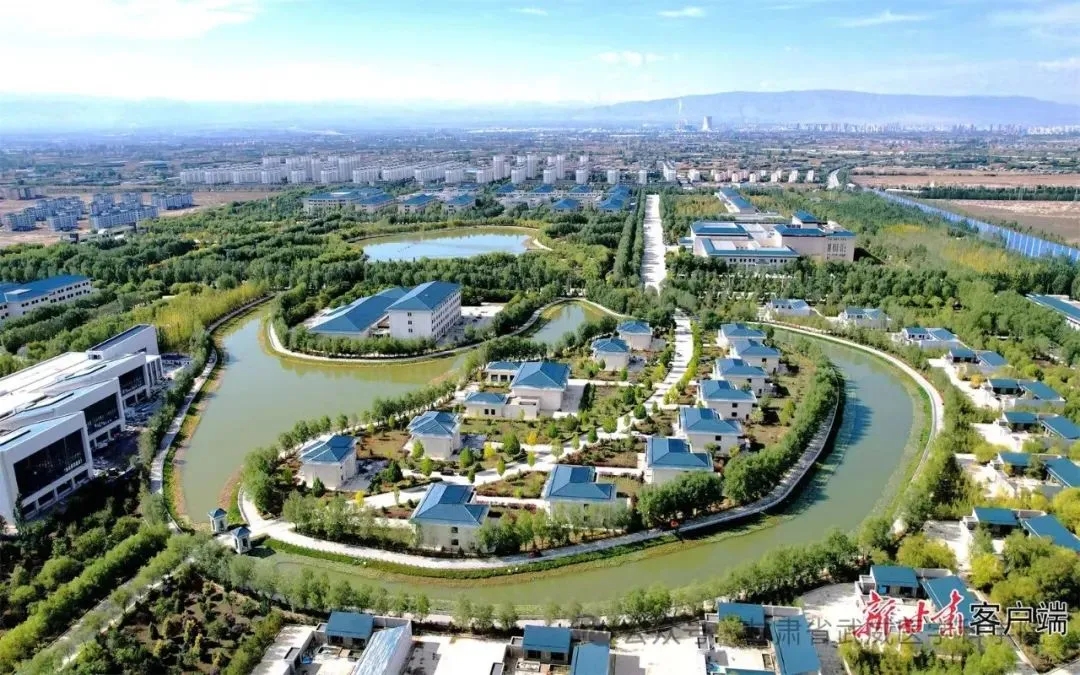
Aerial View of Wuwei Heavy Ion Center
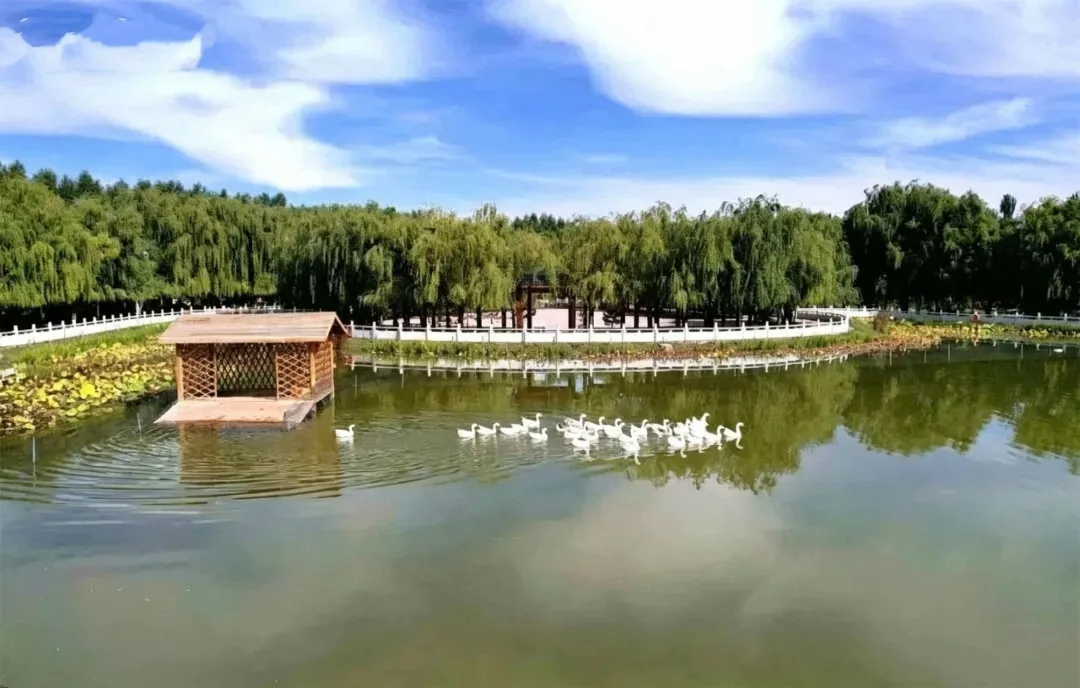
Wuwei Heavy Ion Center Lake of Life
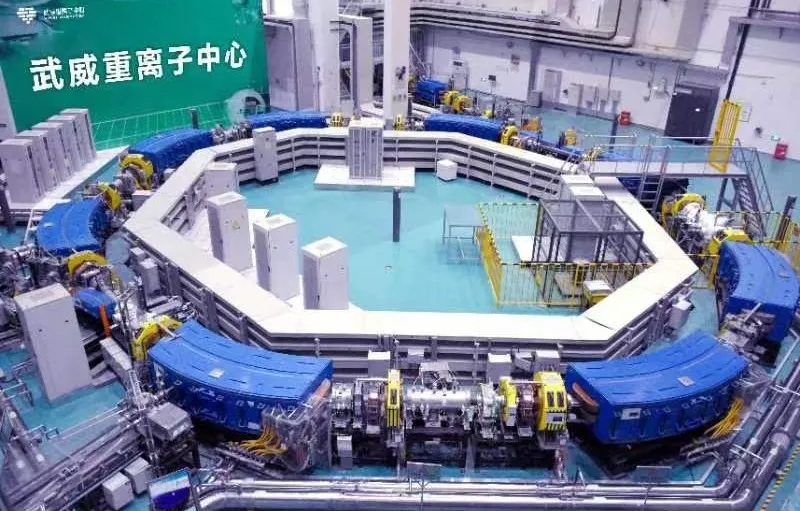
Heavy Ion Linear Accelerator
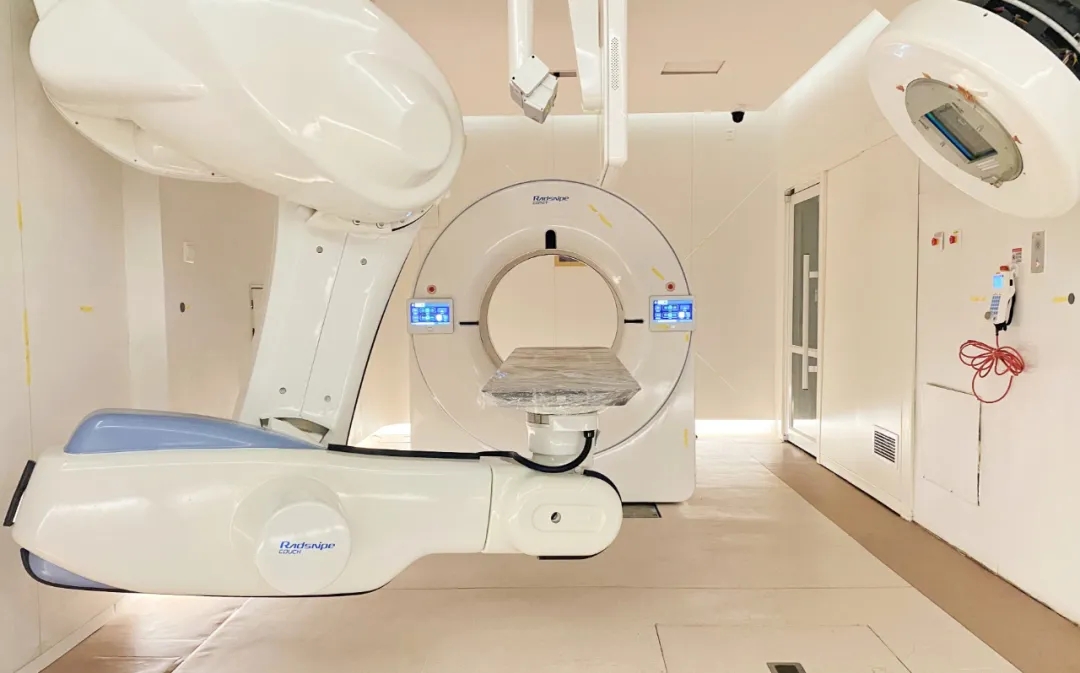
Wuwei Heavy Ion Treatment Chamber
Boron neutron capture therapy (BNCT) is a novel cancer treatment modality in which the boron‑10 isotope is administered into the patient's body, followed by neutron beam irradiation of the tumor site, achieving precise targeting of the tumor. According to current clinical research results, BNCT has shown good therapeutic efficacy against locally aggressive malignancies such as melanoma, glioma, and recurrent head and neck cancer. Since Pengbo (Hainan) Boron Neutron Hospital performed its first BNCT treatment on March 19, the hospital has completed a total of 21 BNCT clinical treatments to date. Follow‑up results have been favorable, and the clinical safety and effectiveness of BNCT technology have been preliminarily validated.
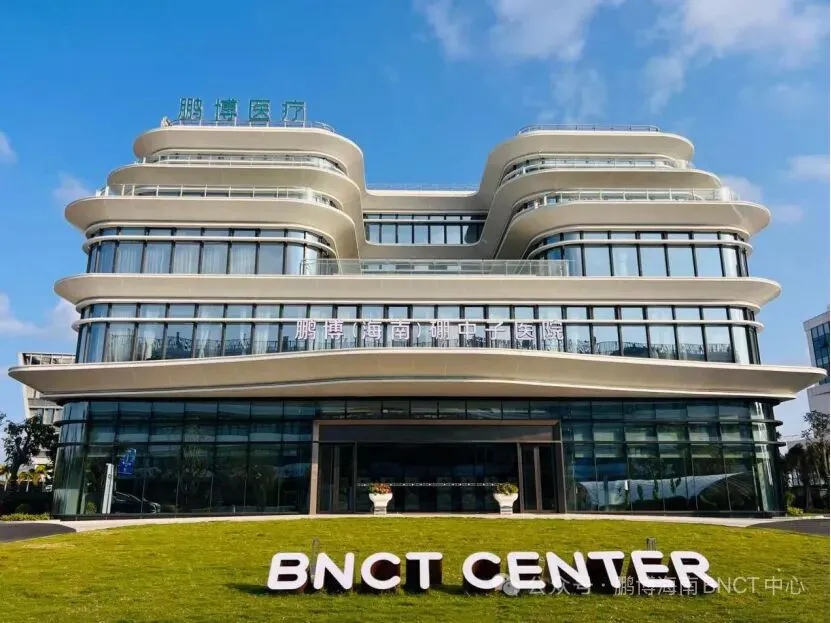
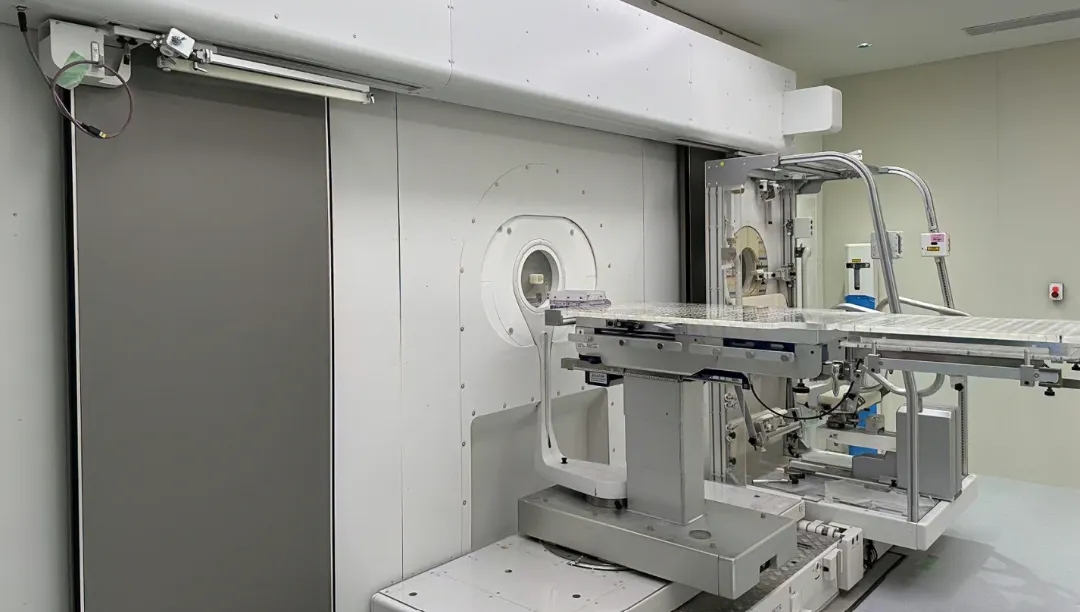
Pengbo (Hainan) Boron Neutron Capture Therapy System of Boron Neutron Hospital
This collaboration represents both a deep integration of two cutting‑edge radiotherapy technologies – domestically produced heavy ion therapy and BNCT – and an important milestone in cross‑regional medical resource sharing and mutual advancement. Leveraging their respective strengths, the two parties will engage in comprehensive cooperation in areas such as academic exchange, clinical diagnosis and treatment, research, and talent development, sharing resources and working hand in hand to advance the field, so that these leading‑edge cancer treatment technologies can benefit more patients.
Written by: Guo Yishan, Duan Shengyu
First review: Ma Shuqian
Second review: Guo Yishan
Third review: Cai Qinghua