Professor Cai Keshu Visits for Teaching Rounds & Expert Consultations
Professor Cai Keshu (Jiangsu Provincial People's Hospital) Visits for Teaching Rounds & Expert Consultations
On May 22, Professor Cai Keshu, Chief Technician of the Rehabilitation Medicine Center of Jiangsu Provincial People's Hospital, Associate Professor of the School of Rehabilitation Medicine at Nanjing Medical University and Nanjing Sport Institute, and Master's Supervisor, was invited to visit the Heavy Ion Center of Gansu Wuwei Cancer Hospital. He conducted teaching ward rounds and expert consultations in the Rehabilitation Medicine Department. This initiative to bring in high‑quality national‑level rehabilitation medical resources aims to further enhance our hospital's comprehensive rehabilitation diagnosis and treatment capabilities for cancer patients, allowing local patients to receive top‑tier rehabilitation medical services without leaving their hometown.
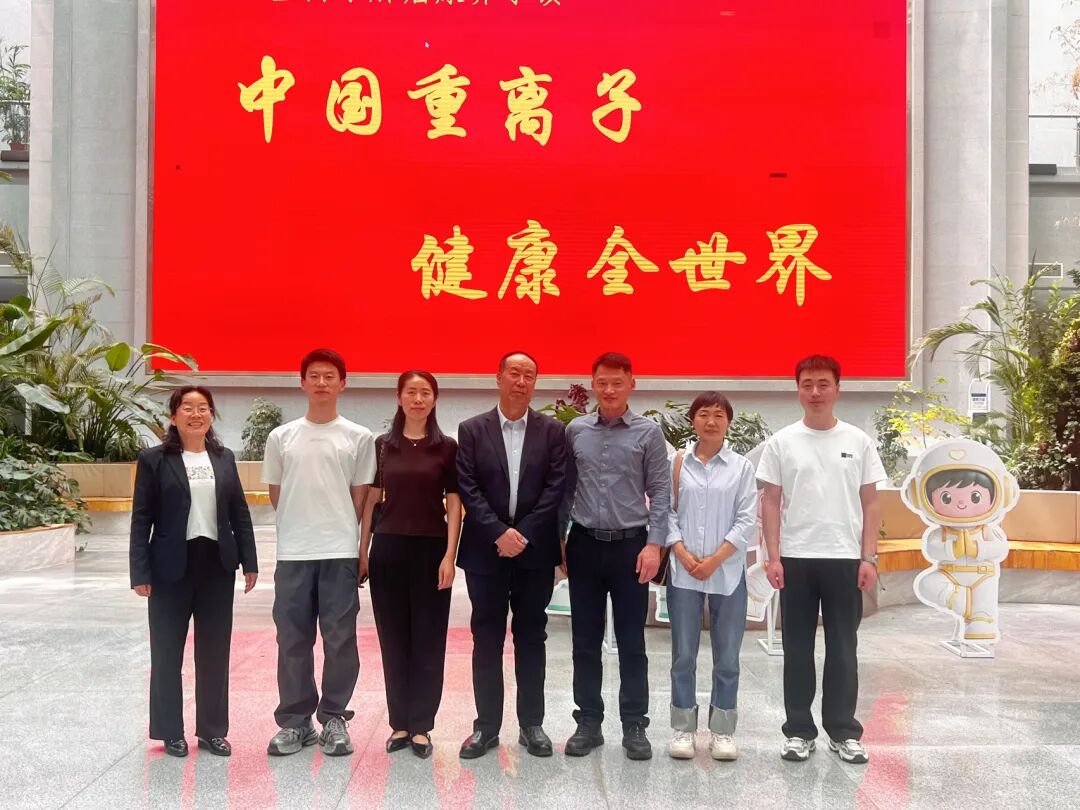
Professor Cai Keshu is a senior expert in the field of rehabilitation medicine and currently serves as Deputy Director of the Qixia Rehabilitation Campus of Jiangsu Provincial People's Hospital. He has led and participated in numerous national and provincial key research projects, including two projects under the National Key R&D Program of the Ministry of Science and Technology, two projects under the National Natural Science Foundation of China, and three major R&D projects of the Jiangsu Provincial Department of Science and Technology. He has published over 30 high‑level academic papers in core domestic and international journals (including 15 SCI papers). He is the lead editor of Physical Therapy for Spinal Cord Injury, deputy editor of key Jiangsu provincial textbooks Community Appropriate Rehabilitation Technology and Evidence‑Based and Practical Rehabilitation Medicine, and a contributing author to eight other academic monographs. He holds over 40 authorized national patents and one PCT patent (USA). His main research interests include rehabilitation treatment and assistive technology for neurological injuries, rehabilitation robotics and human‑robot interaction, physical therapy for spinal cord injury and social reintegration promotion, community‑based exercise interventions for chronic diseases, and integration of exercise medicine and exercise‑health. His academic appointments include: Standing Committee Member and Deputy Head of the Youth Working Group of the Intelligent Rehabilitation Professional Committee of the Chinese Association of Rehabilitation Medicine, Standing Committee Member of the Rehabilitation Aids Application Professional Committee of the Chinese Association of Rehabilitation Medicine, Director and Deputy Secretary‑General of the Jiangsu Association of Rehabilitation Medicine, and Vice Chairperson of the Sports Medicine and Rehabilitation Professional Committee of the Jiangsu Society of Sports Science, among others.
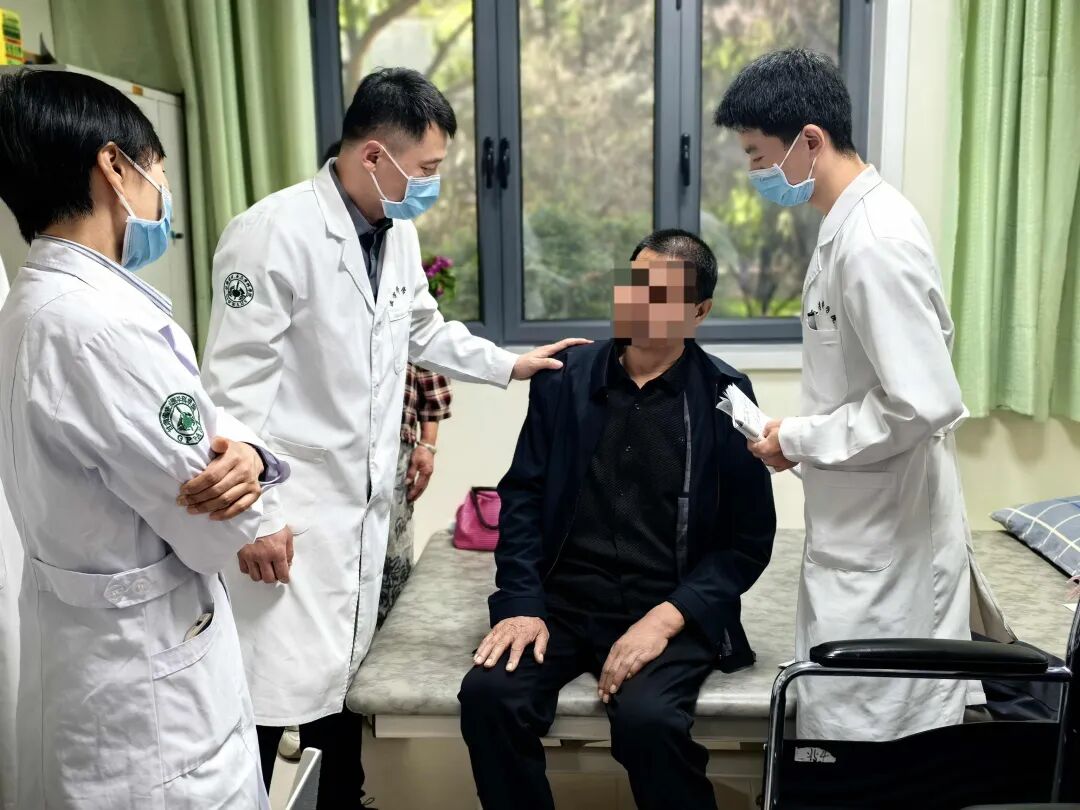
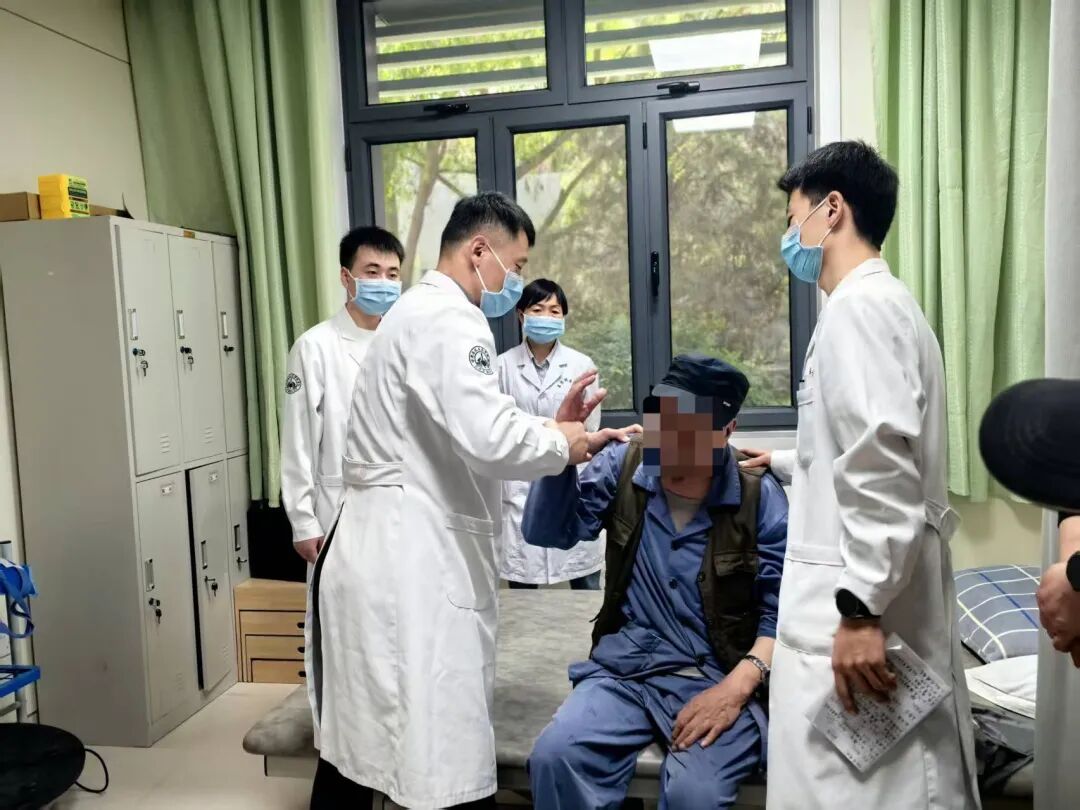
During this guidance visit, Professor Cai Keshu went deep into the inpatient ward and outpatient clinic of the Rehabilitation Medicine Department, carefully inquiring about each patient's condition, functional status, and treatment progress, and engaging in in-depth discussions with the center's rehabilitation medical and nursing team. For different patients' individual circumstances, the professor worked with the team to analyze key issues in rehabilitation diagnosis and treatment, formulate precise and personalized rehabilitation treatment plans, and emphasized that cancer rehabilitation is a comprehensive, systematic process that requires integrating multiple factors such as the patient's physical function, tumor type, treatment stage, psychological state, and social reintegration needs, ensuring that each rehabilitation plan is both scientifically sound and specifically tailored.
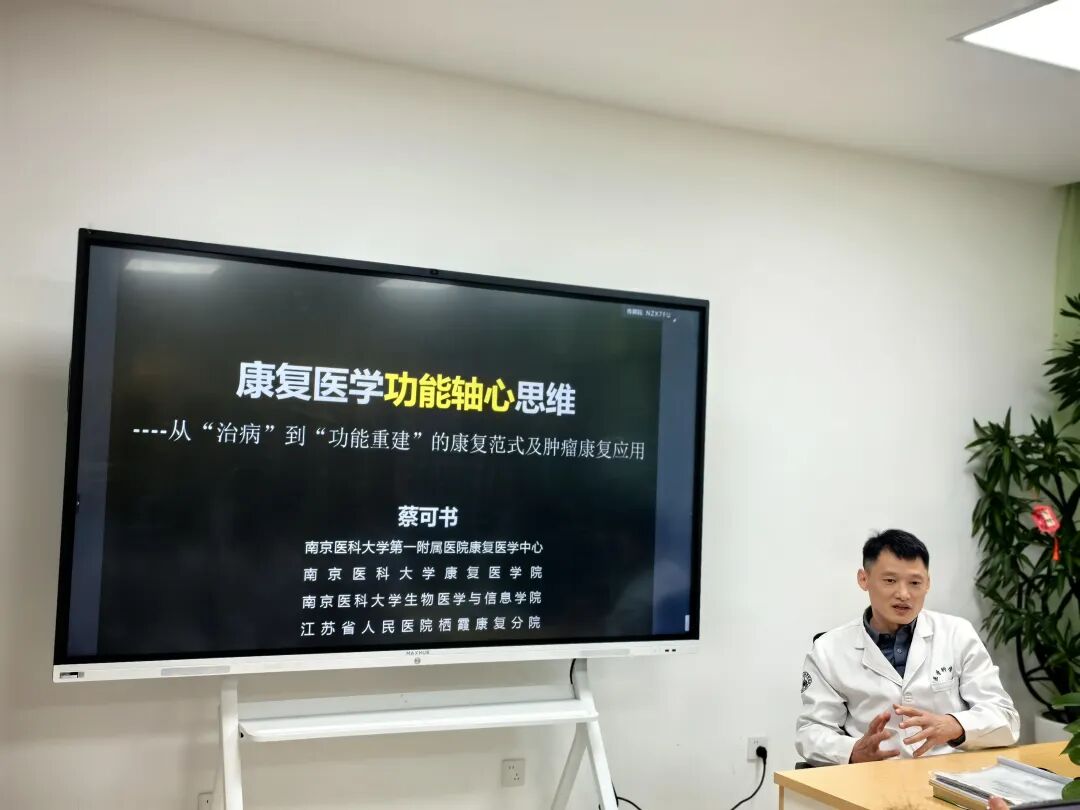
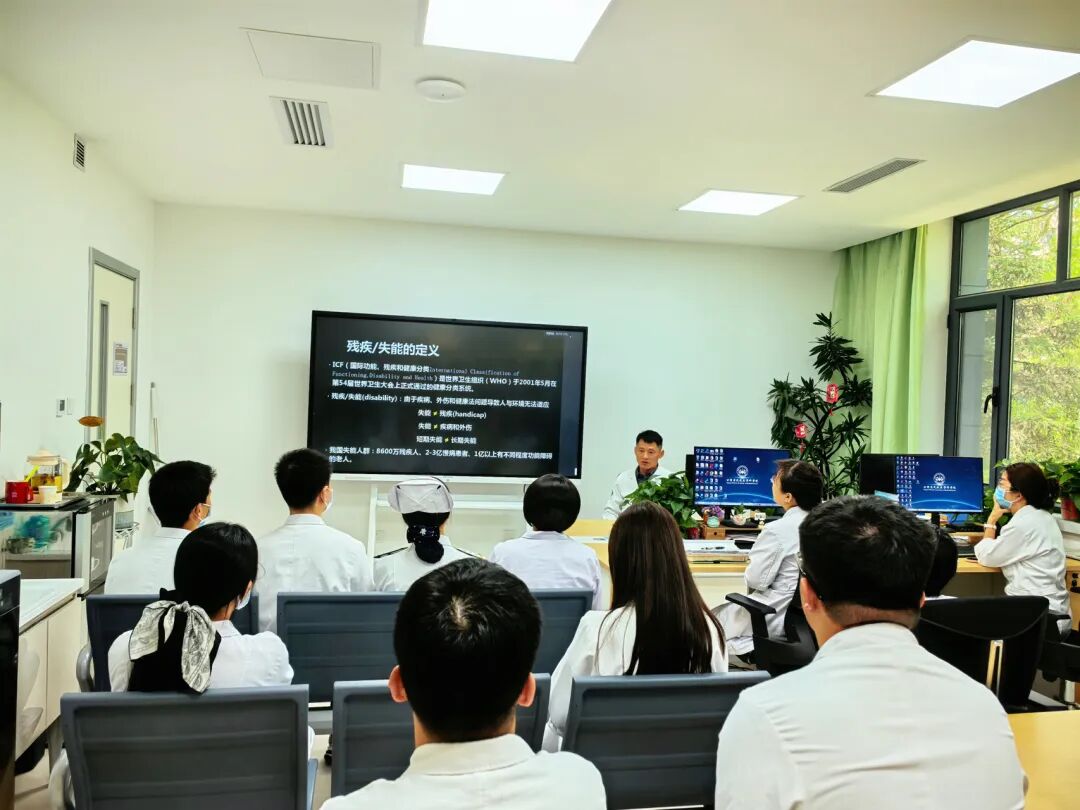
During the specialized lecture session, Professor Cai Keshu delivered a talk titled "The Function‑Centered Thinking in Rehabilitation Medicine," systematically elaborating the rehabilitation concept centered on functional improvement as the core orientation. Using typical case examples, he worked step‑by‑step through functional assessment, goal setting, intervention implementation, and outcome evaluation, providing detailed explanations of integration strategies for cutting‑edge technologies such as neurological injury rehabilitation, rehabilitation robotics, and exercise‑medicine integration in clinical practice. Following the lecture, Professor Cai also joined experts from our hospital's Rehabilitation Medicine Department and related departments in discussing typical cases, offering detailed evaluations and in‑depth exchanges on aspects such as the staging of patient functional impairments, timing of rehabilitation interventions, adaptation of assistive devices, and long‑term social reintegration. This helped our hospital's team broaden their rehabilitation diagnostic and treatment perspectives, standardize rehabilitation procedures, optimize treatment strategies, and comprehensively elevate the overall level of multidisciplinary collaboration in rehabilitation medicine.
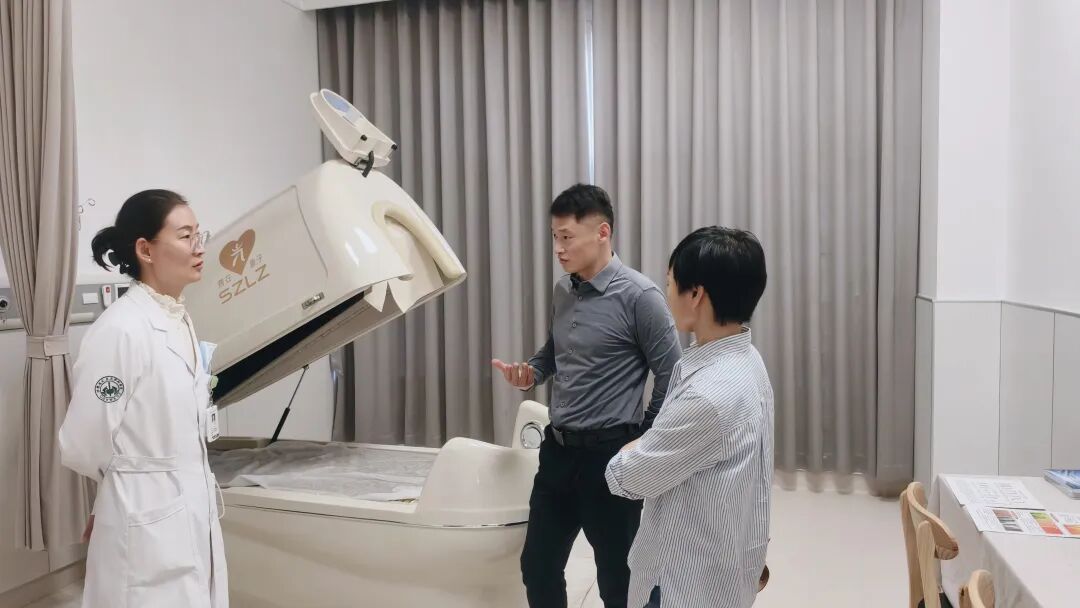
Additionally, Professor Cai Keshu toured the treatment systems and rehabilitation facilities at the Heavy Ion Center, expressing high recognition for our hospital's integrated model of "advanced treatment + whole‑course rehabilitation." He also offered valuable suggestions on the deep integration of rehabilitation with cancer treatment and the clinical application of rehabilitation robotics.
Professor Cai Keshu's visit is another vivid example of our hospital's commitment to the mission of "gathering world‑leading technologies to benefit cancer patients everywhere." As the only medical institution in the world operating two heavy ion therapy systems simultaneously, our hospital maintains an open and inclusive approach, building academic bridges. We focus not only on the introduction and innovation of domestic cutting‑edge radiotherapy technologies but also on the development of clinical support systems such as rehabilitation therapy and functional reconstruction. By regularly inviting nationally authoritative rehabilitation experts to conduct ward rounds, consultations, lectures, and guidance, we are advancing clinical rehabilitation practice toward standardization and elevating diagnostic, treatment, and rehabilitation levels toward greater uniformity. This ensures that top‑tier technologies truly take root at the grassroots level and benefit the general population.
Author: Ma Shuqian
Initial Review: Ma Shuqian
Secondary Review: Guo Yishan
Secondary Review:Cai Qinghua
Gansu Wuwei Cancer hospital (Gansu Wuwei Academy of Medical Sciences)
(甘)医广【2025】第11-14-387号