Did you know? Metronomic chemotherapy: a gentler, sustained approach to controlling cancer
Did you know? There is a type of chemotherapy called "metronomic chemotherapy"—a "slow and steady" approach to tumor treatment. This method offers a gentler way to control cancer!
While traditional chemotherapy attacks tumors with an "aggressive and rapid" approach, a gentler and more sustained treatment strategy, known as "metronomic chemotherapy," is gradually emerging as a significant option for treating solid tumors such as lung cancer. Rather than aiming to rapidly shrink tumors, it achieves long-term control by administering low doses of medication at high frequencies.
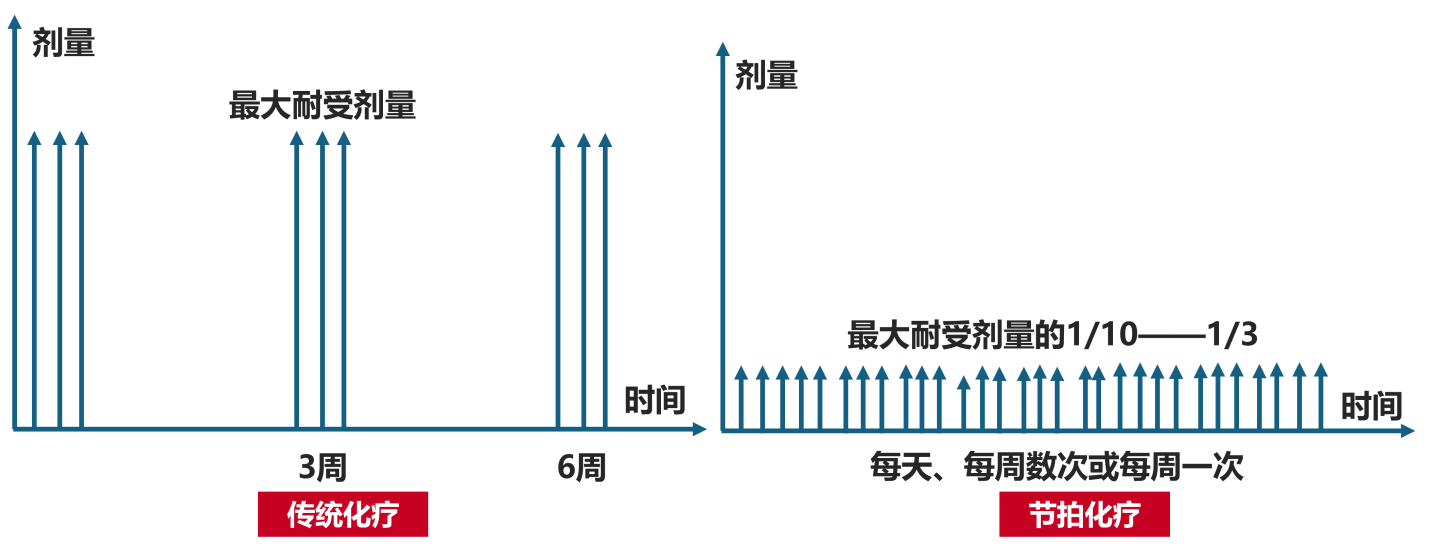
I. Mechanism of Action: Triple-Pronged Attack, Synergistic Tumor Control
1. Anti-Angiogenesis: "Starving" the Tumor
The core mechanism of metronomic chemotherapy lies in the continuous inhibition of tumor neovascularization. It targets genetically stable vascular endothelial cells, suppressing their proliferation to cut off the tumor's "nutrient supply." This causes tumor cells to die due to ischemia and hypoxia, with a low likelihood of inducing drug resistance.
2. Immunomodulation: Releasing the Immune "Brake"
Metronomic chemotherapy reduces the number of regulatory T cells in the body—cells that suppress immune responses. This is akin to releasing the "brake" on the immune system, thereby activating the patient's own cytotoxic T cells and enhancing anti-tumor immunity.
3. Continuous Inhibition: Blocking Repair and Proliferation
Through sustained exposure to low drug concentrations, metronomic chemotherapy continuously inhibits tumor cells and tumor stem cells with self-renewal capabilities. This prevents them from repairing damage and accelerating proliferation, achieving long-term disease stabilization.
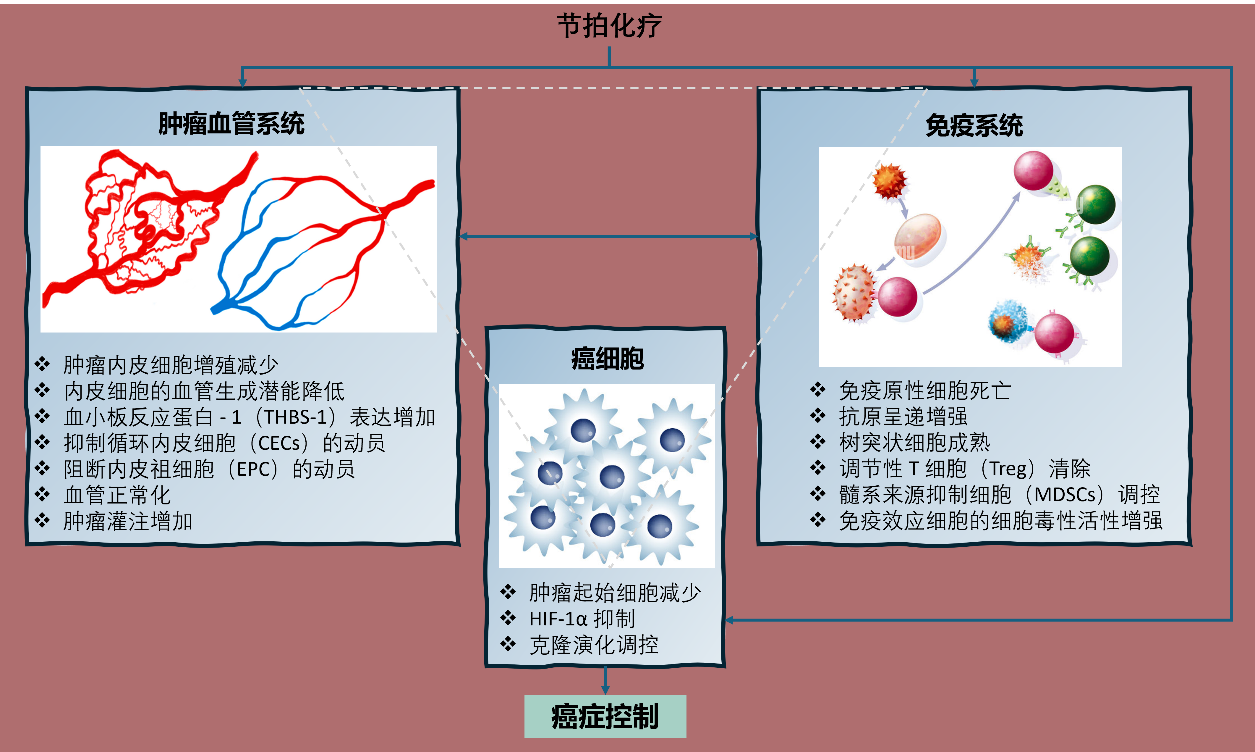
II. Clinical Application: Tailored Scenarios and Personalized Treatment Plans
Metronomic chemotherapy is primarily applicable in the following scenarios for the treatment of malignant tumors:
- Maintenance Therapy: After effective first-line traditional chemotherapy, switching to metronomic chemotherapy can prolong efficacy and delay disease recurrence.
- Elderly or Frail Patients: For elderly patients or those in poor physical condition who cannot tolerate the intensity of standard chemotherapy, metronomic chemotherapy offers a first-line palliative treatment option, better balancing efficacy and quality of life.
- Late-Line Therapy: After standard treatments have failed, it serves as a low-toxicity control option to help stabilize the condition.
- Combination Therapy: Its use in combination with immunotherapy or targeted drugs is a current research hotspot, with the potential to produce synergistic effects where "1+1>2".
Classic Drugs and Protocol Examples:
- Vinorelbine: 50mg orally, three times a week (Monday, Wednesday, Friday), is the most well-documented regimen for metronomic chemotherapy in lung cancer. It is particularly suitable for maintenance therapy and elderly patients, offering convenience and good tolerability.
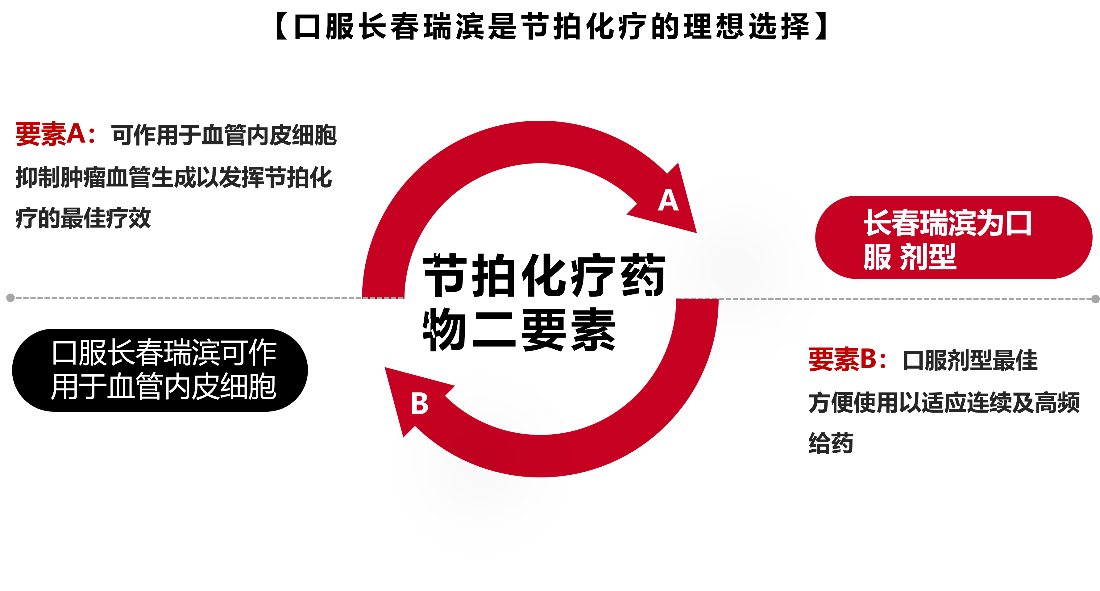
- Capecitabine: 500mg, taken orally twice daily without interruption. It is commonly used in later-line or maintenance therapy for colorectal cancer, with attention needed for potential hand-foot syndrome.
- Combination Regimens: For instance, capecitabine combined with low-dose cyclophosphamide is used in later-line treatment through dual anti-angiogenic effects. This approach draws on successful experiences from breast cancer treatment.
III. Advantages and Considerations
Significant Advantages
• Low Toxicity: Severe side effects commonly associated with traditional chemotherapy, such as significant bone marrow suppression, severe vomiting, and hair loss, are rare.
• Oral Convenience: Most regimens are administered orally, greatly improving patients' quality of life and facilitating long-term treatment management.
• Reduced Risk of Drug Resistance: Due to its unique mechanism of targeting vascular endothelial cells, it is less likely to induce the drug resistance often seen with traditional chemotherapy.
Important reminder:
- Treatment Goals: The primary objective of metronomic chemotherapy is to achieve disease stability (SD) and long-term control, rather than rapid or significant tumor shrinkage.
- Long-Term Toxicity: Attention must be paid to the specific toxicities associated with different drugs. For example, vinorelbine may cause constipation, while capecitabine can lead to hand-foot syndrome.
- Regular Monitoring: During treatment, regular imaging assessments (e.g., every 2-3 months) and blood tests (e.g., every 2 weeks) are necessary to ensure the safety and effectiveness of the therapy.
Summary
With its unique mechanism and gentle nature, metronomic chemotherapy offers an important treatment option for patients with malignant tumors, particularly for the elderly, those with weaker constitutions, and patients requiring long-term maintenance therapy. It represents a shift in cancer treatment philosophy—from "aggressive tackling tough challenges" to "intelligent control."
Oncology/Hematology Department
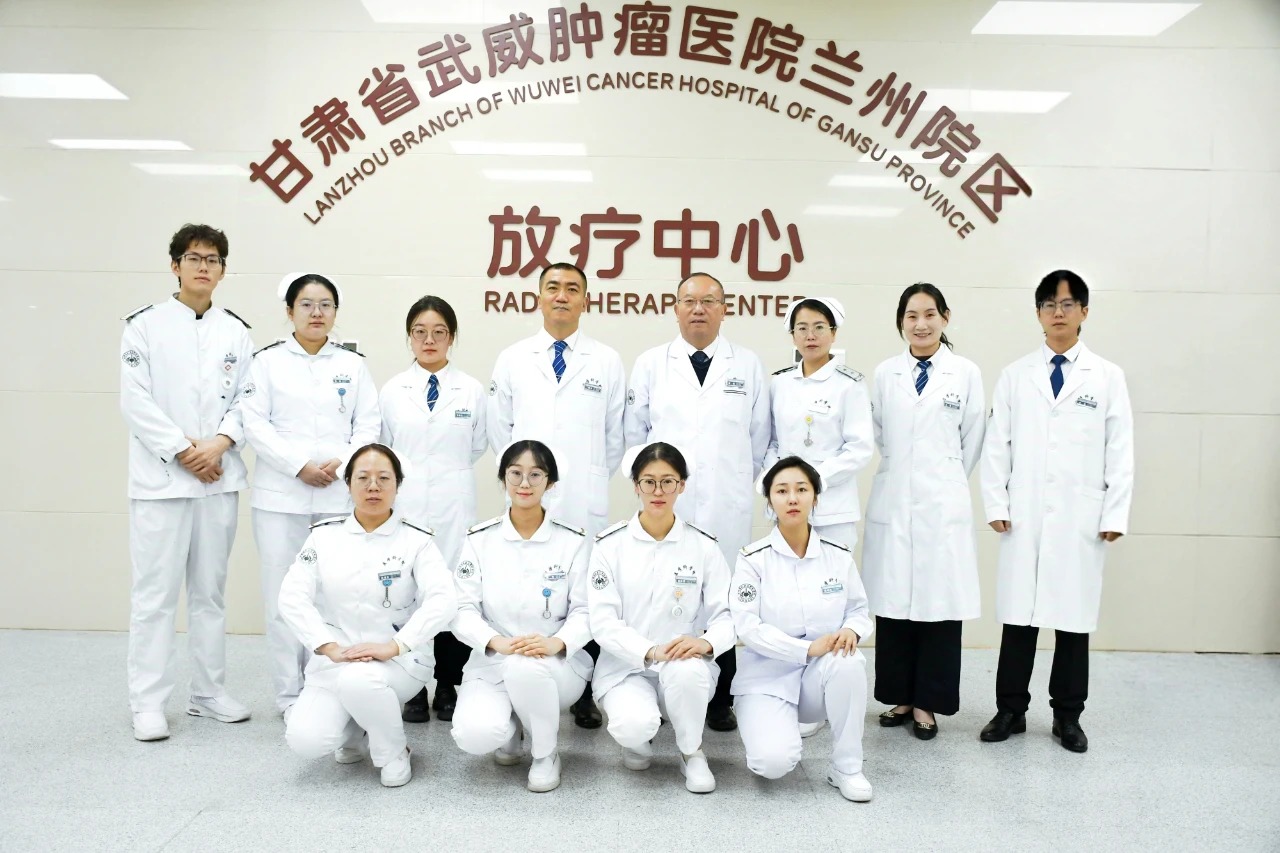
Professional Team
The department is equipped with an elite team of professional medical staff. Among the medical team, specially appointed professors Bai Hai and Pan Ming are both Chief Physicians of the First Class, enjoying high reputations in the industry. They possess profound academic expertise and extensive clinical experience, providing a solid foundation for the department's diagnostic and treatment standards. Additionally, the department has established a rational and comprehensive talent team structure, continuously refining and enhancing talent development mechanisms to ensure high-quality, multi-level medical services for patients. The nursing team demonstrates a strong sense of responsibility and professional nursing skills, offering comprehensive and meticulous care to ensure patients' comfort and safety throughout their treatment journey.
Scope of Medical Services
The department specializes in the precise diagnosis and treatment of various benign and malignant hematological and solid tumor diseases. It holds a particular advantage in managing refractory or relapsed hematological disorders and complex solid tumor cases. Key areas of focus include hematological diseases such as leukemia, lymphoma, multiple myeloma, and various types of anemia, as well as medical oncology treatments for common solid tumors like lung cancer, gastric cancer, colorectal cancer, and breast cancer. For both common conditions and challenging cases, the department leverages its professional medical expertise and extensive clinical experience to provide patients with accurate diagnoses and effective treatment plans.
Diagnostic and Treatment Technologies
Diversified Treatment Approaches: The department employs internationally advanced treatment concepts and methods, covering chemotherapy, targeted therapy, immunotherapy, endocrine therapy, supportive care, cell therapy, and integrated traditional Chinese and Western medicine treatments. Tailored comprehensive treatment plans are developed based on each patient's condition and physical health to achieve optimal therapeutic outcomes.
Precision Diagnostic Technologies: Leveraging the advanced MICM (Morphology, Immunology, Cytogenetics, Molecular genetics) typing techniques of the Hematology Center Laboratory—including bone marrow morphology, bone marrow pathology, flow cytometry, and genetic testing—the department ensures precise diagnosis and classification of hematological diseases. This provides a scientific foundation for developing personalized treatment plans. Through these cutting-edge technologies, the patient's condition can be assessed more accurately, enabling targeted therapy and enhancing treatment efficacy.
Laminar Flow Ward Assurance: The department is equipped with laminar flow wards, offering a safe and comfortable treatment environment for patients undergoing high-dose chemotherapy, hematopoietic stem cell transplantation, and other procedures with stringent infection control requirements. These wards utilize advanced air purification technology to effectively reduce infection risks, providing robust support for patient care.