Cold Weather Alert! 6 Warming Foods & 4 Key Tips to Easily Beat the Autumn-Winter Chill
Cold Weather Alert! 6 Warming Foods & 4 Key Tips to Easily Beat the Autumn-Winter Chill
As the cold winter wind blows, many have quietly brought out their long johns—the days of cold hands and feet are here once again! Actually, warming up in autumn and winter doesn’t have to mean enduring the chill. With the right methods, you can stay warm from head to toe. The key lies in "eating the right six ingredients and protecting four key areas"!
Today, we’ve put together a super practical guide for staying warm and healthy in autumn and winter. Whether it’s daily dietary tips or detailed ways to keep warm, we’ve broken it all down clearly. We recommend saving this guide—follow these steps to stay cozy and comfortable all season long.
I. Six "Ultimate Warming" Ingredients for Autumn and Winter: A Single Bite Warms You to the Core
As the weather turns cooler, the body needs more energy to fend off the cold. Choosing the right warming and nourishing ingredients during this time is even more effective than wearing extra layers of clothing. Plus, they’re easy to prepare and suitable for the whole family to enjoy.
1. Lamb: The "Top Choice" for Warming Up in Autumn and Winter
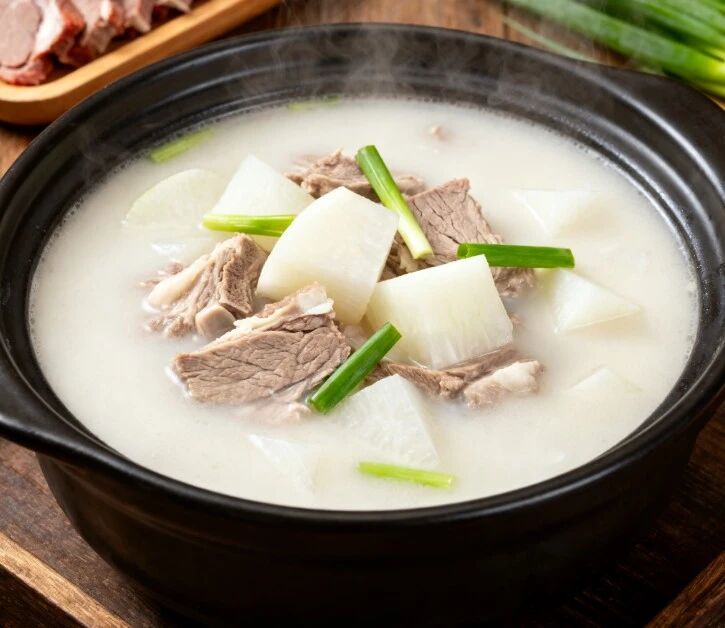
When it comes to staying warm in autumn and winter, lamb must be mentioned! Who can resist a bowl of steaming hot lamb soup on a chilly evening? Many people experience cold hands and feet or insufficient qi and blood during these seasons. Lamb, with its warming nature, helps nourish qi and blood, stimulates the appetite, and strengthens the spleen. Rich in protein and calories, regular consumption can replenish the body's vitality and maximize its ability to ward off the cold.
Here are a few foolproof ways to enjoy it:
- Add a few hawthorns or a small handful of mung beans while stewing lamb to easily eliminate the gamey taste.
- Pair it with white radish or Chinese yam to balance the lamb's warming nature while nourishing the spleen and stomach.
- Stew it with carrots to enhance its warming and nourishing effects.
2. Goji Berries: The Ultimate "Warming and Nourishing Powerhouse"

Staying warm in autumn and winter emphasizes "boosting qi and supporting yang while nourishing yin and tonifying the kidneys." Goji berries are an exceptionally cost-effective choice for this. They require no complicated preparation and can be easily incorporated into daily routines, making them particularly suitable for busy office workers or anyone looking for simplicity.
Here are two highly practical ways to enjoy them: First, add a few goji berries when cooking porridge—whether it’s rice or millet porridge, they enhance the flavor with a hint of sweetness. Second, chew them directly in the morning or evening. For healthy adults, about 20 grams per day is sufficient—remember not to overdo it!
3. Radish: The "Digestive Partner" for Meat in Autumn and Winter
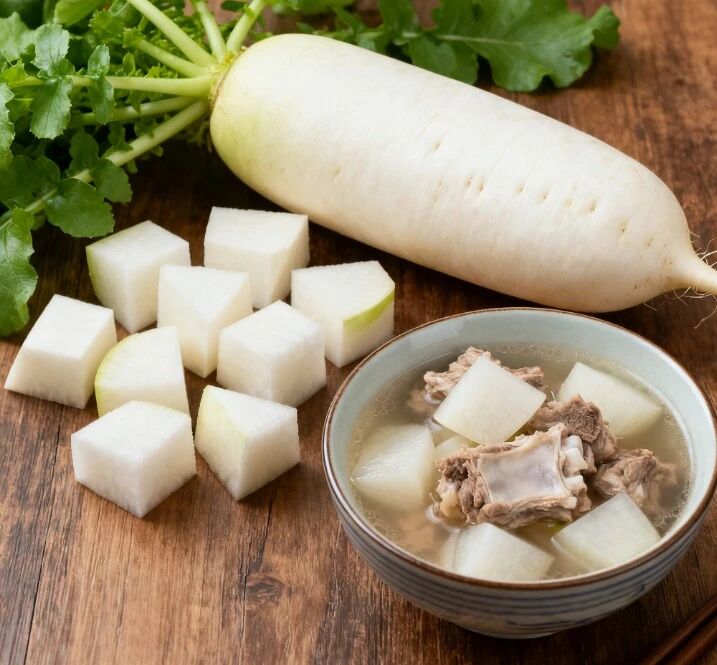
When the weather turns cold, everyone tends to stock up on and eat more meat. However, overindulging can easily lead to phlegm and internal heat. This is where radish comes in handy! With its cooling properties, it helps clear heat, detoxify, reduce inflammation, and cut through greasiness. Paired with warming and nourishing meats, it’s an absolute perfect match!
Many people don’t realize that different parts of the radish are suited for different cooking methods. The upper part, closer to the leaves, is sweeter and less spicy, making it ideal for eating raw or in cold dishes. The middle section has a balanced sweetness and spiciness and is most fragrant when boiled, steamed, or stewed. The lower end has a stronger pungent flavor and tastes delicious when stir-fried or deep-fried.
4. Hawthorn: The "Treasure Ingredient" for Stimulating Appetite

Hawthorn is not only delicious but also boasts remarkable health benefits. It is particularly effective at stimulating appetite, aiding digestion, and promoting blood circulation. Moreover, the flavonoids it contains are highly beneficial for cardiovascular health—helping to lower blood pressure and cholesterol levels while also softening blood vessels.
Different ways of consuming hawthorn are recommended for different needs:
- Those looking to lose weight can eat hawthorn raw, as it helps eliminate body fat and reduce fat absorption.
- Individuals with poor appetite or weak digestion can simmer hawthorn into a soup or brew it as tea, which can significantly improve their appetite after consumption.
5. Sweet Potato: The "Everyday Tonic" for Nourishing the Spleen and Stomach

Sweet potato is undoubtedly the "national comfort food" of autumn and winter—sweet, soft, and incredibly satisfying with just one bite, all while being exceptionally nutritious. It contains carbohydrates, dietary fiber, carotene, and over ten trace elements such as potassium, magnesium, and calcium. Among these, its rich potassium content helps prevent high blood pressure and strokes.
The most recommended way to enjoy it is in sweet potato rice porridge. Simply chop the sweet potato into chunks and simmer it with rice. The resulting porridge is deliciously sweet and not only warms the body but also nourishes the spleen and stomach. A bowl in the morning or evening brings warmth and comfort.
6. Chestnuts: The "Natural Tonic" for Nourishing the Kidneys and Boosting Qi

Chestnuts are known as the "natural tonic" for nourishing the kidneys and replenishing qi, with remarkable effects in strengthening the stomach, invigorating the spleen, tonifying the kidneys, and fortifying muscles. Modern medical research has also found that the unsaturated fatty acids and various vitamins in chestnuts help prevent hypertension, coronary heart disease, and arteriosclerosis.
For those with weak spleen and stomach and sensitivity to cold, you can cook porridge with chestnuts, red dates, poria cocos, and rice for a gentle, stomach-nourishing option. Chestnut chicken stew is also a classic dish, perfect for individuals with spleen deficiency and cold sensitivity, as it excels at replenishing qi and nourishing the kidneys.
II. Protect These Four "Key Areas" to Block the Entry of Cold
In addition to eating the right foods, there are several "cold entry points" on the body. Protecting these key areas can double the warming effect! Many people tend to fall ill during autumn and winter precisely because they overlook these small details.
1. The Soles of the Feet: Cold often starts from the feet, so it's essential to keep them well-protected
The soles of the feet have many acupoints, making them the most vulnerable area for cold to invade. The saying "cold starts from the feet" is no myth! Whether indoors or outdoors, it’s advisable to wear long socks and avoid walking barefoot on the floor. Choose shoes with some thickness that cover the ankles, and add a pair of warm insoles to keep your feet comfortably warm from the ground up.
2. The Navel: Keep Your Abdomen Warm, protect your belly from letting cold sneak in
The skin around the navel is thin, making it easy for cold to invade, which can lead to gastrointestinal discomfort or diarrhea. During autumn and winter, it’s recommended to wear high-waisted underwear and long pants. When going out, layer on a small vest to prioritize keeping the abdomen protected and ensure both windproofing and warmth.
3. The Mouth: Mind What You Eat, limit the consumption of cold and raw foods
Many people can’t resist cold drinks, ice cream, or sashimi even in autumn and winter, which is like building a "giant freezer" inside the body—no wonder it stays cold! To ward off the chill, try to eat less cold, raw, and greasy foods. Instead, opt for warm, cooked dishes to give your stomach and intestines a cozy environment.