TCM Rehabilitation: Addressing Post-Chemoradiotherapy "Hand and Foot Numbness"
TCM Rehabilitation: Addressing Post-Chemoradiotherapy "Hand and Foot Numbness"
"My leg and foot numbness has improved significantly, and my walking speed and flexibility have noticeably increased. I feel about 80% relief from the symptoms. I can sleep well at night now—I am truly grateful to your Rehabilitation Department." On the morning of October 29, in the Traditional Chinese Medicine treatment room of the Digestive and Integrated Rehabilitation Department, Aunt Ren was overjoyed and practically dancing with happiness. This was the happiest she had felt in many years of battling her condition after seeing such clear therapeutic results. Her husband, who had been accompanying her throughout her TCM rehabilitation sessions, looked on with eyes full of surprise and gratitude, giving us two thumbs up in praise. In that moment, all the efforts of our entire team felt completely worthwhile.
I suffered tremendously: over 20 rounds of chemotherapy in five years, tormented by complications such as numbness in both lower limbs, hands, and feet, which left me unable to sleep at night, unsteady while walking, and plagued by anxiety, depression, and severe insomnia.
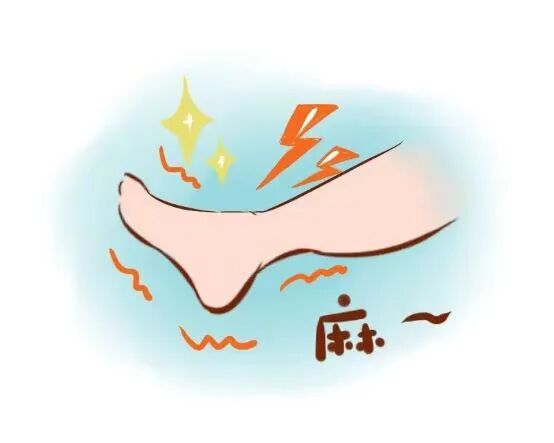
A week ago, Aunt Ren, who was hospitalized in the Department of Radiation Oncology III, reported during rounds that she had been experiencing numbness in both feet and lower limbs for many years. Upon hearing that other departments in our hospital might help alleviate her symptoms, she was brought by the head nurse to the Department of Digestive and Integrated Rehabilitation, where she sought TCM rehabilitation treatment from Dr. Ma. She shared with us that it had been five and a half years since her surgery for right upper lung adenocarcinoma, and multiple metastases had since been discovered. She had undergone over 20 rounds of chemotherapy at two hospitals in Xi'an and had been taking oral targeted therapy for over a year. Gradually, the side effects of the medication became apparent, leading to numbness in her upper and lower limbs. The numbness started from the soles of her feet and slowly spread to her thumbs and all four limbs, eventually reaching her heels, accompanied by soreness and pain in both lower limbs. This post-chemotherapy numbness had left her unable to eat or sleep peacefully, causing immense suffering and even leading to bouts of anxiety, depression, and severe insomnia. Over the years, she had sought medical help everywhere but had never found an effective solution. This is a common side effect of radiotherapy and chemotherapy in malignant tumor patients: hand-foot numbness, known as Chemotherapy-Induced Peripheral Neuropathy (CIPN). This sensation of numbness not only troubles many patients but also severely impacts their quality of life and may even lead to the interruption of treatment.
Integrated Traditional Chinese and Western Medicine: Developing a "Comprehensive Rehabilitation" Plan for the Patient
Faced with the anxiety and expectations of the patient and her family, the Department of Digestive and Integrated Rehabilitation, guided by its unique holistic approach, provided a comprehensive and enduring Traditional Chinese Medicine (TCM)-based solution to alleviate post-chemoradiotherapy hand-foot numbness. Symptoms such as numbness, reduced sensation, or abnormal feelings in the hands and feet fall under the TCM categories of "Bi syndrome," "numbness," "collateral disease," or "blood Bi." These are common complications following tumor radiotherapy and chemotherapy, presenting significant challenges in treatment, slow recovery, and in some cases, lasting a lifetime. Our team conducted a thorough assessment of Aunt Ren's medical history and treatment journey, integrating current test results with comprehensive evaluations of her rehabilitation, psychological, and sleep conditions. Through TCM diagnostic methods—including observation, listening, questioning, and pulse-taking—alongside syndrome differentiation based on meridian theory, we adhered to the principle of "complementing strengths and addressing both symptoms and root causes." This enabled us to develop a distinctive, integrated treatment plan, offering a new pathway to tackle this complex issue.
Integrating Ancient and Modern, Combining Chinese and Western Medicine, Precise Treatment, Accelerating Recovery
The core of our treatment system lies in the deep integration of traditional Chinese internal and external therapies with modern rehabilitation technology:
01 Internal Herbal Treatment: Strengthening the Foundation and Cultivating Vitality
We tailor herbal formulas based on the principles of "harmonizing qi and blood" and "simultaneously treating the liver and kidneys." This approach aims to improve the body's microcirculation and neural nourishment from within, repair damaged peripheral nerves, and fundamentally alleviate numbness.
02 External Herbal Application: Targeting the Affected Area Directly
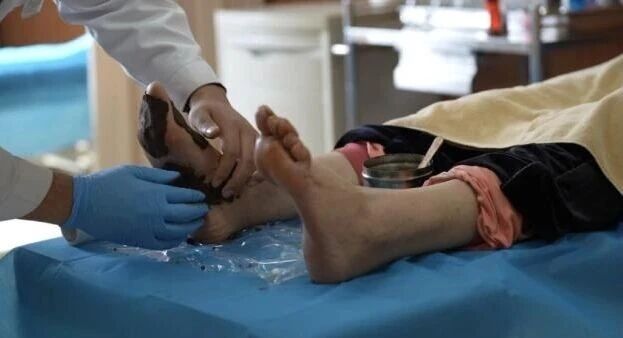
We select herbs with warming, cold-dispelling, blood-activating, and pain-relieving properties to create external patches or washes. Applied directly to the numb or painful limbs, this localized method allows the medicinal effects to penetrate quickly, effectively relieving local qi and blood stagnation and promptly alleviating discomfort.
03 Acupuncture and Moxibustion: Unblocking Meridians and Activating Collaterals
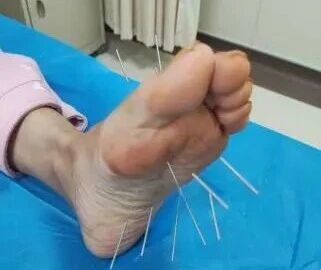
Using traditional acupuncture techniques, we stimulate specific acupoints such as Hegu (LI4), Zusanli (ST36), and Sanyinjiao (SP6). Combined with the warming effects of moxibustion, this helps dispel cold-dampness, warm and unblock blood vessels, effectively improve blood supply to peripheral nerves, and promote functional recovery.


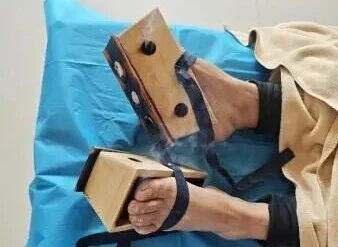
04 WIRA Deep Irradiation: Empowering Treatment with Modern Technology
We have introduced advanced WIRA (Water-filtered Infrared-A) therapy equipment. Its deep, gentle thermal effects and photochemical actions penetrate tissues, effectively promoting local blood circulation, reducing inflammatory responses, and accelerating nerve repair and regeneration. When combined with traditional Chinese external therapies, it creates a synergistic effect that addresses both superficial and underlying issues simultaneously.
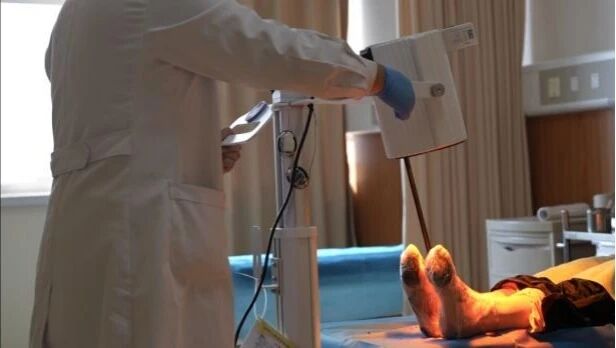
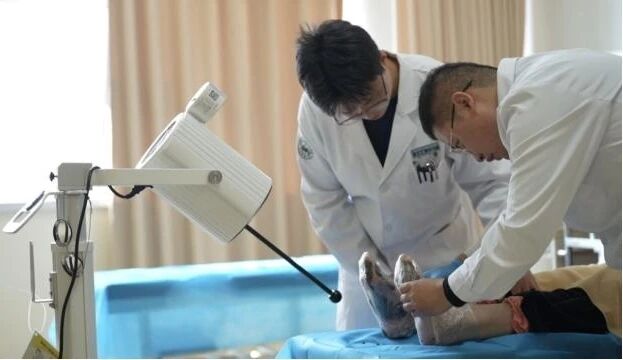
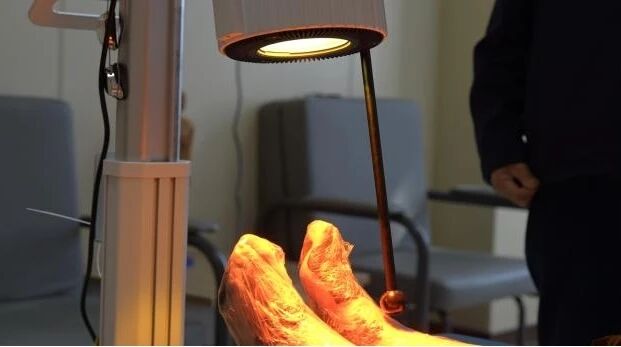
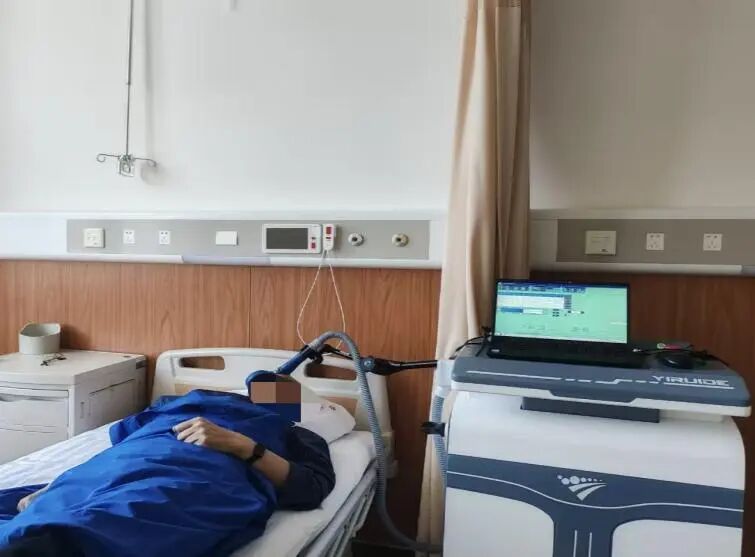
05 Repetitive Transcranial Magnetic Stimulation (RTMS) Therapy for Improving Severe Insomnia
By placing a coil over the scalp corresponding to specific areas of the cerebral cortex, RTMS generates electric currents through electromagnetic induction in the targeted regions. This alters the membrane potential of neurons, influences the excitability of specific cortical areas in the brain, and induces sleep slow waves similar to natural slow waves, thereby increasing REM sleep. As a result, it helps alleviate various types of insomnia.
Department Introduction
The Department of Digestive and Integrated Rehabilitation at the Lanzhou Heavy Ion Center of Gansu Wuwei Cancer Hospital is a specialized department within our center. Integrating medical care, education, and research, the department is dedicated to rehabilitation through a combination of traditional Chinese and Western medicine, physical rehabilitation, exercise rehabilitation, psychological rehabilitation, and nutritional rehabilitation. With a focus on integrated oncology rehabilitation, we adopt a multidisciplinary team (MDT) approach to develop tailored rehabilitation plans for our patients.
01 Scope of Services
We offer traditional rehabilitation techniques integrating Chinese and Western medicine, including acupuncture, tuina (therapeutic massage), cupping, moxibustion, guasha (scraping therapy), auricular acupuncture, external herbal treatments, and medicinal hydrotherapy. Additionally, we provide modern therapies such as exercise therapy, physical agent modalities, manual therapy, and functional training. We also deliver cognitive behavioral therapy (CBT), mindfulness-based stress reduction (MBSR), family therapy, and group psychotherapy.
02 Scope of Diagnosis and Treatment
Rehabilitation Assessment
We conduct comprehensive evaluations of patients across multiple dimensions, including physiological, psychological, social functioning, and quality of life. Based on the assessment results, we develop individualized rehabilitation plans.
Rehabilitation Treatment
(1) Tumor-related complications and adverse reactions associated with non-surgical cancer therapies: nausea, vomiting, diarrhea, abdominal pain, fatigue, skin damage, bone marrow suppression, hair loss, lymphedema, etc.
(2) Common diseases: joint disorders, lumbar disc herniation, cervical spondylosis, post-stroke hemiplegia, Parkinson’s disease, peripheral nerve injuries, chronic pain and strain, shoulder-neck syndrome, osteoporosis, and exercise-based weight management.
(3) Psychosomatic disorders: common psychosomatic conditions, as well as anxiety, depression, insomnia, and other psychological issues accompanying cancer.
03 Specialized Diagnosis and Treatment
(1) Integrated Traditional Chinese and Western Medicine treatment for gastrointestinal side effects of tumor radiotherapy and chemotherapy, particularly radiation proctitis.
(2) Physical therapy combined with cognitive behavioral therapy and mindfulness-based stress reduction for conditions such as anxiety, depression, and insomnia.
(3) Integrated Traditional Chinese Medicine and psychotherapy for cancer-related fatigue induced by radiotherapy and chemotherapy.
(4) Prevention and treatment of lymphedema following tumor radiotherapy.
(5) Traditional Chinese Medicine treatment for chemotherapy-induced hand-foot syndrome.
(6) Comprehensive rehabilitation therapy for cancer-related pain and various chronic pain conditions.
04 Medical Team
The team currently consists of 10 medical staff members, including 1 senior professional title holder, 2 intermediate professional title holders, and 7 junior professional title holders. Among them, there is 1 Ph.D. and 5 master’s degree holders. The team includes professionals with qualifications in Western medicine, Traditional Chinese Medicine, rehabilitation therapy, psychological counseling, psychotherapy, health management, and nutrition. Members have participated in specialized training programs such as standardized rehabilitation, meridian-based hypnosis in TCM, mindfulness-based stress reduction, cognitive behavioral therapy, and psychological drawing analysis.
05 Equipment and Facilities
We are equipped with advanced devices including a fully automatic constant-temperature wax therapy machine, WIRA (water-filtered infrared-A) therapy unit, interferential current therapy apparatus, deep muscle stimulator, shockwave therapy device, ultrasound therapy machine, lymphatic therapy device, air compression therapy system, medium-low frequency interferential electrotherapy device, transcranial magnetic stimulation (TMS) unit, psychological CT, psychological sandplay, polysomnography (PSG) monitor, mental stress analyzer, and a computerized mindfulness training system.
Service Philosophy: Alleviate suffering with medical expertise, and enhance quality with humanistic warmth.
Helpful Tip:
For patients receiving traditional Chinese medical techniques and rehabilitation therapies in our department, any remaining costs not covered by medical insurance will be covered by the hospital's project funds.
Address: Digestive and Integrated Rehabilitation Department, 10th Floor, Inpatient Comprehensive Building, No. 100 Yanbei Road, Chengguan District, Lanzhou City, Gansu Province.