Brachytherapy
Brachytherapy
01 Overview
Brachytherapy plays an important role in tumor treatment. With the rapid development of imaging technology and artificial intelligence, significant changes have taken place in brachytherapy techniques and clinical applications. In China, CT image-guided three-dimensional brachytherapy has been widely adopted, and many institutions have implemented MRI-based brachytherapy for cervical cancer. Artificial intelligence, particularly deep learning, has played a crucial role in automatic target delineation, adaptive radiotherapy planning, and process management. 3D‑printed applicator positioning templates have become the foundation for optimizing dose distribution in brachytherapy. Results from the prospective, international, multicenter clinical study show that MRI‑based brachytherapy for locally advanced cervical cancer achieves high local control rates and low incidences of severe adverse effects. Looking ahead, by fully leveraging the advantages of single high‑dose delivery and rapid dose fall‑off, and integrating advanced imaging and computer technology, we will continue to explore new challenges in target definition, radiotherapy planning, and process management for brachytherapy in the era of comprehensive cancer treatment, ultimately improving survival and quality of life for cancer patients.
02 What is brachytherapy?
Brachytherapy is a radiotherapy technique that involves placing sealed radioactive sources, via applicators or source delivery catheters, directly at or near the treatment site inside or on the surface of a patient’s body. Due to the sequential procedure of first placing the applicator and then delivering the radioactive source, it is clinically often referred to as “afterloading.”
As shown in the diagram below, the yellow dots within the treatment machine represent the sealed radioactive sources, the long wires are the source delivery catheters, and the device placed inside the patient’s vagina is the applicator. The applicator must be positioned by the physician at the intended treatment site within the patient’s vagina prior to radiotherapy.

03 What are the advantages of brachytherapy?
Minimal Trauma and Rapid Recovery
Brachytherapy does not require open surgery—it involves placing the applicator through the vagina, resulting in minimal physical trauma and a quicker postoperative recovery.
Precise Localization with Fewer Side Effects
Using advanced imaging techniques (such as CT and MRI), the radiation source can be accurately positioned at the tumor site, improving treatment precision. Due to the low radiation dose to surrounding normal tissues, patients experience fewer side effects, such as radiation-induced cystitis or proctitis.
Highly Effective in Destroying Cancer Cells
Brachytherapy delivers a high dose of radiation directly to the tumor, effectively destroying cancer cells and improving local control rates. Studies indicate that brachytherapy can achieve local control rates of over 80%, offering patients a better prognosis.
04 Brachytherapy Treatment Process
Pre-Treatment Preparation:
- Conduct necessary physical examinations, such as electrocardiogram, blood routine tests, pelvic MRI/CT scans, etc.
- Clean the intestines, empty the bladder, and perform gynecological irrigation.
Placement of the Applicator:
- Select an appropriate applicator based on the size and shape of the patient’s cervix.
- Under sterile conditions, the doctor inserts the applicator through the vagina into the uterine cavity.
MRI/CT Localization Scan:
- Based on the patient’s condition and hospital equipment availability, choose a suitable CT or MRI device for localization scanning.
- Calibrate and adjust the equipment to ensure image accuracy and clarity.
Radiotherapy Planning:
- Based on the localization images, the physician accurately outlines the target area for irradiation and determines the prescribed radiation dose.
- A medical physicist performs precise dose calculations to ensure adequate radiation to the tumor area while minimizing damage to surrounding normal tissues.
Radiotherapy Delivery:
- The radioactive source is delivered through the catheter into the applicator to irradiate the tumor.
- A single treatment session lasts approximately 10–15 minutes (the exact duration depends on the dwell time and source activity).
05 Progress of Brachytherapy Research in China
The discovery of the radioactive element radium in 1898 laid the foundation for tumor brachytherapy. In 1945, the successful development of radioactive particles ushered brachytherapy into the era of afterloading remote control. The clinical application of MRI in the 1990s initiated image-guided brachytherapy (IGBT), which significantly improved local control rates for cervical cancer and reduced the incidence of complications. In recent years, advancements in domestic brachytherapy have primarily focused on the following areas:
On the basis of traditional two-dimensional or simulated X-ray localization, an increasing number of medical institutions have begun routinely implementing three-dimensional image-guided brachytherapy using CT or MRI. Many units have introduced MRI localization in key steps of brachytherapy, enabling clear visualization of primary tumors, residual lesions, and surrounding anatomical structures. This facilitates precise delineation of the gross tumor volume (GTV), high-risk clinical target volume (HR-CTV), and intermediate-risk clinical target volume (IR-CTV). The value of MRI in gynecological tumor brachytherapy is particularly prominent, especially for residual lesions that remain large, morphologically complex, or poorly defined after external beam radiotherapy (EBRT). MRI guidance enables more accurate placement of applicators and needle pathways, thereby achieving higher-quality dose distributions, improving HR-CTV coverage, and effectively reducing doses to organs at risk such as the bladder and rectum. These advancements have gradually aligned China's clinical practice of IGBT with international guidelines.
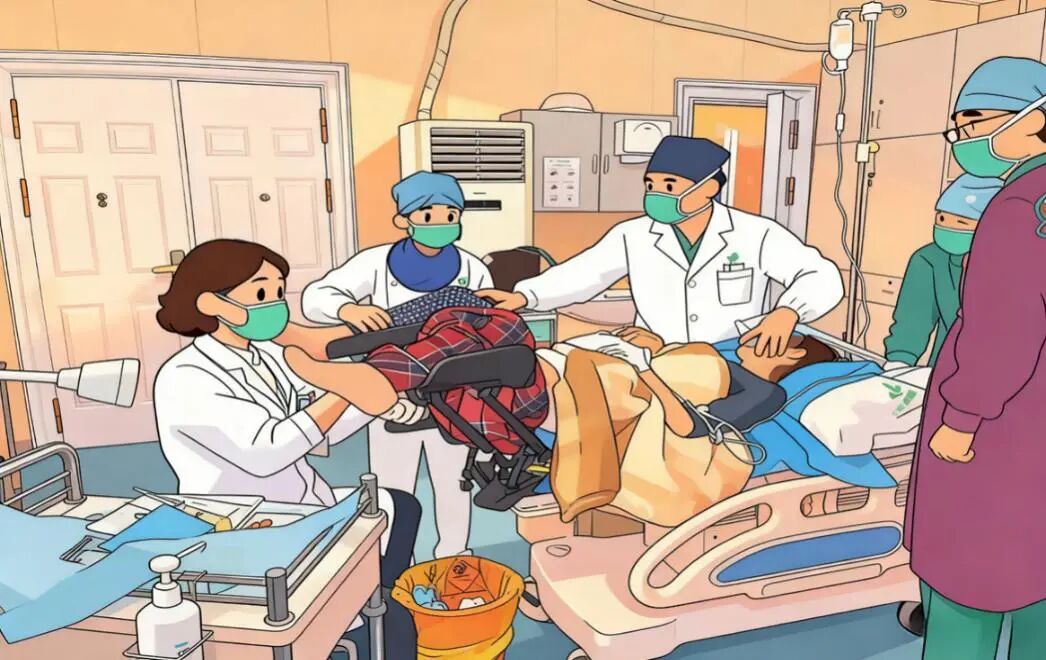
In recent years, several hospitals have integrated anesthesia management into the routine brachytherapy process. The use of anesthesia during applicator placement not only significantly reduces patient pain and anxiety, enhancing treatment comfort, but also facilitates more precise and stable applicator positioning. Under anesthesia, relaxation of muscles in the pelvic or head and neck regions reduces insertion resistance and improves the reproducibility and stability of implant placement, ensuring more reliable subsequent dose distributions. The promotion of "painless brachytherapy" has not only enhanced patient experience but also indirectly standardized instrument positioning and quality control, making it an important component of brachytherapy practices in China.
Brachytherapy is applied in the treatment of head and neck tumors, lung cancer, breast cancer, prostate cancer, and rectal cancer. In China, brachytherapy for gynecological tumors (such as cervical cancer) is widely accepted and applied as an indispensable component of radical chemoradiotherapy. In recent years, brachytherapy has also shown promising long-term outcomes in tumors of other sites. For example, Shandong Cancer Hospital reported that in the treatment of early-stage non-small cell lung cancer and lung metastases, brachytherapy achieved comparable local control and overall survival rates to stereotactic external beam radiotherapy and radiofrequency ablation, with no grade 2 or higher late toxicities observed.
With the rapid development of deep learning and medical imaging analysis technologies, artificial intelligence (AI) has demonstrated broad potential in the comprehensive management of brachytherapy, particularly in dose distribution prediction and organ delineation. Current research utilizes deep learning models to predict individualized brachytherapy dose distributions, making the planning process faster and more accurate. AI has also achieved significant results in automatically delineating HR-CTV and organs at risk such as the bladder, rectum, and vaginal wall, substantially reducing planning time and improving the consistency of plan quality. With the availability of more high-quality training data and multicenter validation studies, AI is expected to shift brachytherapy from an experience-dependent to a data-driven approach, enabling more intelligent and adaptive treatment models.
Radiotherapy Department II
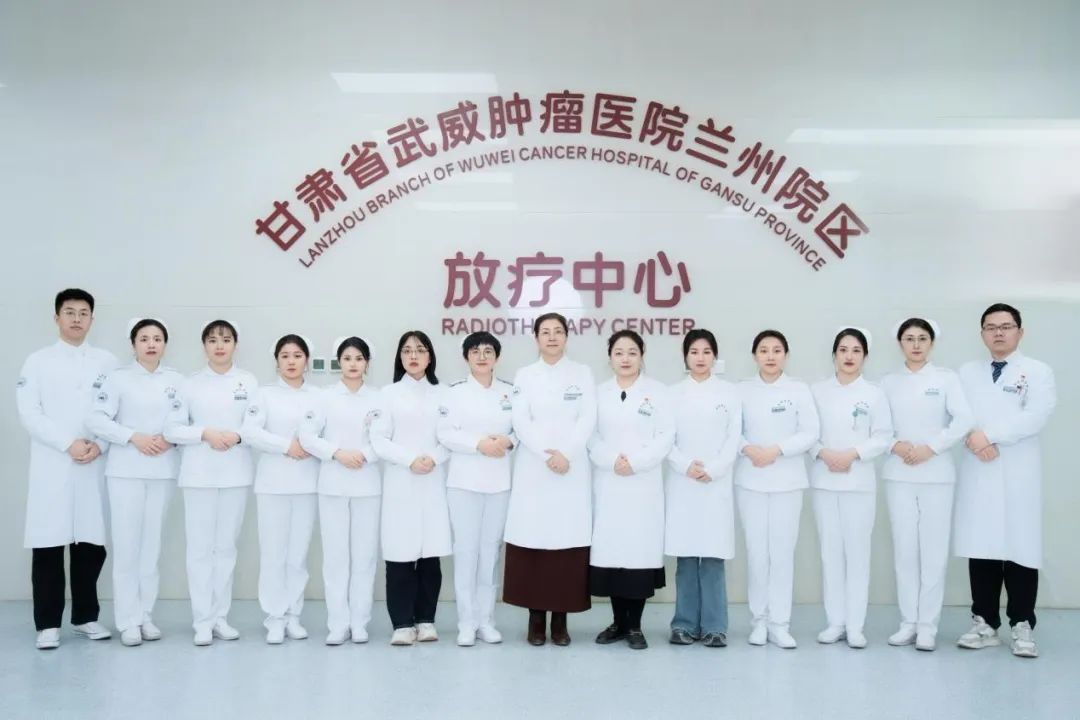
Radiotherapy Department II, as a specialized radiotherapy unit within the gynecological oncology team, focuses on the radiation treatment of gynecological tumors. Equipped with advanced radiotherapy facilities and a professional medical team, it provides precise, standardized, and personalized comprehensive treatment for gynecological cancer patients. The department actively conducts basic and clinical research related to radiotherapy for gynecological tumors and undertakes multiple scientific research projects. It also serves as a teaching and training base, cultivating talent for the industry. With a patient-centered approach and supported by advanced technology, the department is committed to improving the cure rate and quality of life for gynecological cancer patients, delivering high-quality, efficient, and patient-centered medical services.
Professional Team
The department currently has a medical team of 14 members, including 1 chief physician, 1 attending physician, 4 resident physicians (5 of whom hold master's degrees), and 8 nurses, forming a knowledgeable, dynamic, and highly skilled professional team. The department director, Chief Physician Zhao Fengju, has over 30 years of experience in radiotherapy and is a rare oncology specialist in the northwest region. She serves as the Chairperson of the Gansu Anti-Cancer Association Brachytherapy Committee and the Vice Chairperson of the Northwest Gynecological Oncology and Brachytherapy Committee. She specializes in comprehensive treatments for gynecological tumors, including radiotherapy, chemotherapy, immunotherapy, and targeted therapy. Under her leadership, the department has implemented advanced external radiotherapy techniques such as gynecological tumor CIRT and IGRT, as well as three-dimensional brachytherapy afterloading, interstitial implantation therapy, and painless afterloading treatment, accumulating extensive clinical experience in tumor radiotherapy and chemotherapy. Additionally, the department receives technical and academic guidance from Professor Wang Junjie, Chairperson of the National Radiotherapy Committee, Director of the Radiotherapy Department at Peking University Third Hospital, and President of the Lanzhou Heavy Ion Center; Professor Li Sha, Director of the Radiotherapy Department at the Army General Hospital; and Professor Du Lanning from the First Hospital of Lanzhou University.
Scope of Treatment
The department primarily provides carbon-ion therapy, photon radiotherapy, and brachytherapy for various common female malignancies, including cervical cancer, endometrial cancer, ovarian cancer, vulvar cancer, vaginal cancer, and breast cancer, as well as for other malignant tumors such as gastrointestinal malignancies, urological malignancies, and soft tissue malignancies. Additionally, the department offers comprehensive treatments including chemotherapy, targeted therapy, immunotherapy, and cellular immunotherapy for a wide range of malignant tumors.