Heavy Ion Characteristic Therapy Technology – Heavy Ion Radiotherapy for Sacrococcygeal Chordoma
Heavy Ion Characteristic Therapy Technology – Heavy Ion Radiotherapy for Sacrococcygeal Chordoma
Chordoma is a malignant tumor originating from the embryonic notochord tissue. It commonly occurs in the sacrum, coccyx, and the craniocervical junction. Its incidence accounts for approximately 1% to 4% of all bone tumors. Based on pathological classification, it is categorized into conventional, chondroid, and dedifferentiated types, and is considered a low-grade malignant lesion.
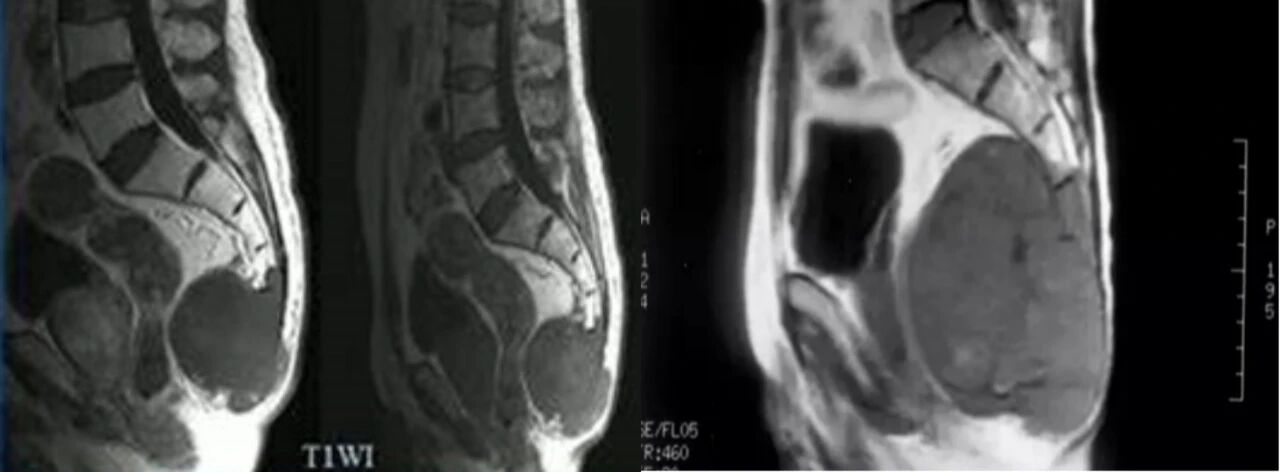
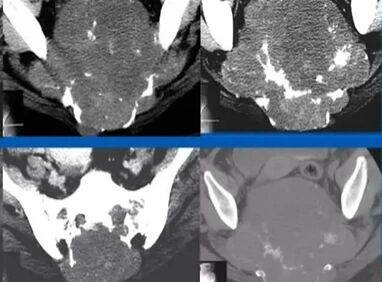
Clinical manifestations primarily include sacrococcygeal pain, swelling, incontinence, and sexual dysfunction. Comprehensive diagnosis is based on medical history, clinical presentations, imaging studies, and pathological examination.
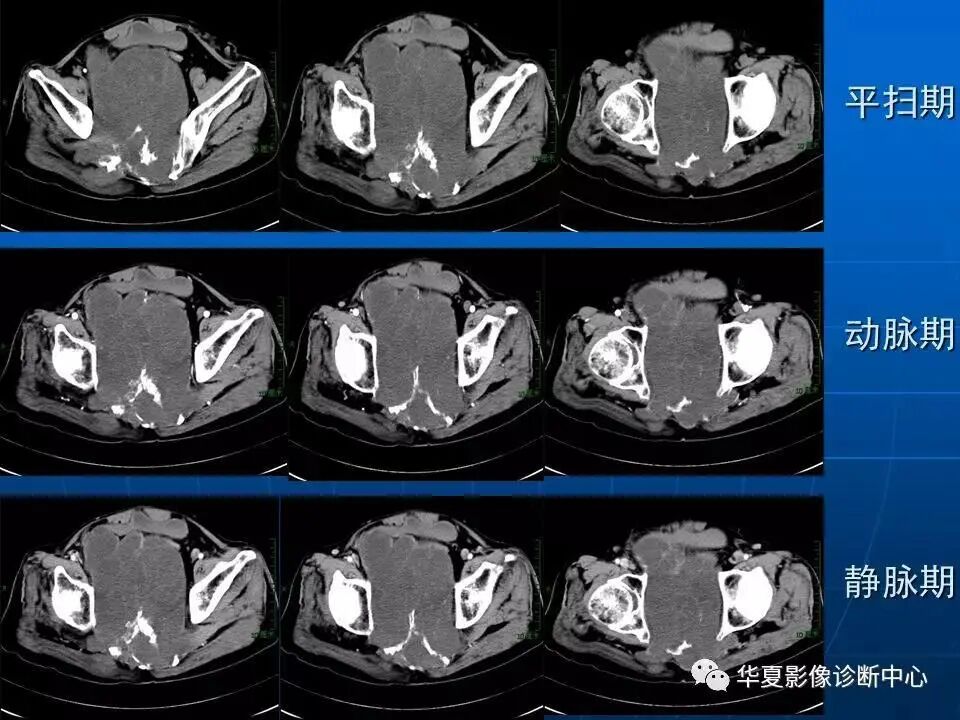
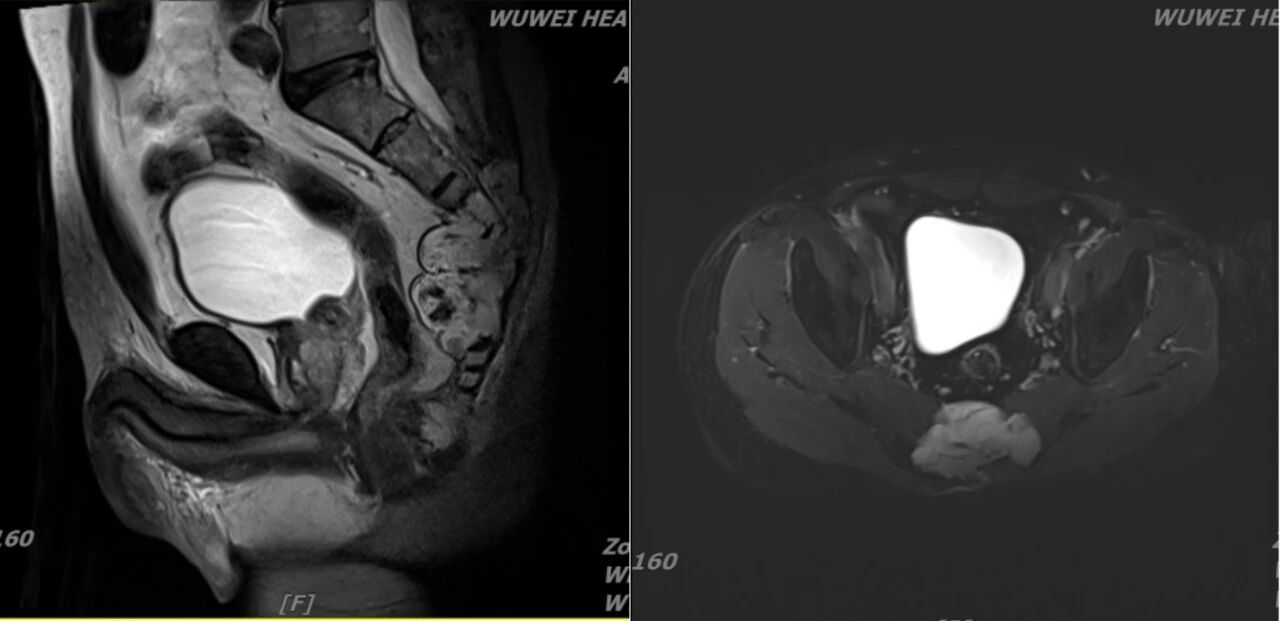
Treatment comparison
1. Surgery: Currently, most medical institutions opt for surgical treatment, which has traditionally been the gold standard. However, there are risks of positive surgical margins and residual tumor. Additionally, surgery can cause significant damage to the sacral plexus nerves. Depending on the location of the tumor, surgery may result in damage to different segments of the sacral plexus nerves, ultimately leading to loss of voluntary control over bladder and bowel functions and a significant decline in quality of life.
2. Radiotherapy: This is suitable for patients who are ineligible for surgery or have positive surgical margins. Options include photon therapy and proton/heavy ion therapy. While conventional photon radiotherapy was previously considered less effective, the latest proton and heavy ion radiotherapy are now recognized as highly effective for treating such hypoxic tumors. They can effectively control the growth of primary tumors or the recurrence of residual tumors.
3. Combined Surgery and Radiotherapy: This is currently the primary treatment approach, involving adjuvant radiotherapy after surgery to reduce the risk of local tumor recurrence. However, radiotherapy performed post-surgery is considered salvage therapy, as patients have already experienced nerve damage and potential tumor residue during the surgical procedure.
4. Chemotherapy: Currently, chordoma is considered insensitive to chemotherapy. Among targeted therapies, anlotinib has shown some efficacy against chordoma.
① Comparison of Radiotherapy Methods:
②The Role of Traditional Radiotherapy in Comprehensive Treatment:
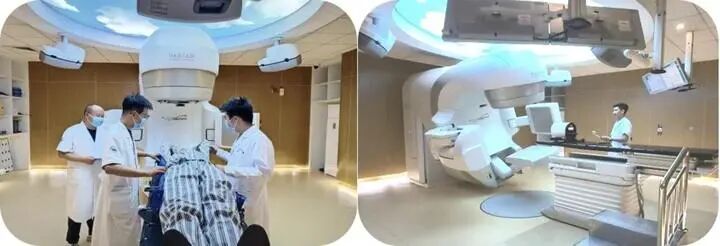
Radiotherapy can significantly reduce the local recurrence rate and improve survival rates. As an adjuvant therapy to surgery, it can eliminate residual tumor cells. Additionally, radiotherapy helps alleviate pain symptoms and enhances the patient's quality of life.
The Role of Heavy Ion Radiotherapy in the Treatment of Bone and Soft Tissue Tumors:

Heavy ion radiotherapy significantly reduces local recurrence rates and improves survival rates. It delivers energy with high precision, causing minimal damage to the surrounding skin and neural tissues. As an adjuvant treatment to surgery, it can eliminate hypoxic tumor cell tissues, inducing irreparable double-strand DNA breaks in tumor cells. Additionally, it helps alleviate pain symptoms and enhances the patient's quality of life.
Issues to Consider in the Treatment of Sacrococcygeal Chordoma:
Surgical Resection of Sacrococcygeal Chordoma:
1. Extent and margins of surgical resection;
2. Intraoperative bleeding;
3. Skin defects and wound repair/reconstruction after resection;
4. Neurological dysfunction, including bladder and anal function, and partial sensory impairment;
5. Postoperative recurrence.
Conventional Radiotherapy Techniques:
1. Issues regarding radiotherapy margins;
2. Problems of adjacent organ damage and adverse reactions;
3. Damage to nerve function, with a nerve tolerance level around 60 Gy;
4. Postoperative recurrence issues, including the setting of radiation dose and energy delivery to tumor tissue sites;
5. Issues related to the sacrococcygeal skin;
6. Low sensitivity of the tumor to X-rays.
The multidisciplinary MDT diagnosis and treatment team for bone and soft tissue tumors at Wuwei Cancer Hospital in Gansu Province has designed a novel intraoperative heavy-ion radiotherapy technique. This method involves surgically implanting a spacer between organs and cancerous tumors for heavy-ion therapy, which can effectively address the following issues:
1. The issue of radiotherapy margins;
2. The issue of surgical resection margins;
3. The problem of intraoperative bleeding;
4. The problem of damage to adjacent organs;
5. The problem of local skin and soft tissues;
6. Postoperative functional issues of the bladder (urethral sphincter), rectum (anal sphincter), and skin sensation;
7. The issue of quality of life;
Since carbon ion therapy employs hypofractionated short-course regimens, when a tumor is located close to the gastrointestinal tract, the gastrointestinal tract cannot tolerate high-dose radiation. Therefore, considering the radiation tolerance of the gastrointestinal tract, parts of the tumor near it cannot receive a curative dose during treatment. Prior to carbon ion therapy, open or laparoscopic surgery is performed to place a gauze pad between the tumor and the adjacent gastrointestinal tract, increasing the distance between them. Subsequently, positioning and treatment planning are carried out to ensure the gastrointestinal tract receives no radiation dose, thereby enabling the delivery of a curative dose to the tumor.
Through the implementation of this technique, the following objectives can be achieved:
1. Protect normal tissues: During radiotherapy, surrounding normal tissues should be protected as much as possible to avoid or minimize damage.
2. Precise positioning: Ensure that the radiotherapy target area completely aligns with the surgical field, guaranteeing the accuracy of the radiotherapy.
3. Control radiotherapy dose: Precisely control the radiotherapy dose based on the treatment plan and the patient’s actual condition, avoiding doses that are too high or too low.
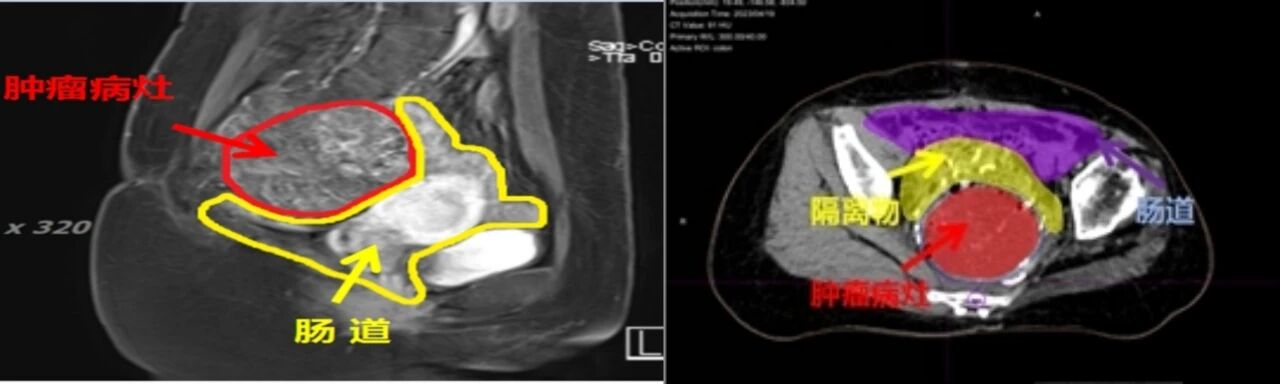

Among the 73 cases of chordoma that have already undergone treatment, a total of 9 cases were completed using this technique, achieving excellent tumor control outcomes. The patients' sacral plexus nerve function was well-preserved, maintaining autonomous control of urinary and bowel functions. Treatment complications were significantly reduced, and the incidence of surgery- and radiotherapy-related complications markedly decreased. Patient acceptance notably increased, and positive feedback was obtained during follow-up.
Follow-up images of selected cases:
I. Patient: Male, 52 years old, recurrent sacrococcygeal chordoma post-surgery, underwent heavy ion therapy on May 17, 2021.
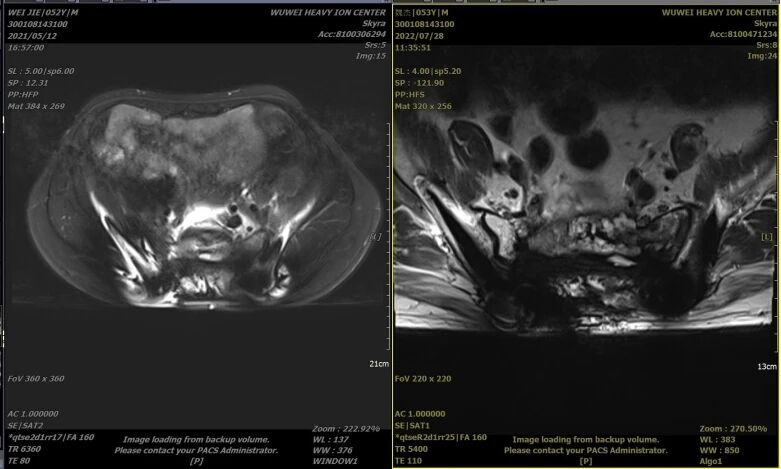
Pre-treatment (May 12, 2021) Post-treatment (July 28, 2022)
II. Patient: Male, 51 years old, sacrococcygeal chordoma, underwent heavy ion therapy on May 23, 2022.

Pre-treatment (May 6, 2022) Post-treatment (August 12, 2024 )
III. Patient: Male, 58 years old, diagnosed with sacrococcygeal chordoma, underwent heavy ion therapy on May 25, 2022.
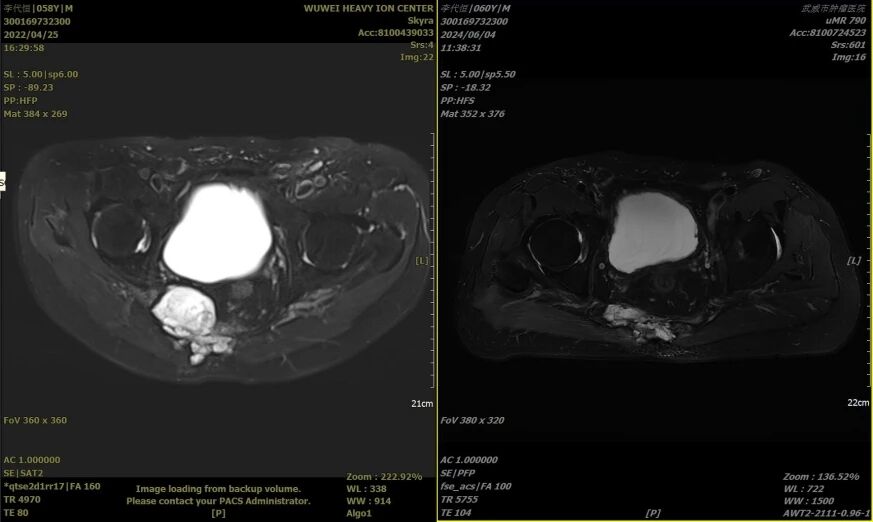
Pre-treatment (April 25, 2022) Post-treatment (June 4, 2024)