Don't Overlook This! Oral Health Affects Your Whole Body — This Cleaning Guide Works for the Whole F
Don't Overlook This! Oral Health Affects Your Whole Body — This Cleaning Guide Works for the Whole Family
“Toothache isn’t a disease, but it can be deadly when it strikes”—has this saying been etched into many people’s DNA? But did you know that oral health is far more than just "not having a toothache"? It serves as a "barometer" for overall health, and a set of healthy teeth can help shield us from numerous serious health risks!
Many people tend to dismiss oral issues, viewing cavities or bleeding gums as minor problems. However, experts have long warned that oral health is directly linked to systemic well-being. Proper oral care can reduce the risks of cardiovascular diseases, cancer, diabetes, and even miscarriage. Today, we’ve compiled a comprehensive guide to teeth cleaning and dental care, covering essential tips for both adults and children, along with clarifications on common misconceptions. Be sure to save it for future reference!
I. Can Poor Oral Hygiene Really Lead to Serious Illness? Don’t Overlook These Risks
You might not realize it, but careless brushing not only leads to tooth decay—it can even trigger pneumonia! The mouth is a breeding ground for bacteria. If cleaning is incomplete, bacteria can follow saliva or food debris into the trachea, potentially causing lung infections. This is especially critical for the elderly, whose cough reflex tends to be weaker. If bacteria remain in the lungs for 48–72 hours, it may result in pneumonia, with potentially severe consequences.
More importantly, common oral issues like periodontitis can quietly affect the entire body: for example, increasing the risk of Alzheimer's disease, doubling the probability of coronary heart disease and stroke; for diabetic patients, it may worsen microvascular complications; pregnant women with severe periodontitis face a risk of premature birth or delivering low-birth-weight babies 7.5 times higher than average. Don’t dismiss oral health as "insignificant"—it’s a crucial matter for the whole family’s well-being.
II. The Core Guide to Teeth Cleaning: Brushing Correctly and Using the Right Tools Are Key
The foundation of oral hygiene lies in thorough teeth cleaning. Brushing alone is not enough—it must be combined with dental floss and regular professional cleanings. Only through this integrated approach can dental plaque be completely removed.
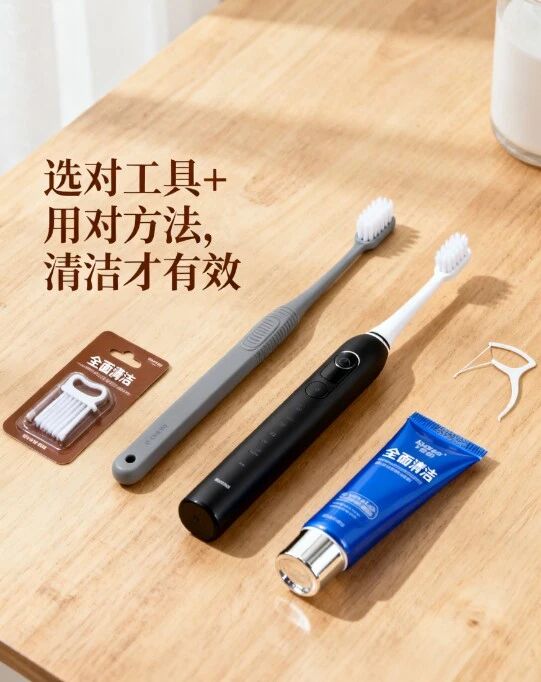
1. How to Choose a Toothbrush? Keep These 3 Points in Mind
Whether you use an electric toothbrush or a manual one, both can clean your teeth effectively as long as you use the right technique. There’s no need to blindly believe that “more expensive means better.” When choosing a manual toothbrush, remember these three points:
① Prioritize a small-headed brush that can maneuver flexibly in your mouth to reach every tooth.
② Choose bristles with medium firmness, and ensure the tips are rounded to avoid damaging your gums. The bristle density should not be too tight for easier cleaning.
③ The handle should be easy to grip, preferably with an anti-slip rubber design.
Additionally, regardless of whether the bristles appear worn, it’s recommended to replace your toothbrush every three months. If the bristles become frayed or splayed before then, replace it immediately!
2. Correct Brushing Method: Learn the Horizontal Vibrating Sweeping Technique
Many people brush their teeth with a rough "back-and-forth scrubbing" motion, which not only fails to clean effectively but also risks damaging tooth enamel and gums. It is recommended to use the "horizontal vibrating sweeping technique," as it effectively removes plaque from the gumline. Follow these detailed steps:
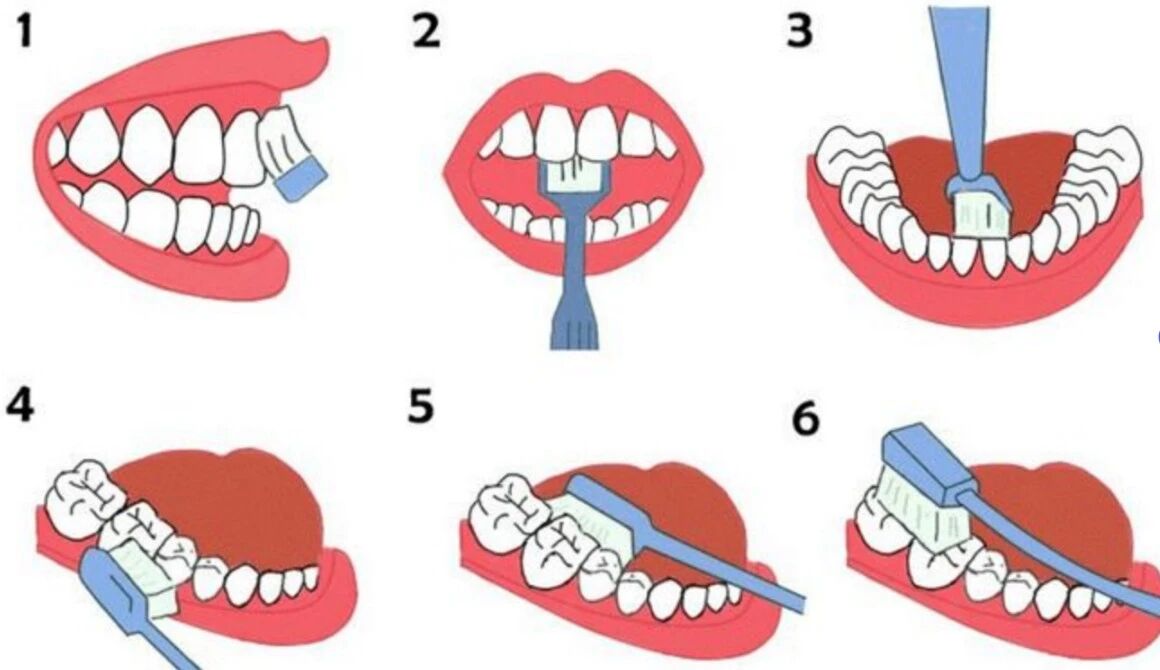
Key Points: Position the bristles at a 45° angle to the teeth, placed at the junction between the teeth and gums. For the outer surfaces, use a gentle horizontal vibrating motion followed by a sweeping stroke. When cleaning the chewing surfaces, align the bristles perpendicular to the surface. For the inner surfaces of the front teeth, tilt the brush vertically and clean from the inside out, making sure not to miss the farthest surfaces. Aim to brush at least twice a day, for 3 minutes each time, with the most critical session being before bedtime at night. After brushing, you can run your tongue along the tooth surfaces and gumline to check for any residual debris. Alternatively, using a plaque-disclosing agent can help clearly reveal areas that may not have been cleaned thoroughly.
3. Don’t Forget Dental Floss! Here’s the Right Way to Use It
A toothbrush can’t reach the tight spaces between teeth, which are often hotspots for plaque and food debris. That’s where dental floss comes in handy. Use dental floss at least once a day—when used correctly, it won’t harm your teeth or gums. It’s recommended to floss before brushing. Here’s how to do it properly:
① Take about 30 cm of floss and wrap one end around the index finger of one hand and the other end around the same finger of the other hand, using your thumbs to hold it taut.
② Gently move the floss back and forth to slip it between your teeth, slowly guiding it toward the gumline—avoid pressing down forcefully to prevent gum injury.
③ Once the floss reaches the gumline, curve it against one tooth and gently slide it up and down along the side. Repeat the same motion for the adjacent tooth.
④ Gently remove the floss, pulling out any trapped food debris.
⑤ If debris remains on the floss, rinse it with water or use a fresh section. If you prefer convenience, dental floss picks are a more user-friendly alternative.
III. Regular Check-ups Are Essential! Don’t Miss These Key Timelines**
No matter how thorough your daily cleaning routine is, it is recommended to have a dental check-up at a professional institution every six months. Based on the buildup of plaque and tartar, a professional cleaning should be performed. This is especially important for individuals with periodontal inflammation: getting a cleaning every six months to a year can help restore the health of your periodontal tissues.
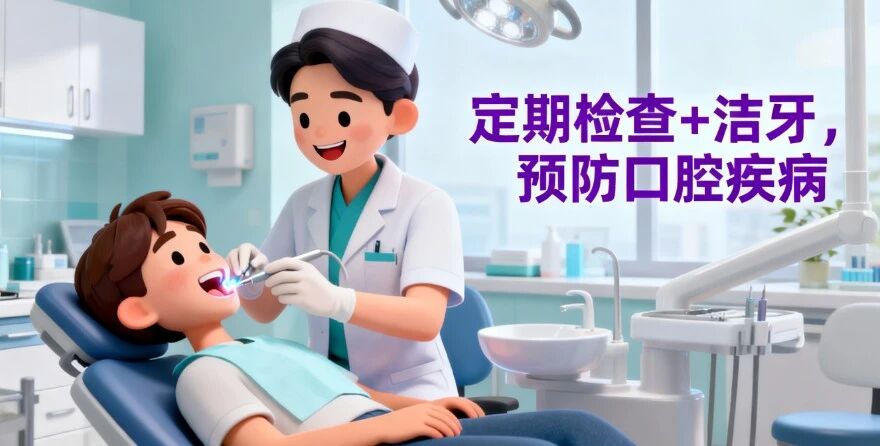
Many people worry that "teeth cleaning will damage their teeth," but there’s truly no need to fear! Healthy teeth are almost as hard as diamonds—harder than steel—while tartar is relatively fragile and loose. Clinically, ultrasonic tools are used to break down tartar without harming the teeth. Temporary tooth sensitivity or gaps between teeth after cleaning are normal: sensitivity occurs due to exposed tooth roots and can be alleviated with desensitizing toothpaste; gaps appear because tartar and swollen gums have been removed—this is essential to halt the progression of periodontal disease. Additionally, it’s important to note that teeth cleaning only removes surface tartar and stains—it won’t whiten your natural tooth color.
IV. Start Dental Health Early! Key Points Every Parent Must Know
Dental care for children should begin as soon as their first tooth emerges (around 6 months old)! Parents shouldn’t think, "Baby teeth will fall out anyway, so they don’t need attention." The health of baby teeth directly affects the development of permanent teeth—so it’s essential to take it seriously.

1. Children’s Brushing: Parents Must “Keep a Close Eye”
For preschool-aged children, it is recommended that parents assist with brushing using the "circular method." If the child insists on brushing independently, parents should always check afterward and touch up any missed areas. It is advisable to use fluoride toothpaste specifically for children, with each application limited to a pea-sized amount. This provides effective cavity prevention while ensuring safety. Additionally, newly emerged baby teeth often have larger gaps, so dental floss is not needed initially. Once the teeth grow closer together and food begins to get trapped, dental floss should be introduced for thorough cleaning.
2. Dietary Habits: Minimize Snacking and Avoid Sugary Foods
Good dietary habits can effectively prevent cavities in children:
① Limit snacks to no more than 3 times a day, and try to combine snacks with regular meals.
② Encourage children to rinse their mouths promptly after eating to reduce food residue in the mouth.
③ Absolutely no eating after brushing teeth before bedtime! Additionally, let children chew on fiber-rich foods like corn and apples, as moderate chewing stimulates the periodontal ligament, promotes proper tooth eruption, and is especially beneficial for children during the teething transition period.
In summary, oral health is never a small matter—from daily practices like correct brushing and flossing, to professional care such as regular check-ups and cleanings, and even the dental habits children develop from a young age, every step matters. Healthy teeth safeguard the well-being of the whole family. We hope this dental care guide proves helpful, and may everyone enjoy healthy mouths and bright smiles! If you found it useful, remember to like, share, and pass it on to friends and family who might need it.