Comprehensive Pain Diagnosis and Treatment Center · Nine Signature Treatment Technologies
Comprehensive Pain Diagnosis and Treatment Center · Nine Signature Treatment Technologies
I. Intrathecal Morphine Pump Implantation
Intrathecal Morphine Pump Implantation, also known as an Implantable Intrathecal Drug Delivery System (IDDS), is an advanced minimally invasive interventional analgesic technique. It works by delivering medication directly into the cerebrospinal fluid surrounding the spinal cord, effectively creating a precise drug delivery channel to the pain center for efficient control of intractable pain. It achieves the precision medicine goal of "minimum dose, maximum effect, fewest side effects." It offers hope for a return to high-quality life for patients suffering from refractory pain and is an outstanding embodiment of "comfort-oriented medicine." It is currently a core international technology for treating intractable pain and cancer pain.
Advantages of Intrathecal Morphine Pump Implantation:
- Minimally Invasive Procedure: Small skin incision, minimal trauma.
- Precise Targeting: Intrathecal delivery requires only a minuscule dose of analgesic (approx. 1/300th of an oral dose) for significant pain relief.
- Long-term Analgesia, Controls Breakthrough Pain: Continuous low-flow infusion effectively reduces or eliminates breakthrough pain.
- Fewer Side Effects: Significantly reduced drug dosage minimizes issues of dependence, tolerance, and systemic side effects like nausea, vomiting, constipation, and dizziness.
- Better Long-term Cost-Effectiveness: Lower long-term drug usage reduces subsequent medication costs, potentially lowering overall medical expenses.
- Self-Pain Management: Allows patient-controlled management of breakthrough pain with flexible, personalized dosing and robust data storage for easy follow-up.
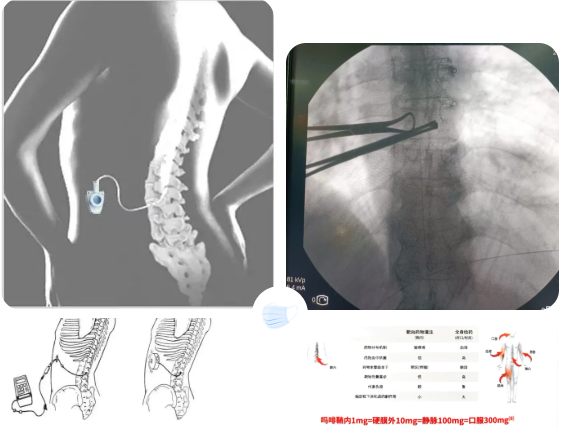
Intrathecal Morphine Pump Treatment Schematic DiagramIntrathecal Morphine Pump vs. Traditional Drug Delivery Methods: Dosage Comparison
II. Neuromodulation via Radiofrequency (RF) Ablation
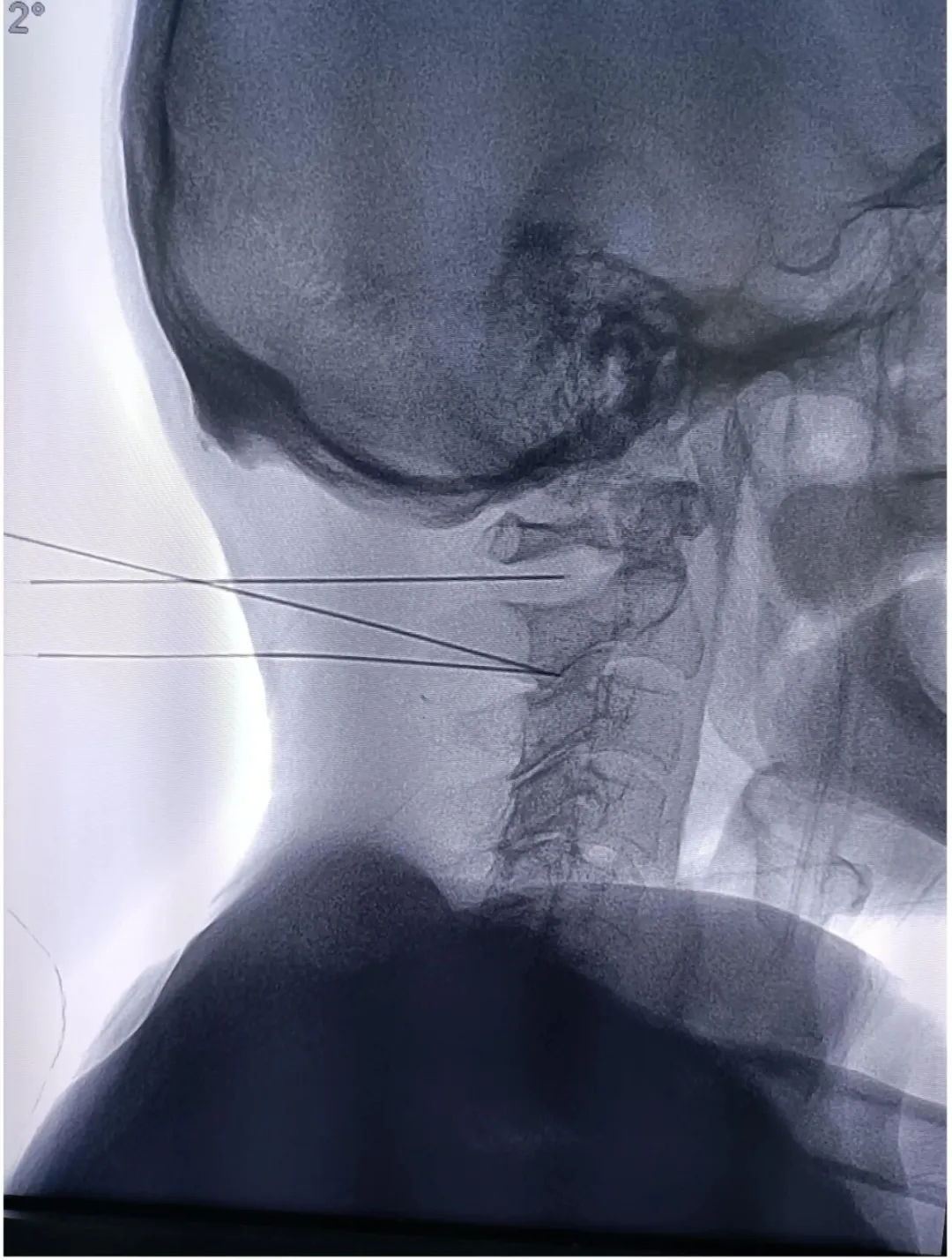
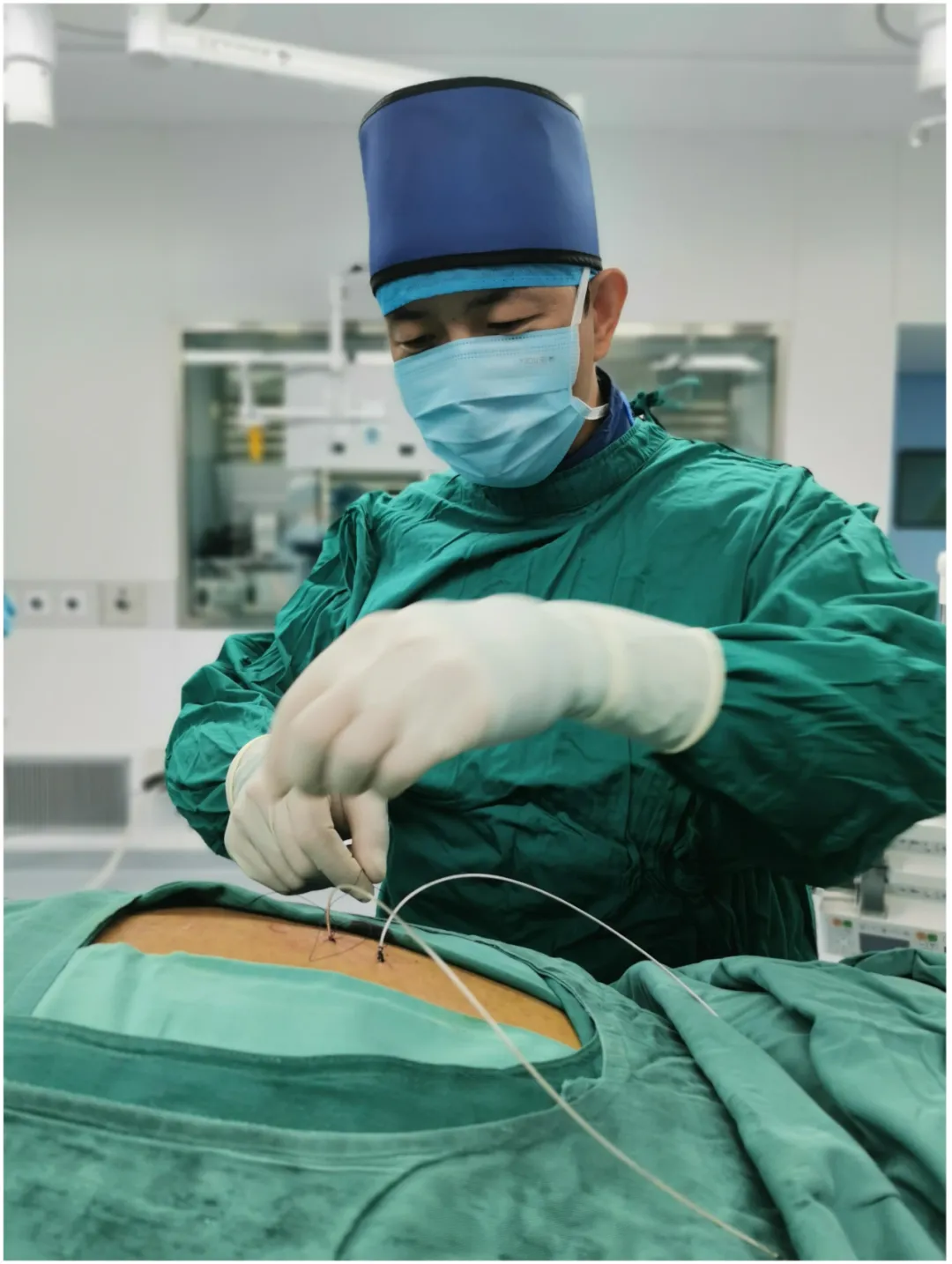
Radiofrequency treatment is a minimally invasive interventional therapy. It utilizes specialized equipment to generate ultra-high-frequency radio waves, delivered via a puncture needle to precisely target tissue using thermal effects or neuromodulation to treat pain. After continuous innovation, it has become a key method for treating various intractable pain conditions.
Its core technology—Radiofrequency Neuromodulation—offers significant advantages:
- Long-lasting & Cost-effective: Uses physical methods to block pain signal conduction, providing long-term efficacy without drugs, avoiding repeated treatment costs and risks.
- Precise & Safe Localization: Uses electrical stimulation to precisely locate target nerves and differentiate between sensory and motor nerves, ensuring accurate treatment and enhanced safety.
- Minimal Trauma & Fast Recovery: Minimally invasive puncture under imaging guidance, no open surgery, rapid post-procedure recovery.
III. Celiac Plexus Neurolysis (CPN)
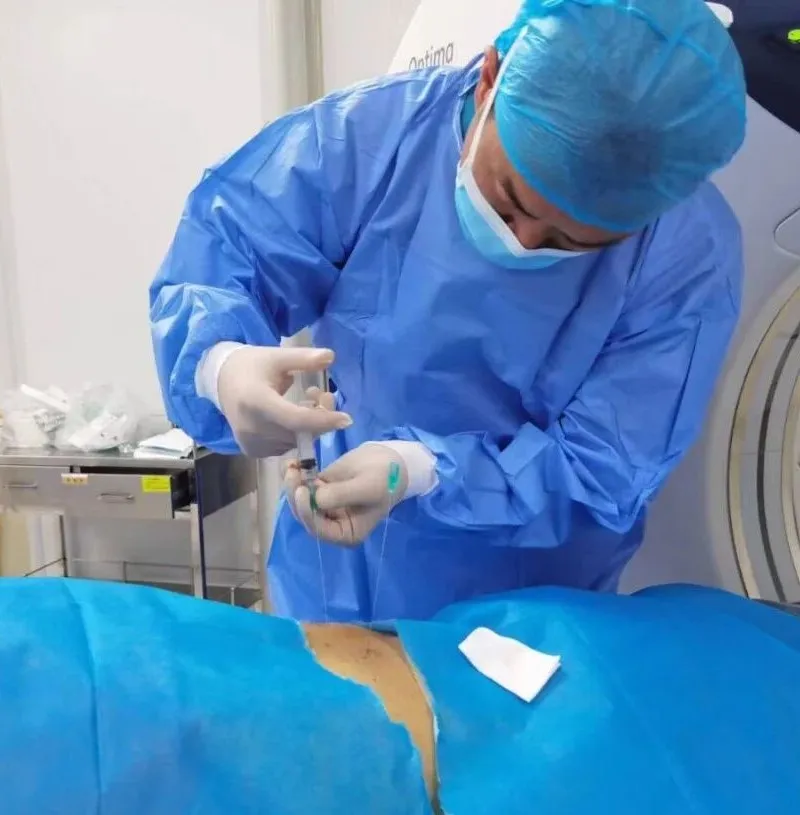
Celiac Plexus Neurolysis (CPN) is a minimally invasive interventional treatment performed under precise imaging guidance (CT, X-ray, or ultrasound). Its core principle involves delivering chemical agents or applying radiofrequency thermocoagulation via a puncture needle to ablate the sensory nerve fibers innervating the upper abdominal organs, interrupting pain signal transmission to the brain. Studies show high effectiveness (80%–94%) in relieving abdominal pain from cancers such as pancreatic, gastric, liver, and gallbladder cancer. Patients can significantly reduce or discontinue oral analgesics post-procedure.
Advantages:
- Minimally Invasive, Minimal Damage: No open surgery; treatment via puncture needle causes minimal tissue damage.
- Simple Anesthesia, High Safety: Most patients require only local anesthesia, avoiding general anesthesia risks.
- Rapid Recovery, Clear Efficacy: Minimal surgical trauma leads to quick recovery and significant pain relief with little functional impact.
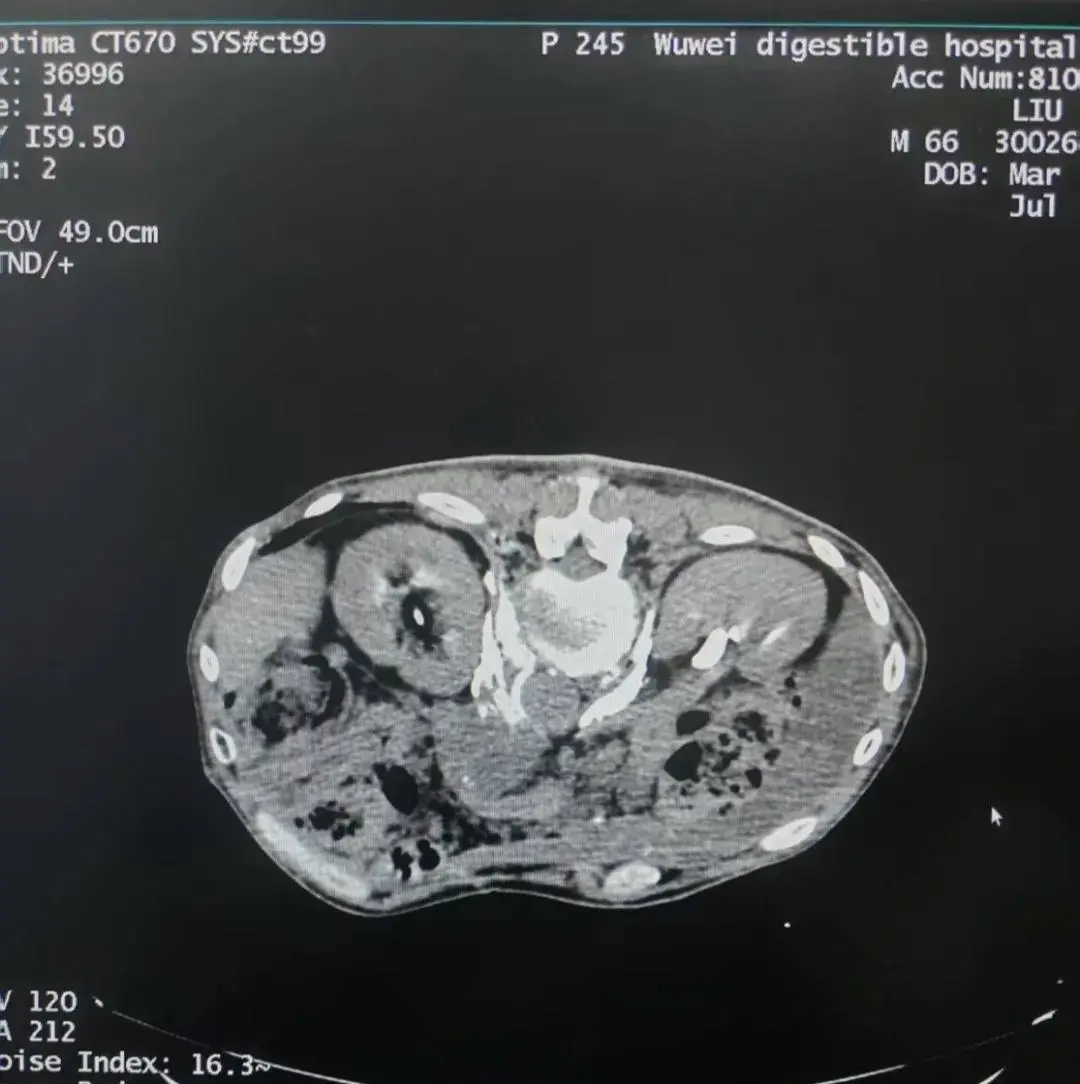
IV. Vertebroplasty for Metastatic Spinal Lesions
For pain from vertebral compression fractures caused by tumors, vertebroplasty is a valuable adjuvant treatment. Indications include: metastatic vertebral pain from malignant tumors; vertebrae at fracture risk; symptomatic vertebral microfractures confirmed by MRI/scintigraphy and/or CT showing osteolytic lesions without significant height loss; and patients with unresolved pain after radiotherapy for bone metastases.
Advantages of Percutaneous Vertebroplasty:
- Rapid pain relief and excellent efficacy.
- Minimal trauma, low surgical risk, few complications, no sutures.
- Fast recovery, short hospital stay, reduces complications from prolonged bed rest. Enhances vertebral strength and stability, preventing compression and collapse of the affected vertebra.
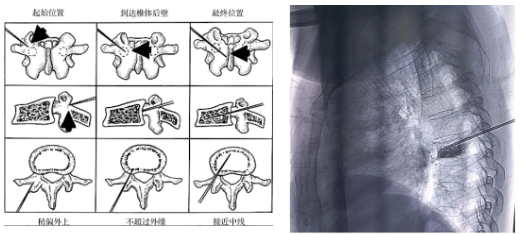
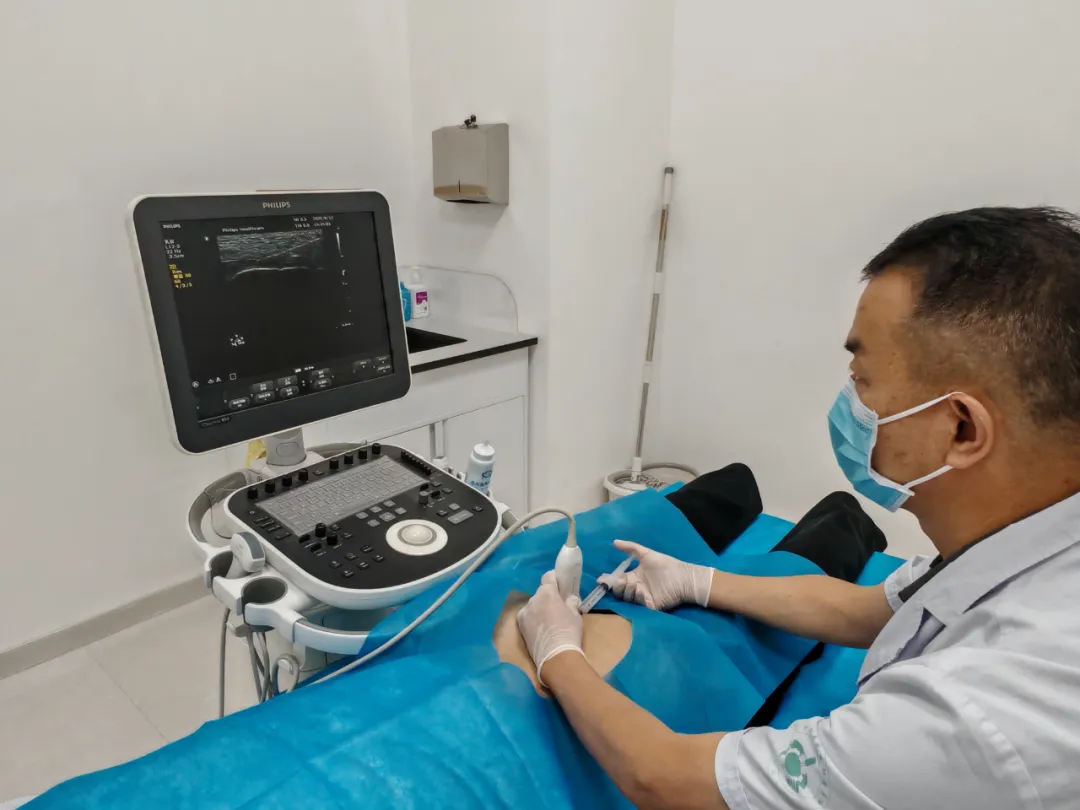
V. Ultrasound-Guided Nerve Block Analgesia
Ultrasound-guided nerve block analgesia is an effective primary method for treating various chronic pain conditions. It is widely used in treating cervicogenic pain, cancer pain, low back pain, nerve entrapment pain, etc. A nerve block involves injecting analgesic and anti-inflammatory medication around a nerve trunk, plexus, or ganglion to block impulse conduction, thereby producing an analgesic effect in the innervated area. A single injection can provide effective analgesia over a large area.
Advantages of Ultrasound-Guided Nerve Block Analgesia:
- Safety: Ultrasound imaging allows visualization of nerves, blood vessels, the pleura, and other tissues, as well as the puncture needle and the spread of medication. This helps avoid serious complications like nerve injury, accidental vascular puncture, or pleural puncture.
- Direct Visualization: Ultrasound provides a direct view of the target nerve and adjacent structures, overcoming difficulties caused by anatomical variations. This improves the success rate of the puncture and the quality of anesthesia/analgesia.
- Rapid Onset: Ultrasound guidance allows the needle to be placed closer to the nerve. Multi-point injection and observation of local anesthetic spread are possible, shortening the onset time of analgesia and reducing the required drug dosage.

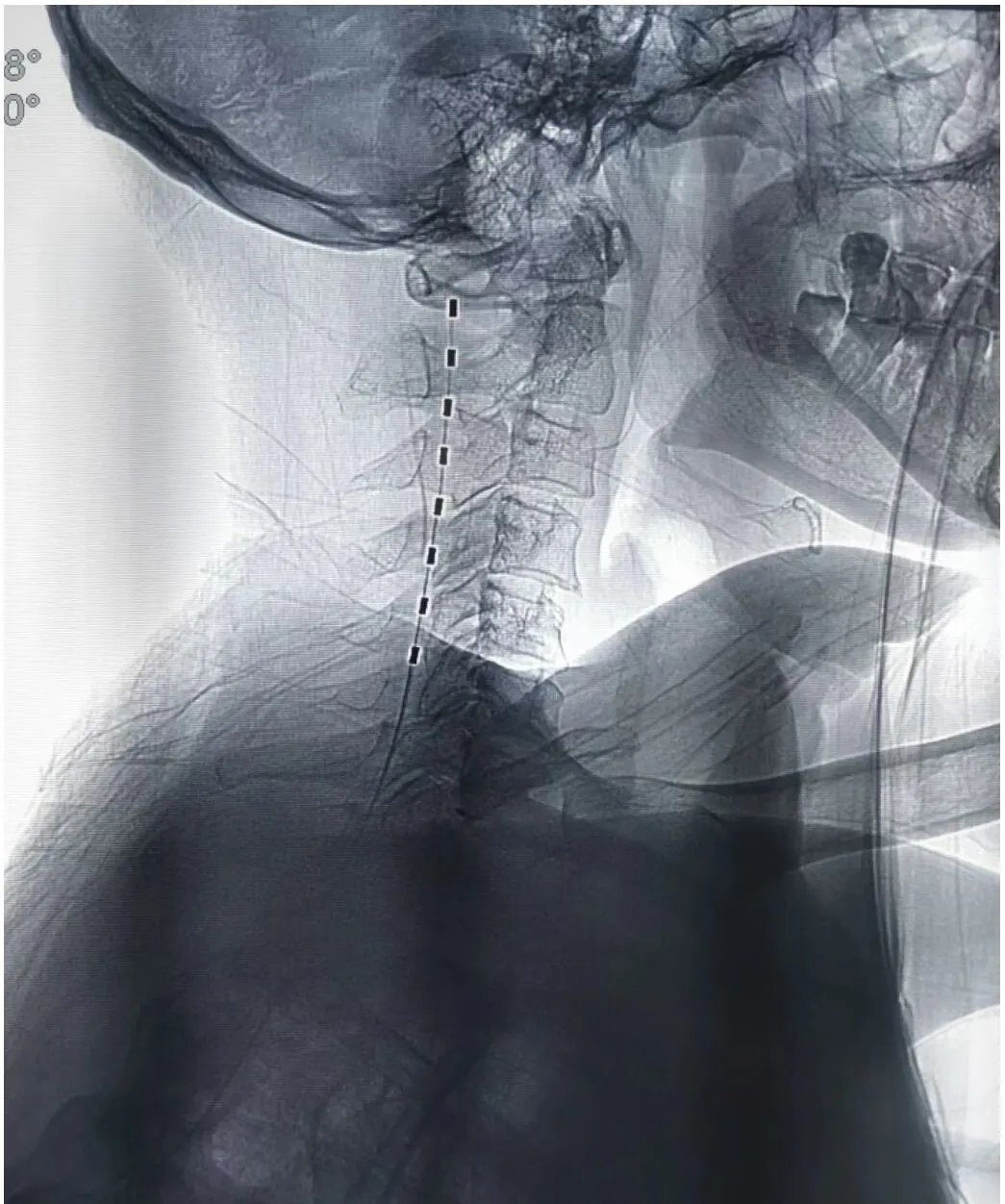
VI. Spinal Cord Stimulation (SCS) Implantation
Spinal Cord Stimulation (SCS) Implantation involves placing stimulation electrodes into the epidural space of the spinal canal. The electrodes generate an electrical field that stimulates ascending structures in the dorsal spinal cord, such as the dorsal nerve roots, dorsal horn neurons, and the spinothalamic tract. By electrically stimulating the dorsal column pathways and dorsal horn sensory neurons, it blocks/interferes with the transmission of pain signals through the spinal cord to the brain, thereby achieving the goal of treating pain or other conditions.
Indications for SCS Implantation: Complex Regional Pain Syndrome (CRPS), neurogenic pain (neuropathic pain), phantom limb pain/stump pain, postherpetic neuralgia, spinal cord injury, diabetic peripheral neuropathy, peripheral ischemic pain, thromboangiitis obliterans, diabetic foot, and other chronic pain conditions.
Advantages of Spinal Cord Stimulation:
- Minimally invasive technique, non-destructive, reversible, with few complications.
- Parameters (voltage, pulse width, frequency) can be adjusted according to patient needs.
- Efficacy can be assessed through a trial stimulation period, avoiding unnecessary permanent implantation.
- Internationally recognized as an advanced therapy for chronic, intractable pain.

VII. Patient-Controlled Analgesia (PCA) Pump Technology
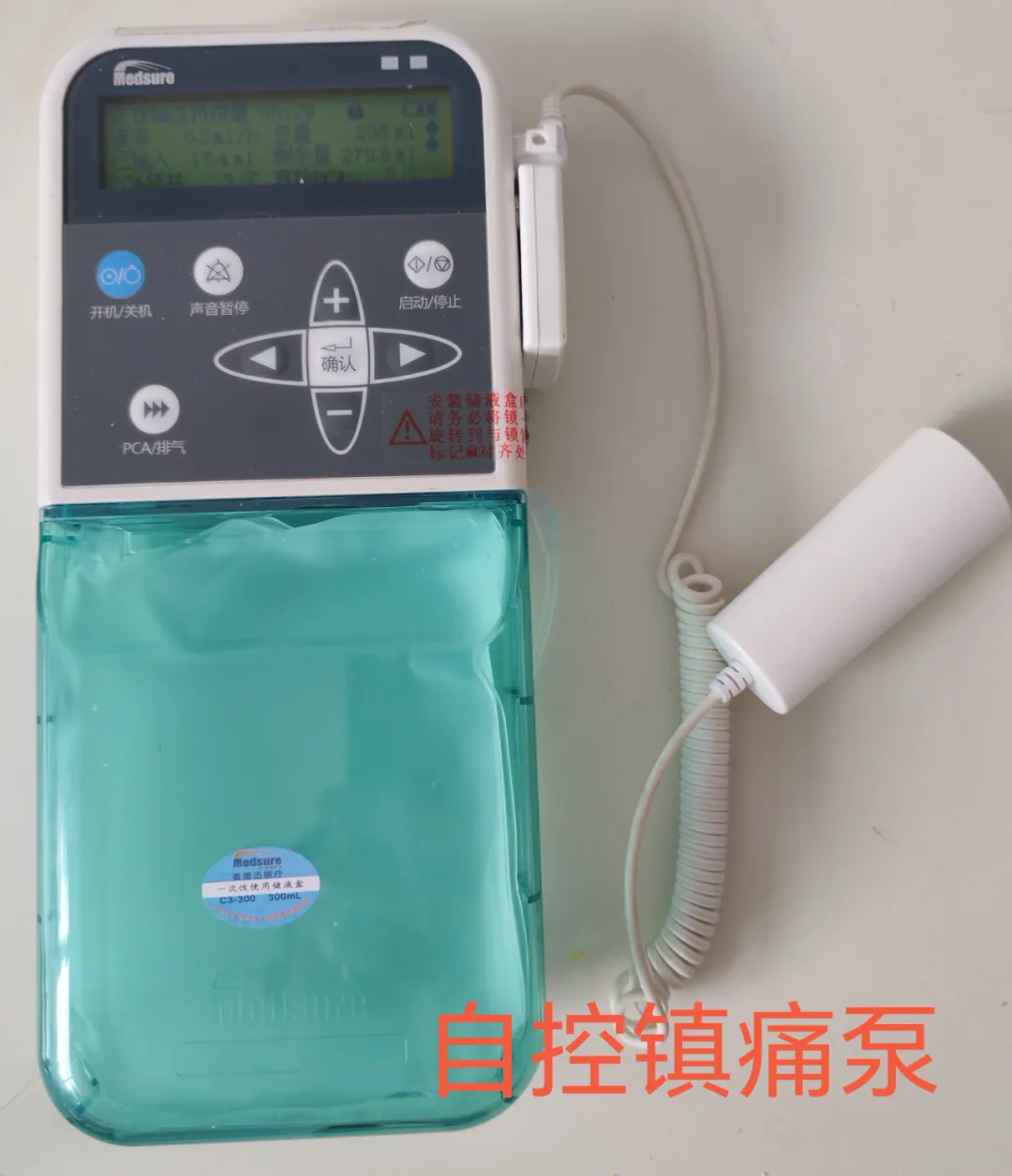
PCA technology serves as a supplementary measure to traditional medication-based analgesia. It is used for opioid dose titration in cancer pain patients, control of frequent breakthrough pain, and for continuous analgesic treatment in patients with dysphagia, gastrointestinal dysfunction, or at the end of life.
Advantages of Patient-Controlled Analgesia (PCA) Pump Technology:
- Reduces side effects associated with excessive analgesic doses.
- Increases comfort and facilitates pain management.
- Enables on-demand medication delivery, achieving personalized analgesia.
- Effectively alleviates cancer pain and reduces the incidence of patient complications.
VIII. Targeted Ablation for Herniated Discs: Collagenase, Ozone, and Plasma Techniques
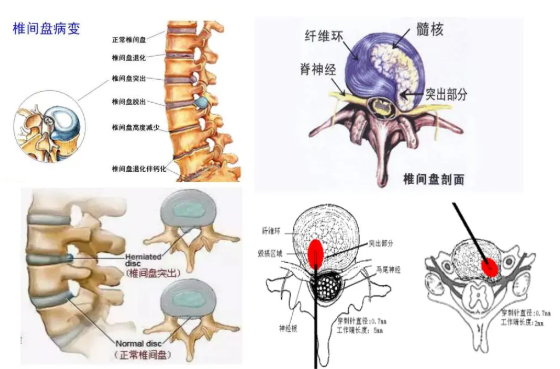
"Targeted ablation" refers to the precise guidance of imaging equipment (e.g., DSA, CT) to puncture a fine needle into or around a herniated intervertebral disc. Specific agents are then injected to induce chemical or physical reactions that shrink, dissolve, atrophy, or inactivate the herniated nucleus pulposus tissue, thereby relieving compression on nerve roots or the spinal cord to achieve therapeutic goals. These three techniques all belong to "percutaneous minimally invasive interventional therapy." A fine needle is precisely guided to the pathological disc, and the herniated nucleus pulposus is targeted via chemical (collagenase), physicochemical (ozone), or physical (plasma) means to reduce its volume and pressure, thus relieving nerve compression.
Advantages of Collagenase, Ozone, and Plasma Targeted Ablation for Herniated Discs:
- Minimally Invasive & Precise: Involves only a fine needle puncture, acting precisely on the pathological target under imaging guidance with minimal trauma.
- Safe & Function-Preserving: Avoids the significant trauma and risks of general anesthesia associated with open surgery, maximally preserving the spine's original structure and mobility.
- Rapid Recovery: Quick postoperative recovery, short hospital stay, enabling a faster return to normal life.
- Stepwise Option: Represents an important minimally invasive step between conservative treatment and open surgery. Even if ineffective, it does not preclude subsequent other treatments.
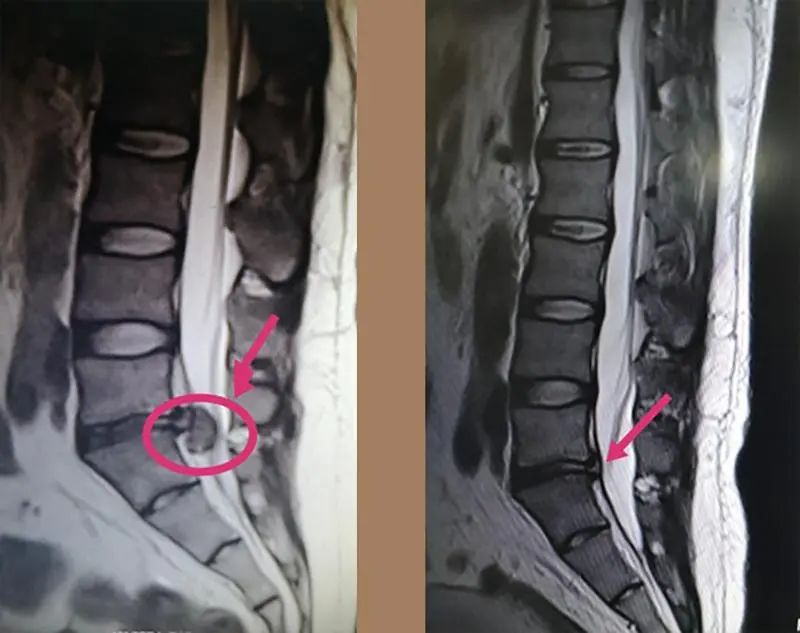
Pre- and Post-Treatment Imaging Comparison Diagram
IX. Spinal Endoscopy Technology
Spinal endoscopy technology is a revolutionary minimally invasive spine surgery. Its core concept can be summarized as: through a "keyhole" incision of about 1 cm, a slender tube with a high-definition camera is inserted. The surgeon, viewing a magnified screen, uses micro-instruments to precisely address pathologies within the spine (such as herniated discs, hypertrophic ligaments, etc.) to relieve nerve compression. Simply put, it's like performing a precise repair inside the spine using an "endoscope" and "micro-instruments," thereby avoiding the trauma of traditional open surgery.
Three Key Advantages of Spinal Endoscopy Technology:
- Minimally Invasive: Small incision (approx. 7-8 mm), no extensive muscle stripping, preserves spinal stability.
- Precise: The endoscopic lens magnifies the surgical field, allowing more refined and safer operations.
- Fast Recovery: Minimal bleeding, less pain. Patients can often ambulate on the same day or the next day after surgery, with a short hospital stay (1-3 days).
Modern Spinal Surgery Advocates a "Stepwise Treatment" Philosophy:
- First Step: Conservative Treatment (rest, medication, rehabilitation/physical therapy) – The majority of patients (>80%) are cured or experience relief at this stage.
- Second Step: Minimally Invasive Interventional Therapy (e.g., collagenase/ozone ablation, radiofrequency, plasma, endoscopic discectomy like TESSYS/ Yeung technique) – Suitable for specific types of herniation where conservative treatment fails.
- Third Step: Open Surgery (e.g., discectomy, laminectomy/decompression, fusion with internal fixation) – Reserved for severe conditions, failed minimally invasive attempts, or cases with clear surgical indications.