Do you know it? It's called a gastric persimmon stone
Do you know it? It's called a gastric persimmon stone
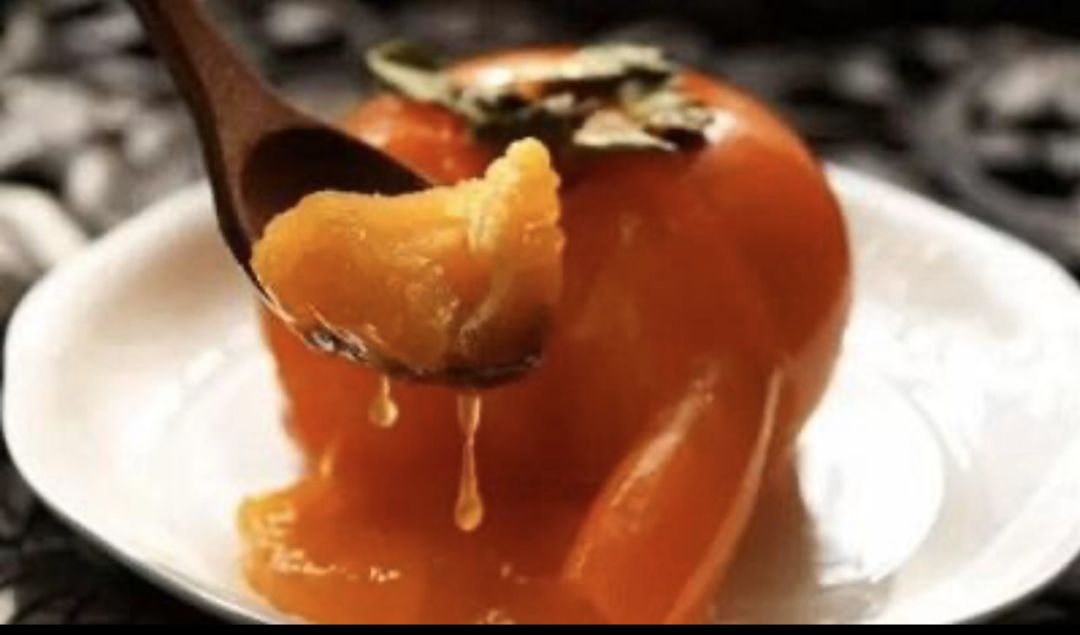
It's that season again for eating persimmons and dried persimmons. But did you know? If you consume too many persimmons or dried persimmons, a type of stone can form in your stomach, called a "gastric persimmon stone," also known as phytobezoar. Let me briefly explain how it forms and how to prevent it.

Phytobezoar occurs because persimmons contain tannic acid, gum, and pectin. Under the action of gastric acid, tannins combine with proteins to form tannic acid protein, which then adheres to pectin, gum, and cellulose, eventually forming gastric stones. The condition is divided into acute and chronic forms. In the acute type, symptoms can appear within half an hour of consuming a large amount of persimmons, including a heavy sensation in the upper abdomen, fullness, nausea, and vomiting, with persimmon remnants present in the vomit. Further irritation from food can also lead to gastritis, gastric ulcers, and gastric dysfunction. The chronic form typically lasts for more than six months, with clinical manifestations similar to gastric ulcers or chronic gastritis, such as loss of appetite, indigestion, upper abdominal pain, and heartburn. If you experience the above symptoms after eating a large amount of persimmons, seek medical attention promptly.
How to prevent gastric persimmon stones?
There are eight precautions to keep in mind when eating persimmons:
1. Avoid consuming excessive amounts of unripe persimmons.
2. Do not eat persimmons on an empty stomach or when hungry.
3. Avoid eating persimmons when excessively fatigued or tired.
4. Do not consume persimmons together with foods high in fiber, such as certain vegetables.
5. Individuals with chronic gastritis, indigestion, diabetes, impaired gastric motility, or those who have undergone partial gastrectomy should avoid eating persimmons.
6. Try to eat as little persimmon skin as possible when consuming persimmons.
Contributed by: Nursing Station, First Department of Gastroenterology