Understanding the "Spark of Life" — Umbilical Cord Blood Hematopoietic Stem Cells
Understanding the "Spark of Life" — Umbilical Cord Blood Hematopoietic Stem Cells
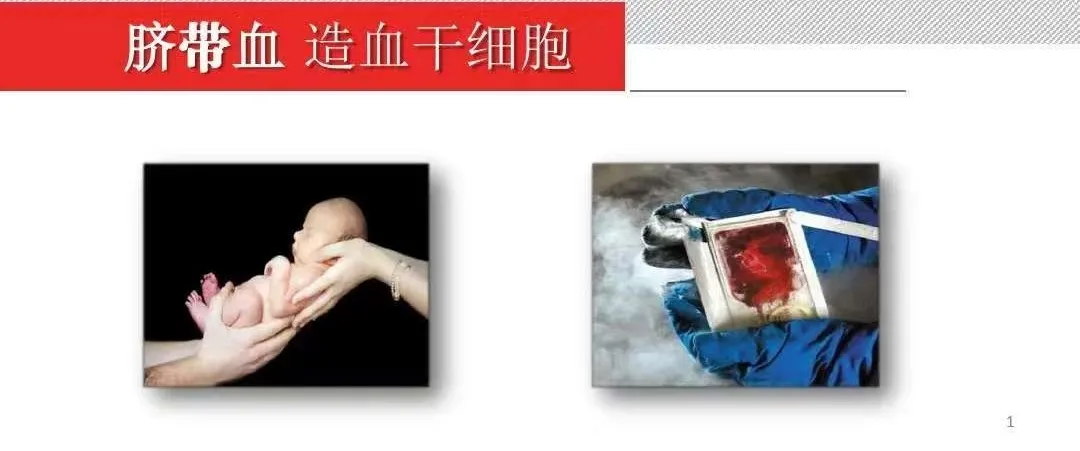
In hematopoietic stem cell transplantation, bone marrow, peripheral blood, and umbilical cord blood are the three primary sources of stem cells. Today, let’s discuss the "spark of life"—umbilical cord blood hematopoietic stem cells.
Advantages of Umbilical Cord Blood Hematopoietic Stem Cells
Umbilical cord blood hematopoietic stem cells are the "progenitor cells" or "seed cells" of all blood cells, possessing the ability to self-renew and differentiate into multiple lineages. When combined with targeted immunochemotherapy for anti-tumor treatment, cord blood hematopoietic stem cells can not only combat tumors but also improve bone marrow hematopoietic function and immune system function, alleviate bone marrow suppression, and enhance tolerance to anti-tumor therapies. Umbilical cord blood hematopoietic stem cell transplantation is an innovative therapy that utilizes stem cells from newborn cord blood for transplantation. It offers advantages such as lower matching requirements, reduced rejection reactions, a lower incidence of graft-versus-host disease (GVHD) post-transplantation, and a reduced recurrence rate of the primary disease. This provides new hope for patients who have not responded well to conventional treatments.
Advantages of umbilical cord blood compared to bone marrow and peripheral blood hematopoietic stem cells:
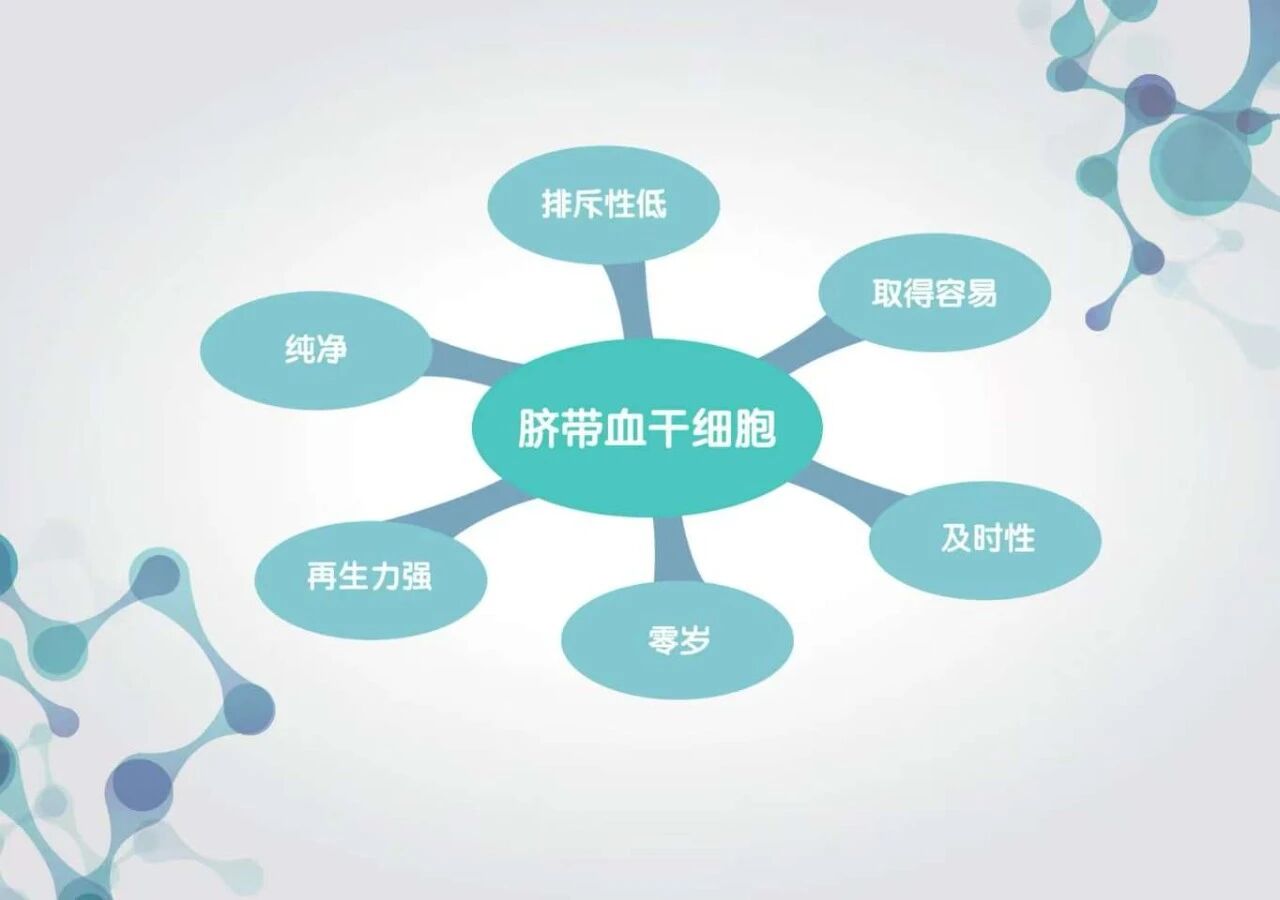
01 The placental barrier protects umbilical cord blood, reducing the risk of viral contamination.
02 Umbilical cord blood can be stored long-term, retrieved quickly with short query times, and made readily available.
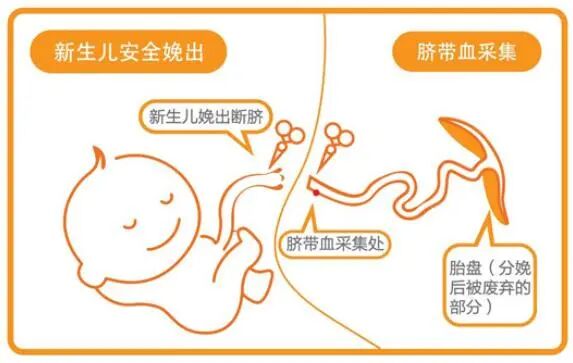
03 Umbilical cord blood is abundant in source and easy to collect, with no harm to the donor during the collection process.
04 The T-lymphocytes in umbilical cord blood are fewer and more primitive, resulting in a lower incidence of graft-versus-host disease (GVHD) after umbilical cord blood transplantation (UCBT) compared to unrelated bone marrow and peripheral blood transplants. The incidence of chronic GVHD, in particular, is even lower, leading to a better quality of life for patients.
05 Umbilical cord blood has low immunogenicity and less stringent matching requirements, allowing tolerance to HLA mismatches in unrelated transplants. This is an advantage of cord blood. The immune system of newborns is not yet fully developed, making the immune cells in umbilical cord blood more "naïve" and "tolerant." Therefore, during HLA (human leukocyte antigen) matching, full compatibility of 8/8 or 10/10 loci is not required as in bone marrow transplants; partial locus compatibility is sufficient. This significantly increases the chances of successful matching. (Currently, haploidentical hematopoietic stem cell transplantation technology is also rapidly advancing and maturing in transplant centers worldwide.)
06 Strong proliferation ability and vigorous vitality: Hematopoietic stem cells in umbilical cord blood are the "youngest" stem cells, with powerful division and proliferation capabilities. Once implanted, they begin their work with robust vitality.
The Application Value of Umbilical Cord Blood Hematopoietic Stem Cells
The value of umbilical cord blood is not merely theoretical:
- 1988 Milestone: The world's first successful umbilical cord blood transplant cured a 5-year-old boy with Fanconi anemia, marking the dawn of a new era in clinical applications of cord blood.
- Current Status: Today, whether in Europe or the Americas, umbilical cord blood remains a vital source of stem cells. In China, the total number of cord blood transplants continues to grow, with composite transplants accounting for a significant proportion—umbilical cord blood is involved in 22% of allogeneic transplants. Beyond hematopoietic stem cells, cord blood also contains other cells such as NK cells and T cells. Extensive research is currently underway in China, indicating even greater potential for the future development of umbilical cord blood.

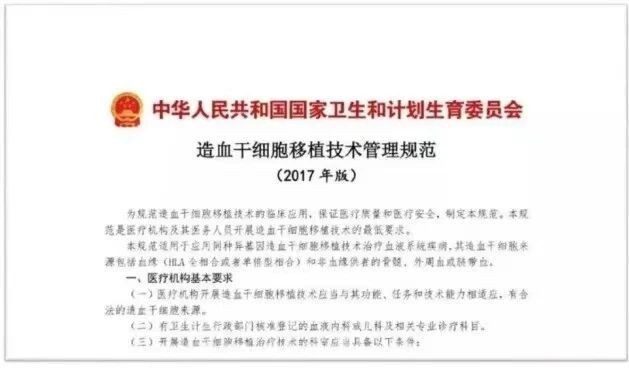
- Wide Clinical Applications: The Clinical Application Management Standards for Allogeneic Hematopoietic Stem Cell Transplantation Technology issued by the National Health Commission in 2022 has explicitly defined umbilical cord blood as one of the three legal sources of hematopoietic stem cells (bone marrow, peripheral blood, and umbilical cord blood). Cord blood intended for transplantation must be provided by cord blood banks approved and established by the National Health Commission. Currently, there are 7 umbilical cord blood hematopoietic stem cell banks certified by the National Health Commission in China, located in Beijing, Tianjin, Shanghai, Guangdong, Sichuan, Shandong, and Zhejiang. These institutions are uniformly regulated by the state, cover different regions, and provide both public and autologous banking services. Related processes such as collection, supply, and transplantation are governed by regulations including the Measures for the Administration of Umbilical Cord Blood Hematopoietic Stem Cell Banks and the Technical Standards for Umbilical Cord Blood Hematopoietic Stem Cell Banks. The quality control system is regularly reviewed by the National Health Commission to ensure the safety and efficacy of their research and clinical applications. The clinical data from the aforementioned 7 nationally certified cord blood banks are integrated into the China Marrow Donor Program (CMDP), enabling nationwide resource sharing. As of 2025, clinical application cases of umbilical cord blood in China have exceeded 40,000 (with global clinical application cases surpassing 95,000), covering over 100 diseases. These include malignant hematologic diseases (leukemia, lymphoma, myelodysplastic syndromes, etc.), non-malignant hematologic diseases (aplastic anemia, thalassemia, sickle cell disease, etc.), inherited metabolic disorders (mucopolysaccharidosis, adrenoleukodystrophy, etc.), and immunodeficiency diseases (severe combined immunodeficiency, etc.). Particularly in the field of rare disease treatment, umbilical cord blood has demonstrated its unique advantages.
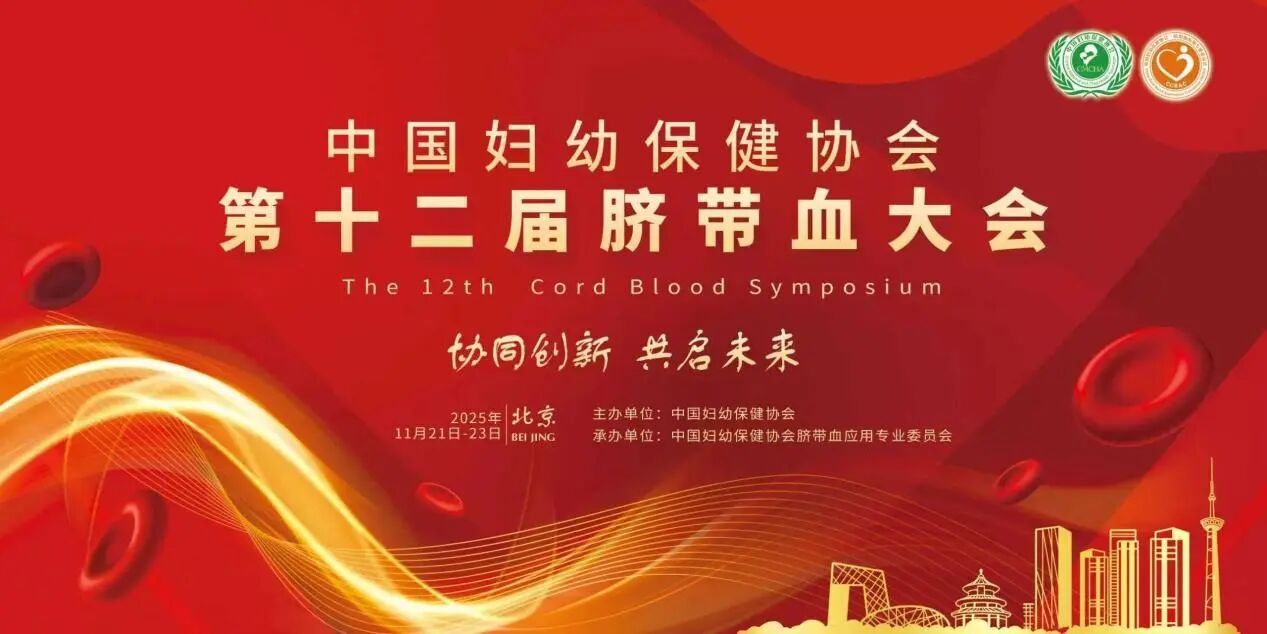
- On November 22, 2025, the 12th China Cord Blood Conference grandly opened in Beijing. Professor Wu Depei, the Executive Deputy Director of the National Clinical Research Center for Hematologic Diseases and the 11th Chairman of the Hematology Society of the Chinese Medical Association, pointed out: "As a primary source of hematopoietic stem cells, cord blood offers advantages such as physical storage and convenient accessibility, demonstrating unique efficacy in clinical practice. Notably, in certain disease areas, cord blood transplantation has shown superior therapeutic outcomes compared to bone marrow and peripheral blood transplantation, with many patients achieving higher survival rates and better quality of life post-surgery. Cord blood-assisted applications are also a current hotspot and highlight in clinical research. Cord blood-assisted transplantation is widely used in hematologic diseases such as thalassemia and aplastic anemia. The combination of cord blood with bone marrow and peripheral blood transplantation not only expands treatment scenarios but also provides new solutions for complex hematologic disorders. We must devote more wisdom and effort to this field, allowing this source of life to unleash greater clinical value."
Requirements and Precautions for Infusion/Engraftment
01 Infusion in the Laminar Airflow Ward
The air in the laminar airflow ward is highly filtered and almost sterile, acting like a transparent protective shield that isolates patients with compromised immunity from all external infection risks. On the day of transplantation, a bag of umbilical cord blood, cryopreserved in the vapor phase of liquid nitrogen at -196°C, is slowly thawed. This pale red liquid represents the "spark of life" or the "seed of life," carrying all hopes. Through a central venous catheter, it is slowly infused into the patient's body. This process appears calm, yet it is intensely dramatic. These incoming "stem cell warriors" will travel through the bloodstream, autonomously "homing" to the bone marrow, where they will settle, proliferate, and differentiate. The day of cord blood reinfusion is known as the patient's "second birthday." In the coming weeks, they will rebuild an entirely new, healthy hematopoietic and immune system.
02 Complication Management
Some patients may experience the following during the infusion process: allergic reactions, bradycardia, bronchospasm, difficulty breathing, chills and fever, erythematous rash, headache, hematuria, hypertension, hypotension, nausea, vomiting, or seizures. Symptomatic treatment is sufficient. Prior to infusion, active nutritional support, hydration, and preventive anti-allergy measures are required. Adequate hydration should be provided within 12 hours after cord blood infusion, and patients are also advised to drink plenty of water. Successful infusion is only the first step. Subsequently, close monitoring of the patient's vital signs, complete blood count, liver function, kidney function, urinalysis, cardiac function, and other indicators is essential to ensure patient safety and to facilitate the "seed" of engraftment to take root, sprout, flourish, and grow into a "towering tree" — effectively reconstructing an "oasis of life"!
Expert Introduction
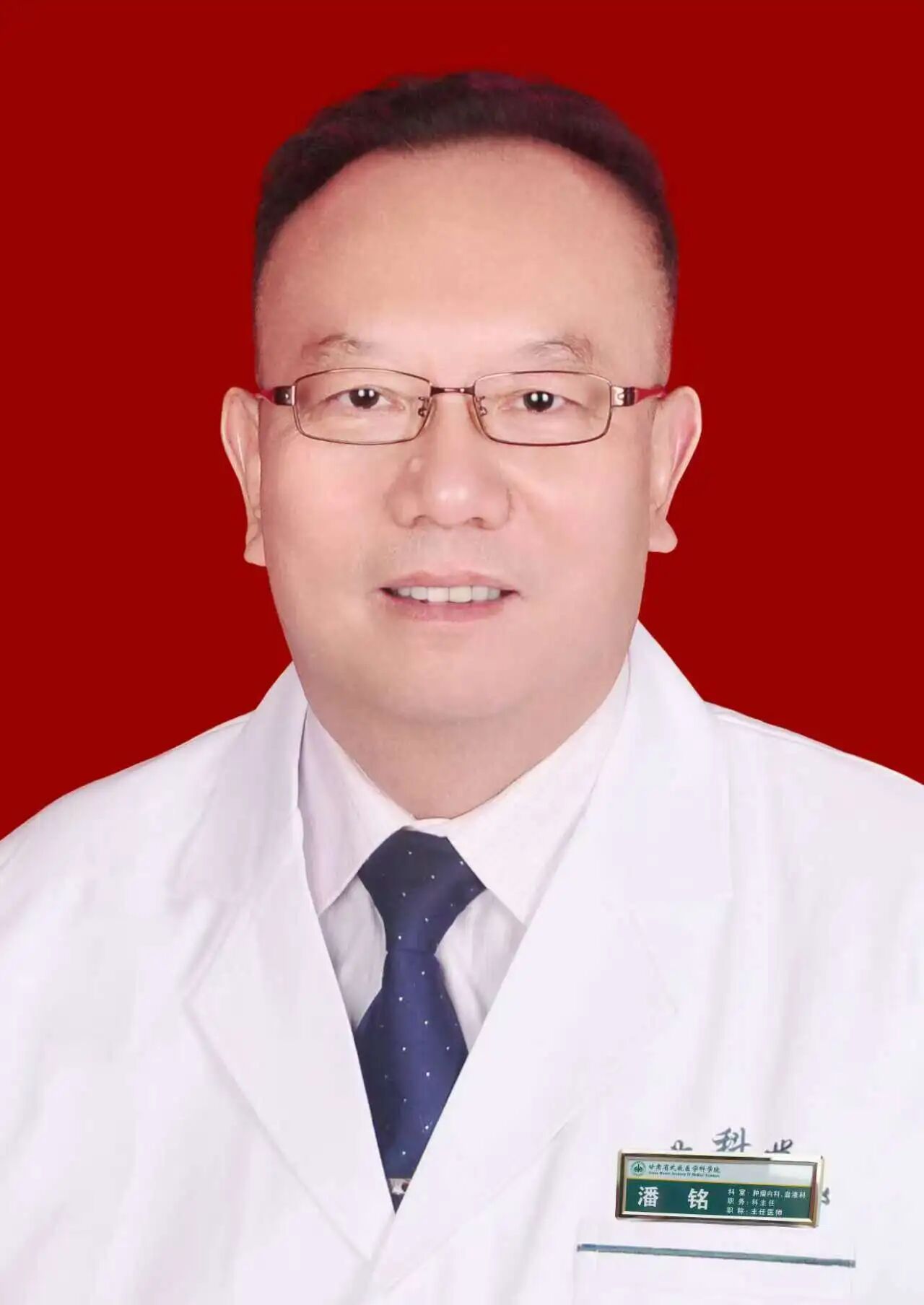
Pan Ming
Director of Hematology-Oncology Department, Director of Hematology Center Laboratory, and Chief Expert in Hematology
First-Class Chief Physician
Career Timeline
He began work in July 1984. In 2001, completed a one-year advanced training program in the Department of Hematology and the Institute of Hematology at the China-Japan Friendship Hospital, Ministry of Health (the institution of Professor Wang Fengji, former head of the Morphology Group for the 1st to 4th Sessions of the Chinese Society of Hematology, Chinese Medical Association), studying bone marrow hemocytomorphology (experimental hematology) under the guidance of Teacher Wang Yinping. In 2002, established Wuwei City's first hematology specialty—the Department of Hematology at Wuwei People's Hospital (a provincial-level key discipline), the Hematology Center Laboratory (a municipal-level key laboratory), and the Wuwei Hematology Research and Treatment Center (under the Municipal Science and Technology Bureau). After 2003, undertook short-term advanced training at the Department of Hematology, Ruijin Hospital, Shanghai Jiao Tong University; the Department of Hematology, The First Affiliated Hospital of Soochow University; the Department of Hematology, The First Affiliated Hospital of Xuzhou Medical University; the Department of Hematology, Sun Yat-sen University Cancer Center; the Tianjin Hematology Hospital, Chinese Academy of Medical Sciences; and the Department of Hematology, Peking Union Medical College. In 2017, participated in clinical research and innovation capability training for leading talents of Gansu Province at Skåne University Hospital and Lund University Hospital (Lund University and Region Skåne Hospital Care) in Sweden.
Academic Achievements
He has published over 50 papers as the first author in domestic and international academic journals, including SCI and CSCD-indexed publications. Served as a primary contributor or editor for 5 books, including Wuwei Regional People's Hospital Annals and Internal Medicine Diagnosis and Order Manual. As the principal investigator, has completed 11 research projects funded by the Gansu Provincial Natural Science Foundation and provincial/municipal scientific research programs, receiving 10 provincial/municipal awards for scientific and technological progress and medical science and technology.
Current Professional Appointments
Currently serves as: Member of the First Committee of the Hematology Institutions Branch, Chinese Hospital Association; Standing Committee Member of the Hemophilia Working Group, China Rare Disease Alliance; Member of the Transplantation and Plasmapheresis Working Group, Stem Cell Engineering and Technology Branch, Chinese Society of Biomedical Engineering; Member of the Hemostasis and Thrombosis Branch, China Medicine Education Association; Member of the Hematology Branch, Chinese Association of Traditional Chinese Medicine; Council Member of the Hematology Branch, China Ethnic Medicine Association. Also holds positions including: Vice Chairman of the Hematology Physician Branch, Gansu Provincial Medical Doctor Association; Vice Chairman of the Second Lymphoma Professional Committee, Gansu Anti-Cancer Association; Vice Chairman of the First Lymphoma Professional Committee, Gansu Alliance of China Cancer Prevention and Treatment Alliance; Standing Committee Member of the 7th and 8th Hematology Society, Gansu Provincial Medical Association; Standing Committee Member of the Hematology Society, Gansu Association of Integrative Medicine; Standing Committee Member of the Hematology Professional Committee, Integrated Medicine Physician Branch, Gansu Provincial Medical Doctor Association; Standing Committee Member of the First Hematology Translational Medicine Professional Committee, Gansu Anti-Cancer Association; Standing Committee Member of the Hematology Oncology Professional Committee, Gansu Association of Traditional Chinese Medicine; Council Member of the Gansu Association of Integrative Medicine; Council Member of the Gansu Anti-Cancer Association; Member of the Integrated Medicine Physician Branch, Gansu Provincial Medical Doctor Association. At the municipal level, serves as: Vice President of the Wuwei Medical Association; Chairman of the First and Second Hematology Professional Committees, Wuwei Medical Association.
Honors and Recognitions
Recognized as: Leading Talent by the Gansu Provincial Health Department; Academic Leader of the Provincial-Level Key Medical Discipline (Hematology) in Gansu; Academic and Technical Leader among Young and Middle-Aged Healthcare Professionals in Gansu; Famous Doctor of Traditional Chinese Medicine in Gansu Province; Outstanding Scientific and Technological Worker in Gansu Province; Outstanding Communist Party Member in the Gansu Healthcare System; Leading Talent in Wuwei City; One of the Ten Outstanding Young Intellectuals in Wuwei City; Outstanding Scientific and Technological Worker in Wuwei City. Awarded the Gansu Province "May 1st" Labor Medal and recognized as a "Gansu Good Person." Receives the high-level professional and technical talent allowance from Gansu Province.
Areas of Expertise
Proficient in the diagnosis and treatment of various hematologic and lymphatic system diseases, including anemias of all types, aplastic anemia, hemolytic diseases, acute and chronic leukemias, lymphoma, multiple myeloma, myelodysplastic syndromes (MDS), myeloproliferative neoplasms, bone marrow metastatic carcinoma, thrombocytopenia, thrombosis and bleeding disorders, thrombotic thrombocytopenic purpura (TTP), Henoch-Schönlein purpura, and disseminated intravascular coagulation (DIC). Also skilled in bone marrow cytomorphology research, biological cell immunotherapy techniques, hematopoietic stem cell transplantation, and the integrated use of traditional Chinese and Western medicine for diagnosing and treating complex internal medicine conditions.
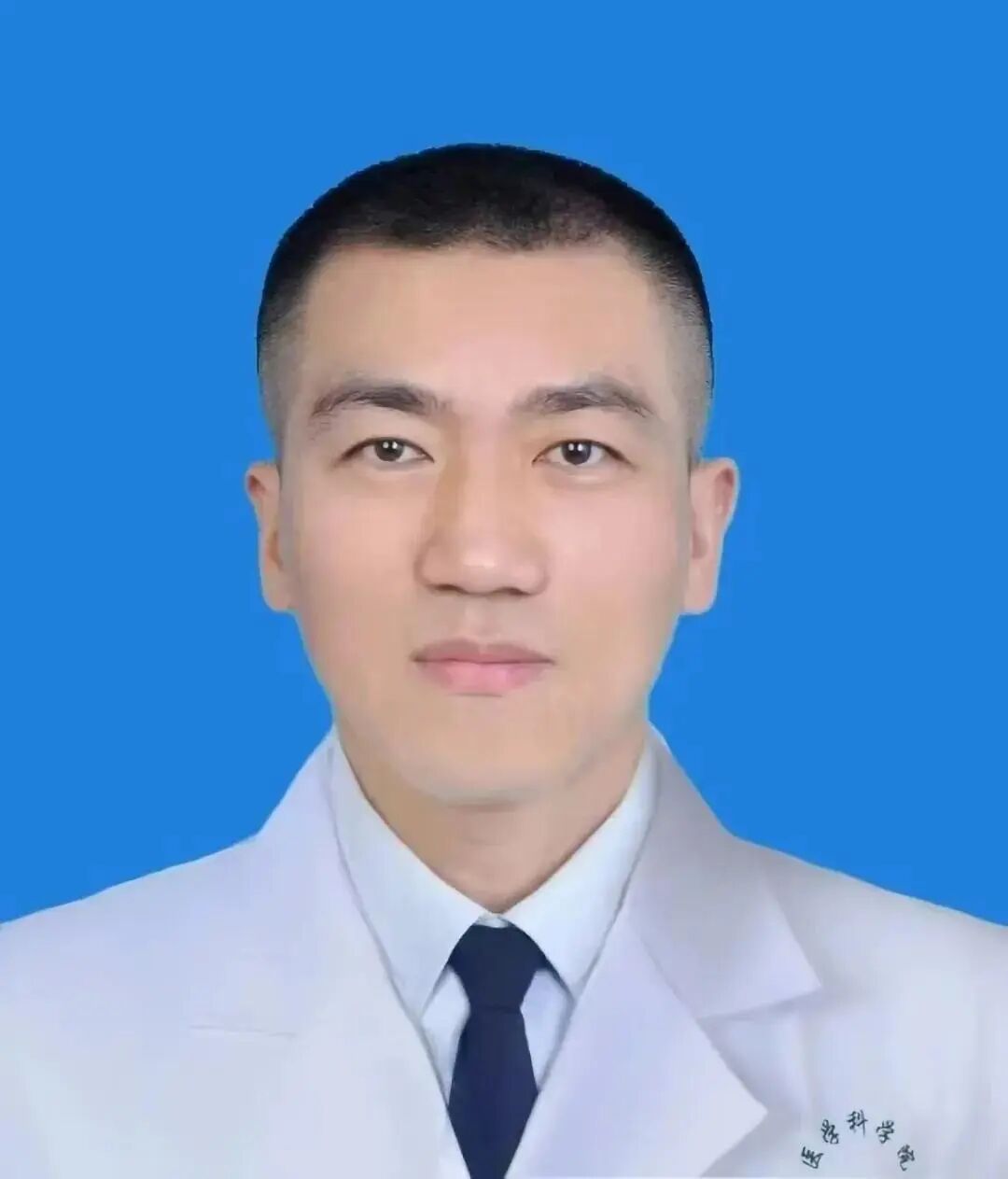
Ding Jianhua
Deputy Director and Associate Chief Physician, Department of Hematology-Oncology
Doctor of Philosophy in Hematology-Oncology
Serving as Deputy Director and Associate Chief Physician of the Department of Oncology/Hematology at the Lanzhou Heavy Ion Center of Gansu Wuwei Cancer Hospital, with a Doctor of Philosophy degree in Hematology-Oncology.
Expert in the precise diagnosis of malignant hematologic diseases through the application of MICM (Morphology, Immunology, Cytogenetics, and Molecular Biology) classification techniques. Utilizes comprehensive multidisciplinary team (MDT) approaches and cutting-edge medical knowledge, including chemotherapy, radiotherapy, targeted therapy, immunotherapy, and cell therapy, to provide individualized and adaptive internal medicine treatments for patients with hematologic diseases (such as leukemia, lymphoma, multiple myeloma, and various types of anemia) and common solid tumors (such as lung cancer, gastric cancer, colorectal cancer, and breast cancer). Additionally, possesses extensive clinical experience in managing complications related to hematologic and solid tumors. Has published over 10 scientific research papers.