How Does Interventional Therapy Achieve "Precision Strikes"?
How Does Interventional Therapy Achieve "Precision Strikes"? — Exploring the "Precision-Guided" Technology of Modern Medicine
How can doctors perform precise "localized treatment" on lesions hidden deep within the human body, which cannot be directly seen or casually incised? This is precisely where the charm of interventional medicine lies.
01 Can lesions be "seen" without making an incision?
Of course. Modern medical imaging technology acts like a doctor's "X-ray vision," clearly revealing the shape, location, and size of lesions inside the body in a non-invasive and painless manner. The level of detail it provides even surpasses what surgeons can see with the naked eye during operations. Guided by these imaging tools, interventional physicians can perform "beyond-visual-range reconnaissance" on internal lesions, much like using "radar."
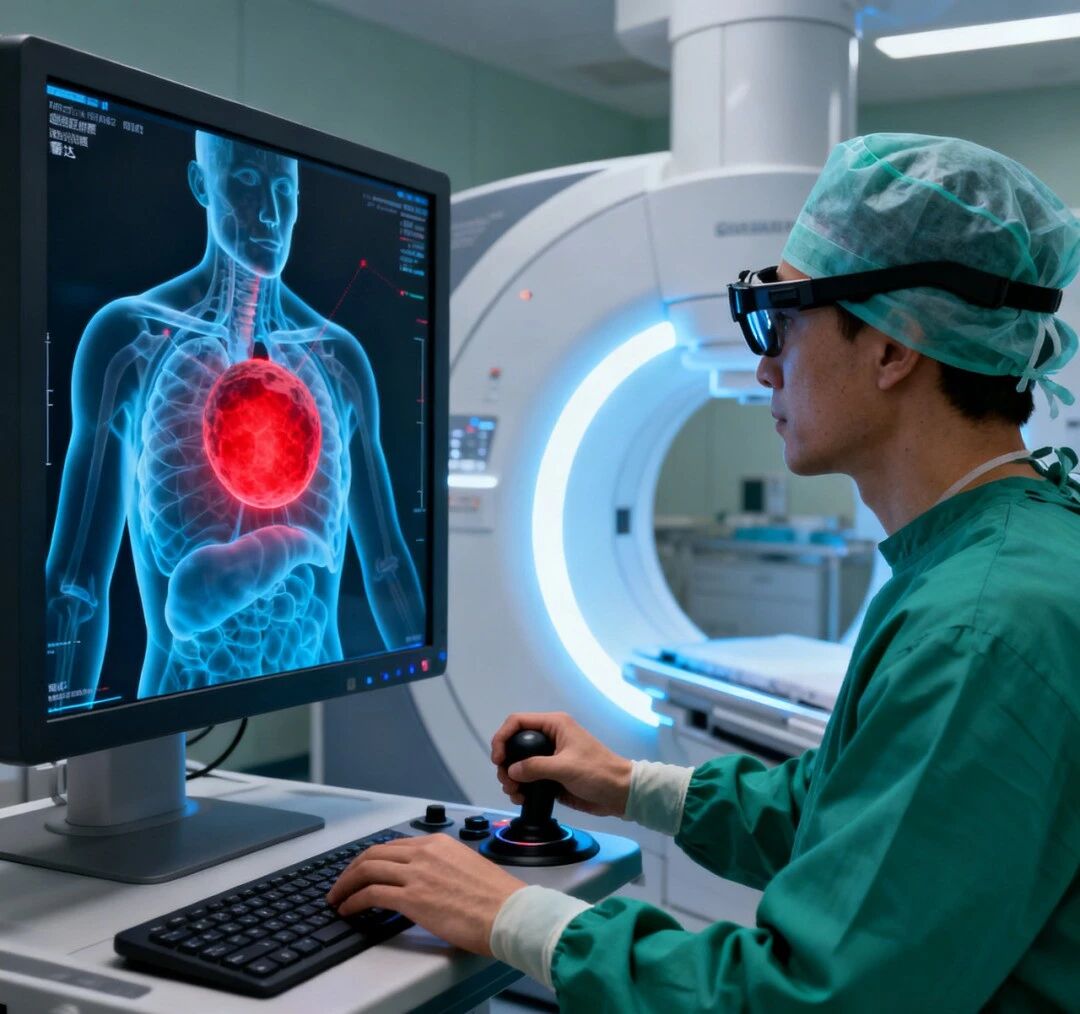
02 Does Seeing the Lesion Enable Precision Treatment?
Not yet. It's like having radar—you still need missiles and guidance systems to achieve precision strikes. The "missiles" of interventional physicians are the drugs or specialized instruments that can directly reach the lesion and deliver therapeutic effects.
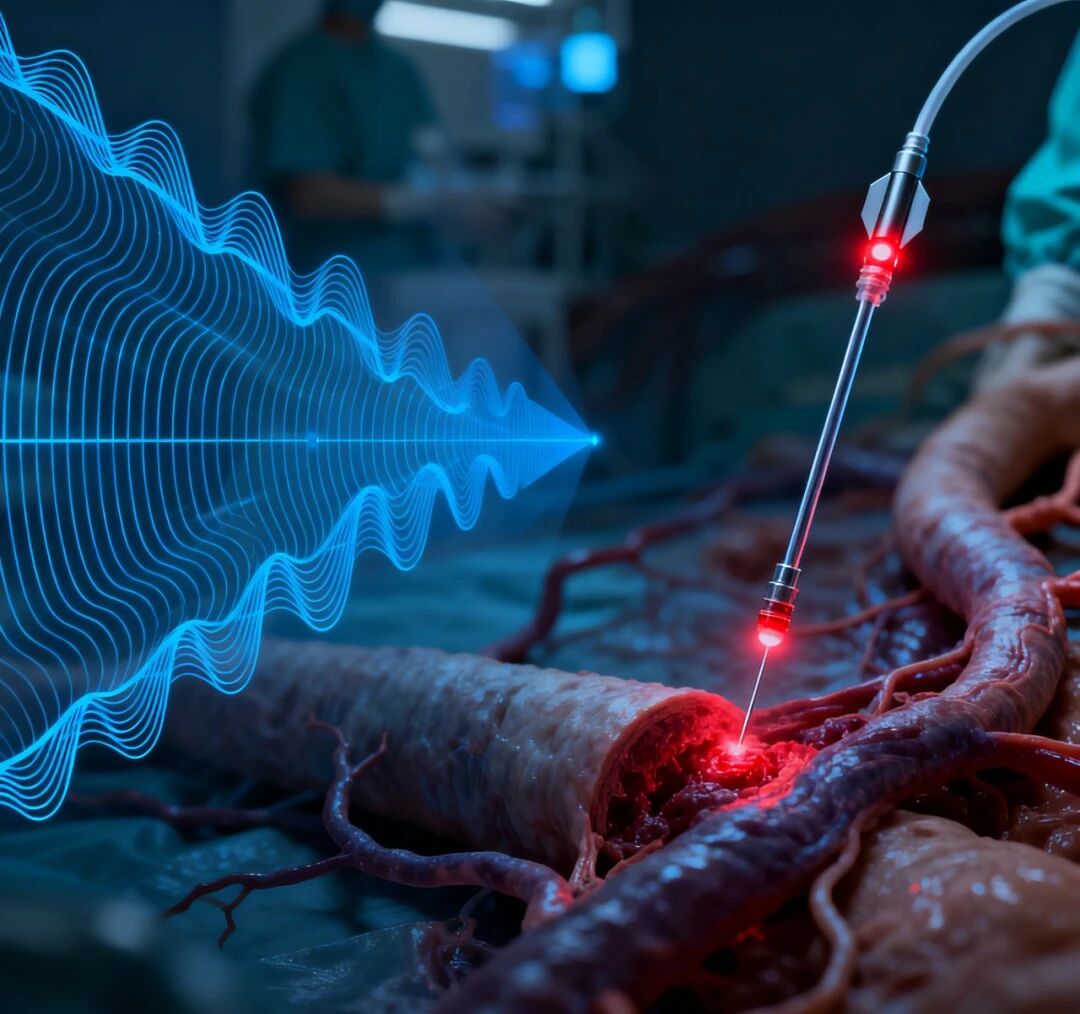
03 what is the "precision guidance" system?
The "super-selective catheterization technique" and various catheter systems mastered by interventional physicians serve as the "navigation system" for achieving precision treatment. Among these, the diverse and uniquely functional selective catheters form the "hardware," while the catheterization technique itself is the crucial "software." Through this system, doctors can accurately deliver drug "missiles" to the core of the lesion, enabling highly efficient "decapitation" therapy while maximally protecting surrounding healthy tissues and avoiding "collateral damage."
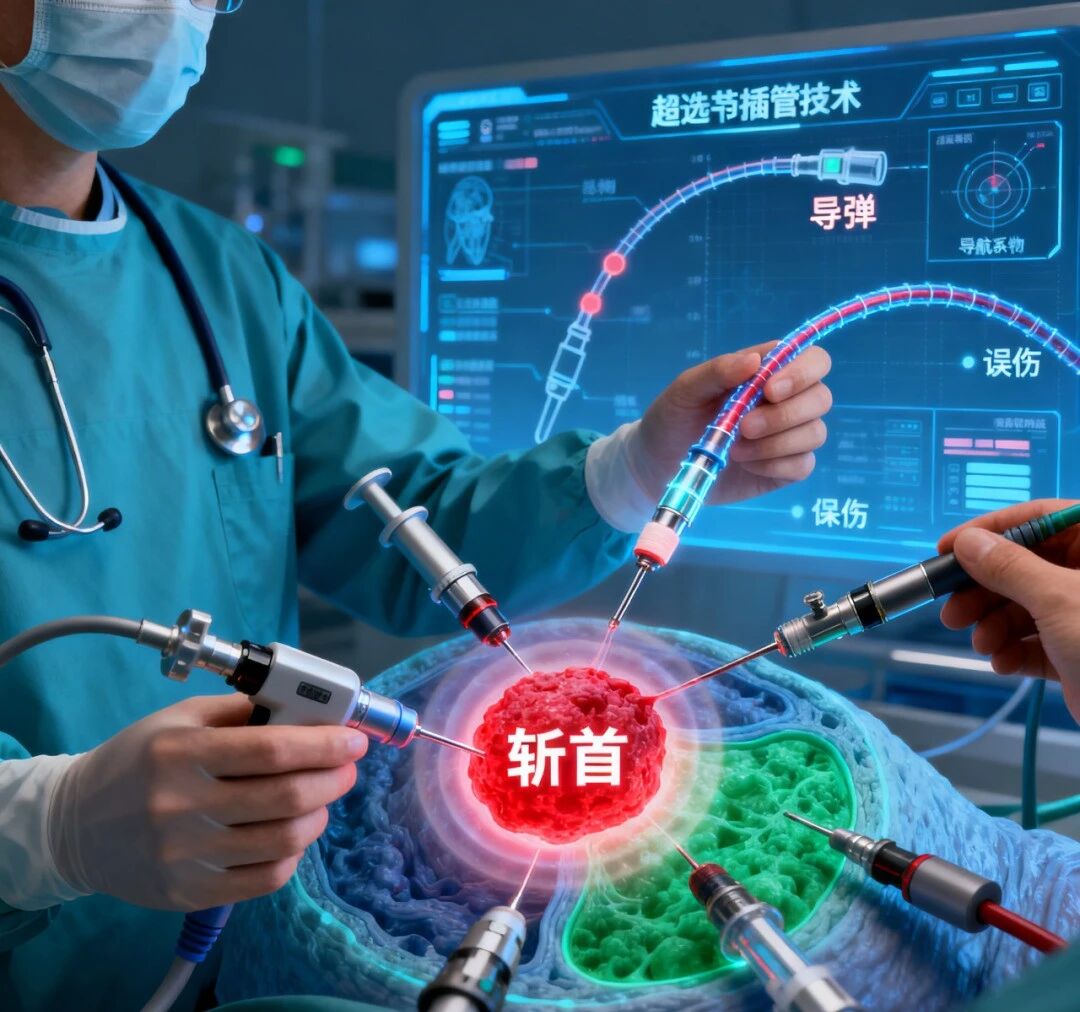
04 How is "precision guidance" achieved?
"Super-selective catheterization" is the core technique. Physicians must guide the catheter through multiple layers of vascular branches to get as close as possible to the lesion area. This ensures that the medication acts fully on the lesion while protecting the surrounding healthy tissues. Achieving this requires both selecting the appropriate catheter ("hardware" in place) and the physician's proficiency in techniques such as pushing, rotating, and pulling ("software" mastery) to complete the catheterization procedure quickly and accurately.
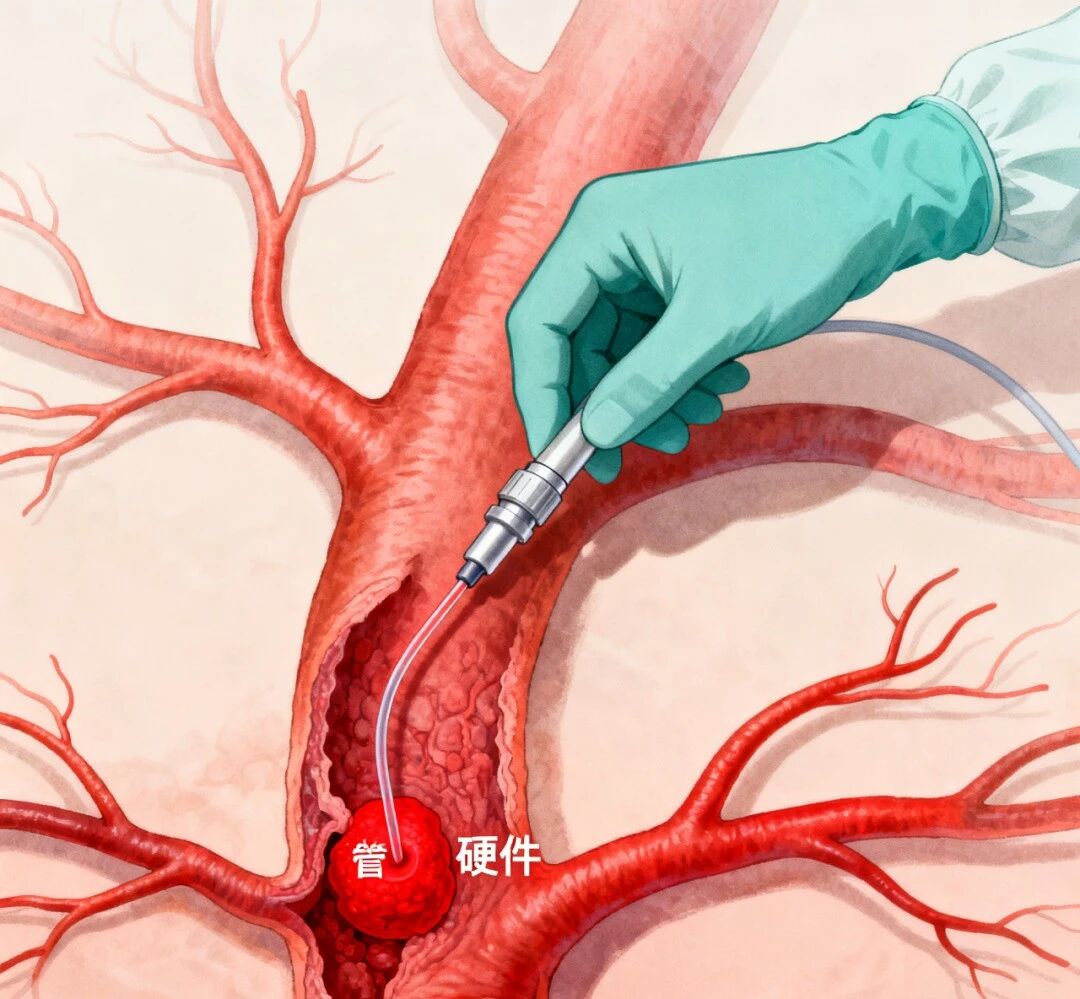
05 What if catheterization is difficult in complex situations?
Interventional therapy sometimes faces challenges, such as changes in vascular morphology or tortuous pathways caused by tumor growth, making catheterization exceptionally difficult. In such situations, experience and skill are equally crucial. Physicians enhance their technical proficiency through continuous practice and summarizing experiences. Additionally, they adeptly utilize advanced instruments and adopt methods like "layered relay" to overcome obstacles and reach the target.
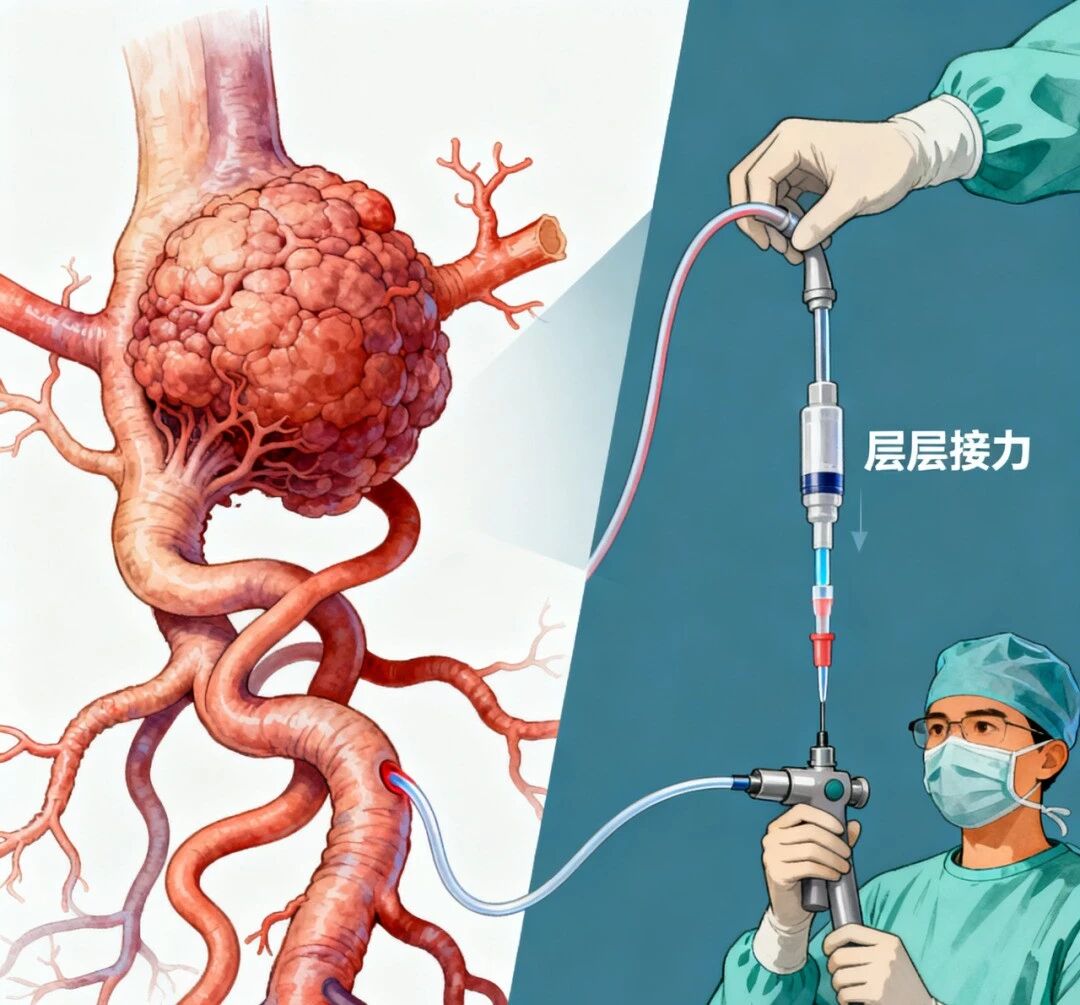
06 What is "layered relay to reach the lesion"?
This is an efficient and safe catheterization strategy:
First, a "catheter sheath" is inserted to correct vascular tortuosity and establish a stable pathway for subsequent procedures.
Then, under the guidance of a guidewire, the "selective catheter" is advanced to the target area.
When necessary, a finer "microcatheter" can be inserted through the selective catheter, allowing it to penetrate deeper into more delicate vascular branches with the assistance of a microwire.
No matter how deeply the lesion is hidden, interventional physicians have the means to deliver treatment with precision!
From "seeing" to "reaching," and from "diagnosis" to "treatment," interventional medicine offers patients a new therapeutic option with its advantages of precision and minimally invasive techniques. It represents not only technological advancement but also an embodiment of medical humanistic care—preserving bodily integrity and dignity while treating disease.