The "Mastermind" Behind Insomnia – Our Brain and Emotions
The "Mastermind" Behind Insomnia – Our Brain and Emotions
Late at night, everything is quiet. You lie in bed, your body utterly exhausted, yet your brain races like an out-of-control engine, unable to slow down. The events of the day, tomorrow's to-do list, and uncontrollable wandering thoughts… they scroll through your mind like bullet comments. "Why, when my body is so tired, can't I fall asleep, yet my mind stays so clear?" "The more I force myself to sleep, the more anxious and awake I become?" This is what we commonly call insomnia—far more complex than just "being unable to sleep." Behind it lies a powerful pair of "masterminds"—our imbalanced brain and runaway emotions.
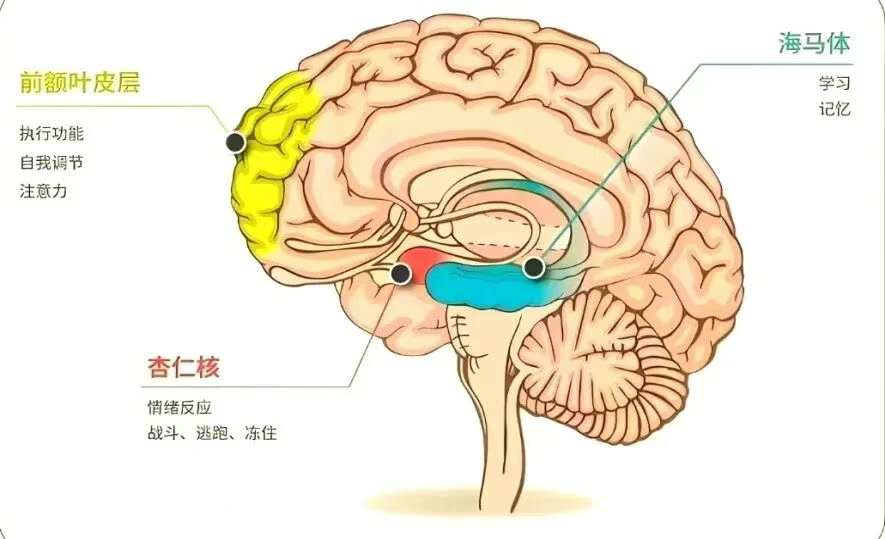
Mastermind One: The Hyper-Vigilant "Brain Sentinel"
Imagine there is a "sentinel" in our brain responsible for vigilance. For those who suffer from insomnia, this "sentinel" is excessively dutiful—even when you lie safely in bed, it refuses to stand down, remaining in a state of "hypervigilance."
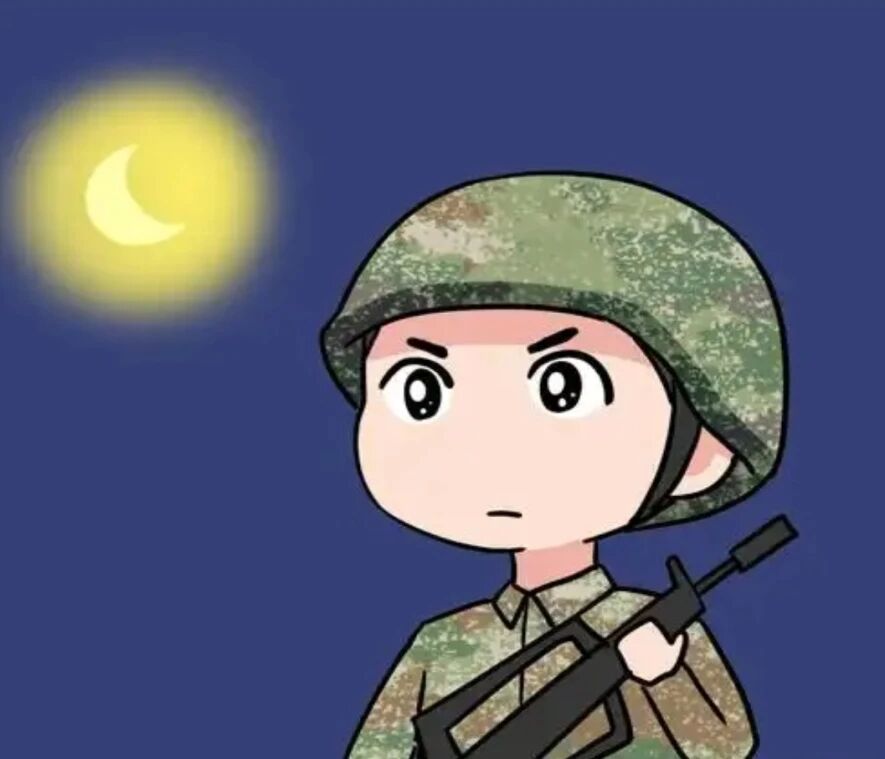
How does the brain sentinel stand guard?
1. The "Accelerator" of the Nervous System Gets Stuck: Our autonomic nervous system has two main branches—the sympathetic nervous system, which acts like an "accelerator" (responsible for arousal and alertness), and the parasympathetic nervous system, which acts like a "brake" (responsible for relaxation and sleep). Poor sleep habits and chronic stress cause the "accelerator" to be pressed down for too long, while the "brake" fails. The body continues to secrete stress hormones like cortisol, keeping you tense and unable to relax.
2. The "Commander" of the Sleep Rhythm Goes Awry: The pineal gland in the brain is the commander that secretes melatonin. However, when the "brain sentinel" is overly vigilant, it suppresses the normal secretion of melatonin, disrupting your biological clock. This is why you feel no sleepiness when you should and get drowsy when you shouldn’t—such as during meetings or while watching TV. In simple terms, your brain mistakenly believes you are still in "danger," forcibly robbing you of sleepiness on a physiological level.
Mastermind Two: The Unceasing "Vortex of Emotions"
If the brain's hypervigilance serves as the physiological foundation, then emotional dysregulation acts as the fuse that ignites insomnia, creating the "vortex of emotions" and "ruminative thinking."
How does the vortex of emotions trap you, making it impossible to break free?
1. Catastrophic Thinking: "Insomnia will ruin my health!" "Insomnia will make my skin dull and lifeless!"... This excessive fear and catastrophic imagination about the consequences of insomnia itself becomes a new source of stress. It instills a fear of the bed and sleep, creating a vicious cycle of "fearing insomnia → worrying about insomnia → indeed experiencing insomnia."
2. Rumination and Overthinking: The brain repeatedly replays negative events from the day or fixates on unsolvable problems, keeping your emotions in a constant state of low mood, anger, or anxiety, making it impossible to find calm.
3. Resonance Between Emotions and the Body: Anxiety leaves you restless and agitated, while depression drags your mood down. These emotional states are reflected back through physical discomfort, making it even harder to fall asleep.

Most alarmingly, these two "masterminds" work in close collaboration, forming a difficult-to-escape cage:
• Emotional Dysregulation → Brain Hypervigilance: Daytime stress and negative emotions keep the "brain sentinel" in a constant state of tension.
• Brain Hypervigilance → Insomnia Occurs: A tense nervous system prevents you from falling asleep at night.
• Insomnia Occurs → Emotions Worsen: Sleep deprivation directly impairs the function of the prefrontal cortex (the rational brain responsible for emotion regulation), making you more prone to anxiety, irritability, and low mood the next day.
• Worsened Emotions → Heightened Brain Alertness: The deteriorating emotions further reinforce the "brain sentinel's" hypervigilance...
This vicious cycle transforms insomnia from an "occasional nuisance" into a "chronic, stubborn ailment."
Breaking the Cycle: Where to Start
These two "masterminds" may be temporarily subdued by traditional sleep medications, which can "dull" the sentinel, but such solutions often only address the symptoms, not the root cause, and may even lead to dependency. The core of non-pharmacological therapies lies precisely in targeting the source:
Addressing the "Hyper-Vigilant Brain" (Mastermind One): We can use neuromodulation techniques like Transcranial Magnetic Stimulation (TMS). Like a precise tuner, it employs non-invasive magnetic pulses to directly regulate brain regions responsible for emotion and sleep (such as the prefrontal cortex). This helps "release the stuck accelerator," allowing overexcited neural networks to regain balance and physiologically break the state of hypervigilance.
Addressing the "Vortex of Emotions" (Mastermind Two): We can apply Mindfulness-Based Cognitive Therapy (MBCT). It acts like an inner coach, teaching you how to recognize and step away from catastrophic thoughts and ruminative spirals, avoiding entanglement with them. This helps calm emotions, reducing the stimulation of the "brain sentinel" at its source.
In short, insomnia is not your fault—it is a faulty pattern formed by your brain and emotions under long-term stress. Understanding this is the first step toward overcoming insomnia. When you stop being your own enemy and instead clearly see the true "opponents," you already hold the key to treating insomnia.
Later, we will explore in detail how to use the "cognitive-behavioral therapy + mindfulness-based stress reduction" approach as the key to the mind and "transcranial magnetic stimulation" as the key to the brain, combining these dual strategies to break the vicious cycle of insomnia.
Department Introduction
The Department of Digestive and Integrated Rehabilitation is a clinical unit within our hospital that integrates clinical practice, teaching, and scientific research. It comprises one integrated rehabilitation clinic, three renowned traditional Chinese medicine clinics, one digestive clinic, and one inpatient ward with 10 beds. The department currently has 13 medical staff members, including one senior professional, two intermediate professionals, and ten junior professionals. Among them, one holds a doctoral degree and five hold master's degrees. Additionally, three provincial-level renowned TCM practitioners provide long-term consultation services. The department maintains a long-term cooperative relationship with the Rehabilitation Department of Peking University Third Hospital. The medical team includes clinical physicians, TCM practitioners, rehabilitation therapists, psychological counselors, psychotherapists, health managers, and nutritionists. The staff have received training in specialized rehabilitation, TCM meridian hypnosis, mindfulness-based stress reduction therapy, cognitive behavioral therapy, psychological painting analysis, and more.
Scope of Diagnosis and Treatment
1. Diagnosis and Treatment of Common Digestive System Diseases
This includes the management of esophageal disorders, gastric and duodenal ulcers, gastrointestinal bleeding, endoscopic treatment of digestive tract polyps, fatty liver disease, drug-induced liver injury, acute and chronic cholecystitis, acute and chronic diarrhea, ulcerative colitis, functional gastrointestinal disorders, chronic constipation, palliative care for digestive tract tumors, and related conditions.
2. Integrated Rehabilitation Assessment
A systematic evaluation of patients across multiple dimensions, including physiological, psychological, social functioning, and quality of life. Assessments cover overall health status, physiological functions, symptoms and complications, psychological state, sleep monitoring, nutritional status, and more. Based on the evaluation results, individualized rehabilitation plans are formulated.
3. Integrated Rehabilitation Treatment
1) Common Diseases: Arthritis, joint stiffness, degenerative osteoarthropathy, muscle atrophy, lumbar disc herniation, cervical spondylosis, post-stroke hemiplegia, Parkinson’s disease, peripheral nerve injuries, decreased muscle strength, chronic pain and strain, shoulder-neck syndrome, fibromyalgia syndrome, osteoporosis, and exercise-based weight management.
2) Psychosomatic Disorders: Common psychosomatic conditions and anxiety, depression, insomnia, and other symptoms associated with tumors.
3) Tumor-Related Complications and Adverse Reactions to Non-Surgical Treatments: Nausea, vomiting, diarrhea, abdominal pain, fatigue, skin damage, bone marrow suppression, hair loss, lymphedema, and other related issues.
Specialized Diagnosis and Treatment
1. Integrated Traditional Chinese and Western Medicine Combined with Psychotherapy for Psychosomatic Diseases of the Digestive System
2. Traditional Chinese Medicine Treatment for Gastrointestinal Tumors
3. Integrated Traditional Chinese and Western Medicine Treatment for Gastrointestinal Side Effects of Tumor Radiotherapy and Chemotherapy, Particularly Radiation-Induced Proctitis
4. Traditional Chinese Medicine Combined with Psychotherapy for Tumor Radiotherapy/Chemotherapy and Cancer-Related Fatigue
5. Physical Therapy Combined with Cognitive Behavioral Therapy and Mindfulness-Based Stress Reduction for Anxiety, Depression, Insomnia, etc.
6. Prevention and Treatment of Lymphedema Following Tumor Radiotherapy
7. Traditional Chinese Medicine Treatment for Chemotherapy-Induced Hand-Foot Syndrome
8. Comprehensive Rehabilitation Treatment for Cancer Pain and Various Chronic Pain Conditions
Department Hardware Facilities
The department is equipped with advanced medical devices, including a fully automatic constant-temperature wax therapy machine, WIRA light therapy system, interferential current therapy device, deep muscle stimulator, shockwave therapy device, ultrasound therapy device, lymphatic therapy device, pneumatic compression therapy device, intermediate frequency therapy device, low-frequency therapy device, transcranial magnetic stimulation device, psychological CT scanner, mental stress analyzer, computerized mindfulness training system, psychological sandplay therapy tools, and polysomnography monitor, all of which meet the needs of integrated rehabilitation. The service philosophy of the department is to alleviate pain with medical precision and enhance quality with humanistic warmth. Emphasizing the characteristics of traditional Chinese medicine—simplicity, convenience, effectiveness, and affordability—the department tailors treatments to the specific conditions, conducts reasonable examinations and therapies, strives to reduce medical costs, and provides higher quality and more comprehensive services to patients and society.
Outpatient Address: Room 418, 4th Floor, Inpatient Department, Lanzhou Heavy Ion Center, Gansu Wuwei Cancer Hospital
Inpatient Department Address: 10th Floor, Inpatient Department, Lanzhou Heavy Ion Center, Gansu Wuwei Cancer Hospital
Telephone: 0931-2169539 (Medical Office) | 0931-2169581 (Nursing Office)
Expert Introduction
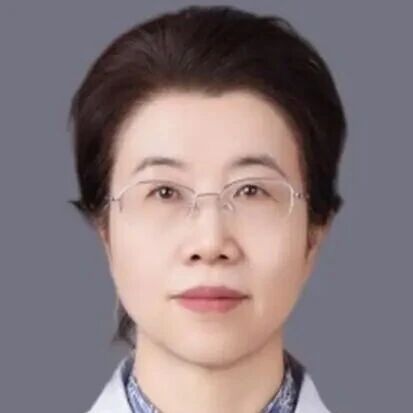
Wan Shunmei, the academic leader of the department, is a chief physician and holds a doctoral degree from the Army Medical University. With over 30 years of clinical experience, she has served as a member of the Tumor Specialty Committee of the Gansu Provincial Medical Association and as a member of the Tumor Endoscopy Committee of the Chinese Anti-Cancer Association. She specializes in the diagnosis and treatment of common digestive system diseases, gastrointestinal tumors, fatty liver disease, inflammatory bowel disease, and functional gastrointestinal disorders. She has extensive experience in managing psychosomatic disorders of the digestive system and offers unique insights into complex and challenging digestive conditions. Dr. Wan completed a one-year advanced training program at the Xijing Hospital of Digestive Diseases, Air Force Medical University. She has also participated in specialized training in solution-focused brief therapy, cognitive behavioral therapy, mindfulness-based stress reduction therapy, TCM meridian hypnosis, and painting psychological analysis. Additionally, she holds certifications as a National Second-Level Psychological Counselor, Painting Psychological Analyst, and Health Manager. She has led research projects that have won two Third Prizes for Military Science and Technology Progress. As the first author, she has published three SCI-indexed papers and over 50 papers in Chinese academic journals. She has also co-edited two professional books as a deputy editor.