Cold Wave is Coming! Winter Warmth Guide for Dialysis Patients – These Details Are Vital for Safety
Cold Wave is Coming! Winter Warmth Guide for Dialysis Patients – These Details Are Vital for Safety
Cold Wave is Coming!
Winter Warmth Guide for Dialysis Patients
These Details Are Vital for Safety
Winter is quietly approaching. As temperatures continue to drop, our medical staff at the dialysis center are paying extra attention to the health condition of every dialysis patient.
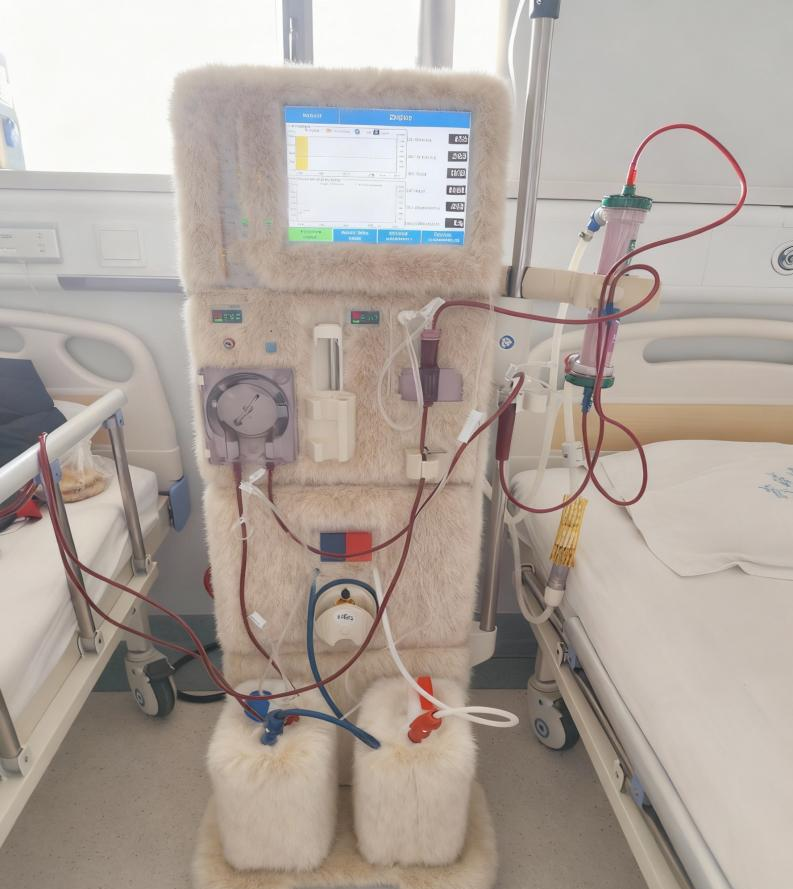
Low temperatures can cause vascular spasms in the arteriovenous fistula, increasing the risk of thrombosis, and may even lead to dialysis access failure!
01 Why Are Dialysis Patients More Sensitive to Cold?
Many family members don't understand: "Isn't it enough to dress warmly in cold weather? Is it really that serious?"
In fact, patients with chronic renal failure are naturally more sensitive to cold than ordinary people due to impaired metabolic function, and poor blood circulation. Coupled with long-term dependence on the "lifeline"—the arteriovenous fistula—the consequences of exposure to cold cannot be underestimated:
✅ Vasoconstriction: Affects blood flow in the fistula, making cannulation difficult.
· ✅ Slowed Blood Flow: Increases the risk of thrombosis, potentially leading to access occlusion.
· ✅ Increased Burden on Heart and Brain: Cold stimulation can easily induce arrhythmias and blood pressure fluctuations.
According to clinical statistics, the winter season is a peak period for dialysis access complications, with nearly 30% related to improper warmth retention.
02 Winter "Access" Guide, Remember These Points
As frontline nursing staff at the dialysis center, I offer these practical warmth tips. Please share them with dialysis patients in your family:
Keep Hands and Feet Covered During Treatment:
A dialysis session lasts 4 hours. Although the dialysis room is air-conditioned, and we provide a thin blanket, avoid direct airflow from the air conditioner.
Avoid Contact with Cold Water for the Limb with the Fistula:
Be cautious when washing face, doing laundry, or pouring hot water! Try to use warm water in winter; avoid washing hands with ice-cold water or handling frozen goods. The ideal bath water temperature is around 38°C.
Wear Gloves and Loose Outerwear When Going Out:
Wear soft cotton gloves when going outside to protect the hand with the fistula from cold. Avoid overly tight clothing to prevent pressure on the fistula blood vessels.
Check Your "Lifeline" Daily:
Make it a habit to feel for the thrill and listen for the bruit of your fistula every day. If you notice weakened thrill, cool skin, pain, or any other abnormalities, seek medical attention immediately!
Maintain a Suitable Indoor Temperature:
Keep the indoor temperature between 20–24°C. Ventilate regularly but avoid drafts directly blowing on you. Maintain a safe distance when using heaters or electric heaters to prevent burns.
We Feel at Ease Only When You Are Warm. We Are Always by Your Side
In this gradually colder season, the nursing station at the dialysis center will continue to strengthen education and rounds, safeguarding the "lifeline" for every patient. We also urge families to show more care: a reminder, a sweater, or a scarf—all are gestures of loving protection.
Preliminary Review: Ma Shuqian
Re-review: Zhang Lihong