Don't Let Coronary Heart Disease "Steal" Your Heart's Vitality
Don't Let Coronary Heart Disease "Steal" Your Heart's Vitality
1. What is coronary heart disease?
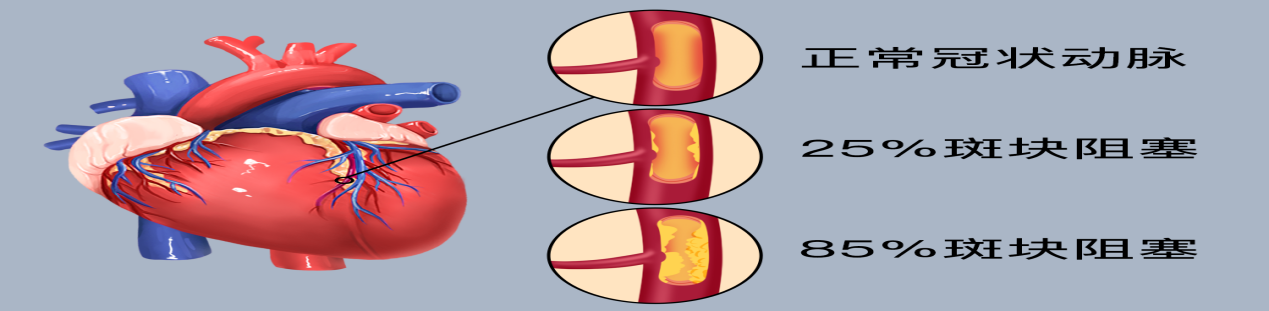
Coronary heart disease (CHD) is a condition caused by atherosclerosis of the coronary arteries, which leads to narrowing or blockage of the blood vessels, resulting in myocardial ischemia, hypoxia, or even necrosis.
Common types include:
- Angina pectoris (chest pain episodes)
- Myocardial infarction (complete blockage of blood vessels)
- Heart failure or arrhythmias (resulting from long-term ischemia)
2. Who is more likely to suffer from coronary heart disease?
Age (men >45 years, women >55 years)
Family history of coronary heart disease
Gender (men at higher risk)
Hypertension, hyperlipidemia (especially elevated LDL-C), diabetes
Smoking (including secondhand smoke)
Obesity (especially abdominal obesity)
Lack of exercise, high-salt and high-fat diet
Chronic high levels of stress

3. what are the manifestations of coronary heart disease?
1. Chest Discomfort
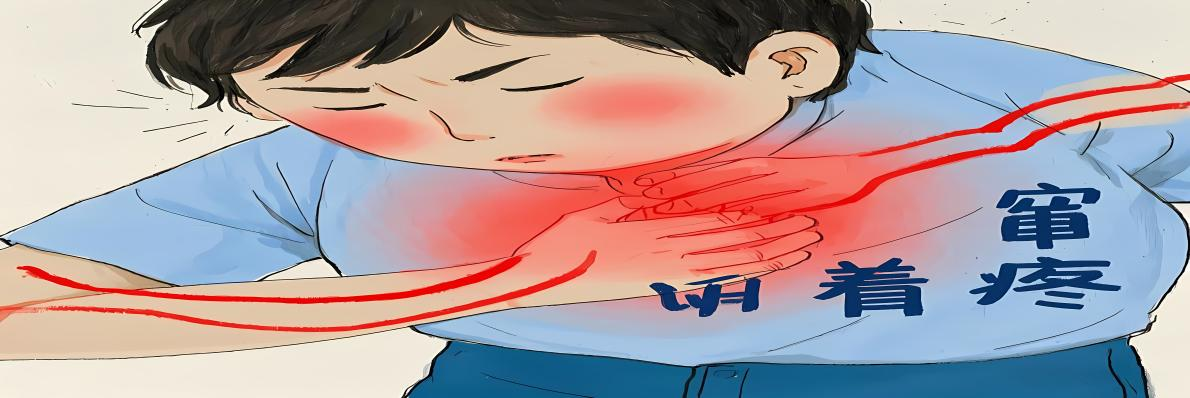
- Feeling as if a heavy stone is pressing on the chest, or a sensation of tightness, often accompanied by dullness, pressure, or a burning feeling.
- The pain frequently radiates to the left shoulder, arm (especially the left side), jaw, or back.
2. Worsens with activity, relieved by rest
- Often triggered by climbing stairs, lifting heavy objects, or emotional stress, and gradually subsides after resting for a few minutes.
3. Sudden severe symptoms—beware of myocardial infarction!
- Persistent severe chest pain, like a "knife cut" or "tearing" sensation, lasting more than 15 minutes without relief.
- Accompanied by cold sweats, nausea, vomiting, shortness of breath, or even dizziness—call emergency services immediately!
4. Signs that are easily overlooked
- In the elderly or people with diabetes, symptoms may only include:
- Shortness of breath (feeling "oxygen-deprived" and struggling to breathe)
- Sudden fatigue (difficulty with usual activities)
- Upper abdominal bloating or pain (easily mistaken for stomach issues)
- Angina pectoris: Like the heart "suddenly losing power," blood supply is briefly interrupted and then restored (like a light flickering and then brightening again).
- Myocardial infarction: Like the heart "completely losing power," with blood vessels fully blocked (like a light bulb burning out, requiring urgent repair).
4. How to prevent coronary heart disease?
1. Dietary Adjustments
- Low salt (<5g/day), low fat (reduce animal fats and fried foods), low sugar.
- Increase dietary fiber (whole grains, vegetables, fruits).
- Moderate intake of nuts and deep-sea fish.

2. Regular Exercise
- Engage in at least 150 minutes of moderate-intensity aerobic exercise per week (such as brisk walking or swimming), avoiding strenuous activities.
- Monitor heart rate before and after exercise, and avoid sudden physical activity upon waking up in the morning.
3. Control Risk Factors
- Blood pressure: Target <140/90 mmHg (lower for patients with diabetes).
- Blood lipids: LDL-C target levels should be managed based on risk stratification (e.g., <1.8 mmol/L for high-risk individuals).
- Blood sugar: Aim for HbA1c <7% in patients with diabetes.
4. Quit Smoking and Limit Alcohol
- Quit smoking completely and avoid exposure to secondhand smoke.
- Alcohol intake should not exceed 25g/day for men (approximately 750ml of beer) and half that amount for women.
5. Psychological Adjustment
- Avoid emotional agitation and manage stress through methods such as meditation or social activities.
- Timely intervention is needed for depression or anxiety.

5. Drug Treatment
Common Medications:
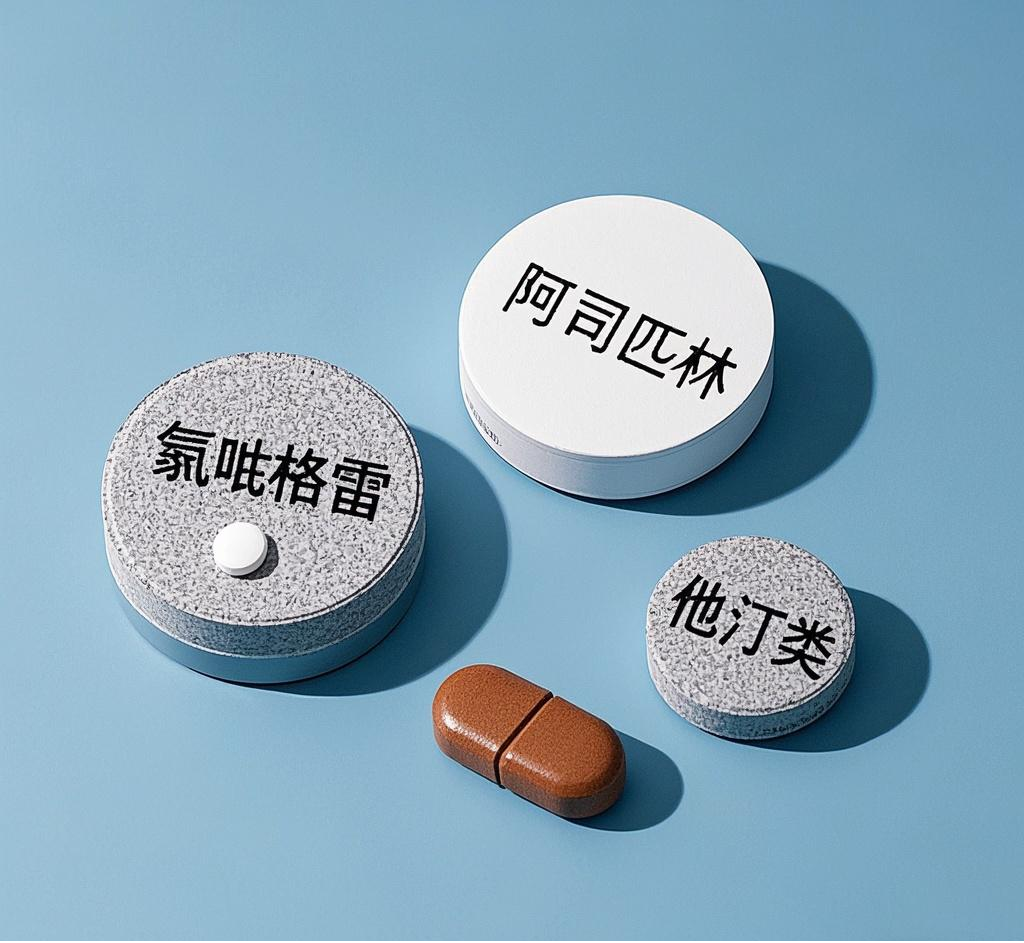
Antiplatelet drugs (Aspirin, Clopidogrel)
Statins (lower cholesterol, stabilize plaques)
Beta-blockers (control heart rate)
ACE inhibitors/ARBs (protect heart function)
Nitroglycerin (for emergency use)
Important principles:
- Take medication as prescribed by the doctor for a long time, and do not stop taking it on your own!
- Regularly recheck blood lipids, blood sugar, liver and kidney functions, etc.
6. Handling of Emergency Situations
During an angina attack:
1. Immediately stop all activity and sit or lie down.
2. Take one nitroglycerin tablet sublingually (if symptoms persist after 5 minutes, a second dose may be taken).
3. If symptoms do not improve within 15 minutes, suspect a myocardial infarction (heart attack) and call emergency services immediately!
For suspected myocardial infarction:
- Keep the patient calm and avoid moving them.
- Chew and swallow 300mg of aspirin (unless allergic or there is a recent history of bleeding).
Department Introduction

Director Yang Wangsheng
The key minimally invasive surgeries performed by the Cardiology and Interventional Department include:
(I) Heart and Major Vessels:
1. Catheter closure for congenital heart diseases (atrial septal defect, ventricular septal defect, patent ductus arteriosus); percutaneous coronary intervention (PCI) for coronary heart disease; pacemaker implantation for bradyarrhythmias; radiofrequency ablation for tachyarrhythmias.
2. Endovascular stent grafting for aortic dissection/aneurysm; endovascular stent grafting for abdominal aortic aneurysm; stent placement for aortic ulcers and intramural aortic hematoma.
(II) Peripheral Vascular Minimally Invasive Surgeries:
Balloon angioplasty and stent implantation for lower extremity arteriosclerosis obliterans; balloon angioplasty and stent implantation for renal artery stenosis; stent implantation for subclavian artery stenosis; thrombolysis and thrombus aspiration for lower extremity deep vein thrombosis; inferior vena cava filter implantation and retrieval; radiofrequency ablation and foam sclerotherapy for lower extremity varicose veins; thrombectomy and thrombolysis for acute arterial embolism; thrombus aspiration and catheter-directed thrombolysis for acute pulmonary embolism; embolization for visceral artery aneurysms.
(III) Tumor Minimally Invasive and Other Minimally Invasive Surgeries:
Interventional embolization for massive hemoptysis, gastrointestinal bleeding, and gynecological hemorrhage; interventional therapy for various benign and solid tumors (liver cancer, hepatic hemangioma, uterine fibroids, cervical cancer, soft tissue tumors, etc.); arterial infusion chemotherapy for advanced tumors; interventional diagnosis and treatment of arterial and venous hemangiomas; implantation and retrieval of infusion ports for tumor patients.
Address: 1st Floor, Building 1, Heavy Ion Campus, Gansu Wuwei Cancer Hospital