
Health Science Popularization丨Eliminating the Harm of Leprosy, Building a Healthy Future Together
Health Science Popularization丨Eliminating the Harm of Leprosy, Building a Healthy Future Together
— Science Outreach for the 73rd "World Leprosy Day" and the 39th "China Leprosy Festival"
January 25, 2026, marks the 73rd World Leprosy Day and the 39th China Leprosy Festival. This year’s theme, “Eliminating the Harm of Leprosy, Building a Healthy China,” emphasizes multi-sector collaboration, public mobilization, and nationwide participation to advance the sustainable control of leprosy, enhance public health literacy, and strengthen collective efforts toward a healthier China.
What Is Leprosy?
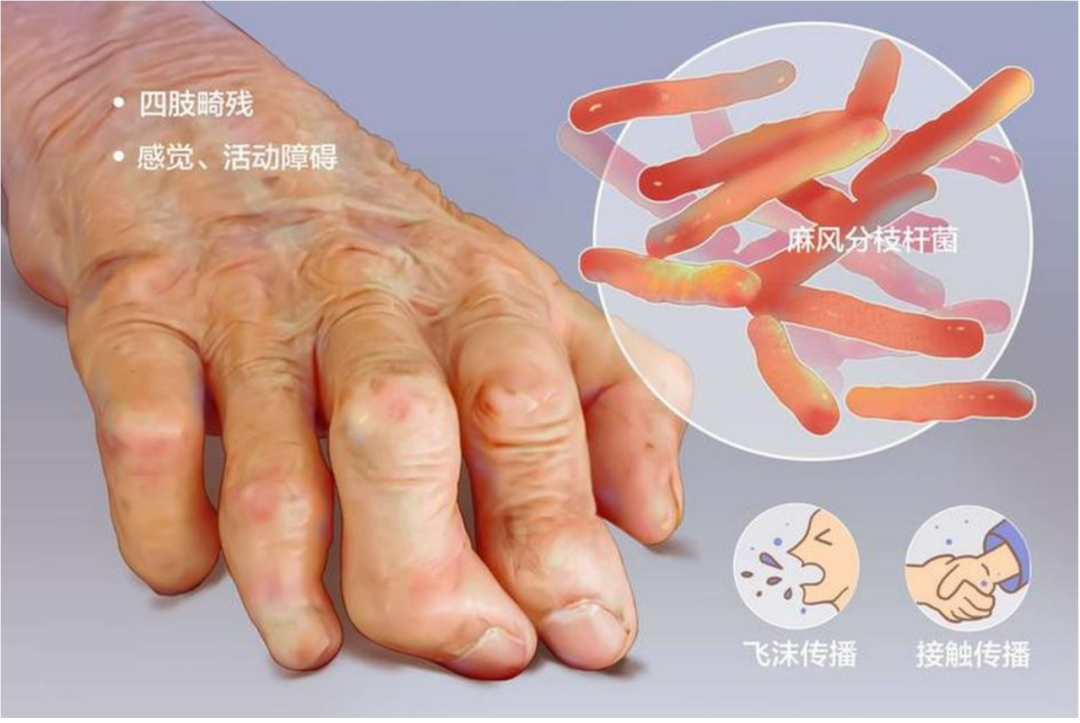
Leprosy, also known as Hansen’s disease, is a chronic infectious illness caused by Mycobacterium leprae. It primarily affects the skin, peripheral nerves, upper respiratory mucosa, and eyes. The disease is not hereditary and is curable . Since the founding of the People’s Republic of China, proactive prevention and treatment measures have effectively controlled leprosy, significantly reducing its incidence.
How Is Leprosy Transmitted?
- Source of infection: Untreated leprosy patients.
- Transmission routes: Primarily through prolonged close contact or respiratory droplets (e.g., coughing, sneezing). Indirect contact (e.g., contaminated clothing, utensils) is less common.
- Key fact: The bacterium has low infectivity. Approximately 95% of the population has natural immunity and is unlikely to develop the disease even upon exposure.
What Are the Symptoms of Leprosy?
Early detection is critical. Common signs include :
- Skin manifestations: Persistent, non-itchy rashes or patches (pale or reddish).
- Neurological symptoms: Thickened or painful nerves, loss of sensation, or localized sweating abnormalities.
- Facial and limb features: Thinning eyebrows, facial swelling, nodules on earlobes, clawed hands, foot drop, incomplete eye closure, or facial paralysis.
- Chronic damage: Painless ulcers or burns on hands/feet.
Seek medical evaluation if symptoms persist for over three months.
Can Leprosy Be Cured?
Yes. China provides free treatment for all patients, following the WHO-recommended multidrug therapy (MDT) regimen (e.g., rifampicin, dapsone, clofazimine). Most cases are cured within 6 months to 1.5 years.
How to Prevent Leprosy?
- Hygiene awareness: Handwashing, avoiding close contact with untreated patients.
- Early detection and treatment: Prompt medical consultation for suspected symptoms to block transmission and prevent disability.
- Immunity boosting: Balanced diet, exercise, and adequate rest.
- Social support and anti-stigma: Foster inclusivity for patients and survivors through scientific understanding.