
Liver Cirrhosis May Show No Symptoms — Here’s a Quick Self-Assessment Method
Liver Cirrhosis May Show No Symptoms — Here’s a Quick Self-Assessment Method
If you have chronic liver conditions such as hepatitis B, hepatitis C, or fatty liver disease and are concerned about the possibility of cirrhosis—yet hesitant to undergo further hospital examinations—and wish to assess at home whether liver fibrosis or cirrhosis may already be present, I will share with you a particularly simple self-assessment method. Its accuracy can exceed 80%. Listen closely: this method is called the FIB-4 index test.

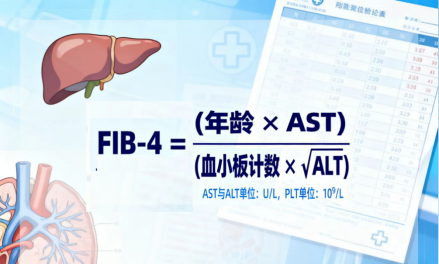
You only need to have a recent liver function test and a complete blood count. From these two lab reports, you need to identify three values. Which three? One is Aspartate Aminotransferase (AST), another is Alanine Aminotransferase (ALT)—both of these values are found in the liver function test report and are usually listed close to each other. The third is Platelet Count (PLT), which is included in the complete blood count. Then, plug these numbers into the following formula: FIB-4 = (Age × AST) / (Platelet Count × √ALT) You can calculate this using a smartphone calculator app, but make sure to switch to the scientific calculator mode (usually located in the top-right corner) to handle calculations involving square roots. In this formula, the units for AST and ALT are U/L, and the unit for PLT is 10⁹/L.
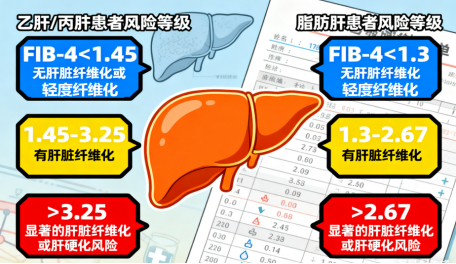
If you have hepatitis B or hepatitis C, a FIB-4 score <1.45 suggests no or mild liver fibrosis; a score between 1.45 and 3.25 indicates possible liver fibrosis; and a score >3.25 suggests a significant risk of liver fibrosis or cirrhosis. If you have fatty liver disease, a FIB-4 score <1.3 suggests no or mild liver fibrosis; a score between 1.3 and 2.67 indicates possible liver fibrosis; and a score >2.67 suggests a significant risk of liver fibrosis or cirrhosis.
When applying this formula, it is important to note that you should not have recently taken medications that affect transaminase or platelet levels. This primarily refers to liver-protecting drugs that lower enzyme levels and medications that stimulate bone marrow proliferation—antiviral drugs are not included. Do not stop taking antiviral medications for the sake of this test. For individuals over 65 years old, the cutoff value for FIB-4 may need to be adjusted. For example, the threshold for low risk may be raised to FIB-4 < 2.

Chief Physician Zhang Wenhua
Director Zhang Wenhua holds the following positions:
- Honorary President and Chief Expert of Gansu Wuwei Cancer Hospital
- Director and Chief Physician of the Hepatobiliary Center of Gansu Wuwei Medical College
- Executive Director and Chief Expert of the "Healthy China · Grassroots Liver Disease Diagnosis and Treatment Capacity Enhancement Project"
- National Expert for Hepatobiliary Disease Consultations
- Member of the Expert Committee of the People’s Daily "People’s Good Doctor" Client
- Expert member of the editorial group for the *Chinese Expert Consensus on Functional Cure of Chronic Hepatitis B*
- Committee Member of the Liver Disease Professional Committee of the China Medicine Education Association
- Member of the Hepatocellular Carcinoma Group of the First Liver Disease Professional Committee of the Chinese Research Hospital Association
- Member of the Particle Therapy Branch of the Tumor Minimally Invasive Treatment Professional Committee of the Chinese Anti-Cancer Association
- Vice Chairman of the Tumor Interstitial Implantation Treatment Professional Committee of the Gansu Anti-Cancer Association
- Standing Committee Member of the Cell Therapy Professional Committee of the Shaanxi Research Hospital Association
- Recognized as an "Outstanding Individual" in national clinical cure projects for chronic hepatitis B and liver cancer prevention and treatment research
- National Outstanding Public Science Popularization Physician
- Member of the National Collaboration Group for Difficult and Severe Liver Disease Research
- Invited Expert of the Expert Committee of the Health Appropriate Technology Branch of the National Health Industry Enterprise Management Association
- Appointed as a "Liver and Gallbladder Good Doctor" expert on the national public service platform "Liver and Gallbladder Care"
- Recognized as a "National Hepatobiliary Disease Liver Protection Master" and Executive Director of the Beijing Asia-Pacific Liver Disease Diagnosis and Treatment Technology Alliance
- Expert member of the Gansu Hepatobiliary Disease Expert Committee for the large-scale public welfare activity "Building a Healthy Heart Together"
- Appointed Expert of the Gansu Integrated Traditional Chinese and Western Medicine Liver Disease Diagnosis and Treatment Center
- Expert member of the Gansu Organ Transplantation Quality Control Center
- Vice President of the Wuwei Medical Association
He has participated in multiple real-world research projects on chronic liver diseases, ranking among the top ten out of four to five hundred participating hospitals nationwide. Several research achievements led by him have been presented at prestigious international liver disease academic conferences, including AASLD (American Association for the Study of Liver Diseases), APASL (Asian Pacific Association for the Study of the Liver), and EASL (European Association for the Study of the Liver).
Wuwei Medical Science Institute Hepatobiliary Center
Lead Experts List

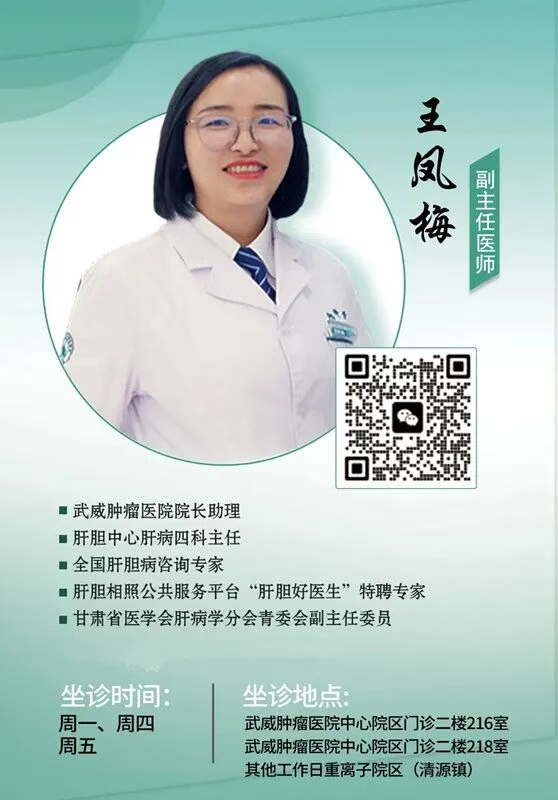

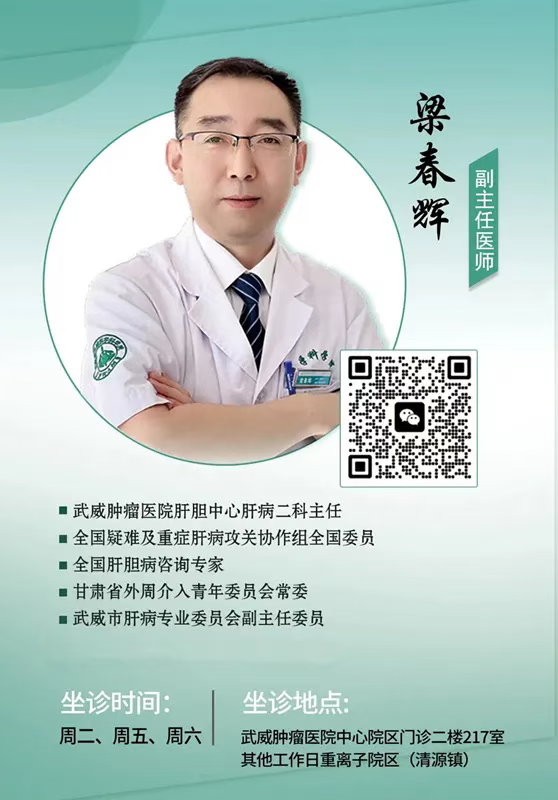
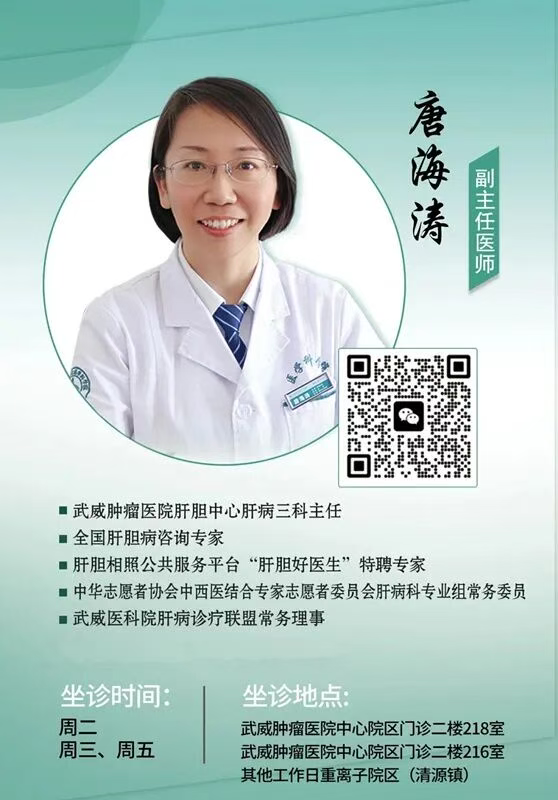
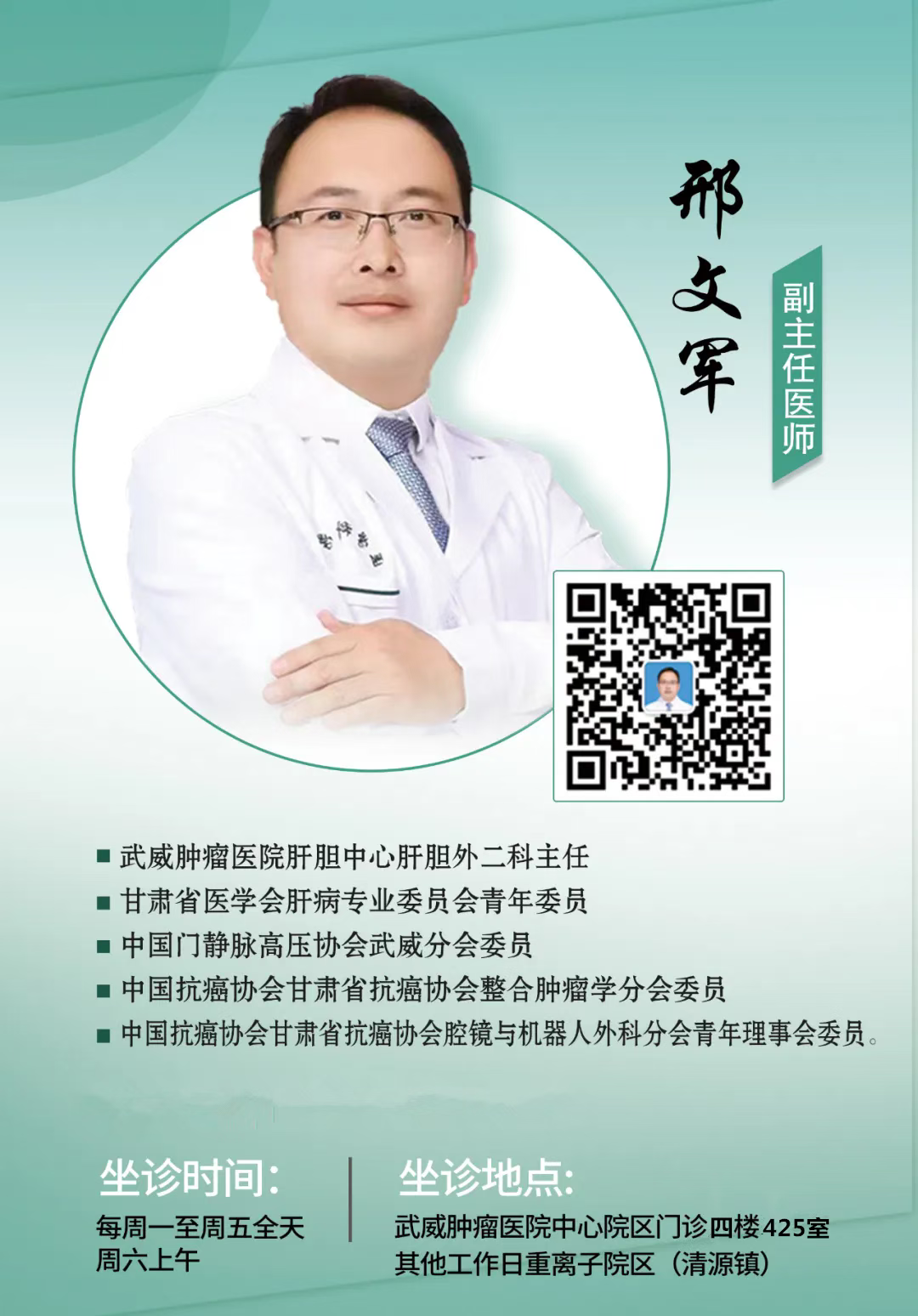
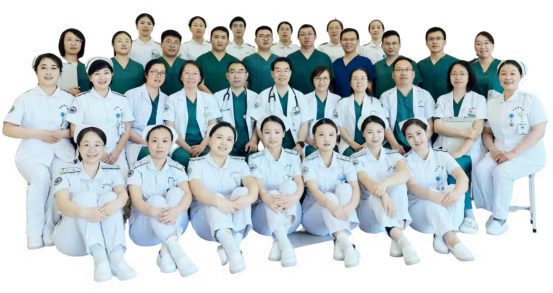
The Wuwei Medical Science Institute Hepatobiliary Center is currently a National Hepatobiliary Disease Prevention and Treatment Technology Demonstration Base. It comprises the First Department of Liver Diseases, Second Department of Liver Diseases, Third Department of Liver Diseases, Fourth Department of Liver Diseases, and the Second Department of Hepatobiliary Surgery. It comprehensively carries out clinical and scientific work in the field of hepatobiliary diseases, including liver protection, antiviral therapy, artificial liver support, surgical procedures, interventional therapy, minimally invasive therapy, iodine seed implantation, targeted and immune therapy, cellular immunotherapy, and stem cell transplantation. It is currently one of the few single-disease centers in China capable of perfectly achieving comprehensive diagnosis, treatment, and full-course management for hepatobiliary diseases. The center undertakes multiple real-world research projects and several national public benefit projects, has established an international and domestic expert consultation platform for difficult and severe liver diseases, and has also established Gansu Province's first co-management center for diabetic liver disease, benefiting more patients with hepatobiliary diseases, especially those with difficult and severe liver conditions, as well as patients with liver-related metabolic diseases such as diabetes and fatty liver disease.
Central Hospital :
Chief Physician Zhang Wenhua's outpatient clinics are located at: Room 218, 2nd Floor (Monday and Wednesday mornings, excluding holidays), Hepatology Department Outpatient Rooms 216 and 217 on the 2nd Floor, and Room 425, 4th Floor of the Second Hepatobiliary Surgery Department Outpatient Clinic.
Heavy Ion Hospital Area:
Chief Physician Zhang Wenhua's outpatient services are available at: Expert Clinic Room W229 on the second floor (Tuesday mornings, excluding holidays), Hepatology Department Outpatient Rooms W210 and W211 on the second floor, and Hepatobiliary Surgery Department 2 Outpatient Room E126A on the first floor. The office area for other doctors is on the second floor of the Hepatobiliary Center in Building 2 of the Inpatient Department.
Warm reminder: (For specific consultation schedules, please refer to the scheduling chart!)
Scan or long press the QR code below to contact us

Wuwei Medical Science Institute Hepatobiliary Center Patient Service Platform