Urinating When Nervous: The Emotional Storm in Your Gut
Urinating When Nervous: The Emotional Storm in Your Gut
Doctor, I've had gastroscopies and colonoscopies done several times. The examination reports show "no significant abnormalities," but my stomach just doesn't feel right—I often have diarrhea, especially before every meeting presentation… It always happens then.
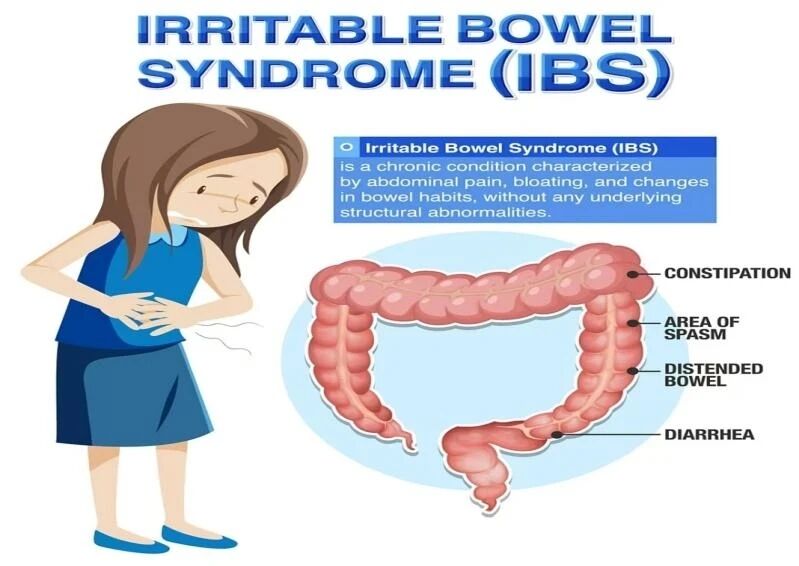
There was a tone of helplessness and anxiety in the woman's voice. She is a 36-year-old project manager—diligent at work and extremely demanding of herself. Over the past six months, she has been troubled by recurrent abdominal pain, diarrhea, and bloating, which have at times severely affected her sleep and work. She was previously diagnosed with "irritable bowel syndrome," but medication has been ineffective, and the symptoms keep recurring.
Why is the treatment ineffective, and why do the symptoms keep recurring?
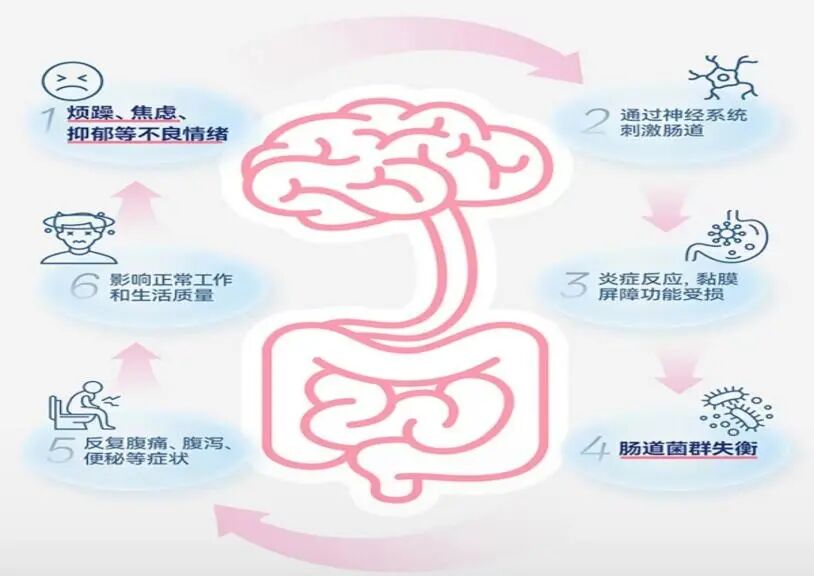
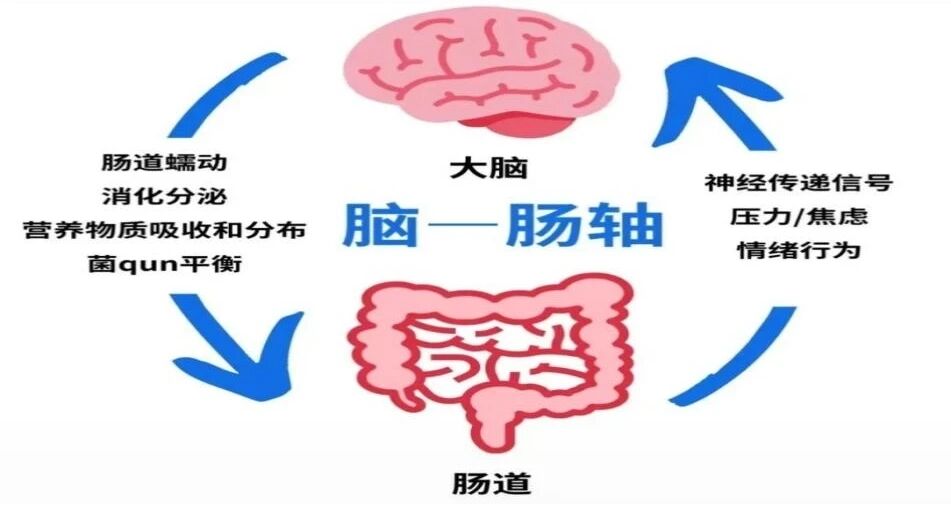
This is related to the overactivity of the emotional center in our brain—the stress "alarm" (amygdala). There is a "hotline" between it and the gut, known as the "gut-brain axis," which facilitates two-way communication between the brain and the gut. Once stress strikes, the "alarm" directly stimulates the gut through this "hotline," creating a vicious cycle of intestinal spasms—abdominal pain and diarrhea—frustration and anxiety. When a digestive symptom recurs persistently, is clearly influenced by emotional stress, and in turn affects a person's mood and life, it escalates into a "psychosomatic illness."
I. What are psychosomatic diseases of the digestive system?
This refers to a category of gastrointestinal disorders whose occurrence, progression, outcome, and prognosis are closely linked to psychosocial factors. Simply put, it means that psychological "storms" trigger "weather changes" in the digestive tract.

Data from general hospitals indicate that the incidence of psychosomatic gastrointestinal disorders accounts for 30% to 60% of all digestive system diseases. Common types include:
- Irritable Bowel Syndrome (IBS): The most typical representative, characterized by abdominal pain, bloating, and changes in bowel habits.
- Functional Dyspepsia: Symptoms include postprandial fullness, early satiety, upper abdominal pain, or a burning sensation, without organic issues such as ulcers.
- Chronic Gastritis/Peptic Ulcers: Although Helicobacter pylori is the primary cause, mental stress significantly exacerbates the condition and affects healing.
- Inflammatory Bowel Disease (IBD): Conditions like Crohn's disease and ulcerative colitis often show disease activity correlated with emotional stress.
II. How Do Emotions "Attack" Our Gut? (The Gut-Brain Axis Mechanism)
1. Neural Pathway: When we experience stress, anxiety, or depression, the brain sends "alarm signals" to the gut via the autonomic nervous system (particularly the sympathetic nervous system). This can lead to abnormal intestinal motility (too fast causes diarrhea, too slow causes constipation), heightened sensitivity (intense pain from normal gas or movement), and disruptions in secretory functions.
2. Hormonal Pathway: The release of stress hormones, such as cortisol, alters the intestinal environment, affecting digestion and absorption, and can even damage the intestinal mucosal barrier.
3. Microbial Pathway: Chronic stress can disrupt the balance of beneficial gut bacteria. In turn, this imbalanced gut microbiota can influence our emotions and behavior through the gut-brain axis, creating a vicious cycle.
III. How to Break the "Emotions-Gut" Vicious Cycle?
If your digestive discomfort recurs frequently and no clear issues are detected in examinations—especially if symptoms worsen during emotional fluctuations or increased stress—the possibility of a psychosomatic condition should be considered. Breaking this cycle requires a "mind-body combined approach":
1. Clear Diagnosis and Ruling Out Organic Diseases: This is the first and most critical step. Be sure to complete all necessary examinations to avoid delaying treatment for other conditions.
2. Lifestyle Interventions:
- Regular Diet: Eat three meals at fixed times and in moderate portions, avoiding overeating and highly irritating foods.
- Moderate Exercise: Activities like walking or jogging can effectively relieve stress and promote intestinal motility.
3. Psychological and Emotional Management (The Core Step):
- Identify Stressors: Like Ms. Li, pinpoint the specific events or emotions that trigger symptom flare-ups.
- Learn Relaxation Techniques: Practices such as diaphragmatic breathing, mindfulness meditation, and progressive muscle relaxation can quickly calm the body's stress response.
- Adjust Cognitive Patterns: Avoid perfectionism, learn to "loosen up," and lower unrealistic high expectations.
- Seek Professional Help: If self-regulation is difficult, psychological counseling (such as cognitive-behavioral therapy) is highly effective.
4. Medication Treatment:
- Under a doctor's guidance, medications that regulate visceral sensitivity or neurotransmitters, as well as drugs for anxiety or depression, may be prescribed to help break the vicious cycle at a physiological level.
Returning to Ms. Li's Situation:
After a detailed inquiry into her life and work circumstances, the doctor concluded that the root cause of her diarrhea was not only in her gut but also in the long-term stress and anxiety she was enduring. Following the doctor's advice, she began cognitive-behavioral therapy, learning how to manage work-related stress while practicing daily mindfulness for stress reduction. She also adjusted her diet and took medication to regulate her intestinal nervous function. Three months later, her symptoms significantly improved. She reflected, "It turns out that the key to healing my stomach was calming my emotions."
Summary
Psychosomatic diseases of the digestive system are real illnesses, not "wishful thinking" or "pretending to be sick". They tell us that health requires a holistic perspective. When your stomach and intestines repeatedly "throw tantrums", you might as well calm down and think: is your brain and inner self also under some invisible pressure?
Caring for your emotions is caring for your stomach and intestines.
Department of Gastroenterology — Oncology Rehabilitation Department

The Department of Gastroenterology–Oncology Rehabilitation is a specialized department of our center. It integrates medical care, teaching, and research, and consists of two outpatient clinics—one for gastroenterology and one for oncology rehabilitation—along with one inpatient ward. The department currently has 13 medical staff members, including 1 senior-level professional title, 2 intermediate-level titles, and 10 junior-level titles. Among them, there is 1 Ph.D. holder and 5 master’s degree holders. Additionally, 4 renowned provincial-level Traditional Chinese Medicine (TCM) practitioners provide long-term consultations. The team comprises clinical physicians, TCM practitioners, rehabilitation therapists, psychological counselors, psychotherapists, health managers, and nutritionists. Staff have participated in specialized training in areas such as targeted rehabilitation, TCM meridian hypnosis, mindfulness-based stress reduction therapy, cognitive-behavioral therapy, and psychological drawing analysis. The department is dedicated to the diagnosis and treatment of digestive system diseases, as well as integrated TCM and Western medicine rehabilitation, physical rehabilitation, exercise rehabilitation, psychological rehabilitation, and nutritional rehabilitation. Adopting a multidisciplinary team (MDT) approach, it develops tailored diagnosis, treatment, and rehabilitation plans for patients.
I. Scope of Diagnosis and Treatment
1. Digestive System:
Esophageal diseases, gastrointestinal disorders, hepatobiliary and pancreatic diseases, psychosomatic digestive conditions, as well as palliative care and Traditional Chinese Medicine (TCM) treatments for digestive tract tumors.
2. Integrated Rehabilitation:
Conditions such as lumbar disc herniation, cervical spondylosis, degenerative osteoarthropathy, muscle atrophy, and peripheral nerve injuries; as well as tumor-related complications and adverse reactions associated with non-surgical cancer treatments, including nausea, vomiting, diarrhea, abdominal pain, fatigue, skin lesions, bone marrow suppression, hair loss, and lymphedema.
II. Diagnosis and Treatment Technologies
1. Conventional Diagnosis and Treatment:
Painless gastrointestinal endoscopy technology; endoscopic treatments including minimally invasive procedures such as polypectomy, hemostasis, stricture dilation, stent placement, endoscopic mucosal resection (EMR), and endoscopic submucosal dissection (ESD).
2. Specialized Diagnosis and Treatment:
Technologies such as peroral endoscopic myotomy (POEM), endoscopic ultrasound (EUS), ultrasound-guided radioactive seed implantation, endoscopic retrograde cholangiopancreatography (ERCP), combined dual endoscopic full-thickness resection of the digestive tract wall, and endoscopic variceal ligation and sclerotherapy for esophageal and gastric varices. Integrated Traditional Chinese and Western medicine treatment for gastrointestinal side effects of tumor radiotherapy and chemotherapy, especially radiation proctitis. Combination of physical therapy with cognitive behavioral therapy and mindfulness-based stress reduction therapy for anxiety, depression, insomnia, and other conditions. Integrated Traditional Chinese medicine and psychotherapy for cancer-related fatigue induced by radiotherapy, chemotherapy, and tumors. Prevention and treatment of post-radiotherapy lymphedema in cancer patients. Traditional Chinese medicine treatment for chemotherapy-induced hand-foot syndrome. Comprehensive rehabilitation therapy for cancer-related pain and various chronic pain conditions.
III. Department Equipment and Facilities
1. Advanced Endoscopic Equipment:
Olympus high-definition electronic gastroscopes, electronic duodenoscopes, electronic colonoscopes, endoscopic ultrasound systems, magnifying endoscopes, and enteroscopes.
2. Advanced Rehabilitation Equipment:
Includes fully automatic constant-temperature paraffin wax therapy machines, WIRA light therapy devices, interferential electrical therapy units, deep muscle stimulators, shockwave therapy devices, ultrasonic therapy units, lymphatic therapy devices, pneumatic compression therapy units, intermediate-frequency therapy devices, low-frequency therapy devices, transcranial magnetic stimulation devices, psychological CT scanners, mental stress analyzers, computerized mindfulness training systems, psychological sandplay equipment, and polysomnography monitors.
The service philosophy of the department is: Alleviating suffering with medical precision, and enhancing quality with humanistic warmth.
Outpatient Address: Consultation Room 418, 4th Floor, Inpatient Department, Lanzhou Heavy Ion Center, Gansu Wuwei Cancer Hospital
Inpatient Department Address: 10th Floor, Inpatient Department, Lanzhou Heavy Ion Center, Gansu Wuwei Cancer Hospital