
Lymphedema: Comprehensive Care, Hopeful Relief
Lymphedema: Comprehensive Care, Hopeful Relief
Do you feel like your arm is becoming heavier and the swelling just won’t go away? This isn’t ordinary swelling or fatigue—it could be a condition that affects many people: lymphedema. Today, let’s uncover its true nature.
Lymphedema
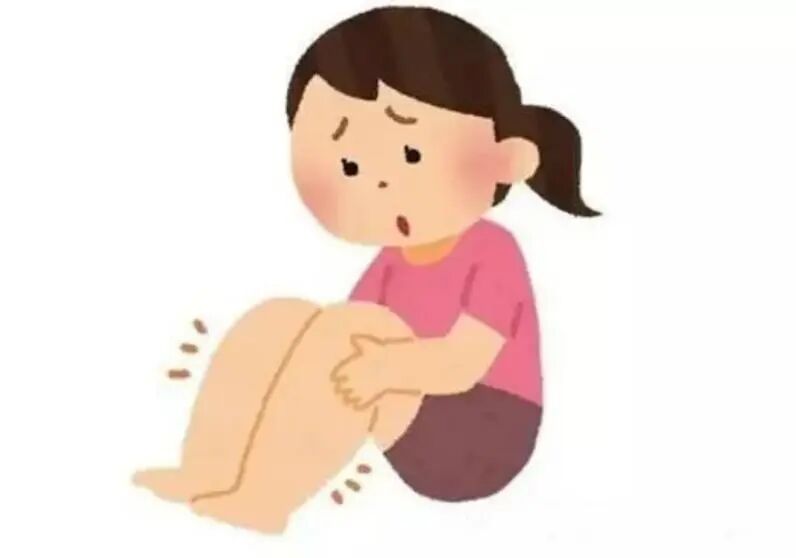
Lymphedema is a condition characterized by impaired lymphatic fluid return due to structural or functional abnormalities in the lymphatic system. In the early stages, it primarily presents as edema, while advanced stages are marked by proliferative changes such as tissue fibrosis, fat deposition, and inflammation. It is one of the diseases that severely impacts human health and quality of life. Early intervention and appropriate treatment can help control its progression.
Lymphatic System
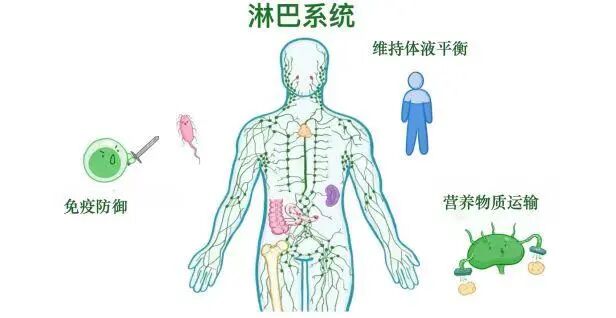
The lymphatic system is a network of vessels and lymph nodes throughout the body that transports lymph fluid from body tissues back into the bloodstream. Its functions include maintaining the volume and protein concentration of extracellular fluid in the body, as well as assisting the immune system in destroying pathogens and removing waste from tissues.
Classification of Lymphedema
Primary: Caused by congenital maldevelopment of the lymphatic system, such as insufficient number of lymphatic vessels, structural defects, etc.
Secondary: Most common. Caused by damage to the lymphatic system due to acquired factors, such as infection, injury, surgery, malignant tumors, radiotherapy, etc.
Staging and Assessment of Lymphedema
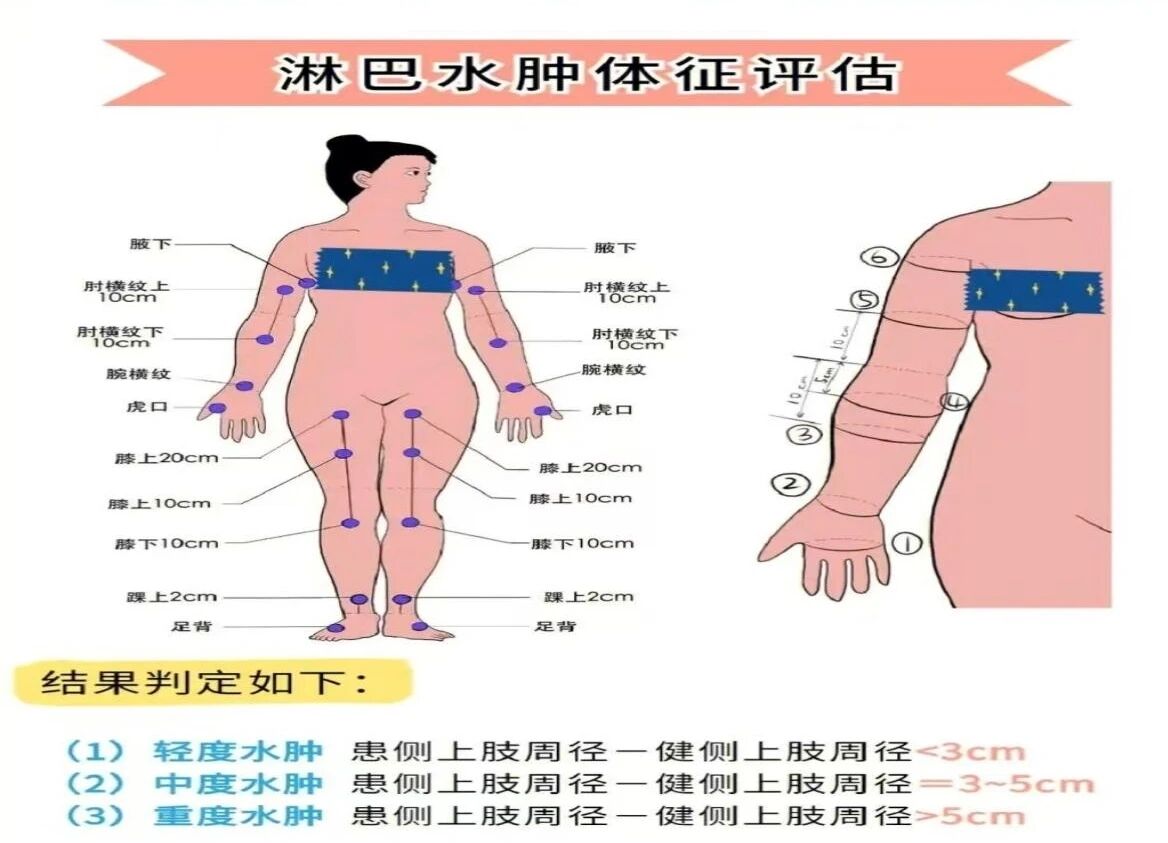
Stage 0: Subclinical or latent disease state; lymphatic transport capacity is impaired, but no obvious swelling or pain is present.
Stage I: High-protein edema fluid accumulates in the tissues during the early stage. The edema is pitting and may subside when the limb is elevated.
Stage II: Edema does not subside when the limb is elevated. The tissue becomes firm and non-pitting, indicating irreversible edema.
Stage III: Also known as elephantiasis, characterized by significant skin folds and skin lesions such as acanthosis, skin thickening and hyperkeratosis, and verrucous hyperplasia.
Treatment and Rehabilitation of Lymphedema
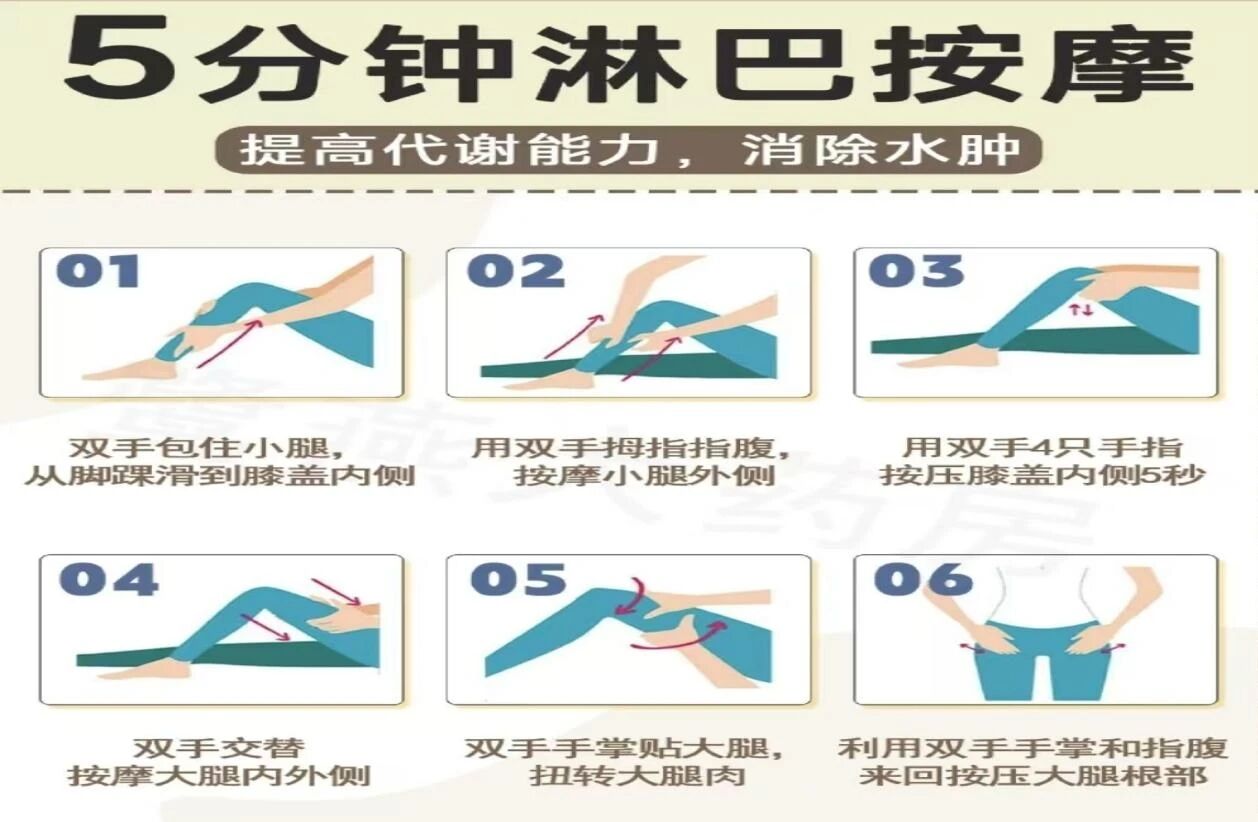
1. Complete Decongestive Therapy (CDT):
This is the cornerstone of lymphedema rehabilitation and consists of four components: skin care, manual lymphatic drainage, compression therapy, and functional exercise.
Manual Lymphatic Drainage (MLD):
Performed using specific techniques that follow the pathway of lymphatic vessels, it helps redirect lymphatic fluid around blocked areas and into normal lymphatic circulation.
Compression Therapy:
Involves the use of elastic bandages or compression sleeves/socks. By applying external pressure, it compresses the lymphatic vessels and mimics the natural pressure variations within the lymphatic system, thereby promoting lymphatic fluid return and reducing swelling.
Rehabilitation Exercise:
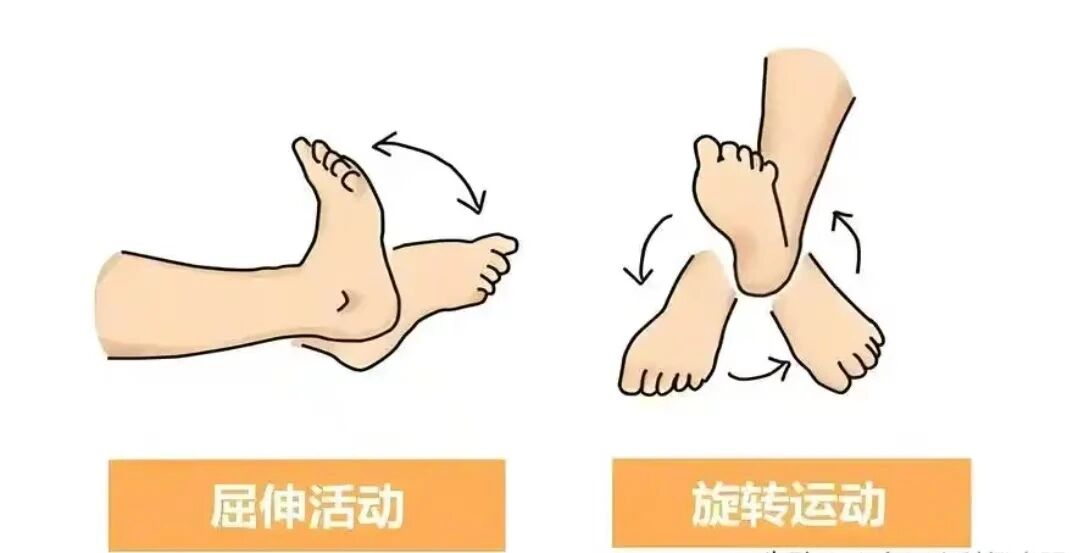
Appropriate physical activity can enhance lymphatic flow. Gentle functional exercises, such as making fists, stretching the arms, or lifting the legs, can be performed under the guidance of a healthcare professional. Exercise should be gradual and avoid overexertion.
Skin Care:
Keep the skin clean and dry to prevent damage and infection. Use gentle moisturizers to keep the skin hydrated, avoid dryness and cracking, and trim nails regularly.
2. Traditional Chinese Medicine (TCM) Treatments
Oral Herbal Formulas:
Based on the patient’s condition, a comprehensive diagnosis through the four diagnostic methods (inspection, listening/smelling, inquiry, and palpation) is conducted to determine a syndrome differentiation and formulate an individualized treatment plan.
Acupuncture:
Stimulating specific acupuncture points can promote the circulation of qi, blood, and body fluids in the local area, improving blood stasis and edema. Commonly used points include Jianyu (LI15), Quchi (LI11), Waiguan (SJ5), Hegu (LI4), Yinlingquan (SP9), Zusanli (ST36), and Sanyinjiao (SP6).
Moxibustion:
Applied externally, moxibustion warms and promotes the flow of qi and blood, penetrating through the meridians. Its mechanism is similar to Western "baking and bandaging therapy," utilizing far-infrared or microwave radiant heat on the affected area to improve local lymphatic circulation, promote the absorption of proteins and tissue fluid, and enhance macrophage phagocytosis.
Meridian-Based Massage:
Through TCM syndrome differentiation and meridian-based treatment, massage along the relevant meridians is applied according to the patient's diagnostic pattern to improve local blood and lymphatic circulation, facilitate lymphatic return and absorption, and simultaneously stimulate distant and local acupoints to promote qi movement, unblock meridians, harmonize qi and blood, and activate blood circulation to resolve stasis.
TCM Herbal Compress Therapy (Yunfa):
Herbal formulas are prepared as powders, ointments, or medicated cakes, heated, and applied to the skin. The combined effects of heat and herbal properties help activate blood circulation, promote qi movement, dispel cold, relieve pain, unblock yang, and promote fluid metabolism.
3. Other Adjunctive Therapies
Intermittent Pneumatic Compression (IPC) Therapy:
This therapy utilizes multi-chamber pneumatic sleeves to apply sequential, wave-like compression from the distal to the proximal part of the limb, followed by decompression, creating a "milking" effect. Its primary treatment objectives are to promote fluid return, soften tissues, and assist in reducing edema.
Low-Frequency Electrical Stimulation:
The core principle involves using electrical currents to stimulate regular muscle contractions, thereby simulating the action of the "muscle pump." This promotes the return of lymphatic fluid and venous blood.
4. Daily Precautions
Effective management of daily life details is the cornerstone of controlling lymphedema, with the core principles being "reducing burden and preventing infection."
Skin Care (Top Priority): Keep the skin clean, moisturized, and intact. Use pH-neutral moisturizers; avoid injuries to the affected limb, such as insect bites, cuts, or burns; wear gloves when doing housework or gardening.
Strictly Avoid Iatrogenic Injuries: Absolutely prohibit intravenous punctures, infusions, injections, and blood pressure measurements on the affected limb. Actively inform all healthcare providers about the condition before any medical procedure.
Avoid Compression and High Temperatures: Wear loose-fitting clothing and jewelry; avoid carrying heavy objects or using a shoulder bag on the affected limb; avoid saunas, hot baths, and prolonged direct sunlight on the affected limb.
Air Travel and Long-Distance Trips: Always wear properly fitted compression garments, move the limbs regularly during the trip, and stay hydrated.
Monitoring and Early Warning: Conduct daily observations, regularly measure and record the circumference of fixed points on both limbs. If symptoms such as sudden worsening of swelling, redness, warmth, pain in the skin, or systemic fever occur, it may indicate infection (lymphangitis) and requires immediate medical attention.
5. Contraindications and Reminders:
Avoid sudden, high-intensity, or repetitive weight-bearing activities (such as tennis or weightlifting).
If you feel heaviness or increased swelling in the affected limb during exercise, stop and rest, and assess whether the activity level is too strenuous.
After exercise, it is advisable to elevate the affected limb and rest for a while.
Postoperative lymphedema following malignant tumor surgery is a condition that requires patience and long-term management. By scientifically understanding its causes, actively adopting a multidisciplinary approach centered on Complete Decongestive Therapy (CDT), and incorporating meticulous daily care and moderate exercise into your lifestyle, the condition can be effectively controlled, maximizing the preservation of limb function and quality of life.
Department of Gastroenterology — Oncology Rehabilitation Department
The Department of Gastroenterology–Oncology Rehabilitation is a specialized department of our center. It integrates medical care, teaching, and research, and consists of two outpatient clinics—one for gastroenterology and one for oncology rehabilitation—along with one inpatient ward. The department currently has 13 medical staff members, including 1 senior-level professional title, 2 intermediate-level titles, and 10 junior-level titles. Among them, there is 1 Ph.D. holder and 5 master’s degree holders. Additionally, 4 renowned provincial-level Traditional Chinese Medicine (TCM) practitioners provide long-term consultations. The team comprises clinical physicians, TCM practitioners, rehabilitation therapists, psychological counselors, psychotherapists, health managers, and nutritionists. Staff have participated in specialized training in areas such as targeted rehabilitation, TCM meridian hypnosis, mindfulness-based stress reduction therapy, cognitive-behavioral therapy, and psychological drawing analysis. The department is dedicated to the diagnosis and treatment of digestive system diseases, as well as integrated TCM and Western medicine rehabilitation, physical rehabilitation, exercise rehabilitation, psychological rehabilitation, and nutritional rehabilitation. Adopting a multidisciplinary team (MDT) approach, it develops tailored diagnosis, treatment, and rehabilitation plans for patients.
I. Scope of Diagnosis and Treatment
1. Digestive System:
Esophageal diseases, gastrointestinal disorders, hepatobiliary and pancreatic diseases, psychosomatic digestive conditions, as well as palliative care and Traditional Chinese Medicine (TCM) treatments for digestive tract tumors.
2. Integrated Rehabilitation:
Conditions such as lumbar disc herniation, cervical spondylosis, degenerative osteoarthropathy, muscle atrophy, and peripheral nerve injuries; as well as tumor-related complications and adverse reactions associated with non-surgical cancer treatments, including nausea, vomiting, diarrhea, abdominal pain, fatigue, skin lesions, bone marrow suppression, hair loss, and lymphedema.
II. Diagnosis and Treatment Technologies
1. Conventional Diagnosis and Treatment:
Painless gastrointestinal endoscopy technology; endoscopic treatments including minimally invasive procedures such as polypectomy, hemostasis, stricture dilation, stent placement, endoscopic mucosal resection (EMR), and endoscopic submucosal dissection (ESD).
2. Specialized Diagnosis and Treatment:
Technologies such as peroral endoscopic myotomy (POEM), endoscopic ultrasound (EUS), ultrasound-guided radioactive seed implantation, endoscopic retrograde cholangiopancreatography (ERCP), combined dual endoscopic full-thickness resection of the digestive tract wall, and endoscopic variceal ligation and sclerotherapy for esophageal and gastric varices. Integrated Traditional Chinese and Western medicine treatment for gastrointestinal side effects of tumor radiotherapy and chemotherapy, especially radiation proctitis. Combination of physical therapy with cognitive behavioral therapy and mindfulness-based stress reduction therapy for anxiety, depression, insomnia, and other conditions. Integrated Traditional Chinese medicine and psychotherapy for cancer-related fatigue induced by radiotherapy, chemotherapy, and tumors. Prevention and treatment of post-radiotherapy lymphedema in cancer patients. Traditional Chinese medicine treatment for chemotherapy-induced hand-foot syndrome. Comprehensive rehabilitation therapy for cancer-related pain and various chronic pain conditions.
III. Department Equipment and Facilities
1. Advanced Endoscopic Equipment:
Olympus high-definition electronic gastroscopes, electronic duodenoscopes, electronic colonoscopes, endoscopic ultrasound systems, magnifying endoscopes, and enteroscopes.
2. Advanced Rehabilitation Equipment:
Includes fully automatic constant-temperature paraffin wax therapy machines, WIRA light therapy devices, interferential electrical therapy units, deep muscle stimulators, shockwave therapy devices, ultrasonic therapy units, lymphatic therapy devices, pneumatic compression therapy units, intermediate-frequency therapy devices, low-frequency therapy devices, transcranial magnetic stimulation devices, psychological CT scanners, mental stress analyzers, computerized mindfulness training systems, psychological sandplay equipment, and polysomnography monitors.
The service philosophy of the department is: Alleviating suffering with medical precision, and enhancing quality with humanistic warmth.
Outpatient Address: Consultation Room 418, 4th Floor, Inpatient Department, Lanzhou Heavy Ion Center, Gansu Wuwei Cancer Hospital
Inpatient Department Address: 10th Floor, Inpatient Department, Lanzhou Heavy Ion Center, Gansu Wuwei Cancer Hospital