Meet the Biological Cellular Immune "Warrior"—the "NK" Cell!
In the "defense force" of the human immune system, there is a "vanguard warrior" capable of rapid deployment without needing a "password verification." This is the Natural Killer Cell (NK cell). Unlike T cells and B cells, which require recognition of specific antigens to act, NK cells can directly detect and eliminate abnormal cells. They are the innate "rapid reaction force," the "merciless killers" of cancer cells and viruses. Let's get to know this immune guardian that patrols the body 24/7—the "NK" cell.
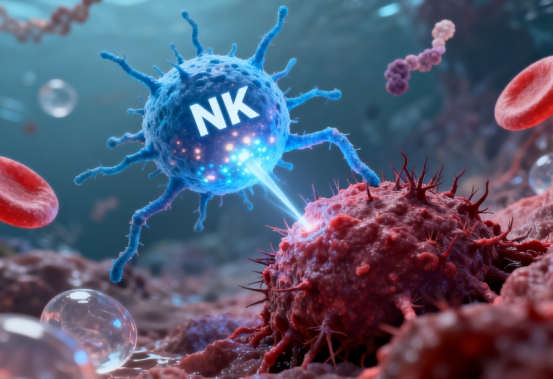
01 What is an "NK" Cell?
NK cells, short for Natural Killer Cells, are an important type of lymphocyte in the human immune system. They primarily originate from hematopoietic stem cells in the bone marrow and belong to the core cells of the innate immune system. Although they represent only about 10% of the body's total lymphocytes, they play a crucial role in innate immunity. Their function relies on the coordinated work of a series of cellular receptors, enabling them to initiate a potent killing response within a short time.
02 The "Combat Capabilities" of NK Cells
Recognition Mechanism:NK cells recognize target cells through receptors on their surface. The most important are Killer Cell Immunoglobulin-like Receptors (KIRs) and the NKG2D receptor, which can recognize altered antigens on tumor cell surfaces or the absence of MHC-I molecules, thereby distinguishing normal cells from abnormal cells.
Killing Mechanism:NK cells can kill target cells through various methods, including releasing pore-forming proteins (like perforin), inducing apoptosis (by releasing cytotoxins like granzymes), and mobilizing other immune cells (such as macrophages) to clear the target cells.
Activation and Inhibition:NK cells possess both activating and inhibitory receptors on their surface. Inhibitory receptors primarily recognize MHC-I molecules; the presence of MHC-I molecules on normal cells inhibits the killing activity of NK cells, whereas abnormal cells often lack MHC-I, allowing NK cells to function.
Immune Regulation:NK cells also play a significant role in immune regulation by producing interferon and other cytokines, modulating the activity of other immune cells, and influencing the direction and intensity of the immune response.
Immune Surveillance:NK cells participate in the body's immune surveillance, monitoring and clearing early tumor cells to prevent the occurrence and development of tumors.
Immunotherapy:In recent years, research on using NK cells for immunotherapy has gradually become a hotspot. Methods such as NK cell therapy and CAR-NK cell therapy can enhance the activity and quantity of NK cells, improving their ability to kill tumor cells. Overall, as a key component of the immune system, NK cells possess unique recognition and killing mechanisms and play an important role in combating tumors, infections, and other diseases.
Clearing Cancer Cells:When cells in the body become cancerous, they display special "abnormal signals" on their surface. NK cells can quickly recognize these signals through their surface receptors, much like a soldier spotting an enemy code. They immediately release "weapons" like perforin and granzymes, punching holes in the cancer cell's membrane and inducing its apoptosis, preventing the spread of tumor cells.
Fighting Viral Infections:After a virus invades a human cell, it alters the cell's "normal identifiers." NK cells can acutely detect this change, rapidly attack the virus-infected cell, and simultaneously secrete cytokines like interferon to activate other immune cells to jointly combat the virus. They play a key role in infections such as influenza and hepatitis B.
Inducing Apoptosis:By secreting death receptor ligands, such as FasL and TRAIL, they activate the apoptotic signaling pathways in target cells, inducing programmed cell death.
03 Clinical Applications of NK Cells
NK cells are widely used in improving subhealth, anti-aging, antiviral, anti-infection, and antitumor applications. As research on NK cell function mechanisms continues, their status in cancer immunotherapy is gradually becoming prominent. Researchers are currently developing various NK cell-based immunotherapies, including autologous NK cell therapy, allogeneic NK cell therapy, and genetically modified NK cell therapy. As an important branch of tumor immunotherapy, NK cells show significant efficacy and safety in treating solid tumors, with allogeneic NK cells showing particular advantages. They can provide new options for patients with early, intermediate, and advanced-stage malignancies, as well as those with poor prognoses.
It is worth noting that NK cells have an extremely fast "response speed"—the time from recognizing an abnormal cell to launching an attack is often just a few hours, much faster than the "mobilization cycle" of other immune cells. However, factors like aging, staying up late, and high stress can cause the number and activity of NK cells in the body to gradually decline, weakening the immune defense. Today, NK cells have become a research hotspot in the field of immunotherapy. Techniques like in vitro expansion and activation to enhance their combat effectiveness provide new directions for cancer treatment and antiviral immune protection, allowing this "rapid vanguard" to guard human health more efficiently.
04 As a key type of tumor immunocyte therapy, NK cell therapy can compensate for the shortcomings of traditional treatments:
Clearing Residual Lesions:Effectively clears residual cancer cells and micrometastases after surgery, radiotherapy, and chemotherapy, reducing the risk of tumor recurrence and metastasis.
Synergistic Enhancement of Efficacy:Increases sensitivity to radiotherapy and chemotherapy, reduces toxic side effects like nausea and bone marrow suppression, and improves patient treatment tolerance.
Improving Quality of Life:Prolongs patient survival; for patients with advanced, inoperable, or recurrent/metastatic disease, it can alleviate symptoms and enable living with the tumor.
Broad Applicability:Covers various solid tumors, showing particular therapeutic potential for refractory and drug-resistant tumors that respond poorly to traditional therapies.
05 Types of NK Cells – Autologous vs. Allogeneic: Why are "Someone Else's" NK Cells More Potent?
Autologous NK Cells:In the past, NK cell therapy often used "autologous sources"—cells extracted from the patient's own blood or cord blood, expanded in vitro, and then reinfused. However, this method has a significant drawback:
The NK cells of cancer patients are often "weakened in combat effectiveness." The tumor microenvironment acts like a "chronic poison," inhibiting NK cell activity, reducing their numbers and killing ability—like "soldiers suffering from a prolonged illness." Even with in vitro "reinforcement" through culture, it's difficult to restore them to peak condition. Additionally, preparing autologous cells individually for each patient is time-consuming, costly, and may fail if the patient's poor health prevents extracting sufficient cells.
Allogeneic NK Cells:Now, allogeneic NK cells (from healthy donors' peripheral blood, cord blood, or generated from induced stem cells) precisely address these issues:
Fresh Troops at Full Strength:Healthy donors' NK cells haven't been "devastated" by the tumor microenvironment; they are naturally highly active, proliferate rapidly, and can quickly reach the required "troop strength" for treatment after in vitro culture.
"Mismatch" Makes Them Stronger:NK cells have a "brake" receptor called KIR on their surface. Normally, it recognizes the body's own MHC molecules to avoid "friendly fire." However, the KIR receptors of allogeneic NK cells do not match the patient's cancer cell MHC molecules. This "brake failure" activates the "missing self-recognition" mechanism, causing the NK cells to perceive the cancer cells as "foreign invaders" and attack more fiercely.
Batch "Production" Possible:Allogeneic NK cells based on cord blood or induced pluripotent stem cells (iPSCs) can be standardized and produced on a large scale, like "prepared meals," made in advance for use when needed, significantly reducing costs and treatment waiting times.
Department of Medical Oncology/Hematology
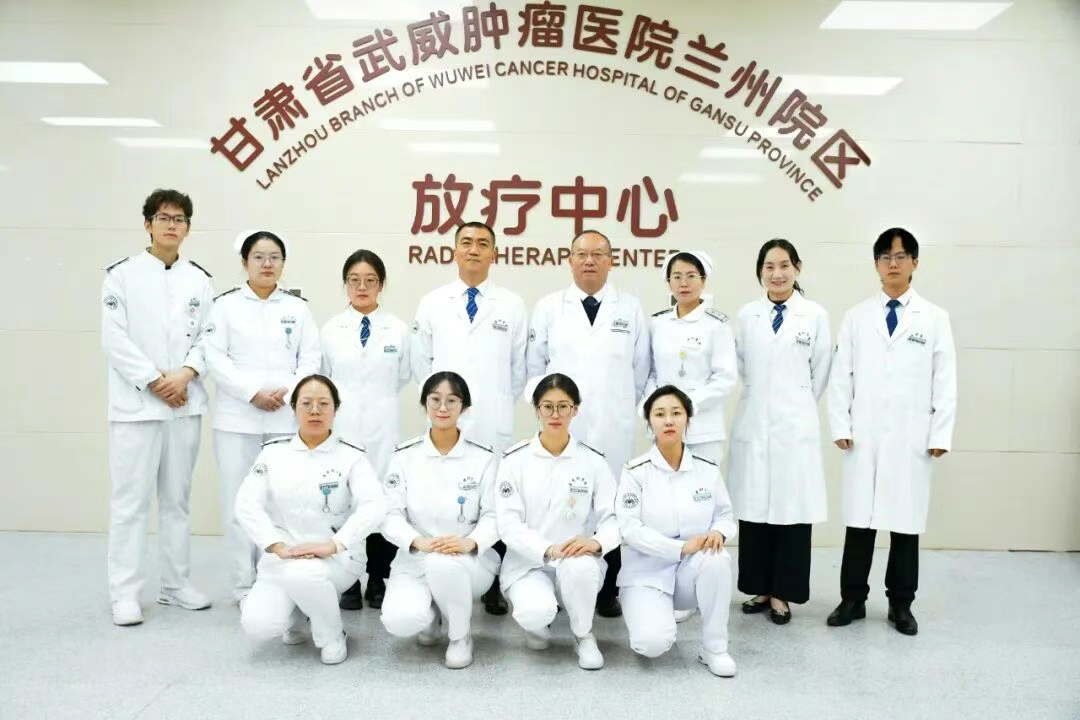
Professional Team
The department boasts an elite team of professional medical staff. Among the medical team, specially appointed experts Professor Bai Hai and Professor Pan Ming are both Chief Physicians of the highest rank, enjoying high reputations in the field, possessing profound academic expertise and extensive clinical experience, providing a solid guarantee for the department's diagnostic and therapeutic standards. Simultaneously, the department is equipped with a reasonable and complete talent echelon and continuously improves its talent training mechanism to ensure the provision of high-quality, multi-level medical services for patients. The nursing team provides comprehensive and meticulous nursing services to patients with a high sense of responsibility and professional nursing skills, ensuring patient comfort and safety during treatment.
Scope of Diagnosis and Treatment
The department focuses on the precise diagnosis and treatment of various benign and malignant diseases of the hematopoietic system and solid tumors. It holds significant advantages particularly in handling refractory and relapsed hematological diseases and solid tumor diseases. Key areas include hematological diseases such as leukemia, lymphoma, multiple myeloma, various types of anemia, etc., as well as medical oncology for common solid tumors like lung cancer, gastric cancer, colorectal cancer, breast cancer, etc. Whether for common diseases or complex conditions, the department can provide accurate diagnosis and effective treatment plans based on professional medical technology and rich clinical experience.
Diagnostic and Therapeutic Technologies
Diversified Treatment Modalities:The department adopts internationally advanced treatment concepts and methods. Treatment modalities encompass chemotherapy, targeted therapy, immunotherapy, endocrine therapy, supportive care, cell therapy, and integrated Chinese and Western medicine treatments. Based on the patient's condition and physical status, personalized comprehensive treatment plans are formulated to achieve the best therapeutic outcomes.
Precise Diagnostic Techniques:Relying on the advanced technologies of the Hematology Center laboratory, including bone marrow morphology, bone marrow pathology, flow cytometry, genetic testing, and other MICM typing technologies, the department can achieve precise diagnosis and classification of hematological diseases, providing a scientific basis for formulating personalized diagnosis and treatment plans. These advanced technologies allow for a more accurate understanding of the patient's condition, enabling precise treatment and improving therapeutic efficacy.
Laminar Airflow Ward Assurance:The department is equipped with laminar airflow wards, providing a safe and comfortable treatment environment for patients undergoing high-dose chemotherapy, hematopoietic stem cell transplantation, and other treatments requiring high infection control standards. The laminar airflow wards use advanced air purification technology to effectively reduce infection risks, providing strong support for patient treatment.
Preliminary Review: Ma Shuqian
Final Review: Zhang Lihong