Health Science | Understanding Hyperlipidemia and Hypertension, Guarding the Vessel of Life
Health Science | Understanding Hyperlipidemia and Hypertension, Guarding the Vessel of Life
Why are Hyperlipidemia and Hypertension Often Inseparable?
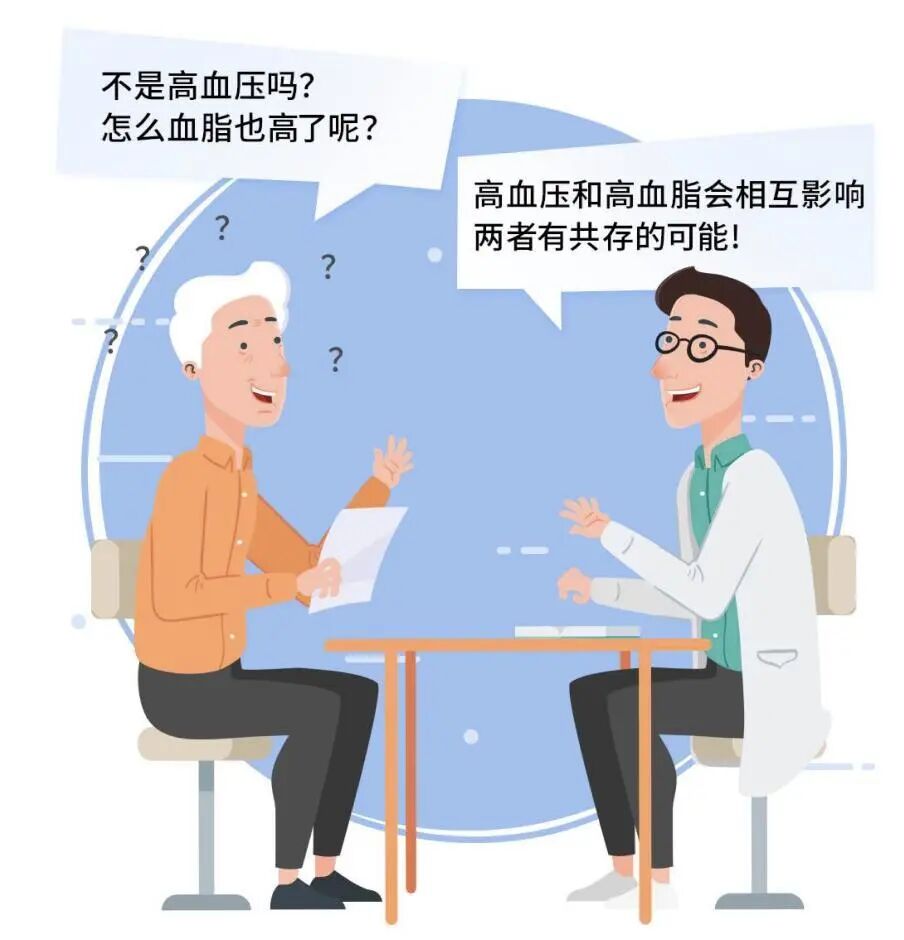
Hyperlipidemia and hypertension often "work as a team," causing damage to blood vessels greater than the sum of their parts (1+1>2), jointly accelerating the process of cardiovascular diseases.
Q1: Why are Hypertension and Hyperlipidemia often found together?
- Both disrupt blood vessels and influence each other.
Hypertension "punches holes" in vessels, making lipid buildup easier. Long-term hypertension continuously impacts blood vessels, causing damage and reducing elasticity. Low-density lipoprotein cholesterol is more likely to accumulate at the damaged sites.
Hyperlipidemia "plants mines" in vessels, making blood pressure rise more easily. Abnormal blood lipids, specifically elevated low-density lipoprotein cholesterol, can accumulate in blood vessels forming plaques. This narrows the vessels, obstructs blood flow, and raises blood pressure.
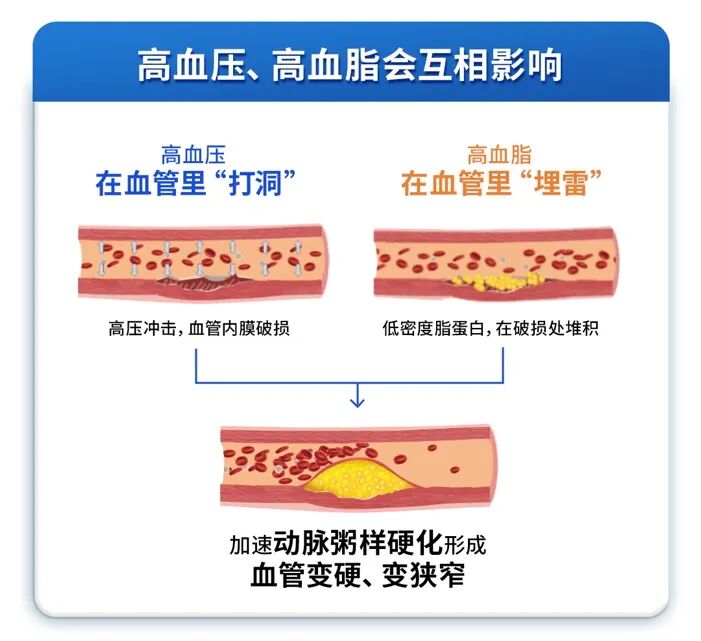
These two conditions continuously strike the blood vessels in their respective "areas of expertise," accelerating the formation of atherosclerosis and increasing cardiovascular disease risk.
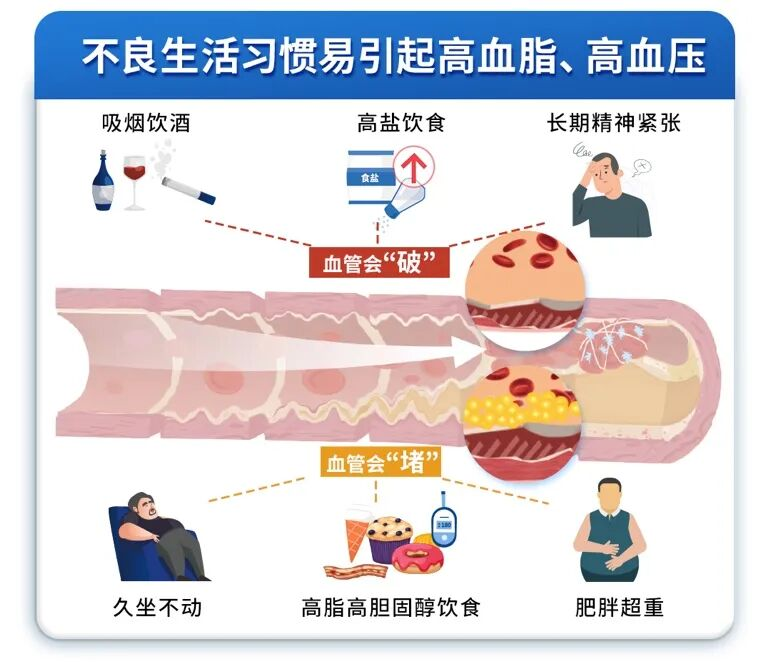
They share similar triggers; unhealthy lifestyle habits are risk factors for both.
The occurrence of both hypertension and hyperlipidemia is closely related to unhealthy lifestyles. Overeating, lack of exercise, smoking, and alcohol consumption can all damage blood vessels!
Q2: What are the harms of having both conditions?
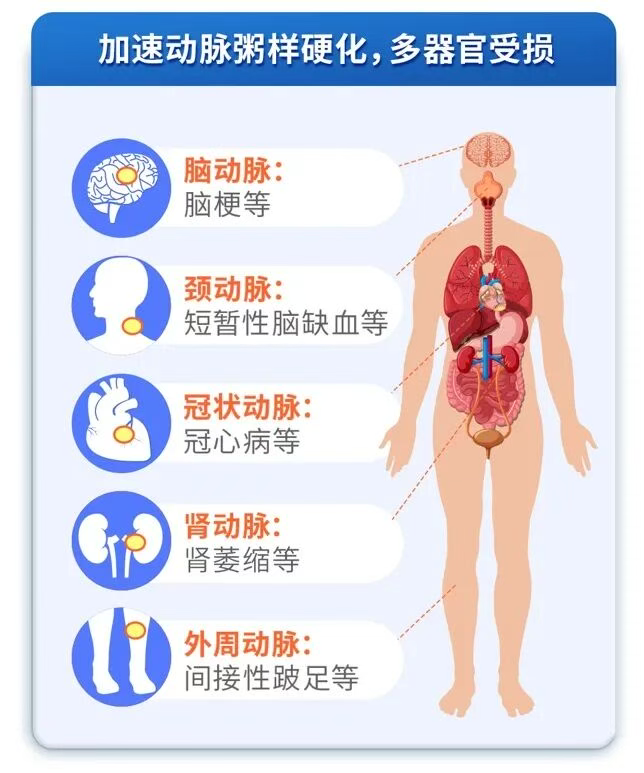
When hypertension and hyperlipidemia coexist, they accelerate the process of atherosclerosis. Blood vessels form an interconnected system linking vital organs like the heart, brain, and kidneys. Once damaged, it often "affects the whole system by pulling one part," impacting organs throughout the body.
Q3: How can individuals with both conditions reduce cardiovascular risk?
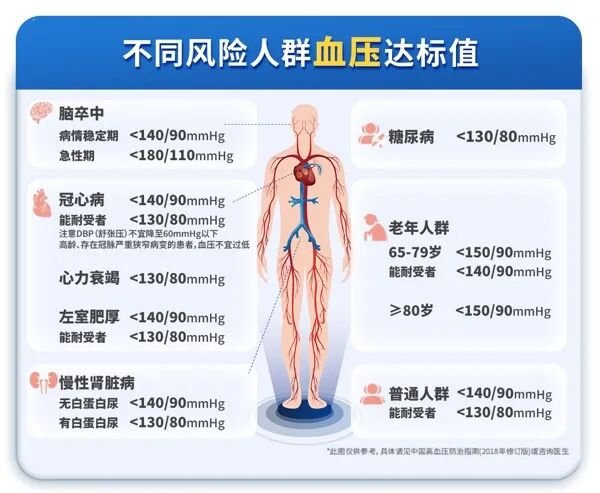
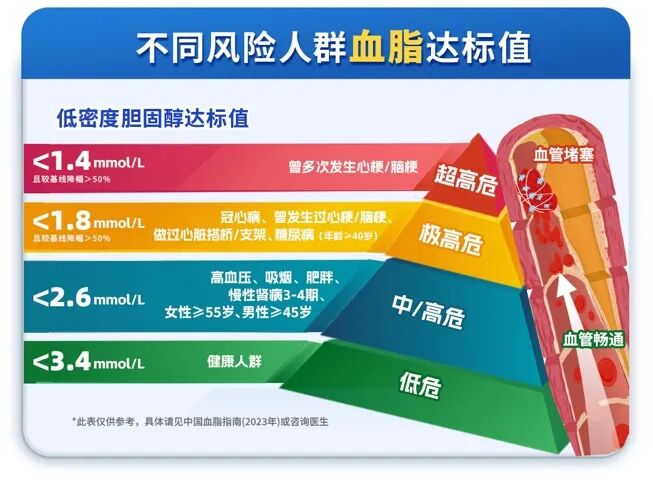
Persist in achieving both lipid and blood pressure targets.
The core strategy to "eliminate" both hypertension and hyperlipidemia is to control both blood pressure and blood lipid levels within target ranges [1,3,4]. Always keep these target values in mind and take action to achieve them!
Note: Target values for blood pressure and lipids differ for people with different risk levels. If unsure about your targets, please consult your doctor for confirmation.
Adhere to taking lipid-lowering and antihypertensive medications.
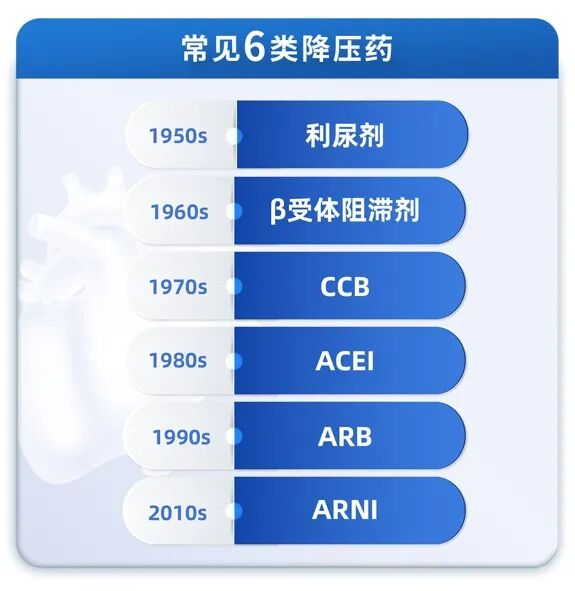
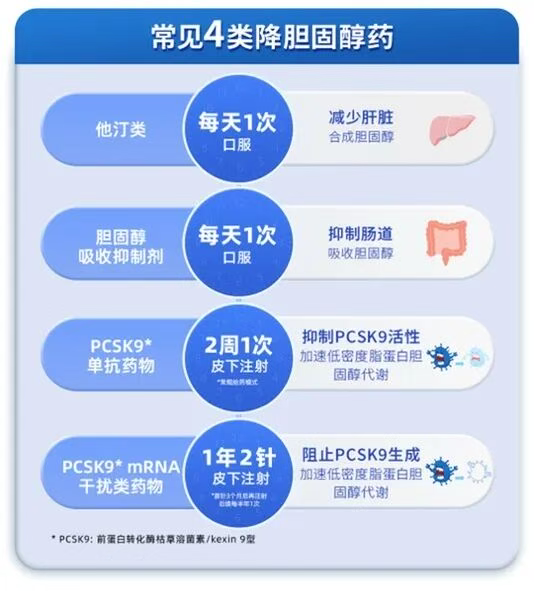
Taking antihypertensive and lipid-lowering medications as prescribed by a doctor is essential for maintaining blood pressure and lipids within a reasonable range.
Common types of cholesterol-lowering drugs: Statins, Cholesterol absorption inhibitors, PCSK9 monoclonal antibodies, PCSK9 mRNA interference drugs.
Common six classes of antihypertensive drugs: Diuretics, Beta-blockers, CCBs, ACEIs, ARBs, ARNIs.
It is crucial to persist with medication, not stop or reduce dosage without authorization, ensuring long-term, stable lipid and blood pressure control to reach targets.
Maintain healthy lifestyle habits.
Unhealthy daily habits are the "first step" towards uncontrolled blood lipids and pressure. Gradually improving lifestyle habits denies disease a "chance to take hold."

Introduction to the Department of Cardiology
As a key discipline of Gansu Wuwei Cancer Hospital, the Department of Cardiology boasts a positive, passionate, and dedicated medical team. Led by Director An Deying, the department adheres to the service philosophy of "Medical Benevolence," keeps in mind "People First, Life Supreme," and consistently embodies the purpose of "Serving People's Health."
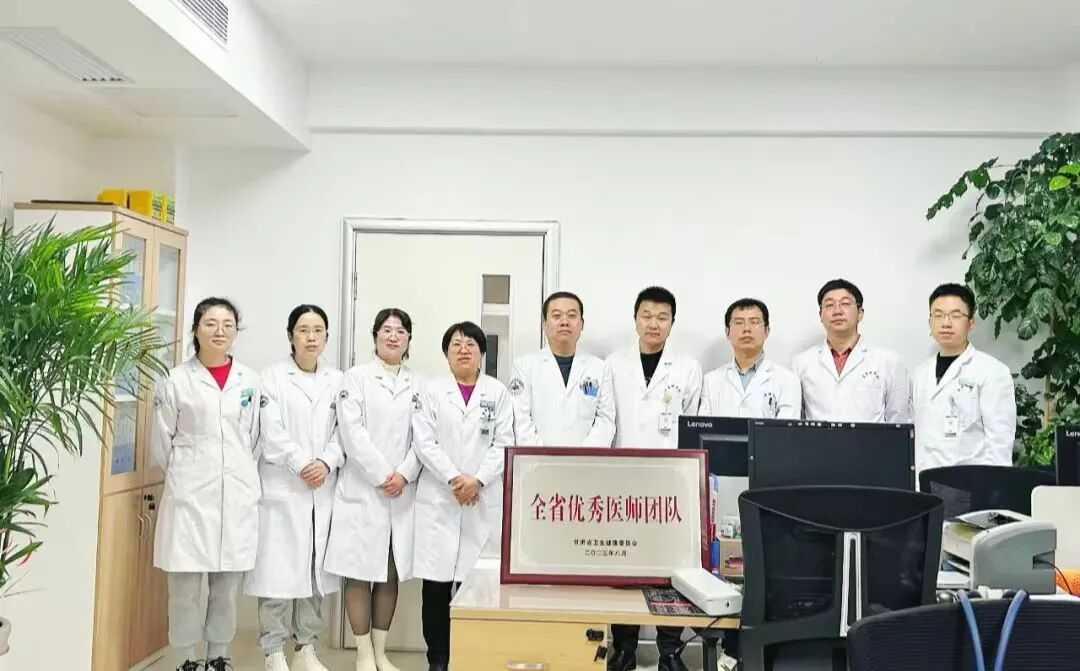
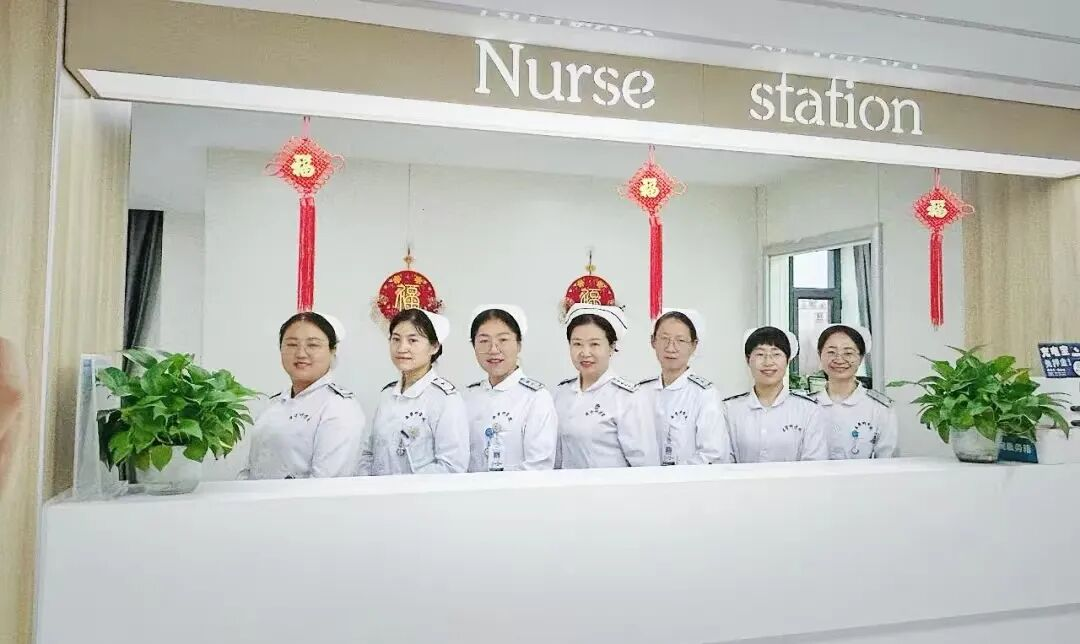
In recent years, to provide better and more comprehensive medical services and to foster disciplinary development, the Department of Cardiology at Gansu Wuwei Cancer Hospital has focused on talent cultivation, improved departmental infrastructure, enhanced service quality, and continuously tackled "cardiovascular" challenges through the introduction of new technologies, bringing hope to more patients with cardiovascular diseases.
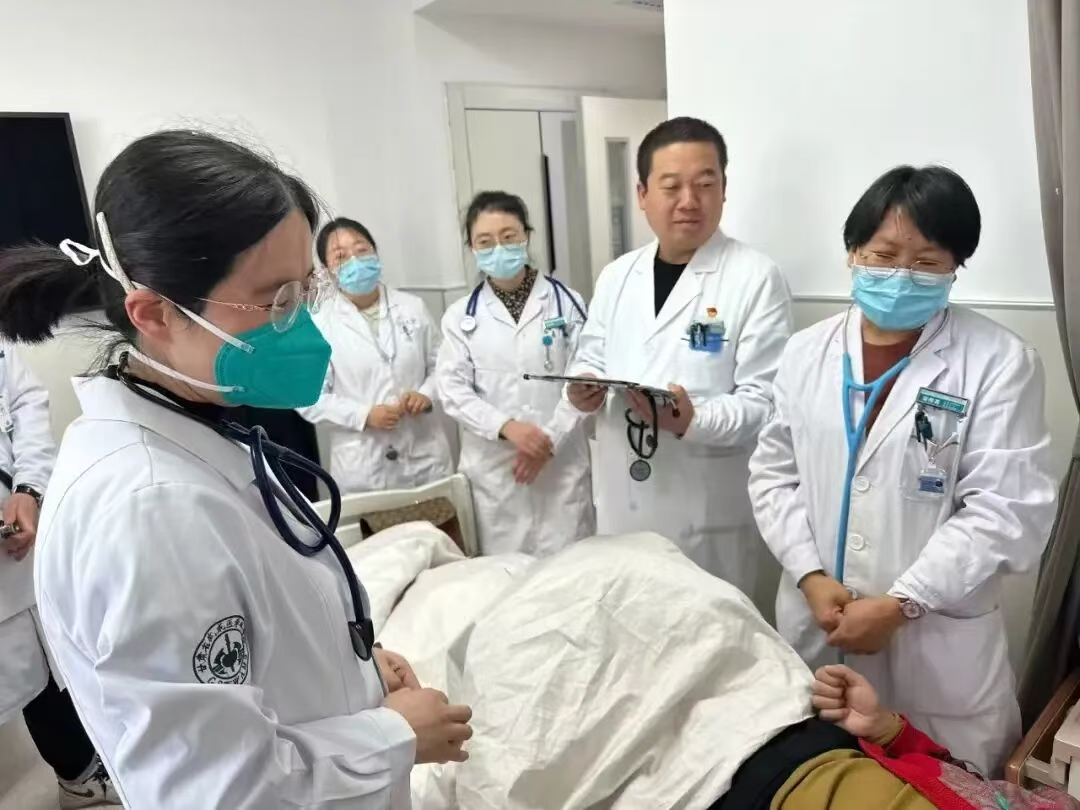
Scope of Treatment in the Department of Cardiology
The department primarily treats diseases including angina pectoris, acute myocardial infarction, and other types of coronary heart disease; primary hypertension, hypertensive emergencies, and secondary hypertension; acute and chronic heart failure; primary and secondary cardiomyopathies; senile valvular heart disease, myocarditis, and various arrhythmias. The department has accumulated substantial clinical experience in the treatment and management of geriatric cardiovascular diseases and chronic heart conditions.
Treatment Technologies in the Department of Cardiology
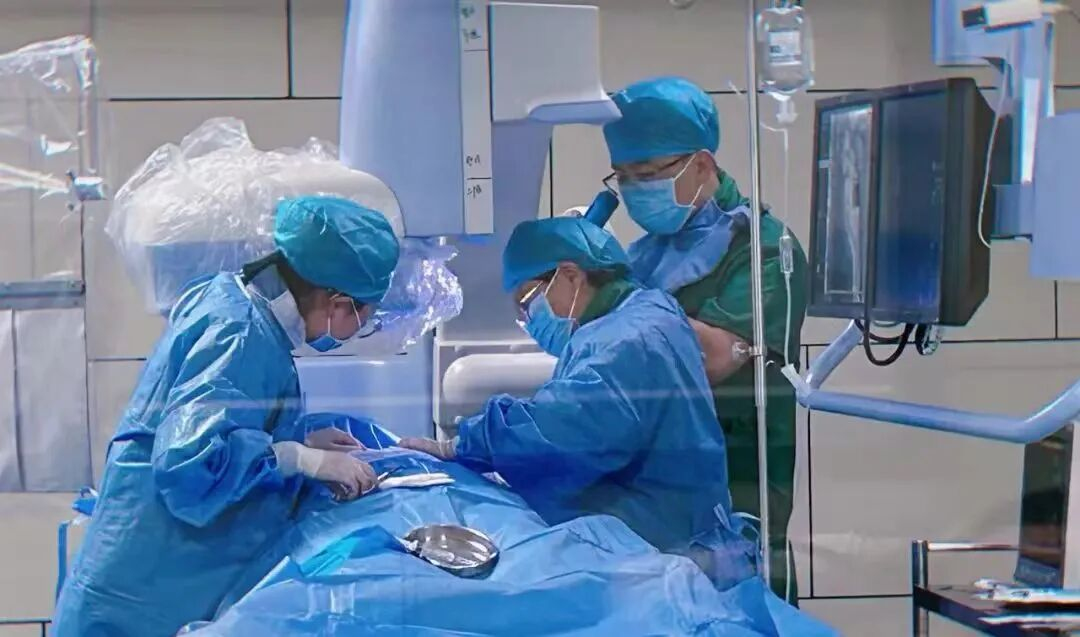
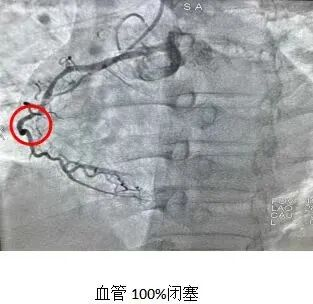
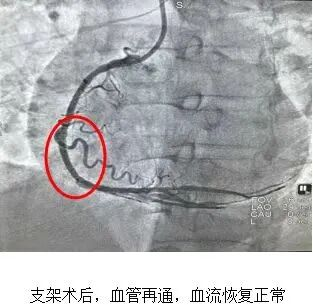
The department employs advanced techniques. The coronary group routinely performs emergency and elective coronary angiography, coronary balloon angioplasty, intracoronary thrombolysis, thrombus aspiration, and stent implantation, as well as interventional therapy for complex chronic total occlusions (CTO). Intravascular ultrasound and FFR can be performed during procedures. In the electrophysiology area, the department performs permanent single and dual-chamber pacemaker implantation, CRT/CRT-D implantation, ICD implantation, and intracardiac electrophysiological studies and radiofrequency ablation for paroxysmal supraventricular tachycardia, premature ventricular contractions, ventricular tachycardia, atrial tachycardia, atrial flutter, and atrial fibrillation. In the areas of heart failure and hypertension, the department keeps pace with the times, actively conducting internal professional studies based on the latest guidelines and expert consensus to provide patients with the newest and most reasonable treatment plans.
Introduction to Cardiology Expert
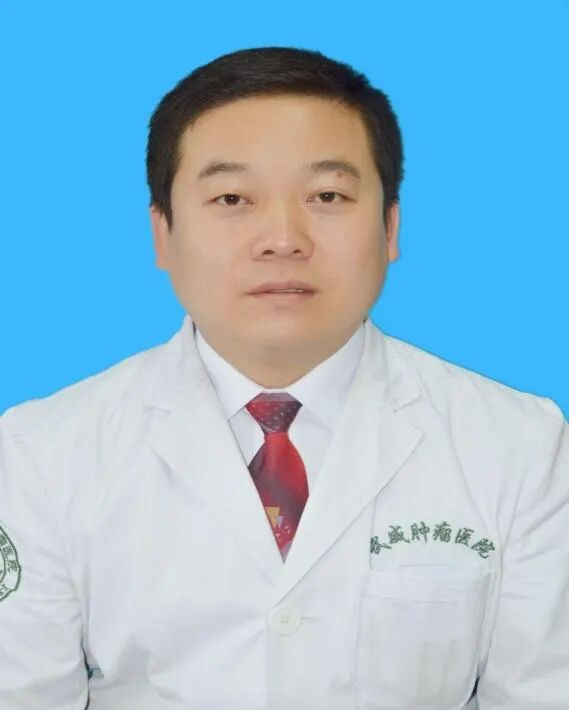
Gao Shengyun, Chinese Communist Party member, holds a Bachelor's degree and a Bachelor of Medicine. He is an Associate Chief Physician in the Department of Cardiology, Director of the Catheterization Laboratory, and Deputy Director of the Department of Cardiology. He serves as a committee member of the Wuwei Medical Association Cardiology Professional Committee and is a Certified Health Manager. Graduating from the Clinical Medicine Department of Lanzhou University in 2005, he has been engaged in clinical work related to cardiology at Gansu Wuwei Cancer Hospital since then. During his tenure, he presided over and participated in the completion of 3 municipal-level scientific and technological projects, receiving the Municipal Science and Technology Progress Third Prize for 2 of them. He has published 1 SCI paper, 1 paper in a key scientific and technological journal, and 6 professional papers in provincial medical journals, with 3 as the first author. He holds 1 National Utility Model Patent.
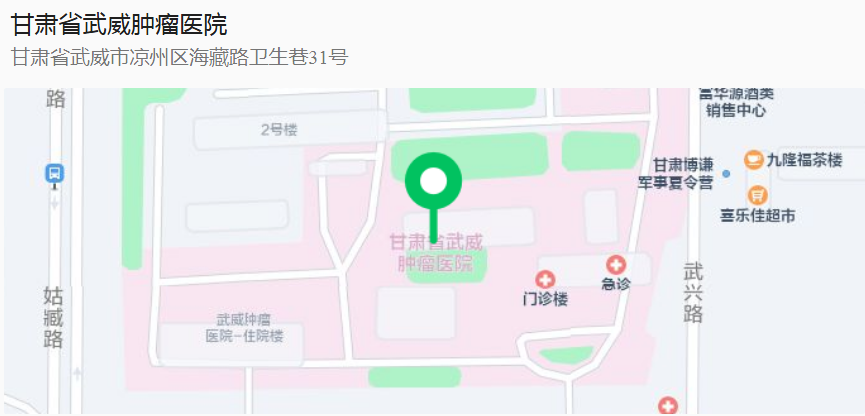
Appointment Address:
Phone Appointment: 69885729
Contact Person: Teacher Wan
Inpatient Ward: Third Floor, Central Campus
Outpatient Schedule:
Gao Shengyun: Every Tuesday, Thursday, Saturday
Outpatient Location: Room 204, Outpatient Department, Central Campus