Beware of the Lurking "Silent Killer" – Gallbladder Cancer | A Popular Science Guide Everyone Should
Beware of the Lurking "Silent Killer" – Gallbladder Cancer | A Popular Science Guide Everyone Should Know
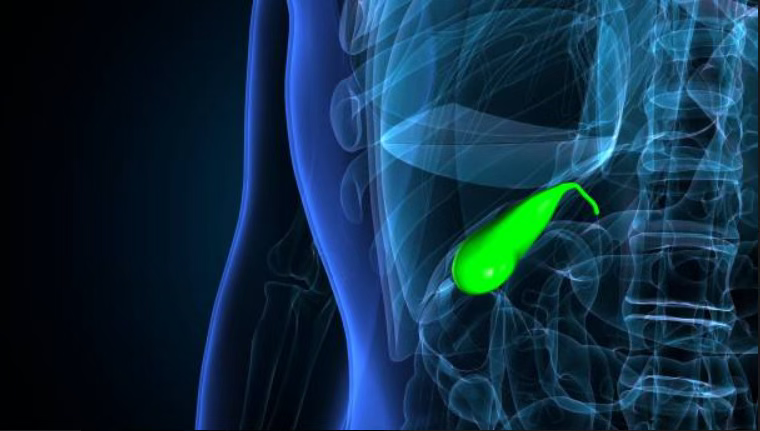
In the upper right part of our abdomen, there is a small, pear-shaped organ – the gallbladder. It is responsible for storing and concentrating bile secreted by the liver, helping us digest fats after a big meal. Usually, we hardly notice its existence, but once it "rebels," it can mean big trouble, especially when associated with the word "cancer."
Today, let's unveil the mystery of this "silent killer," gallbladder cancer.
I. Gallbladder Cancer: Why Is It So Dangerous?
Although relatively rare, gallbladder cancer is the most common malignant tumor in the biliary system,堪称 an aggressive cancer. Its danger lies in:
• Strong Concealment:There are basically no specific symptoms in the early stages, making it easy to overlook.
• Rapid Progression:Once symptoms appear, it often has already developed to a mid or advanced stage.
• Critical Location:The gallbladder is closely adjacent to the liver, bile duct, etc., making it easy for cancer cells to invade surrounding tissues and organs.
• Poor Prognosis:Due to late detection and easy metastasis, the overall five-year survival rate is relatively low.
Because of this, understanding and prevention are particularly important.
II. Who is at High Risk? These Groups Need to Be Extra Cautious!
If you or your family members belong to the following groups, you need to pay more attention to gallbladder health:
• Patients with Gallstones:This is the primary, most definite risk factor! Especially patients with stones larger than 2.5-3 cm in diameter have a significantly increased risk. The long-term friction and irritation from stones are important triggers for cancer.
• Patients with "Porcelain" Gallbladder:The gallbladder wall becomes hard like porcelain due to calcification; this is a definite precancerous lesion.
• Patients with Gallbladder Polyps:Particularly polyps larger than 1 cm in diameter, single, and with a broad base, have an increased risk of cancer.
• Patients with Abnormal Biliary Anatomy:Such as congenital bile duct cysts.
• Obese Individuals and Diabetics: Metabolic disorders in the body, increased cholesterol, prone to stone formation, indirectly increasing risk.
• Age and Gender: More common in women over 50 years old; the incidence rate in women is 2-6 times that in men.
Important Reminder:If you are in a high-risk group, regular abdominal ultrasound examinations are the simplest, most economical, and effective method for detecting early lesions.
III. Don't Ignore These "Alarm Bells" from Your Body!
When gallbladder cancer develops to a certain stage, the following symptoms may appear. Please note, these symptoms are not unique to gallbladder cancer, but once they appear, you must seek medical attention immediately for investigation:
• Persistent pain in the upper right abdomen:Different from the colicky pain of biliary colic, this pain is constant, dull, or aching, and may radiate to the shoulder or back.
• Jaundice: Yellowing of the skin and whites of the eyes, dark tea-colored urine. This is because the tumor blocks the bile duct.
• Digestive symptoms: Such as nausea, vomiting, loss of appetite, aversion to fatty foods, bloating, etc.
• Palpable mass: A hard mass may be felt in the upper right abdomen.
• Unexplained weight loss and fatigue:Significant weight loss in a short period without obvious reason.
• Fever: Some patients may experience recurrent fever.
Remember: Early gallbladder cancer is almost asymptomatic! Don't wait for symptoms to appear before going to the hospital. Regular check-ups are key.

IV. If Diagnosed, What Treatment Options Are Available?
The treatment plan depends on the cancer's stage, location, and the patient's overall health.
• Surgical Treatment: Currently the only potentially curative method.•Radical Resection:For early-stage patients, the gallbladder along with part of the affected liver, lymph nodes, etc., are removed to strive for complete eradication of cancer cells.•Palliative Surgery:For advanced-stage patients who cannot be cured, surgery is performed to relieve biliary obstruction and jaundice, improving quality of life.
• Chemotherapy and Radiotherapy: Used as adjuvant therapy after surgery, or for advanced patients who cannot undergo surgery, to control disease progression and prolong survival.
• Targeted Therapy and Immunotherapy:This is a new direction in cancer treatment. By performing genetic testing on tumor tissue to find specific targets, using corresponding targeted drugs or immunotherapy drugs brings new hope to some advanced patients.
V. Prevention is Better Than Cure: How to Stay Away from Gallbladder Cancer?
The best treatment is prevention. We can start with small steps in daily life:
• Watch your diet and stay active: Control weight and avoid obesity. Adhere to a diet low in fat and cholesterol, and high in fiber. Eat plenty of fresh vegetables and fruits.
• Manage underlying conditions: If you have gallstones, polyps, etc., be sure to follow the doctor's advice and have regular check-ups. For those with surgical indications (e.g., large stones, large polyps), do not hesitate and seek timely intervention.
• Regular check-ups: An annual abdominal ultrasound is the "sharp-eyed" method for safeguarding gallbladder health.
• Healthy lifestyle: Quit smoking, limit alcohol, and maintain regular sleep patterns.

Although gallbladder cancer is dangerous, it is not unpreventable. Understand it, face it squarely, and we can overcome it. We hope this article helps you and your family build a scientific understanding of gallbladder cancer. Please share it with friends around you, especially elders who have gallstones or gallbladder polyps. Your share could be delivering a vital health reminder.
Preliminary Review: Zhang Lihong
Final Review: Zhang Jie