What to Do for Hoarseness After Radiotherapy? Teach You 3 Little Tips for Throat Care
What to Do for Hoarseness After Radiotherapy? Teach You 3 Little Tips for Throat Care
Hoarseness after radiotherapy is often caused by irritation of the throat mucosa. Proper daily care can effectively relieve discomfort.
These 3 little tips are simple and practical.
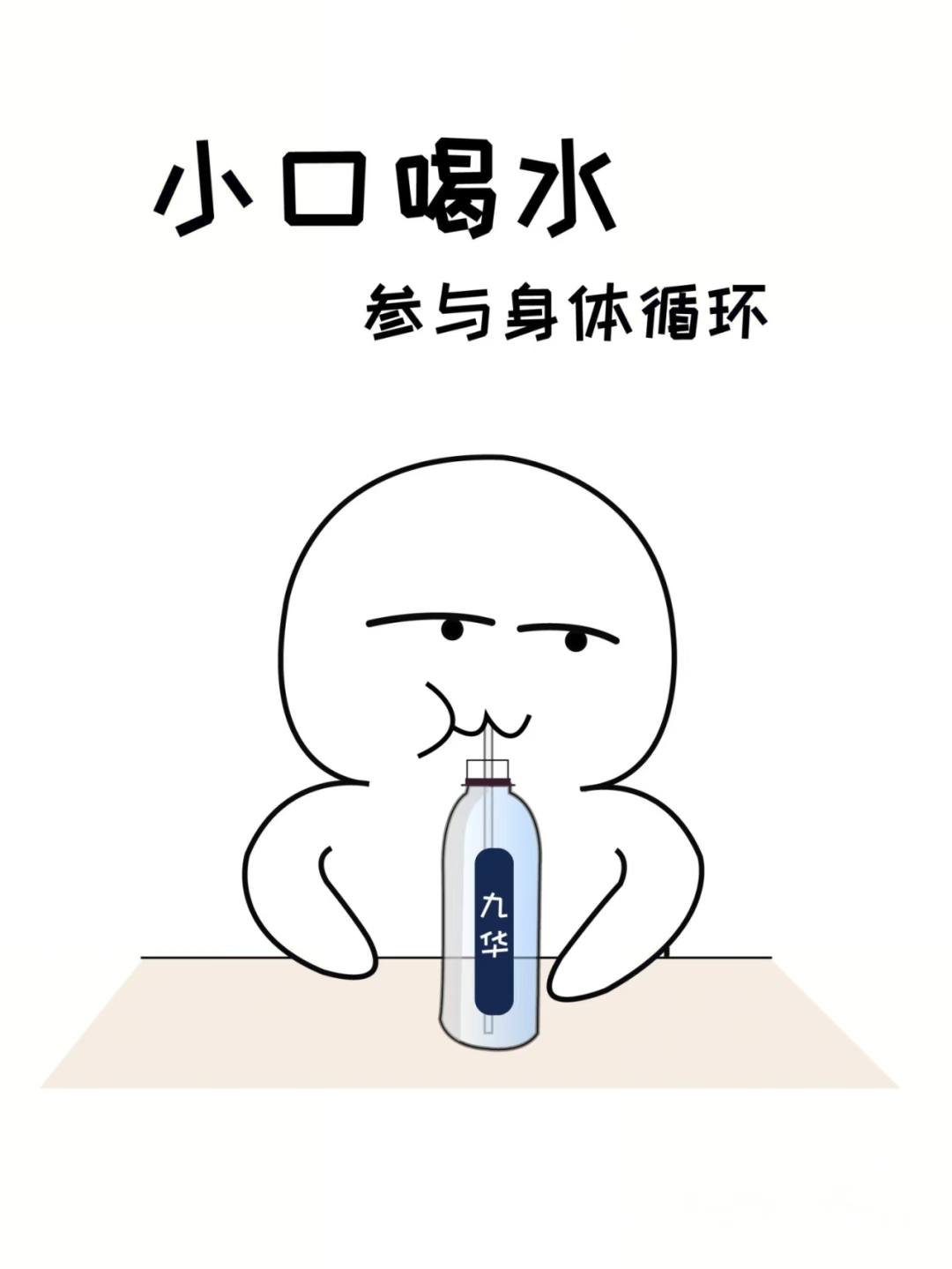
Tip 1: Soothe the throat with warm water, drink small amounts frequently.
Don't wait until you're thirsty to drink water. Prepare warm boiled water daily and sip it in small amounts throughout the day, just like "sipping tea." Take 1-2 sips each time. This keeps the throat moist without burdening the mucosa. Avoid ice water, strong tea, or alcoholic beverages, as these can irritate the throat.

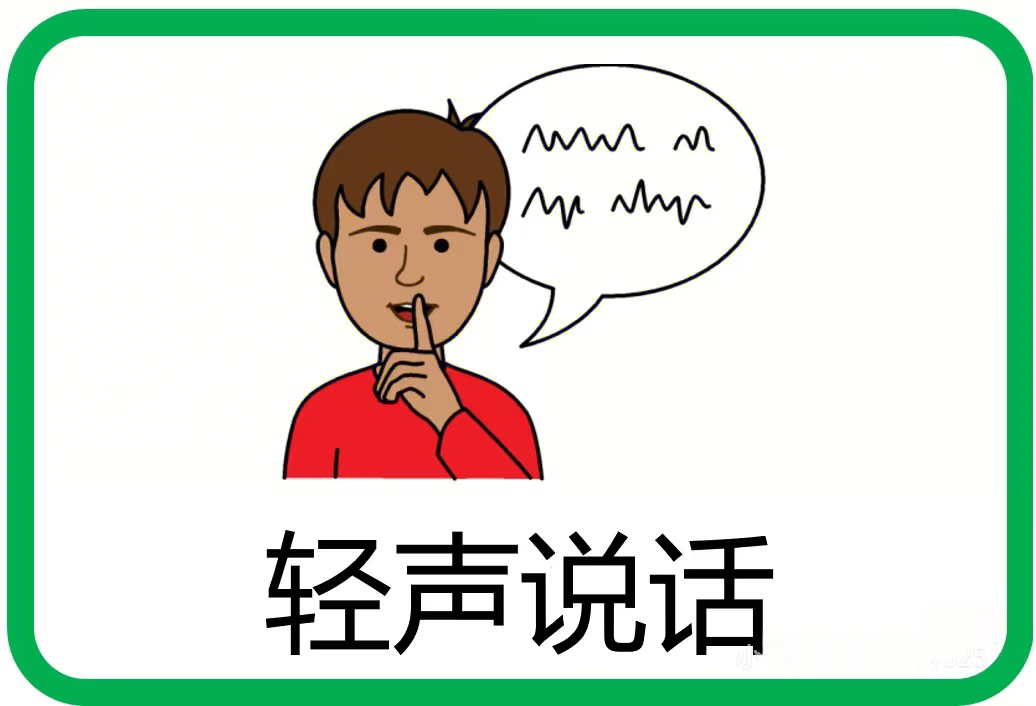
Tip 2: "Speak softly," give your vocal cords a "break."
Try to reduce how often you speak. When you must talk, lower your volume. Avoid shouting or having long conversations. Keep a small notepad handy and use written communication when necessary, allowing your vocal cords and throat mucosa time to heal.

Tip 3: Humidify the air, avoid irritants.
Dry indoor air can worsen hoarseness. Use a humidifier to maintain humidity between 40%-60%, and remember to clean the humidifier daily to prevent bacterial growth. At the same time, stay away from cooking fumes, dust, and secondhand smoke. Wear a mask when cooking, and take protective measures when going out in polluted weather.

If hoarseness persists for more than 2 weeks without improvement, or is accompanied by painful swallowing or difficulty breathing, be sure to inform your doctor promptly! Taking good care of your throat will help your body recover more smoothly.
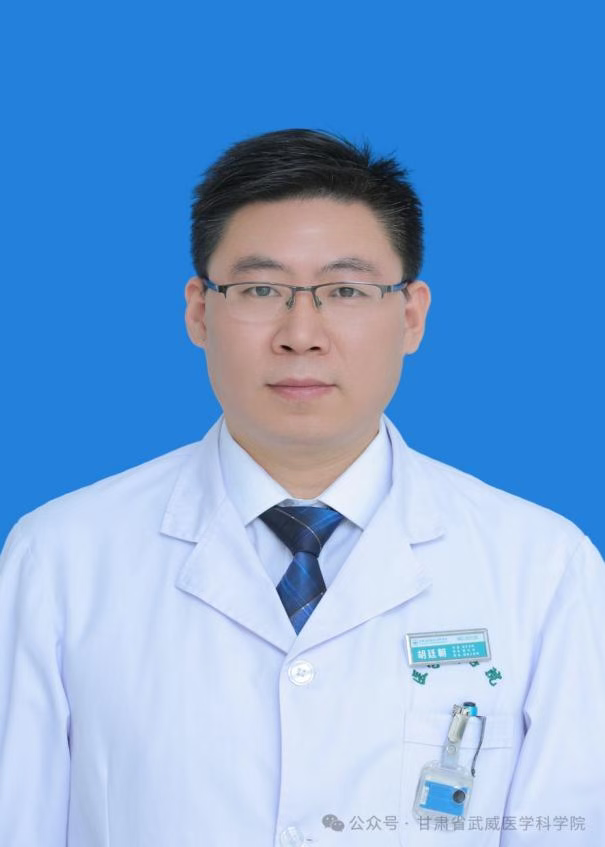

Hu Tingchao, Associate Chief Physician of Radiation Oncology
● Director of the Fifth Department of Radiotherapy (Head and Neck Tumor Radiotherapy), Gansu Wuwei Cancer Hospital
● Member of the Chinese Anti-Cancer Association
● Member of the Gansu Provincial Radiotherapy Committee
● Council Member of the Third Council of the Western Radiotherapy Association
● Member of the Particle Therapy Branch of the China Association of Medical Equipment
Educational Background: Graduated from the Clinical Medicine Department of Lanzhou University in 2005. Has been engaged in tumor radiotherapy for 18 years. Completed advanced studies in tumor radiotherapy at Sichuan Cancer Hospital, Japan Fukuoka Tokushukai Hospital, Shanghai Proton and Heavy Ion Center, and the Affiliated Cancer Prevention and Treatment Center of Sun Yat-sen University in Guangzhou.
Professional Expertise: 1. Proficient in comprehensive treatments including radiotherapy and chemotherapy, targeted therapy, etc., for various common malignant tumors such as head and neck tumors, brain gliomas, lymphomas, and chordomas. 2. Precision tumor therapy: Techniques including Three-Dimensional Conformal Radiotherapy (3D-CRT), Intensity-Modulated Radiotherapy (IMRT), Volumetric Modulated Arc Therapy (VMAT), Stereotactic Body Radiotherapy (SBRT), Image-Guided Radiotherapy (IGRT), and Carbon Ion Radiotherapy (CIRT). Has extensive experience in radiotherapy planning, protecting the function of normal organs, and mitigating and managing radiotherapy side effects.
Research and Publications: Published over ten professional papers, authored and edited one professional monograph, holds one utility model patent, presided over the completion of two Wuwei municipal-level research projects, participated in compiling the standard procedures for carbon ion radiotherapy, and has been awarded the title of "Advanced Worker" by the hospital multiple times.
The Head and Neck Tumor Radiotherapy Department (Fifth Department of Radiotherapy) is a specialized ward integrating clinical practice, scientific research, and teaching. Mainly treats: meningiomas, pituitary tumors, acoustic neuromas, brain gliomas, intracranial tumors, nasopharyngeal carcinoma, oral cancer, eye tumors, laryngeal cancer, hard palate cancer, hypopharyngeal cancer, chordomas, and lymphomas in various parts of the body.
Advantages of Heavy Ion Therapy for Specific Diseases: Head and neck malignant melanoma, head and neck sarcoma, adenoid cystic carcinoma, recurrent head and neck cancer, skull base chordoma, chondrosarcoma, brain glioma.
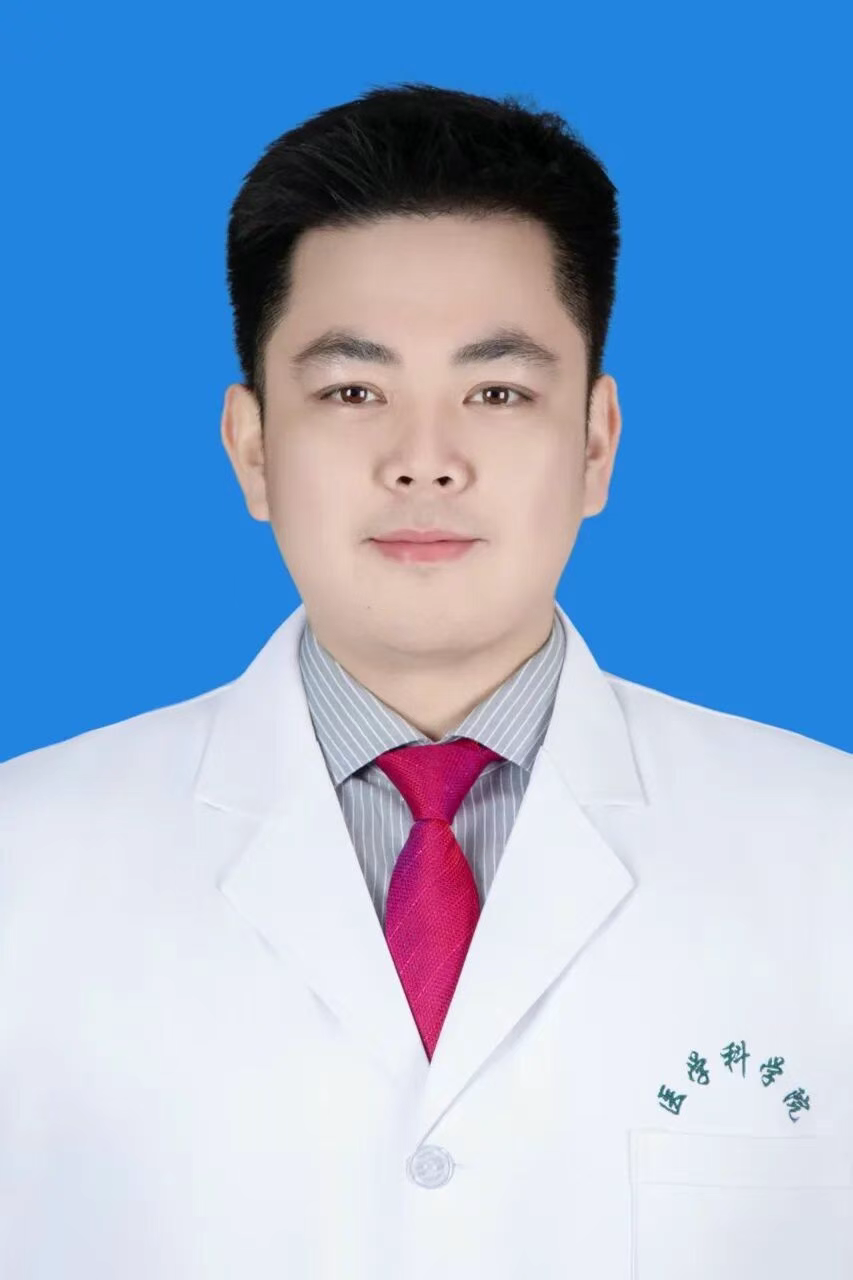
Yin Zhaosheng
Deputy Director of the Fifth Department of Radiotherapy, Communist Party Member, Associate Chief Physician of Radiation Oncology
Former Director of the Tumor Radiotherapy Department, Xiangnan University Affiliated Hospital, Hunan Province
Standing Committee Member of the Chenzhou Medical Association Oncology Professional Committee
Member of the Hunan Provincial International Medical Exchange and Promotion Association Committee for Tumor Radiotherapy and Radiotherapy Immunotherapy
Member of the Hunan Medical Education Science and Technology Association Clinical Nutrition Professional Committee
Studied under Professor Ren Yimin, former chairman of radiotherapy in Taiwan Province, China, and Professor Wang Jinzhu, medical management expert from Tzu Chi Hospital in Taiwan Province, China
Visiting Scholar at Tri-Service General Hospital and Chang Gung Memorial Hospital in Taiwan Province
Specializes in precision radiotherapy and stereotactic radiotherapy for tumors, especially comprehensive treatment of head, neck, and neurological tumors.