Why Strict Positioning Matters in Radiotherapy – Precision Depends on Immobilization & Custom Molds
Why Strict Positioning Matters in Radiotherapy – Precision Depends on Immobilization & Custom Molds
Many patients undergoing radiotherapy have had this question: the entire session takes more than ten minutes, and staying perfectly still is uncomfortable. Does a slight movement really matter?
The answer is: yes, it really does matter. In radiotherapy, positioning accuracy directly determines treatment outcome and is directly related to the safety of normal organs. It is a core element of radiotherapy. Modern precision radiotherapy operates at the "millimeter level." The treatment plan is calculated based on the body position used during simulation CT, and the radiation beam must precisely target the tumor while avoiding sensitive organs. Even a slight shift in position can invalidate the entire treatment plan and may even cause side effects. Most tumor radiotherapy requires 20 to 35 consecutive fractions — once daily, five times per week, over several weeks. This means that the patient's position must be exactly the same each time as it was during the initial simulation. It is nearly impossible to maintain a stable position through willpower alone, as breathing and muscle relaxation can cause subtle movement. That is why custom immobilization devices — such as thermoplastic masks and vacuum cushions — are made to fit the patient's body, limit displacement, and ensure consistent positioning for each session. This allows the radiation to destroy the tumor while maximizing protection of healthy organs.
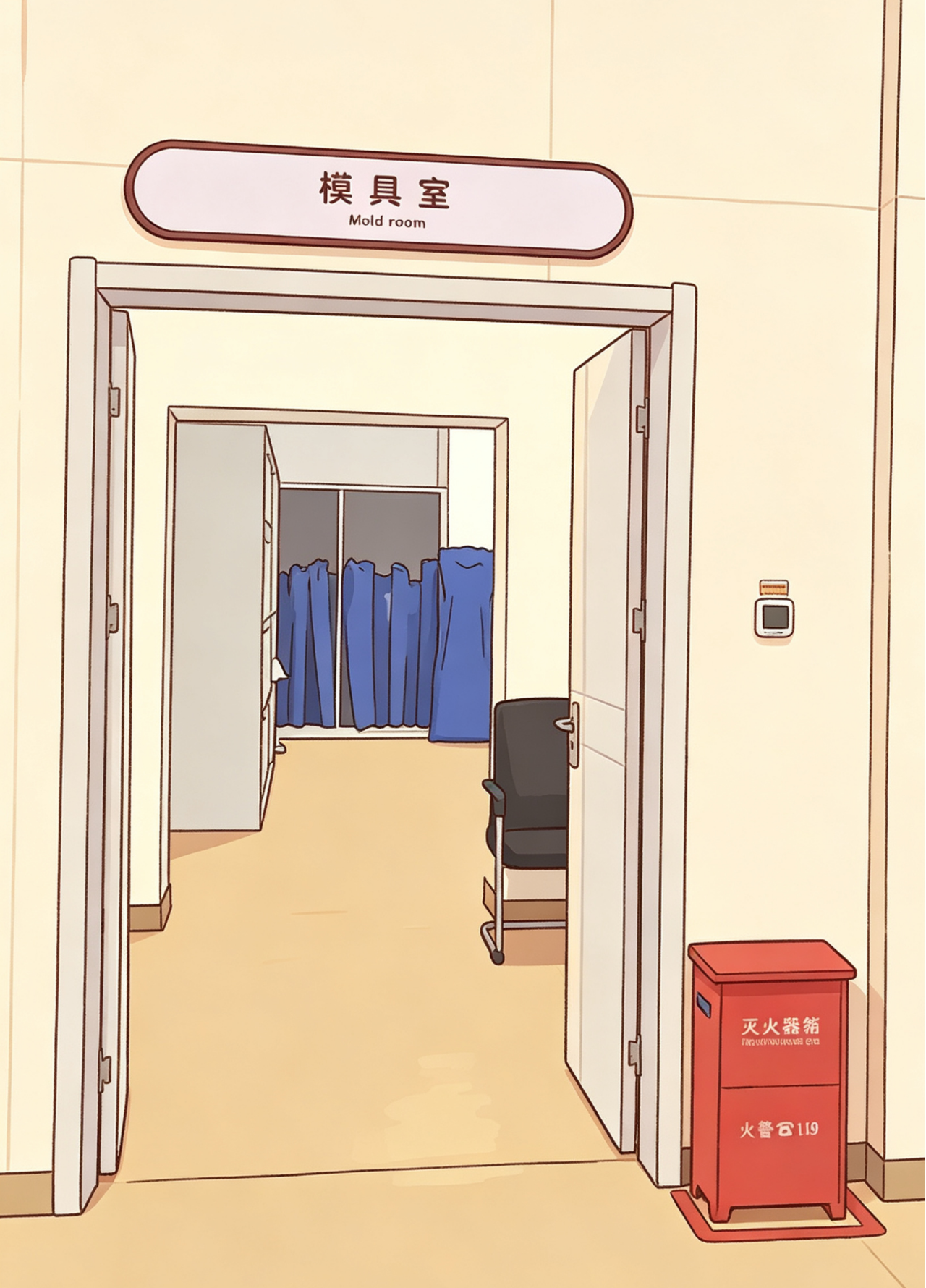
What exactly is a radiotherapy mold?
Radiotherapy molds are custom‑made immobilization devices created for each patient based on their tumor location, body shape, and treatment position — essentially a personalized "positioning armor" for the body. They serve two core purposes, which are essential throughout the entire treatment course:
- Minimizing micro‑movement: Locking the body in place to prevent displacement caused by breathing, muscle twitching, or involuntary shifting;
- Reproducing positioning: Ensuring that the position, angle, and body contour remain exactly the same from the initial simulation through every subsequent treatment session.
Every radiotherapy mold is made specifically for one patient and cannot be shared or reused. It is the most fundamental and essential equipment safeguard for precision radiotherapy.
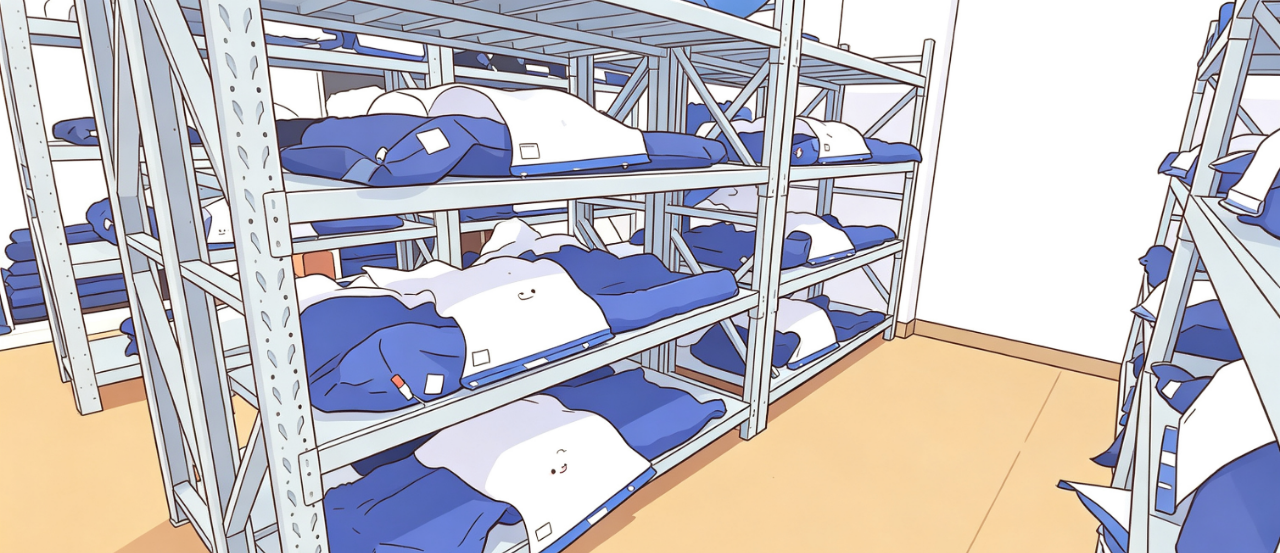
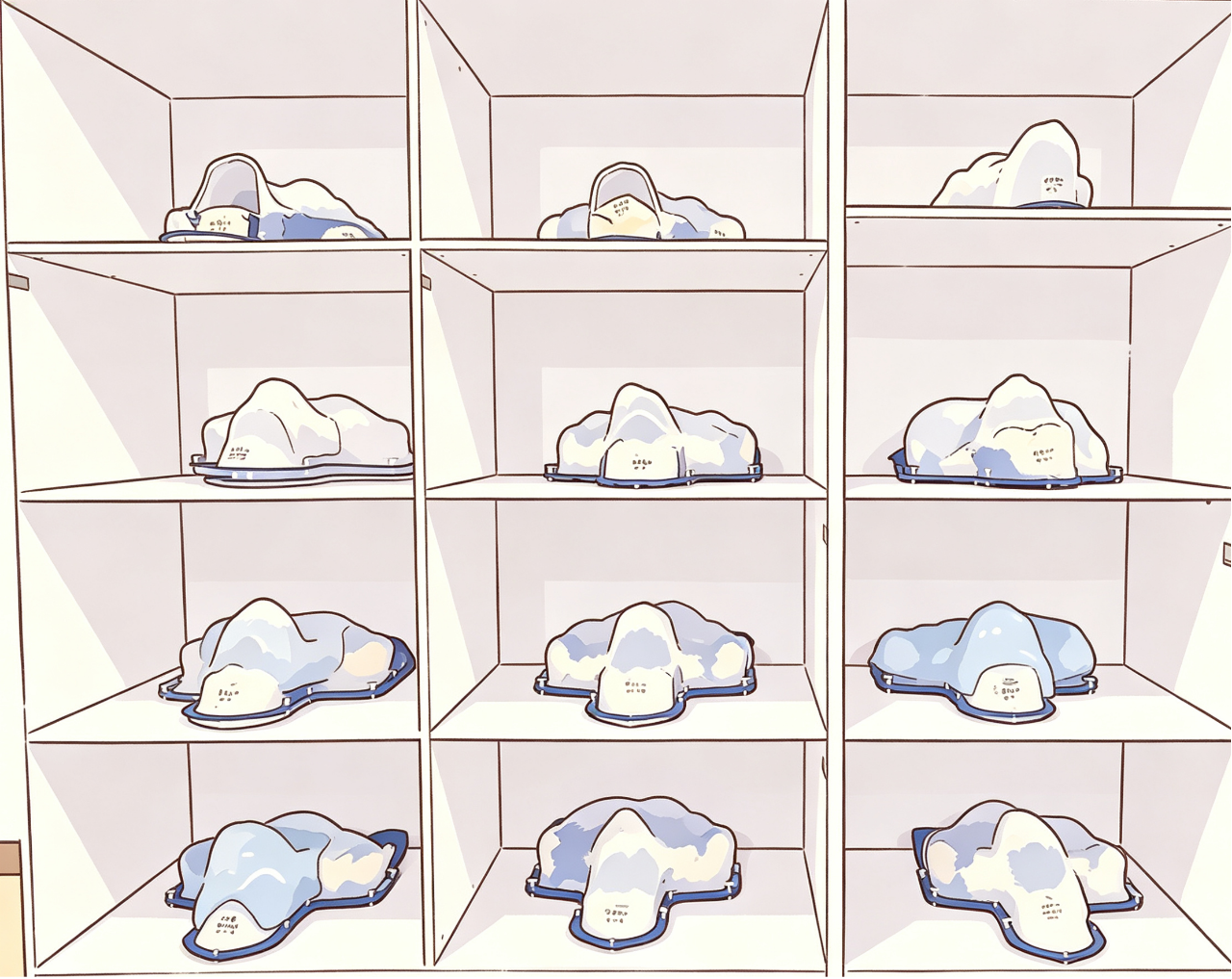
Commonly Used Radiotherapy Immobilization Devices in Clinical Practice
1. Thermoplastic Mask (Head, Neck, Body Mold) – The Most Commonly Used Precision Immobilization Device
This is the type of mold most patients encounter. It is made from medical‑grade thermoplastic polymer material. At room temperature, it is rigid and retains its shape; when heated, it becomes soft and pliable, allowing it to be molded to the patient's contours. It is safe, non‑irritating, and non‑radioactive.
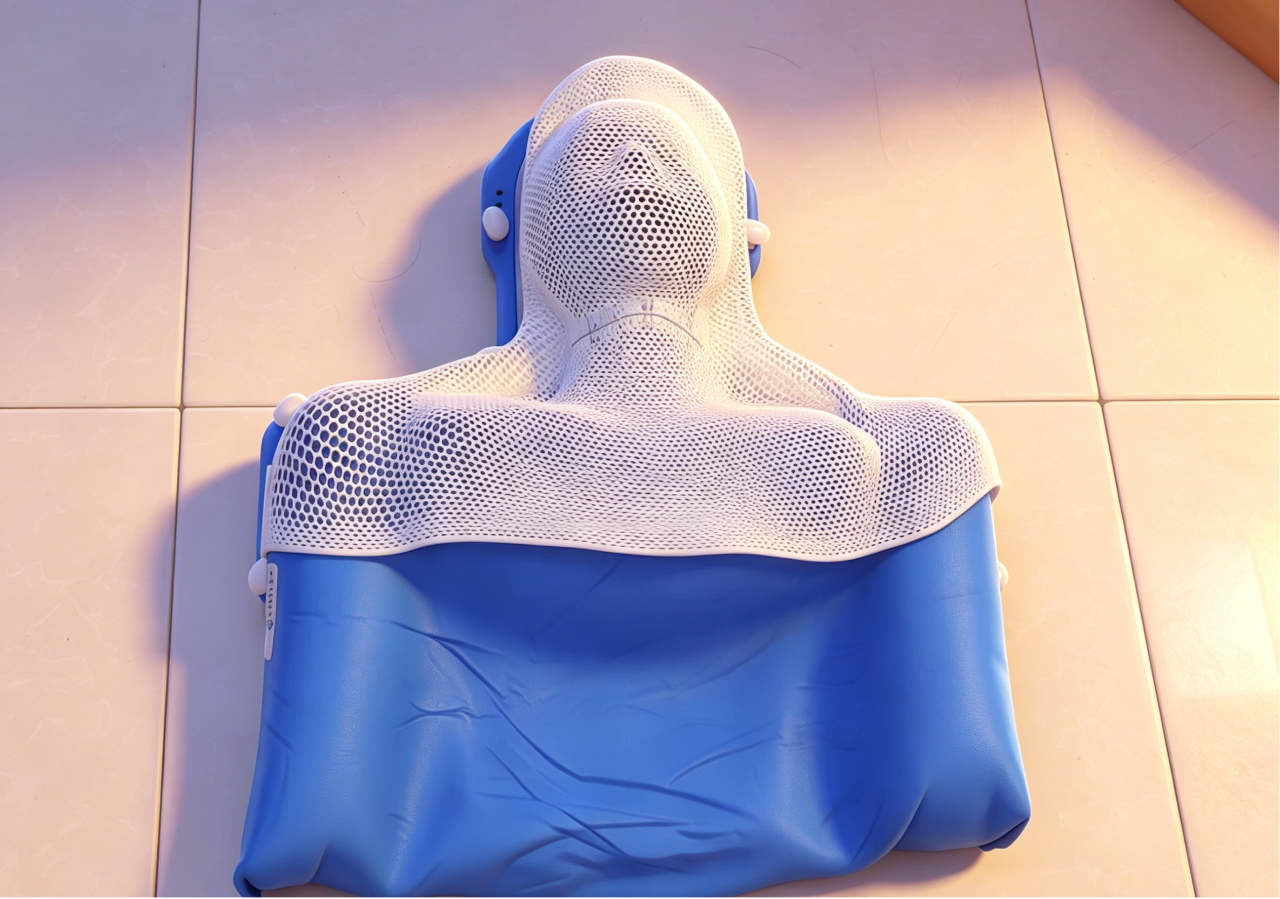
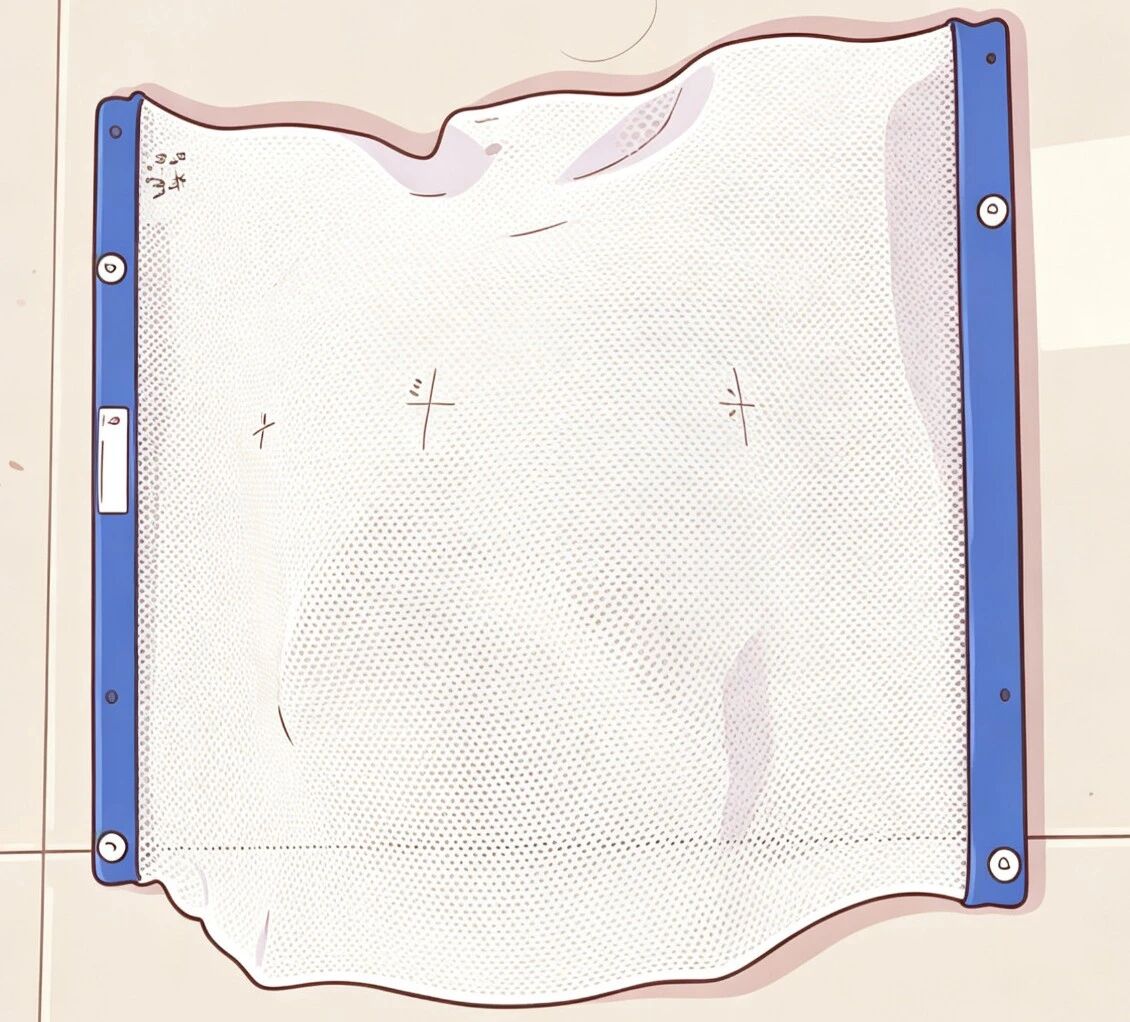
Advantages: Excellent conformability, precise immobilization, lightweight and breathable, with the best reproducibility.
Patient experience: The material is warm and soft during molding, and becomes stable and firm after cooling — comfortable, not constrictive, not stuffy, and highly safe.
2. Vacuum Cushion (Vacuum Bag) – Primary Immobilization Device for the Torso, Pelvis, and Limbs
The patient lies flat on the laid‑out soft cushion in the standard treatment position. A vacuum pump is then activated to evacuate the air from the cushion. The cushion conforms precisely to the contour of the patient's back, hips, and legs, then hardens and locks into shape, securely immobilizing the entire torso position.
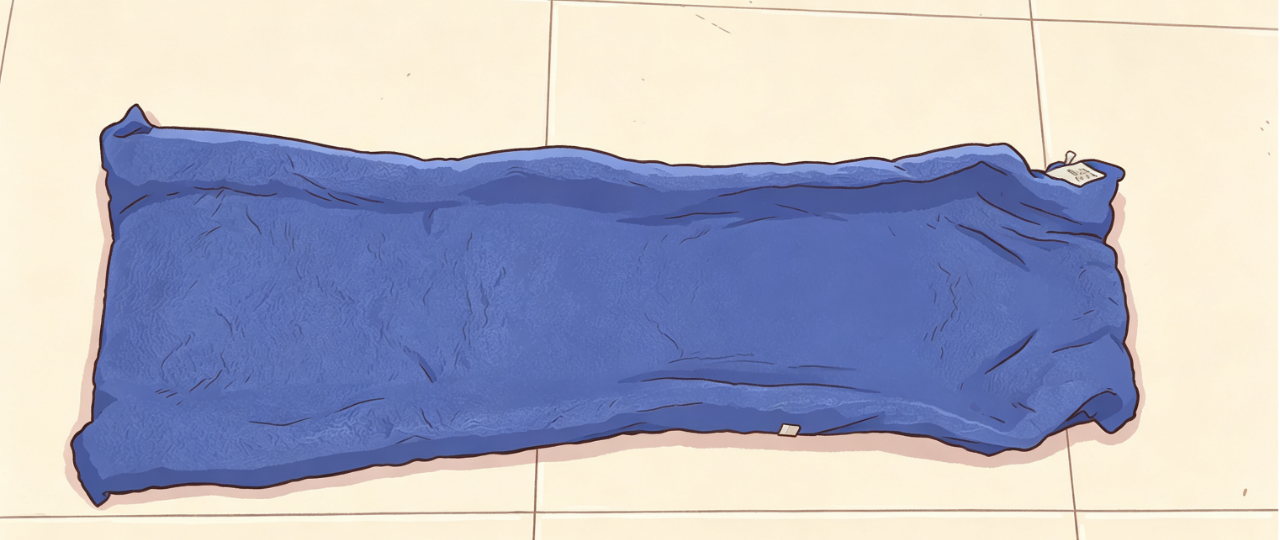
Advantages: Higher comfort, cushions lower back pressure, suitable for patients who are overweight, have back discomfort, or need to lie flat for extended periods.
Purpose: Addresses issues such as lower back suspension when lying flat, body tilting, and pelvic shift. When used in combination with a body mold, it provides dual immobilization.
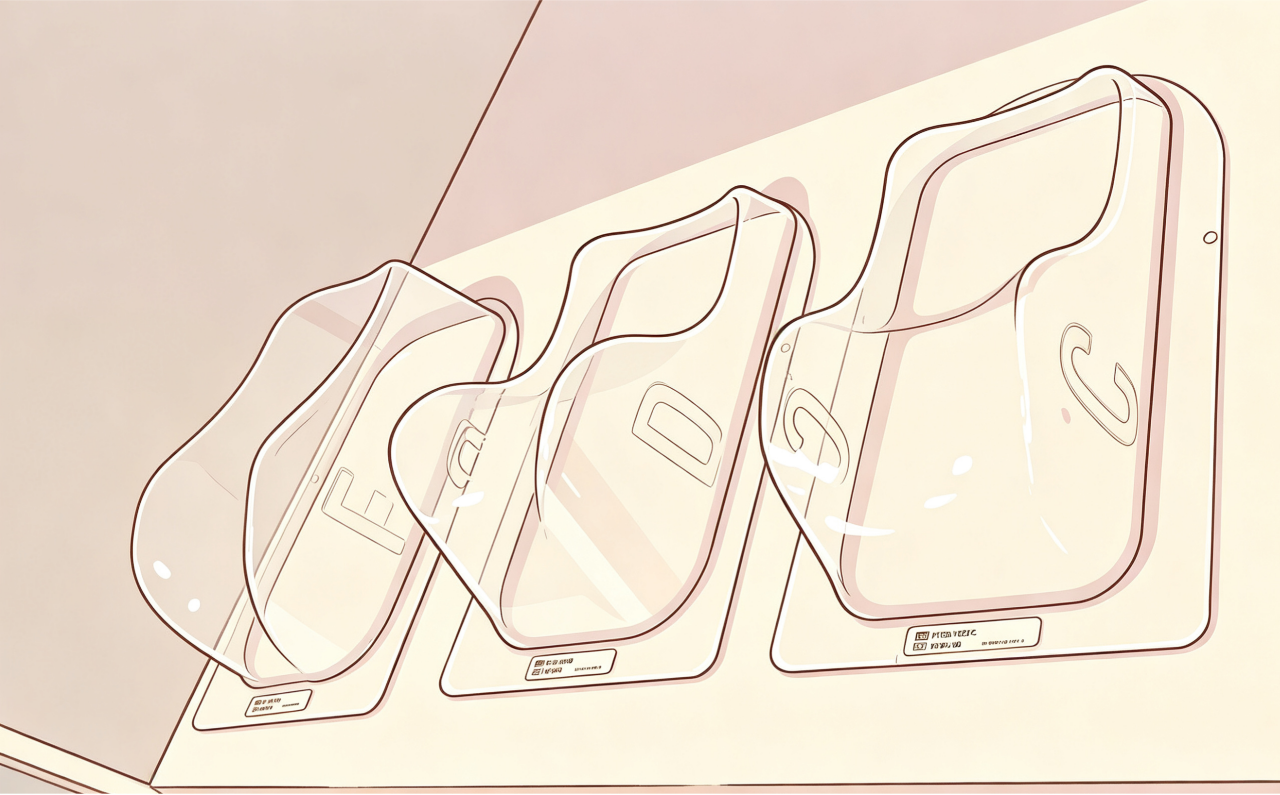
3. Dedicated Positioning Pillows and Fixation Brackets
These are auxiliary immobilization devices used in conjunction with thermoplastic masks and vacuum cushions. Specially contoured head pillows accommodate different head shapes, preventing vertical head displacement.
The Complete Process of Making a Radiotherapy Immobilization Device
- Positioning: The therapist guides the patient into the standard treatment position based on the treatment plan. Headrest and vacuum cushion adjustments are made to achieve the most relaxed, standardized, and sustainable position.
- Heating and molding: The thermoplastic mask is heated in a warm water bath until soft, then gently applied and conformed to the patient's body contours, with precise molding around facial features, bony landmarks, and torso contours.
- Cooling and hardening: The patient must remain completely still while the mold cools and hardens naturally. This takes approximately 10–15 minutes. Any movement during this time can cause distortion, leading to inaccurate positioning for all subsequent treatments.
- Marking and archiving: Once the mold is set, specific positioning marks are made and recorded. Each mold is assigned to a specific patient and stored for their exclusive use. For each subsequent radiotherapy session, the mold is used to reproduce the same treatment position.
Answers to Patients' Most Common Questions About Radiotherapy Molds
- The mold is made of medical‑grade safe materials — non‑toxic, non‑radioactive, and hypoallergenic. It is molded evenly to fit the body, without causing localized pressure on the skin. When applied properly, it will not cause injury.
- The mold is custom‑formed based on the positioning used during simulation. All subsequent treatments must be delivered in the same position. Any deviation will compromise treatment accuracy.
- The mold only secures the body position; it does not restrict normal physiological activities. Natural breathing, slight blinking, and slow swallowing are not affected. There is no need to hold your breath or remain rigidly tense.
- All molds are uniformly numbered, cleaned, stored, and maintained by the hospital. Before each treatment session, the therapist will have the mold ready — patients do not need to carry or manage it themselves.
Writer: Zhang Zhengdong
First Review: Liu Qiong
Second Review: Guo Yishan
Third Review: Cai Qinghua