Don't Ignore Swollen Superficial Lymph Nodes – They Could Be Warning Signs of Underlying Disease
Don't Ignore Swollen Superficial Lymph Nodes – They Could Be Warning Signs of Underlying Disease
Have you ever had this experience? When you have a cold, fever, sore throat, or toothache, you may feel small, pea‑sized, movable "bumps" in your neck, under your chin, or behind your ears — and they may even be a bit tender when pressed. These are your body's loyal "sentries" — your lymph nodes — signaling that inflammation is present.
1. Understanding Lymph Nodes Correctly
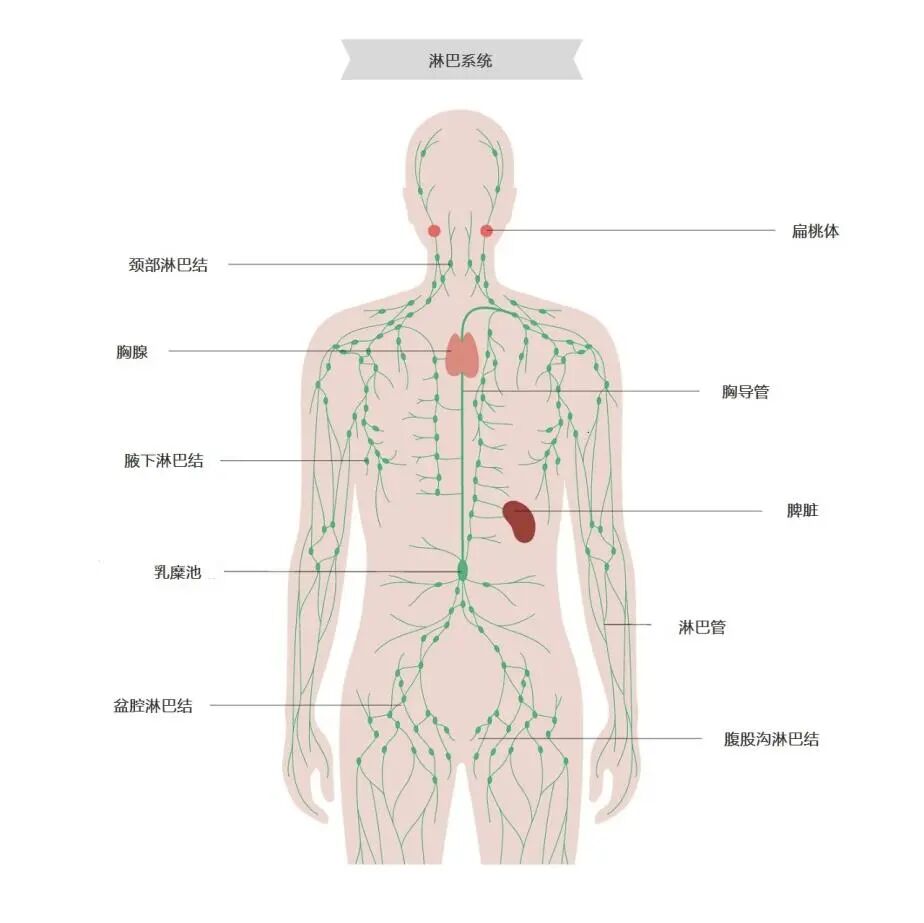
Lymph nodes are important immune organs in the human body. Normally, there are about 500 to 600 lymph nodes in the body. Based on their location, they can be divided into two categories:
Superficial lymph nodes – including those in the head and neck area (preauricular, postauricular, occipital, submandibular, submental, anterior cervical, posterior cervical, and supraclavicular), the upper limbs (axillary and epitrochlear lymph nodes), and the lower limbs (inguinal and popliteal lymph nodes).
Deep lymph nodes – located near internal organs (e.g., hilar, hepatic, splenic, and mesenteric regions), around major blood vessels (e.g., para‑aortic lymph nodes), and within deep body cavities (e.g., mediastinal, abdominal, and retroperitoneal lymph nodes).
Normal lymph nodes are typically 0.2 to 0.5 cm in diameter, grouped in clusters, soft, smooth, non‑tender, and mobile. Apart from occasionally feeling one or two nodes in the submandibular, inguinal, or axillary areas, most lymph nodes are not palpable.

2. Why Do Lymph Nodes Enlarge?
Lymph nodes are vital components of the body's immune system, functioning like "border outposts" distributed throughout the body. When there is an "invasion by foreign enemies" (such as viral or bacterial infections) or "internal rebellion" (such as tumor cells) in a nearby area, the nodes activate their defense mechanisms. The lymphocytes inside proliferate rapidly, causing the lymph nodes to enlarge. Therefore, "lymph node enlargement" is the body's distress signal — an "early warning sign" of disease that should never be overlooked!
3. Causes of Lymph Node Enlargement
1. Infectious Causes
Infection is the most common cause of lymph node enlargement. When the body is invaded by pathogens — such as bacteria, tuberculosis, viruses, or parasites — lymph nodes trigger an immune response in an attempt to eliminate these "invaders." For example, throat infections may cause cervical lymph node enlargement; hand infections may lead to axillary lymph node enlargement; and foot infections may result in inguinal lymph node enlargement.
2. Immune Reactions
Certain autoimmune diseases, such as rheumatoid arthritis, Behçet's disease, and systemic lupus erythematosus, can also cause lymph node enlargement.
3. Neoplastic (Tumor‑Related) Causes
Tumor cells can invade lymph nodes, causing them to enlarge. For example, lymphoma — a malignancy originating from the lymphatic system — typically presents with painless lymph node enlargement. In addition, malignant tumors from other sites can metastasize to lymph nodes via the lymphatic system, leading to lymphadenopathy. In some cases, the earliest sign of a solid tumor, such as lung cancer or gastric cancer, may be enlarged supraclavicular lymph nodes.
4. What Should I Do If I Find Enlarged Lymph Nodes?
1. Don't Panic
The majority of lymph node enlargements are caused by common infections.
2. Learn Basic Self‑Examination:
- Size: Is the diameter larger than 1–1.5 cm?
- Number and distribution: Single or multiple? Localized or generalized? Beaded or matted (clustered/fused)?
- Palpation findings: Is the surface smooth? Is it hard? Is it fixed (immobile)?
3. Seek Medical Attention Promptly
If you notice any of the following "red flags," see a doctor immediately:
- Painless, progressive enlargement of lymph nodes
- Diameter > 1.5 cm, hard in consistency, fixed (adherent to surrounding tissue)
- Accompanied by fever, night sweats, or unexplained weight loss
- Accompanied by generalized pruritus (itching) and progressive weight loss
- Accompanied by fever and significant bone pain
- Lymph node enlargement persisting for more than 2 weeks without signs of regression
5. What Are Some Common Lymph Node‑Related Diseases?
- Lymphadenitis (most commonly caused by bacterial or viral infections)
- Reactive lymph node hyperplasia
- Tuberculosis / tuberculous lymphadenitis
- Necrotizing lymphadenitis (Kikuchi‑Fujimoto disease, KFD)
- Malignant lymphoma (Hodgkin lymphoma, HL; non‑Hodgkin lymphoma, NHL)
- Solid tumors
- Lymph node metastases from solid tumors
- Rare diseases: Castleman disease, Langerhans cell histiocytosis, etc.
6. What to Expect During a Hospital Workup
When you notice lymph node enlargement, it is essential to undergo appropriate diagnostic tests. Accurate diagnosis before treatment is the key.
- Seek medical attention: Visit a hematology, rheumatology/immunology, or medical/surgical oncology outpatient clinic at a regular hospital. "Let professionals handle professional matters." Finding the right specialist can save time and unnecessary detours.
- Routine tests: Complete blood count and laboratory tests, ultrasound, and X‑ray are standard initial examinations.
- Advanced imaging: CT, MRI, and PET/CT may be used for further evaluation.
- Confirmatory tests: Lymph node biopsy is the definitive diagnostic procedure (preferably by surgically removing an intact superficial lymph node). Bone marrow aspiration and biopsy are used to determine whether tumor cells have infiltrated the bone marrow — these are performed by hematology specialists with expertise and safety. Patients can resume normal activity immediately after the procedure.
- Do not delay treatment: Accurate diagnosis and targeted treatment are critical to avoid disease progression.
- Avoid unproven remedies: Do not rely on folk remedies, secret formulas, or unverified traditional treatments for lymph node enlargement. They can delay proper care and lead to serious consequences.
7. Key Points for Daily Lymph Node Care
1. Prevent infections: Maintain good personal hygiene, avoid bacterial and viral infections, and prevent skin breaks from becoming inflamed.
2. Avoid frequent pressing or massage: Repeated stimulation of lymph nodes can actually cause them to become enlarged.
3. Avoid exposure to harmful substances: Hair dyes, pesticides, construction materials, secondhand smoke, and other toxins can impair the immune system and lead to abnormal lymph node enlargement.
4. Maintain a positive mood and healthy lifestyle: Avoid chronic stress, get adequate rest, breathe fresh air, and eat plenty of fresh fruits — all of which help strengthen immunity and support lymph node health.
Department of Medical Oncology / Hematology
Department Introduction
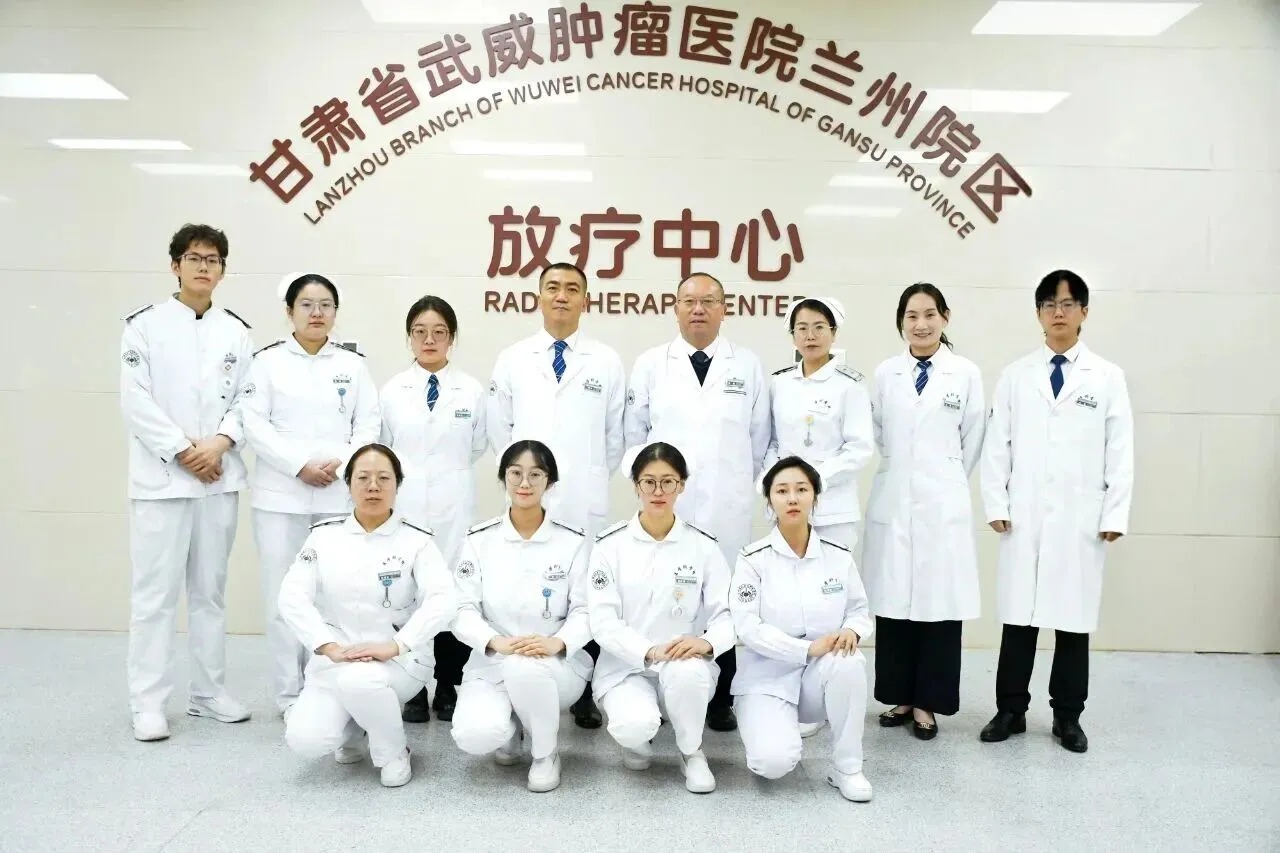
The Department of Medical Oncology / Hematology at the Lanzhou Campus of Gansu Wuwei Cancer Hospital was established in May 2025 as a regional specialty department. The department features a well-structured professional team, mature diagnostic and treatment techniques, and comprehensive equipment. It includes a specialized inpatient ward, outpatient clinic, and a Hematology Center Laboratory. The inpatient unit is equipped with 30 fixed beds, one cell apheresis treatment bed, and two Class 100 laminar flow beds. The department specializes in the precise diagnosis and treatment of hematologic diseases such as leukemia, lymphoma, and multiple myeloma, as well as solid tumors including lung cancer, gastric cancer, colorectal cancer, and breast cancer. It excels in the management of refractory and relapsed cases and the treatment of complications arising from radiotherapy and chemotherapy. Leveraging MICM-based precise diagnostics, personalized treatment plans, and laminar flow wards, the department provides refined medical care and comprehensive, full-cycle health support to safeguard the health of the regional population.
Physician Team
The department is led by Professor Pan Ming, a First‑Grade Chief Physician and Chief Expert. The medical team consists of 12 healthcare professionals, including 1 chief physician, 1 associate chief physician, 1 attending physician, and 3 resident physicians (among whom 1 holds a Ph.D. and 3 hold master’s degrees), along with 6 charge nurses and registered nurses. The team has a well-structured talent echelon with solid professional expertise. With extensive clinical experience in the field of oncology and hematology, the team skillfully applies cutting-edge techniques such as chemotherapy, targeted therapy, immunotherapy, and integrated traditional Chinese and Western medicine to precisely diagnose and treat various benign and malignant tumors and hematologic disorders. With rigorous medical skill, they customize individualized treatment plans for each patient, safeguarding their health.
Treatment Philosophy
Patient-centered, precision‑focused, and efficacy‑driven. The department places equal emphasis on professional diagnosis/treatment and humanistic care. Relying on advanced technology and standardized practices, it provides every patient with individualized, refined, and compassionate medical services, dedicating responsibility and expertise to protecting patients’ lives and health.
Medical Resources
The Hematology Center Laboratory provides same‑day diagnostic services through bone marrow cell morphology analysis and also offers MICM‑based precision typing technologies including bone marrow pathology, flow cytometry, chromosome analysis, and mutation gene testing. The inpatient unit is equipped with standardized laminar flow wards, providing a safe and clean environment for high‑dose chemotherapy and hematopoietic stem cell transplantation. The department routinely performs cutting-edge procedures such as blood cell separation apheresis, plasma exchange, and adult unrelated cord blood hematopoietic stem cell transplantation. With advanced equipment and comprehensive technical capabilities, the department provides solid hardware and technical support for precise diagnosis and treatment as well as the management of severe and complex conditions.
Address: 11th Floor, Inpatient Building, Lanzhou Campus of Gansu Wuwei Cancer Hospital (No. 100 Yanbei Road, Chengguan District, Lanzhou City)
Writer: Pan Ming
First Review: Liu Qiong
Second Review: Guo Yishan
Third Review: Cai Qinghua