Warning! When “Fever” Strikes, It Could Be the First Sign of a Blood Cancer!
Warning! When “Fever” Strikes, It Could Be the First Sign of a Blood Cancer!
Dear friends, today we aren’t talking about music—we’re talking about a different kind of “heat” that demands your full attention: the kind that lingers, confuses, and simply won’t let go. I’m a hematologist, and my job is to manage the body’s most vital “transport network”—your blood. Here’s what you need to know: Fever isn’t always just a cold. Sometimes, it’s the first “warning dispatch” sent by the hidden mastermind of blood cancers.
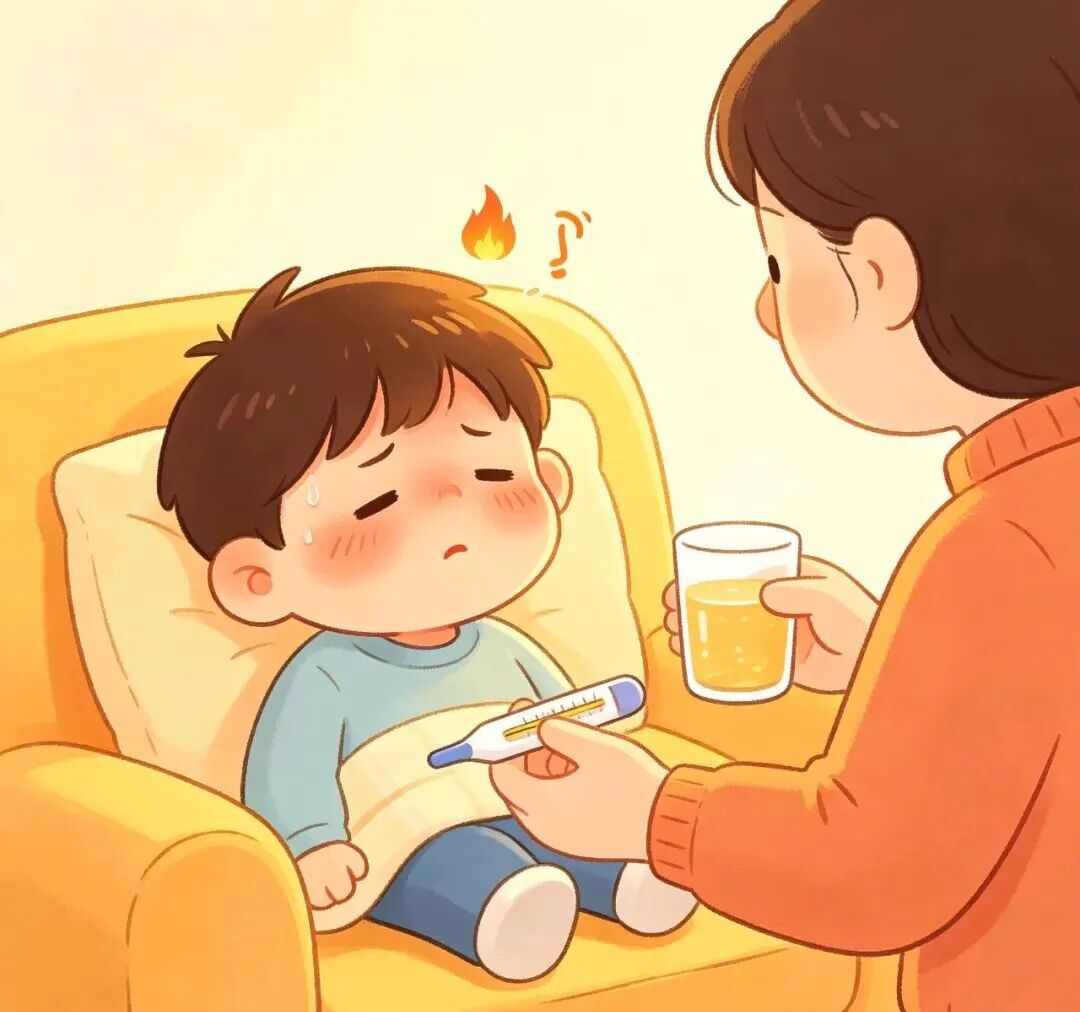
Think of fever as your body’s beacon tower.
Under normal circumstances, a fever means your immune system is mobilizing forces to fight off invading viruses or bacteria. Like lighting signal fires when enemies approach the border, your body rallies troops, wins the battle, and peace is restored once the fever breaks. But when fever is caused by blood cancers—such as leukemia, lymphoma, myeloma, or hemophagocytic syndrome—the plot thickens. It often looks more like this:
1. The “Palace Coup” (Leukemia):
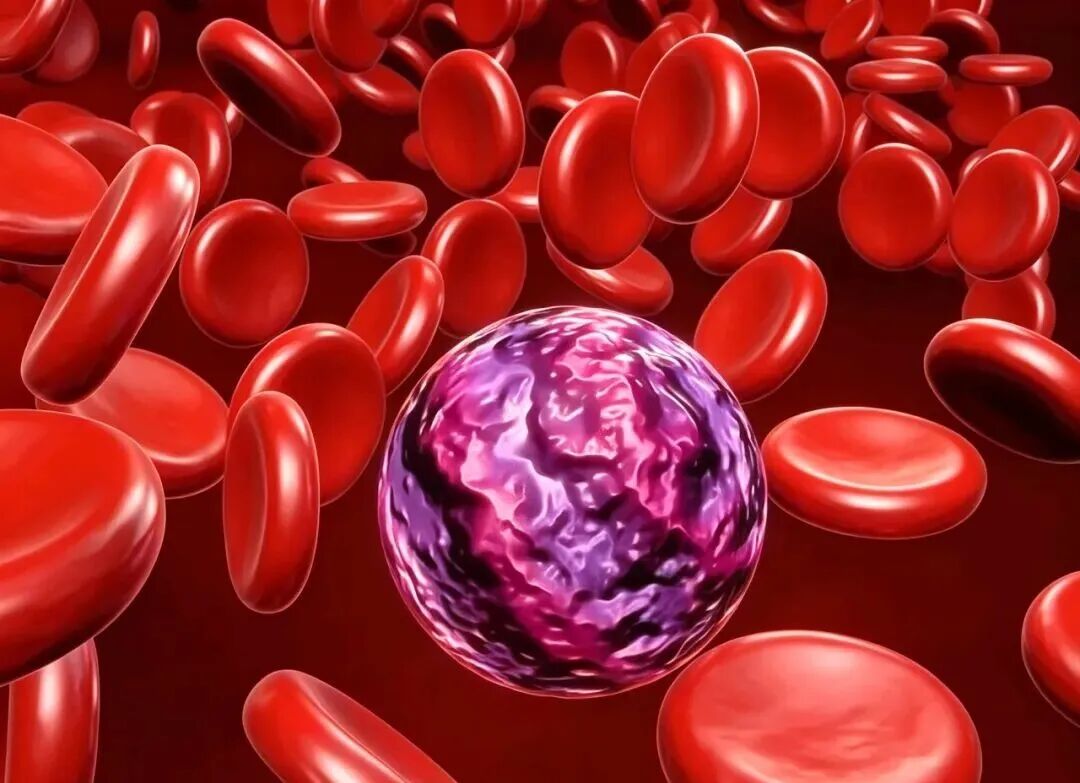
Inside your bone marrow—the “imperial palace” of blood production—immature “rebel” cells (leukemic blasts) multiply uncontrollably. They crowd out healthy, functional white blood cells—your rightful “imperial guards.” With defenses crippled, even minor bacterial or viral invaders can wreak havoc, causing infectious fevers. Worse still, those “rebels” sometimes release pyrogens themselves, directly igniting the beacon. We call this a “tumor fever.”
2. The “Sleeper Cell Network” (Lymphoma):
Your lymphatic system is your body’s internal “security patrol.” Lymphoma cells act like covert agents embedded throughout the network. As they cluster into masses, they secrete inflammatory cytokines that hijack the brain’s thermostat, raising your core temperature. This kind of fever often appears and vanishes without warning—erratic and puzzling.
So, when should you sound the alarm?
To be clear, 99% of fevers are due to common infections. But if you or a loved one experience a fever with any of these “red-flag” patterns, it’s time to consult a hematologist:
- The Relentless Type: Fever keeps returning for over two weeks. Antibiotics or antivirals barely make a dent. It clings like a stubborn burr you can’t shake.
- The Elusive Type: No clear source of infection can be found. No cough or runny nose (lungs clear), no diarrhea (gut clear), no painful urination (urinary tract clear)—yet the fever persists, unexplained.
- The “Symptom Bundle”: Fever arrives with unwelcome extras, such as: Drenching night sweats: Soaking sleepwear and sheets—not mere overheating. Unintended weight loss: Dropping pounds rapidly without dieting. Debilitating fatigue: A profound exhaustion that never lifts. Painless lymph node swelling: “Lumps” appearing in the neck, armpits, or groin. Easy bruising or bleeding: Unexplained bruises, gum bleeding, or nosebleeds.
What should you do?
Stay calm—but act wisely:
- Don’t play doctor: Avoid self-medicating with antibiotics or antipyretics at the first sign of fever. That’s like silencing a fire alarm while the building burns—pure self-deception.
- Call in the scouts: Visit a general practitioner or internist at a reputable hospital. Start with the simplest yet most revealing test: a complete blood count (CBC). To a hematologist, this report reads like decoded intelligence—it flags abnormalities in white cells, red cells, and platelets instantly.
- Trust the specialists: If the CBC shows irregularities—or if symptoms strongly suggest trouble—your doctor may refer you to hematology. We may deploy deeper “investigations,” such as bone marrow aspiration or lymph node biopsy, to unmask the true culprit.
In summary: Fever is your body’s alarm system. We cannot afford to ignore even a single “false alarm”—especially when the signal grows strange, persistent, and comes bundled with other warning signs. Remember: beyond pulmonology and infectious disease, there’s a specialty called hematology—expertly trained to unravel these complex puzzles.
A crucial reminder: Never fear a bone marrow exam! It is a routine, standard procedure—just like getting a chest X-ray or CT scan when pneumonia is suspected. Performed by skilled hematologists, it is safe, low-risk, and quick. Patients can stand and walk immediately after the procedure, with no functional limitations whatsoever.
Keep this vigilance. Most fevers turn out fine—but this awareness is the best insurance you can buy for your health.
Department of Medical Oncology & Hematology
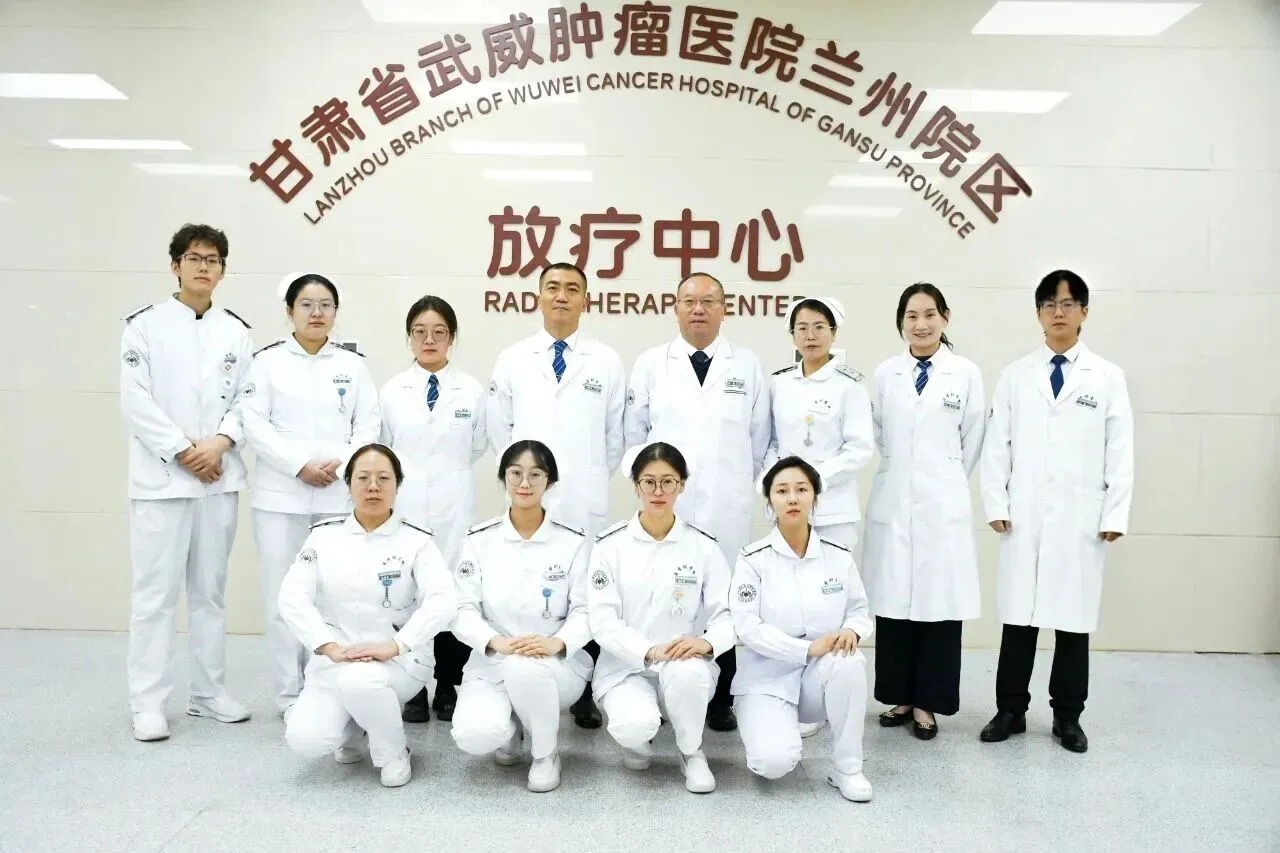
Department Profile
Established in May 2025, the Department of Medical Oncology & Hematology at the Lanzhou Campus of Gansu Wuwei Tumor Hospital is a regional specialty center of excellence. The department boasts a comprehensive professional structure, mature clinical expertise, and state-of-the-art equipment. It comprises a dedicated inpatient ward, outpatient clinics, and a Central Hematology Laboratory. The inpatient unit features 30 fixed beds, one therapeutic apheresis bed, and two laminar airflow rooms (Class 100). We specialize in the precision diagnosis and treatment of hematological malignancies—including leukemia, lymphoma, and myeloma—as well as solid tumors such as lung, gastric, colorectal, and breast cancers. Our team excels in managing refractory/relapsed cases and addressing complications arising from chemoradiotherapy. Leveraging MICM precision diagnostics, personalized treatment protocols, and a sterile laminar airflow environment, we deliver meticulous, nurse-led care and whole-cycle medical support, safeguarding the health of the regional population.
Medical Team
The department is led by Professor Pan Ming, a Chief Physician (Level I) and Distinguished Expert. Our current team consists of 13 healthcare professionals, including one Chief Physician, one Associate Chief Physician, one Attending Physician, and three Resident Physicians. Academic credentials include one MD (Doctor of Medicine) and four Master’s degree holders. Nursing staff comprises seven professionals, including Nurse-in-Charge and Registered Nurses. This well-structured talent pipeline ensures robust technical proficiency. With extensive clinical experience in oncology and hematology, the team is adept at deploying cutting-edge modalities—chemotherapy, targeted therapy, immunotherapy, and integrative Chinese-Western medicine. We formulate individualized treatment strategies with rigorous precision, placing patient health at the core of every decision.
Treatment Philosophy
Patient-centered. Precision-driven. Outcome-focused.
We uphold the dual pillars of professional excellence and humanistic care. Grounded in advanced technology and standardized protocols, we provide individualized, meticulous, and compassionate medical services to every oncology and hematology patient. With dedication and craftsmanship, we safeguard life and health.
Medical Capabilities
Our Central Hematology Laboratory provides same-day diagnostic services via bone marrow morphologic analysis. We integrate advanced MICM (Morphology, Immunology, Cytogenetics, Molecular biology) subtyping technologies, including bone marrow pathology, flow cytometry, karyotyping, and mutation gene sequencing. The inpatient ward is equipped with standardized laminar airflow rooms, ensuring a sterile environment for high-dose chemotherapy and hematopoietic stem cell transplantation (HSCT). We routinely perform frontier procedures such as therapeutic cytapheresis, plasma exchange, and adult unrelated cord blood stem cell transplantation. These advanced capabilities provide robust technological and infrastructural support for precision medicine and the management of critical/complex cases.
Location: 11th Floor, Inpatient Building, Lanzhou Campus of Gansu Wuwei Cancer Hospital
Author: Pan Ming
First Review: Liu Qiong
Second Review: Guo Yishan
Third Review: Cai Qinghua