There's a Type of Anemia Called Anemia of Chronic Disease
There's a Type of Anemia Called Anemia of Chronic Disease
Anemia of chronic disease (ACD), also known as anemia of inflammation, is a type of anemia that occurs secondary to underlying conditions such as chronic infections, malignancies, autoimmune diseases, or chronic kidney disease. It is the second most common form of anemia after iron deficiency anemia (IDA) and is the most frequently encountered anemia in hospitalized patients and those with chronic conditions.
ACD is not simply a matter of "nutritional deficiency." Rather, it is a pathological state driven by multiple mechanisms under chronic inflammatory conditions, including disordered iron metabolism, blunted erythropoietin (EPO) response, and shortened red blood cell lifespan. Clinically, ACD often presents as mild to moderate anemia, which can be easily masked by symptoms of the underlying disease. Differentiation from iron deficiency anemia requires careful assessment of iron metabolism parameters.
1. What Is Anemia of Chronic Disease (ACD)?
Anemia is a pathological condition characterized by a reduction in the circulating red blood cell mass, with hemoglobin (Hb), red blood cell count, or hematocrit falling below normal reference values. Among the many types of anemia, anemia of chronic disease (ACD) holds a distinct position:
- It is not an anemia of "deficiency." Unlike iron deficiency anemia, which is well‑known to the public, patients with ACD often do not lack iron — in fact, their iron stores are often normal or even elevated. The problem lies in the body's inability to utilize this iron effectively.
- It is a "defensive" response of the body. From an evolutionary perspective, ACD can be seen as an adaptive response to chronic illness. In the presence of infection or malignancy, the body actively limits free iron in the circulation to suppress the growth of iron‑dependent pathogens or tumor cells. The cost of this protective mechanism, however, is the development of anemia.
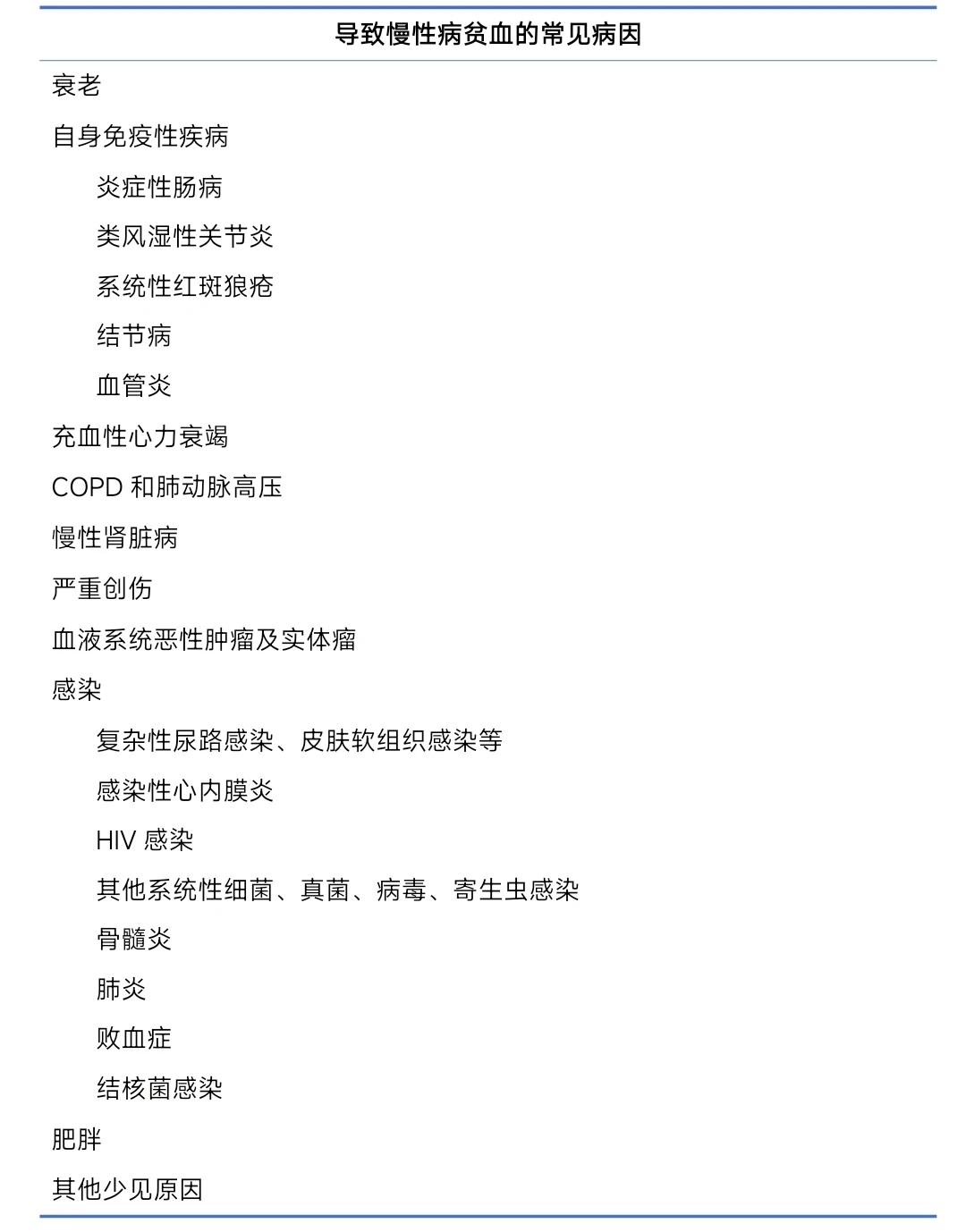
- It encompasses a broad spectrum of diseases. Traditionally, ACD was considered to occur only in the context of infections, inflammation, and tumors. However, modern research has shown that chronic kidney disease, diabetes, and even frailty in the elderly can also trigger ACD. Globally, more than 40% of anemia cases are either ACD or anemia with an ACD component.
2. Why Does Anemia of Chronic Disease (ACD) Occur?
The pathogenesis of ACD is complex. In simpler terms, it can be understood as "iron being locked away" and "the hematopoietic factory slowing down."
1. Disordered iron metabolism (iron is locked away): This is the core mechanism of ACD. Chronic inflammation stimulates the liver to produce a hormone called hepcidin. When hepcidin levels rise, it acts like a lock, shutting down the iron‑exporting protein ferroportin on the surface of cells. As a result, iron released from macrophages after they engulf aging red blood cells cannot enter the bloodstream, and iron absorbed from the gut is also unable to pass through. The result is low serum iron, while iron stores inside bone marrow and mononuclear cells remain high.
2. Relative insufficiency of erythropoietin (EPO): Under normal circumstances, anemia stimulates the kidneys to produce more EPO to promote blood cell production. In ACD, however, despite the presence of anemia, EPO production is suppressed by inflammatory cytokines (such as IL‑6 and TNF‑α), leading to EPO levels that are "inappropriately low" relative to the degree of anemia. In addition, the responsiveness of erythroid progenitor cells to EPO is also reduced.
3. Shortened red blood cell lifespan: In the inflammatory environment, red blood cells are more susceptible to destruction, with a slightly shortened survival time, further contributing to the anemia.
3. How Is ACD Recognized and Diagnosed?
The symptoms of ACD are often masked by the underlying disease, and because the anemia is typically mild to moderate, it can easily be overlooked.
1. Early recognition based on common presentations:
- General symptoms: Fatigue, weakness, dizziness, tinnitus, and difficulty concentrating — these are often the earliest signs of anemia.
- Symptoms of the underlying disease: For example, joint swelling and pain in patients with rheumatoid arthritis, worsening dyspnea in COPD patients, or weight loss in cancer patients. Notably, in COPD patients, those with concurrent ACD have significantly higher dyspnea scores and lower exercise tolerance than non‑anemic patients.P
- hysical signs: Pallor of the skin and mucous membranes is the most common physical finding.
2. Key differential points between ACD and IDA:
Since both conditions can present as microcytic, hypochromic anemia, accurate differentiation is essential. The following are the key distinguishing features based on authoritative literature:
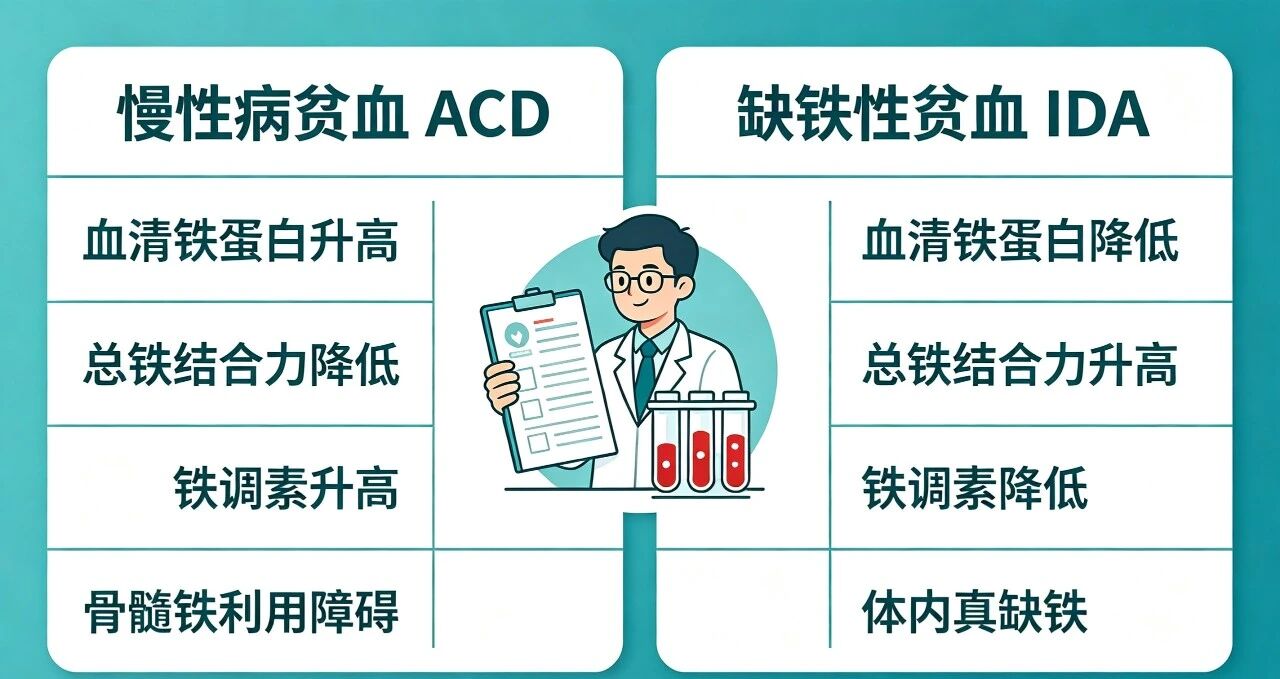
- Serum ferritin (SF) is the gold standard for reflecting iron stores; in ACD, it is elevated due to inflammation as an acute‑phase reactant.
- Serum iron is low in both conditions and cannot be used alone for differentiation.
- Total iron‑binding capacity (TIBC) is increased in IDA as a compensatory response, while in ACD it is decreased due to reduced transferrin synthesis.
- Soluble transferrin receptor (sTfR) is not affected by inflammation; it is significantly elevated in mixed ACD/IDA.
- Hepcidin is a key pathogenic factor in ACD and has high diagnostic value. In pure ACD, mean hepcidin levels can reach 143.85 ng/mL, while in IDA they are only 6.01 ng/mL.
- Bone marrow iron staining is the diagnostic gold standard; in ACD it shows "impaired iron utilization."
※※ Special note: Mixed anemia (ACD combined with IDA) is common in clinical practice. In such cases, serum ferritin may fall into a "gray zone" (30–100 ng/mL). Combined assessment of sTfR and hepcidin can help with accurate identification.
4. Treatment Principles and Recent Advances
The primary treatment goal for ACD is to control the underlying disease. When the underlying condition is effectively managed — for example, with the use of biologics in rheumatoid arthritis — the anemia often improves or even resolves. Specific measures for anemia itself include:
1. Etiological treatment: This is the cornerstone of ACD management.
2. Erythropoiesis‑stimulating agents (ESAs): For patients whose underlying disease cannot be fully controlled or who have significant anemia symptoms, supplementation with exogenous erythropoietin is a classic therapy. For example, roxadustat has been approved for anemia associated with chronic kidney disease. However, some patients may exhibit EPO resistance, and high‑dose use requires caution due to potential cardiovascular risks.
3. Iron supplementation: Only used when true iron deficiency is confirmed in combination with ACD. Iron supplementation alone is generally ineffective in pure ACD, as hepcidin blocks iron absorption and utilization.
4. Novel therapies: These include hepcidin inhibitors, IL‑6/R antibodies, roxadustat, and luspatercept. Hypoxia‑inducible factor prolyl hydroxylase inhibitors (such as desidustat) represent a breakthrough in recent years. By stabilizing HIF transcription factors, they promote endogenous EPO production while simultaneously downregulating hepcidin and enhancing iron absorption and utilization, thus overcoming the limitations of traditional EPO in the inflammatory environment. Desidustat was approved for marketing in China in March 2026 for anemia in chronic kidney disease.
5. Blood transfusion: Reserved for severe anemia or symptomatic hypoxia as an emergency measure — not for routine maintenance therapy.
5. Daily Recommendations for Patients
1. Do not supplement iron blindly: If you have a chronic inflammatory condition and have been found to have anemia, always have your iron status assessed by a doctor first. Blind iron supplementation is not only ineffective but may also cause iron overload and damage to organs.
2. Pay attention to the control of the underlying disease: Improvement in anemia is closely related to the activity of the underlying disease. Regular medication adherence and routine monitoring of inflammatory markers (such as CRP and ESR) are fundamental to correcting anemia.
3. Maintain moderate activity and a balanced diet: Although ACD is not caused by malnutrition, ensuring adequate protein and vitamin intake still supports overall health. Engage in moderate physical activity appropriate to your cardiopulmonary function, and avoid functional decline from prolonged inactivity.
4. Regular monitoring: Patients with chronic diseases should have regular blood count and iron metabolism tests to detect changes in anemia type early (e.g., from pure ACD to mixed anemia), allowing timely adjustment of treatment.
5. Include more blood‑building foods in your daily diet: Lean meats — especially red meats such as beef and lamb; seafood; legumes; dark green vegetables; dried fruits, nuts, and seeds; and whole grains.

Department of Medical Oncology / Hematology
Department Introduction
The Department of Medical Oncology / Hematology at the Lanzhou Campus of Gansu Wuwei Cancer Hospital was established in May 2025 as a regional specialty department. The department features a well-structured professional team, mature diagnostic and treatment techniques, and comprehensive equipment. It includes a specialized inpatient ward, outpatient clinic, and a Hematology Center Laboratory. The inpatient unit is equipped with 30 fixed beds, one cell apheresis treatment bed, and two Class 100 laminar flow beds. The department specializes in the precise diagnosis and treatment of hematologic diseases such as leukemia, lymphoma, and multiple myeloma, as well as solid tumors including lung cancer, gastric cancer, colorectal cancer, and breast cancer. It excels in the management of refractory and relapsed cases and the treatment of complications arising from radiotherapy and chemotherapy. Leveraging MICM-based precise diagnostics, personalized treatment plans, and laminar flow wards, the department provides refined medical care and comprehensive, full-cycle health support to safeguard the health of the regional population.
Physician Team
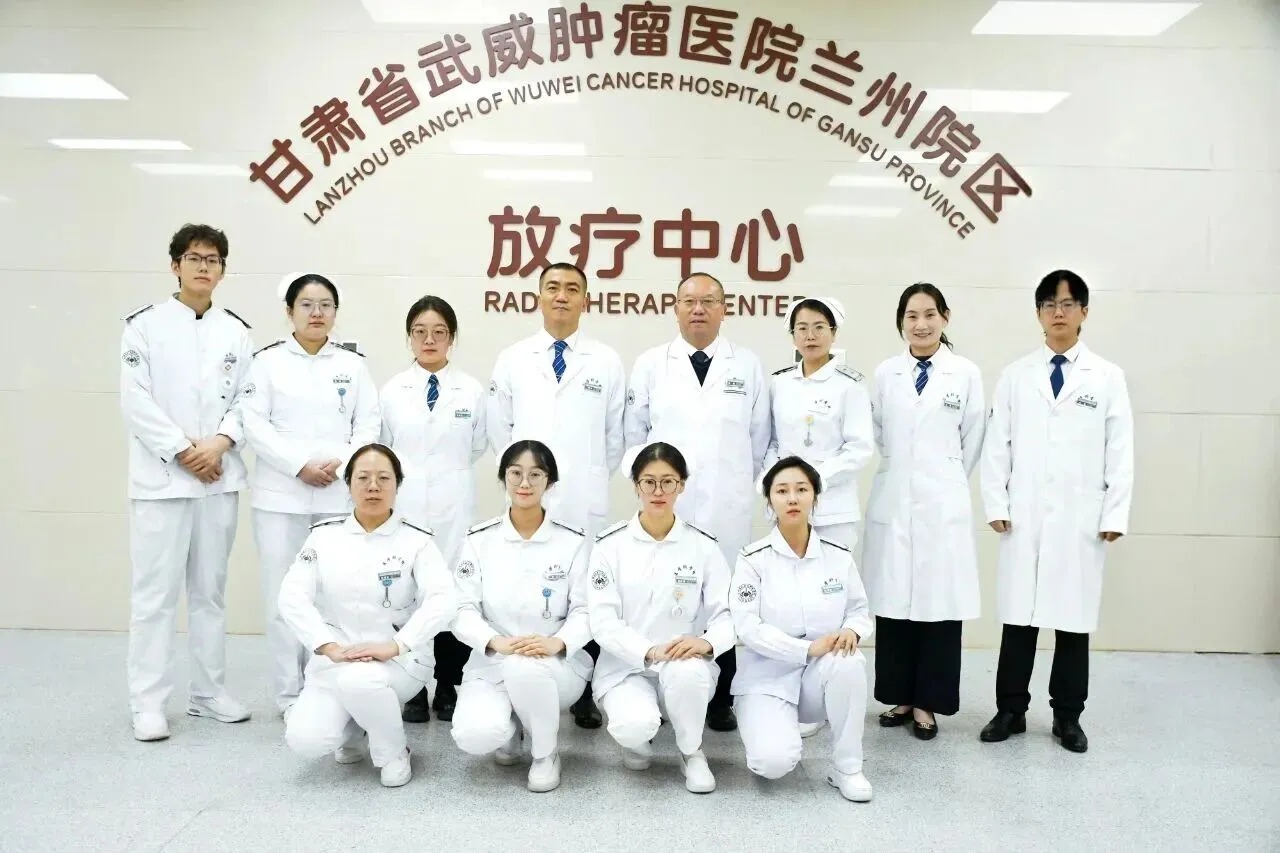
The department is led by Professor Pan Ming, a First‑Grade Chief Physician and Chief Expert. The medical team consists of 12 healthcare professionals, including 1 chief physician, 1 associate chief physician, 1 attending physician, and 3 resident physicians (among whom 1 holds a Ph.D. and 3 hold master’s degrees), along with 6 charge nurses and registered nurses. The team has a well-structured talent echelon with solid professional expertise. With extensive clinical experience in the field of oncology and hematology, the team skillfully applies cutting-edge techniques such as chemotherapy, targeted therapy, immunotherapy, and integrated traditional Chinese and Western medicine to precisely diagnose and treat various benign and malignant tumors and hematologic disorders. With rigorous medical skill, they customize individualized treatment plans for each patient, safeguarding their health.
Treatment Philosophy
Patient-centered, precision‑focused, and efficacy‑driven. The department places equal emphasis on professional diagnosis/treatment and humanistic care. Relying on advanced technology and standardized practices, it provides every patient with individualized, refined, and compassionate medical services, dedicating responsibility and expertise to protecting patients’ lives and health.
Medical Resources
The Hematology Center Laboratory provides same‑day diagnostic services through bone marrow cell morphology analysis and also offers MICM‑based precision typing technologies including bone marrow pathology, flow cytometry, chromosome analysis, and mutation gene testing. The inpatient unit is equipped with standardized laminar flow wards, providing a safe and clean environment for high‑dose chemotherapy and hematopoietic stem cell transplantation. The department routinely performs cutting-edge procedures such as blood cell separation apheresis, plasma exchange, and adult unrelated cord blood hematopoietic stem cell transplantation. With advanced equipment and comprehensive technical capabilities, the department provides solid hardware and technical support for precise diagnosis and treatment as well as the management of severe and complex conditions.
Address: 11th Floor, Inpatient Building, Lanzhou Campus of Gansu Wuwei Cancer Hospital (No. 100 Yanbei Road, Chengguan District, Lanzhou City)
Writer: Pan Ming
First Review: Liu Qiong
Second Review: Guo Yishan
Third Review: Cai Qinghua