Summer Heat Dissipates, Cool Breeze Rises – Health Preservation During the End of Heat
Summer Heat Dissipates, Cool Breeze Rises – Health Preservation During the End of Heat
"The summer heat clouds scatter one by one; a gentle cool breeze begins to rise." On August 23, we will welcome the "End of Heat" (Chùshǔ), the fourteenth of the twenty‑four solar terms. "End" means cessation — marking the point when the summer heat officially recedes and the warmth of summer gives way to the crisp clarity of autumn.
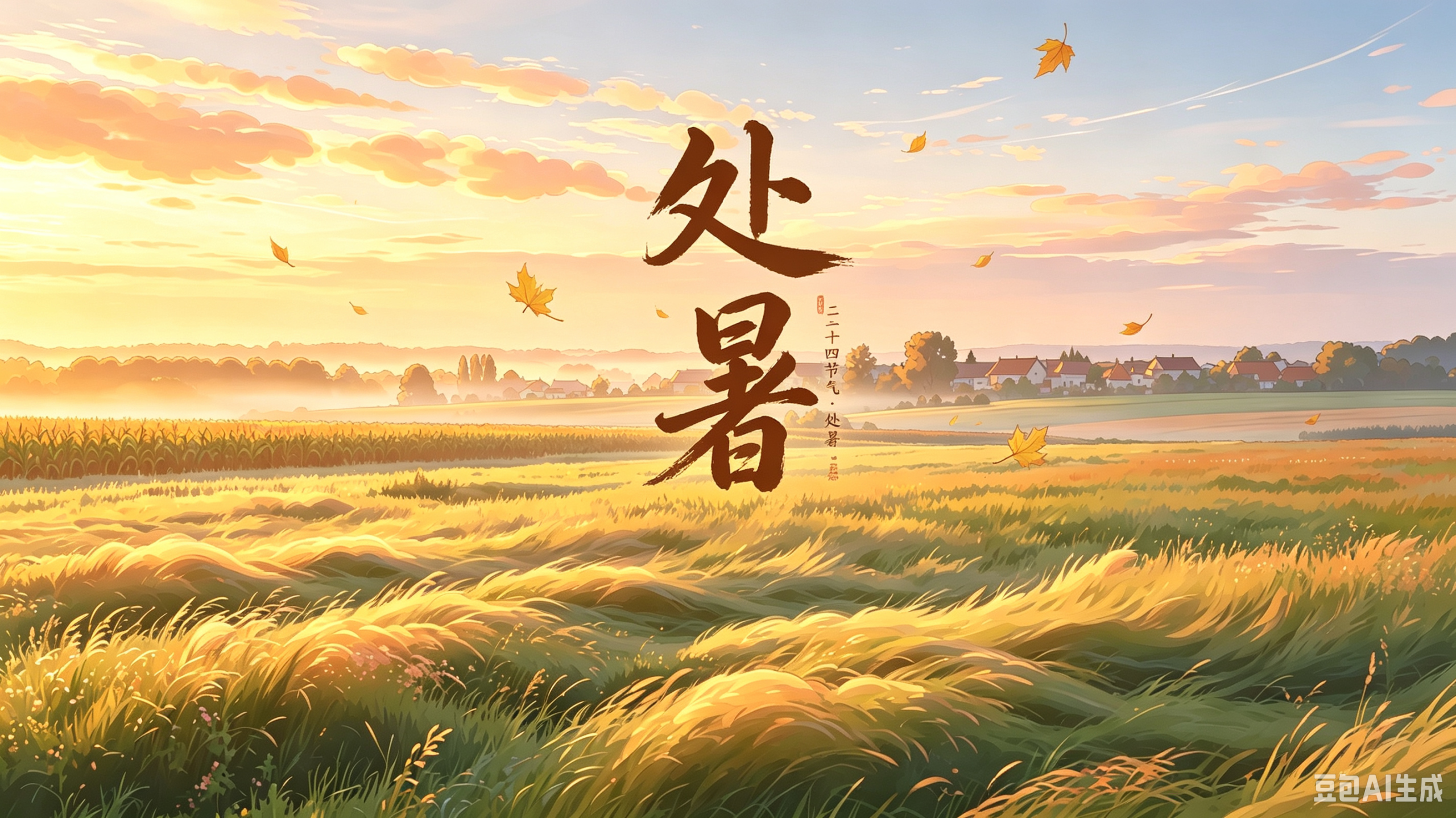
However, during this period, the so‑called "Autumn Tiger" often lingers, with residual daytime heat while coolness gradually sets in during the mornings and evenings. The temperature gap between day and night widens, and the climate shifts from damp heat to warm dryness. This alternating cold‑hot, warm‑dry pattern can easily leave the body feeling uncomfortable — tight skin, dry mouth and throat, and autumn fatigue. How can we align with the seasonal rhythm and build a strong foundation for health in autumn and winter? Here is a comprehensive wellness guide for everyone.
01 Dietary Care: Less Pungent, More Sour; Nourish Moisture First
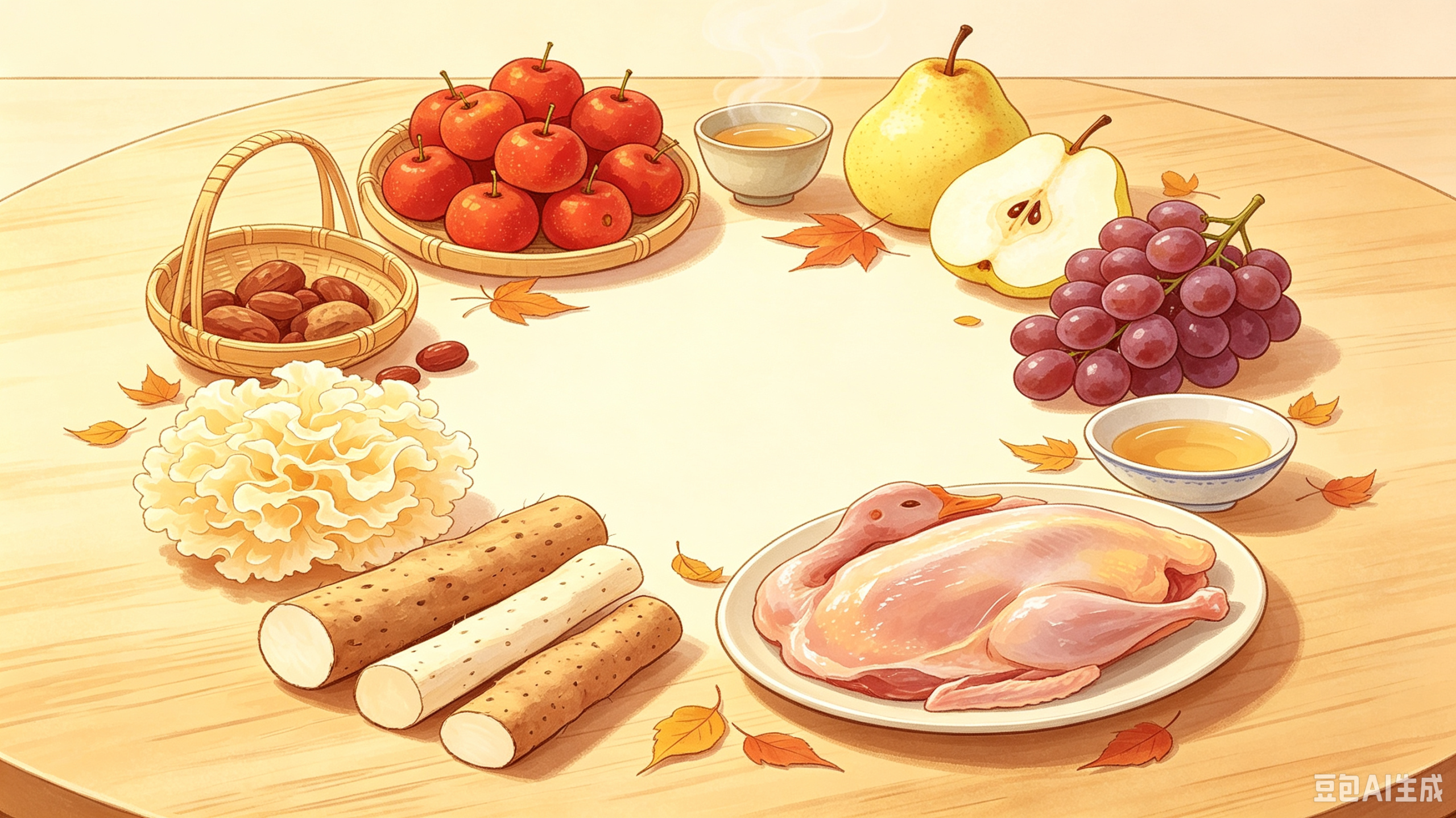
Autumn dryness impairs body fluids; combating dryness is the top priority.
- Favor sour over pungent: Reduce intake of pungent foods such as chili and ginger; instead, consume more sour foods like hawthorn, pomegranate, grapes, and pomelo to help converge lung qi.
- Eat more "white" foods: Lily bulb, white fungus, Chinese yam, pear, and lotus root are the most nourishing for the lungs. Duck meat, being cool in nature, is especially suitable at this time — as the saying goes, "Giving duck at End of Heat keeps every household healthy."
- Also address residual dampness: Cook porridge with coix seed (yi yi ren), adzuki beans, and fox nut (qian shi) to help clear lingering dampness and relieve bodily heaviness.
02 Daily Routine: Early to Bed, Early to Rise; Keep Warm and Guard Against Cold
' fill='%23FFFFFF'%3E%3Crect x='249' y='126' width='1' height='1'%3E%3C/rect%3E%3C/g%3E%3C/g%3E%3C/svg%3E)
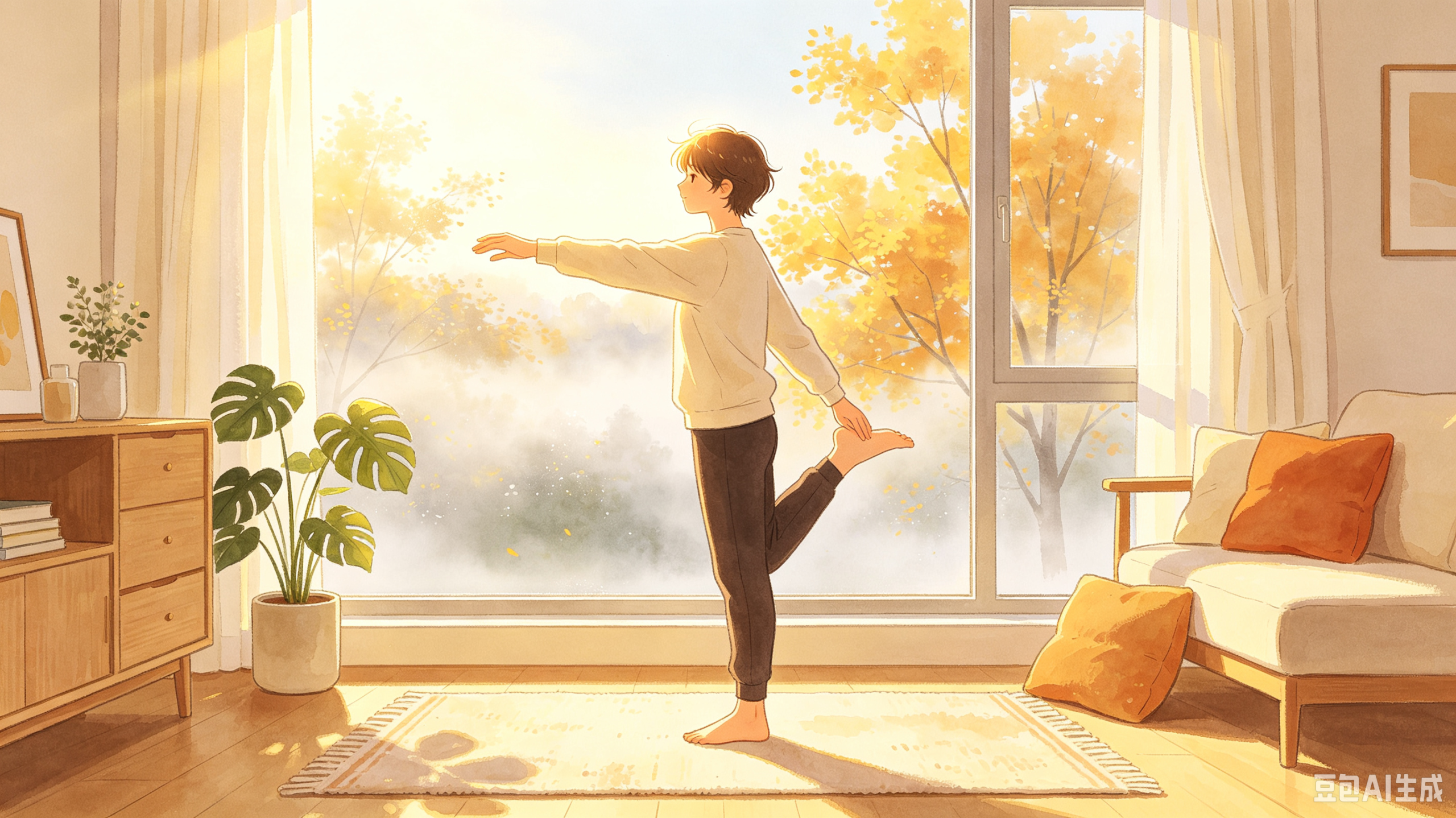
As yang qi begins to withdraw inward, "autumn fatigue" tends to set in.
- Rest well at noon and at night: Shift from late nights to early bedtimes and early rising. A 20‑ to 30‑minute nap at midday can calm the mind and nourish the spirit.
- Keep key areas warm: With large day‑night temperature differences, carry a light jacket when going out in the morning and evening to protect the head, neck, abdomen, and ankles from wind‑cold invasion. Cover up well at night and avoid excessive cooling.
03 Exercise and Emotional Well‑being: Moderation in Activity, Calmness in Spirit
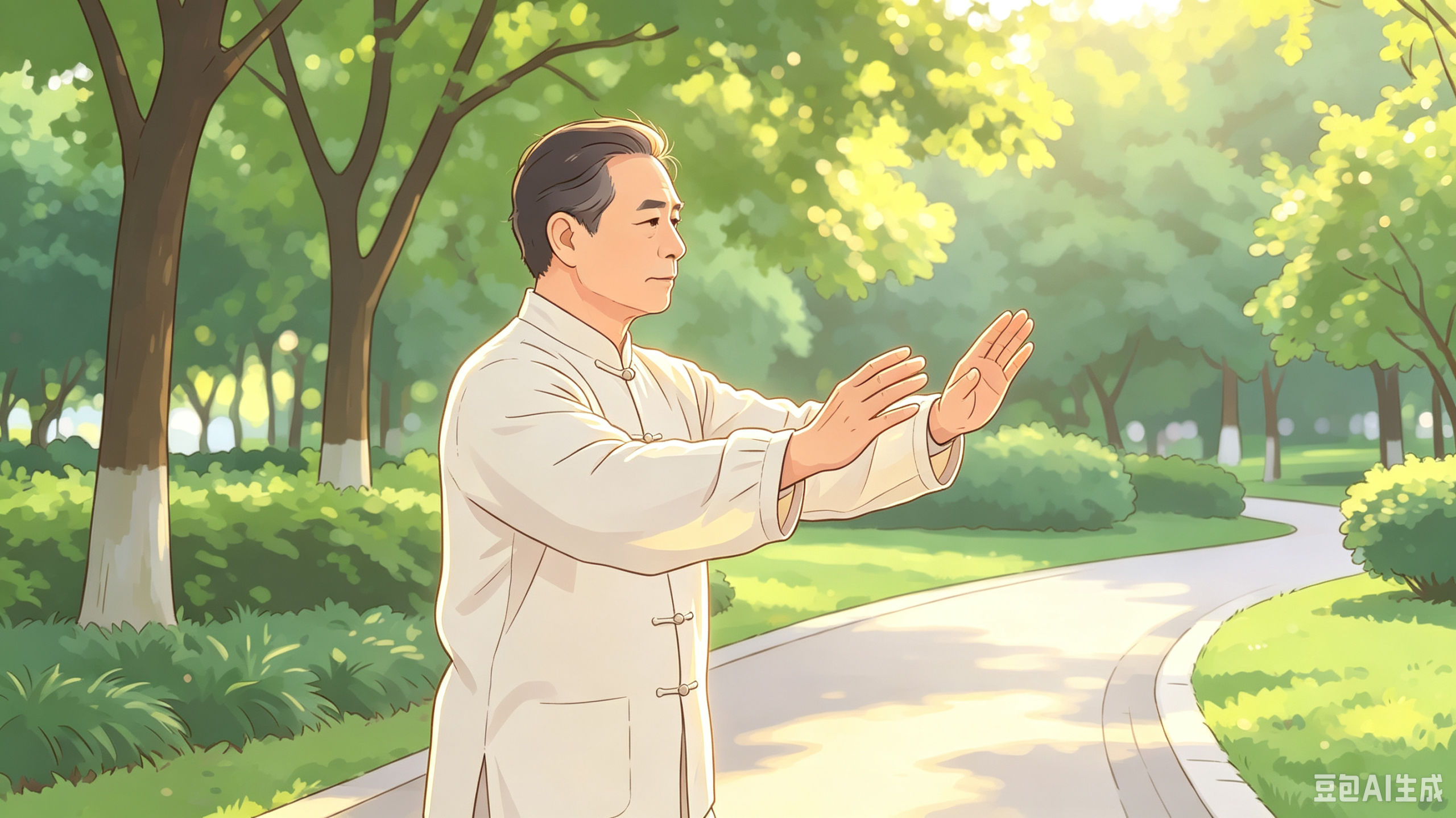
Autumn is a time of "harvest" and "contraction" — the body and mind both benefit from tranquility.
- Gentle exercise: Choose activities such as walking, Baduanjin, or Tai Chi, exercising to the point of light perspiration. Avoid heavy sweating.
- Cultivate a calm mood: Autumn can evoke sadness; stay connected with family and friends, listen to soothing music, climb to high places and look far, and maintain an optimistic and open mindset.
04 Watch Out for the "Autumn Tiger" and Underlying Conditions

Although mornings and evenings are cool, daytime temperatures may still be high, placing a significant burden on the cardiovascular system. Individuals with a history of hypertension, diabetes, coronary heart disease, or other chronic conditions should monitor blood pressure and blood glucose closely, avoid prolonged sun exposure, stay well hydrated (small amounts frequently, with warm water as the preferred choice), and keep meals light to support vascular stability and safely navigate this "troublesome season" of seasonal transition.
05 A Note for the End of Heat
Summer departs and autumn arrives, a season of bountiful harvest. During this transitional period from heat to coolness, adjusting your diet and daily routine in accordance with the seasonal rhythm is the best form of health preservation. May every friend enjoy a peaceful autumn and welcome the season of abundance with vitality and vigor.
Writer: Yang Yang
First Review: Yang Yang
Second Review: Guo Yishan
Third Review: Cai Qinghua
Gansu Wuwei Cancer Hospital (Wuwei Academy of Medical Sciences)
(甘)医广【2025】第11-14-387号