Sarcopenia & Fall Risk Screening for Seniors – Free Health Check at Our Hospital
Sarcopenia & Fall Risk Screening for Seniors – Free Health Check at Our Hospital
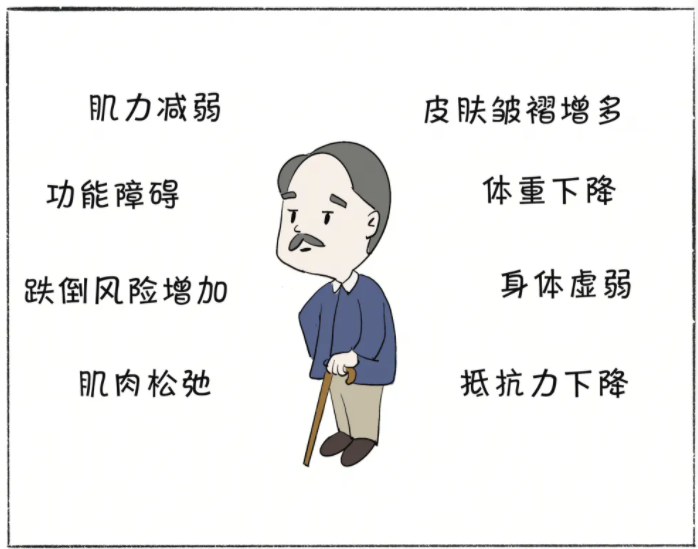
As we get older, walking slows down, carrying a small bag of groceries feels exhausting, and climbing two flights of stairs requires three breaks — often dismissed as "just part of getting older." But these are likely early warning signs of sarcopenia.
01 What Is Sarcopenia?
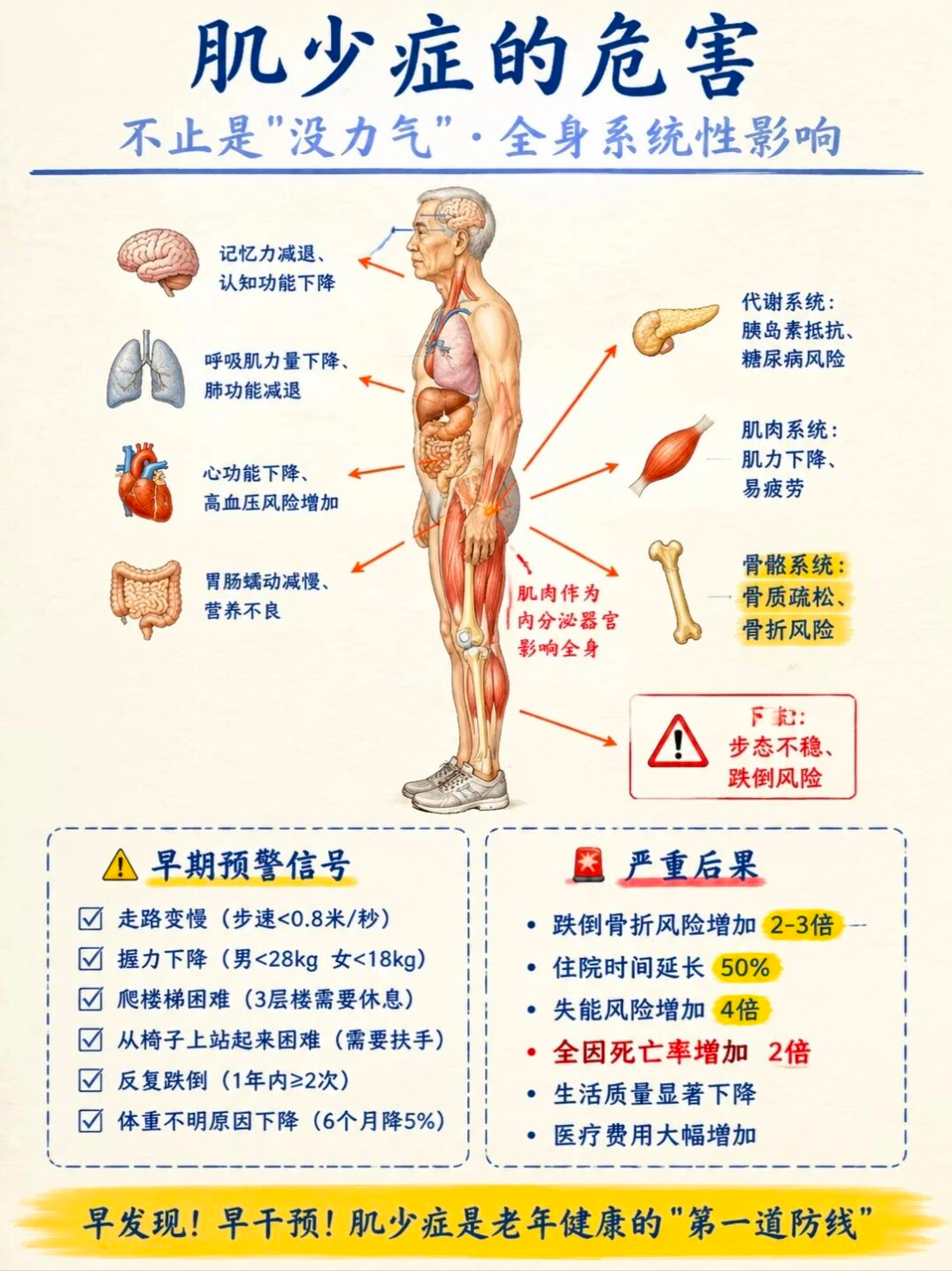
Sarcopenia, also known as muscle wasting syndrome or age‑related muscle loss, is a progressive, generalized skeletal muscle disorder associated with aging. It is characterized by a decline in muscle mass, reduced muscle strength, and impaired physical function. Because it develops insidiously, its symptoms are often mistaken for inevitable consequences of aging and therefore overlooked.
02 Sarcopenia Self‑Assessment Method (Ring Test)
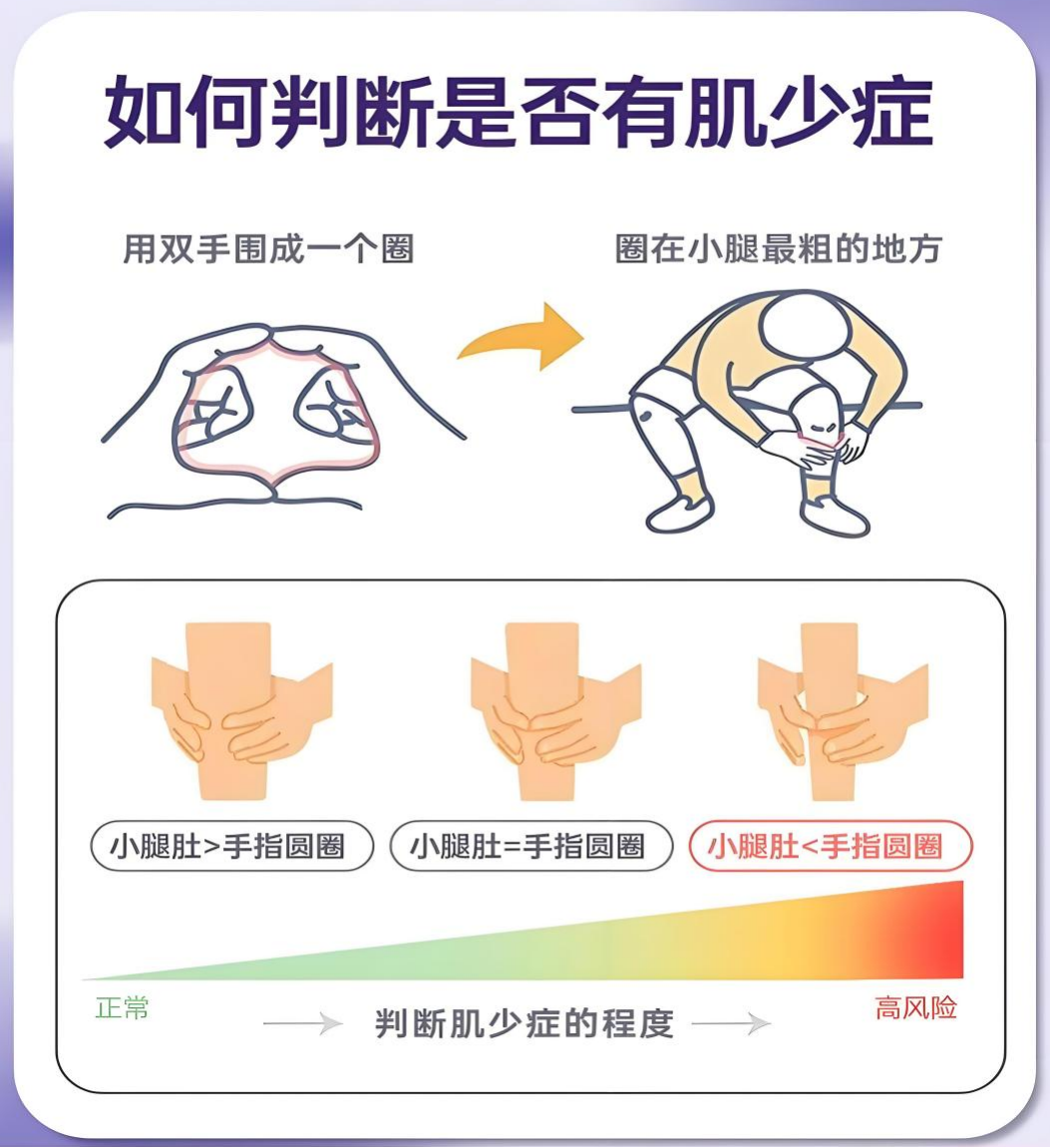
One simple way to assess muscle mass is the finger‑ring test: if your index fingers can easily overlap when wrapped around the thickest part of your calf, as shown on the right side of the illustration, it may indicate low muscle mass in the lower limbs — a possible sign of sarcopenia. Further evaluation using specialized equipment is recommended.
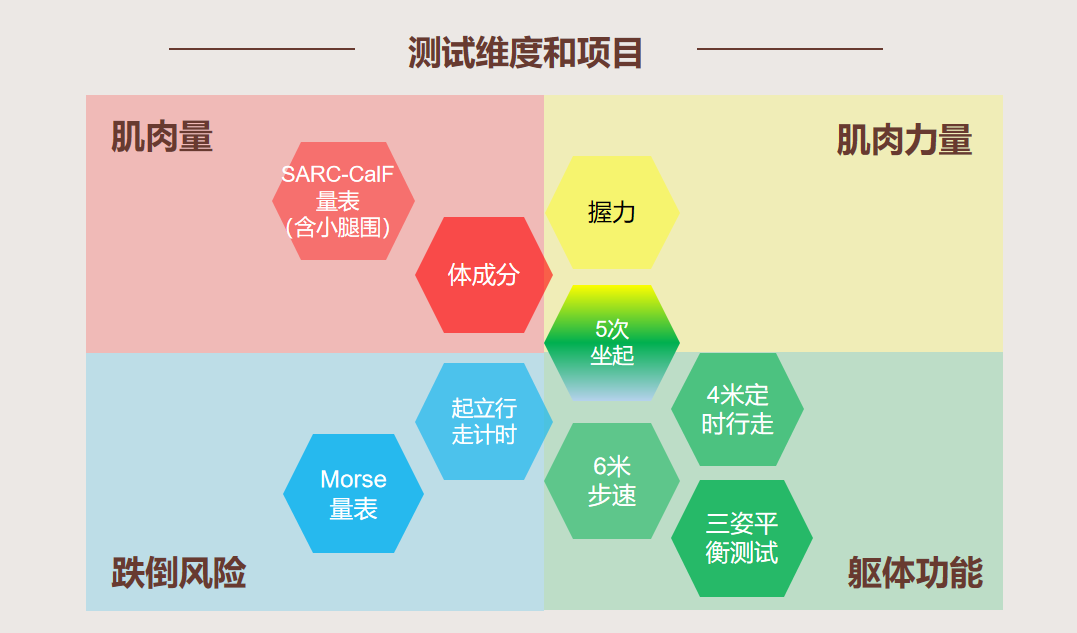
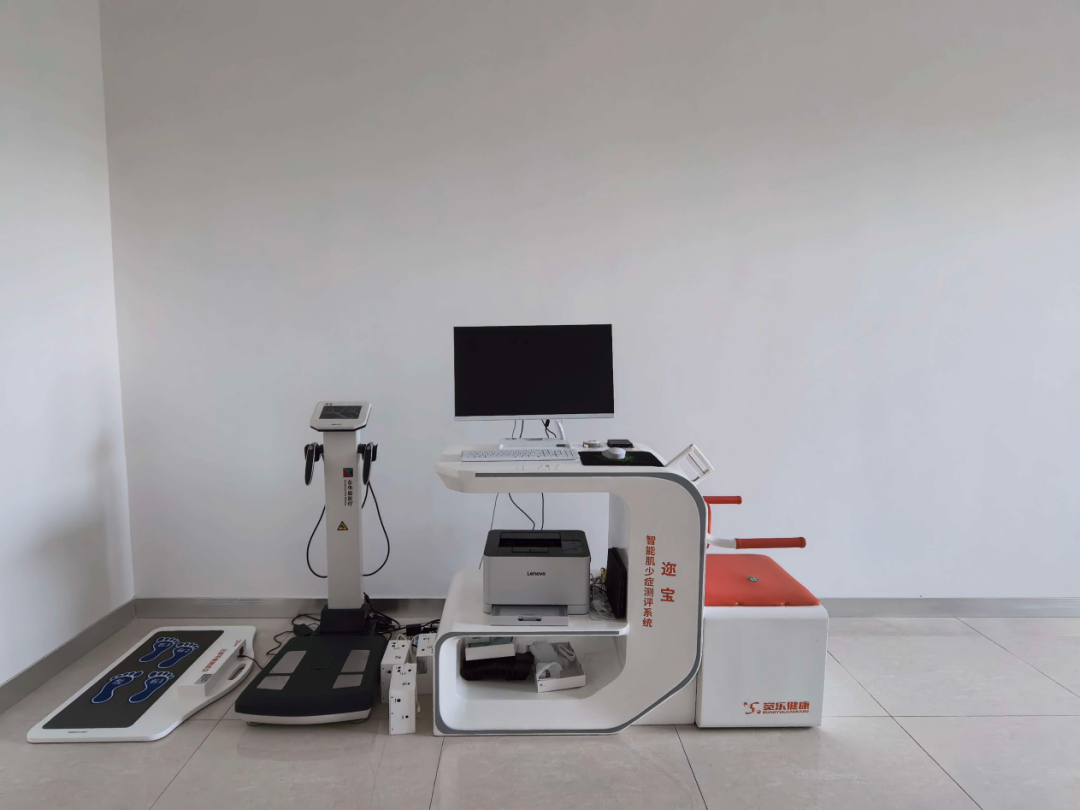
Our Department of Cardio‑Cerebral Function Testing is equipped with professional devices to provide a comprehensive standardized screening for sarcopenia and fall risk, including:
- Body composition analysis – precise measurement of muscle and fat mass
- Standardized questionnaires – screening for sarcopenia and fall risk
- Handgrip strength test – assessment of upper‑limb core muscle strength
- Gait speed test – evaluation of physical performance and mobility
- Chair stand test – assessment of lower‑limb strength and coordination
- Balance test – evaluation of fall risk
Target population: adults aged 50 and above, frail or underweight individuals, those with chronic fatigue, patients with chronic diseases, and sedentary individuals.
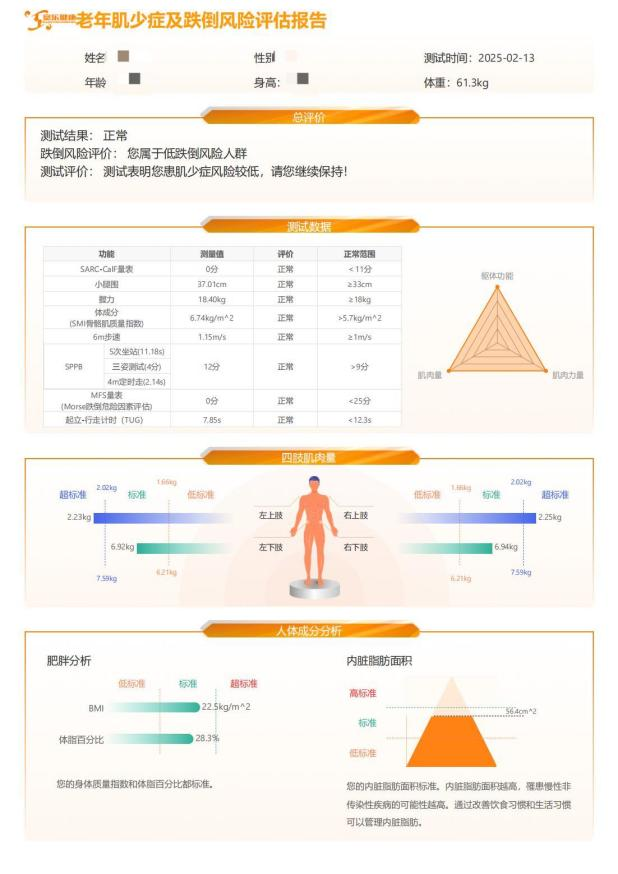
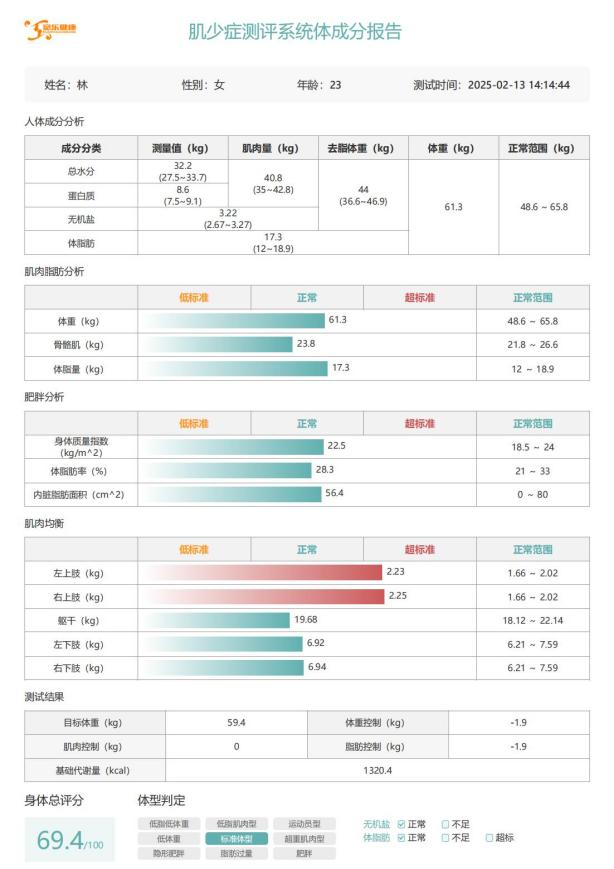
After the assessment, participants will receive a detailed evaluation report and a personalized rehabilitation training plan. Our team will explain the findings and provide health education tailored to the individual’s needs. If necessary, we will coordinate with other specialty departments for further intervention and treatment.
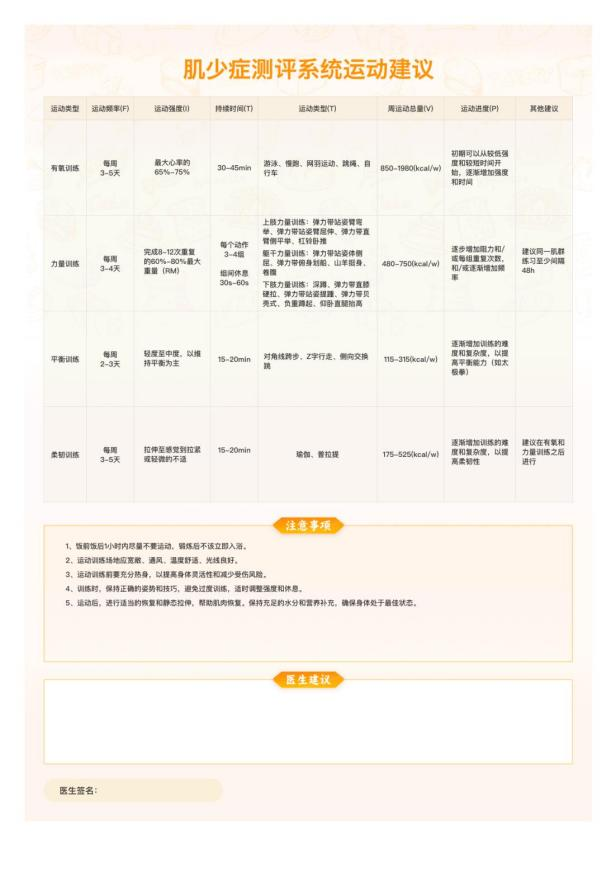
03 How Can Sarcopenia Be Prevented?
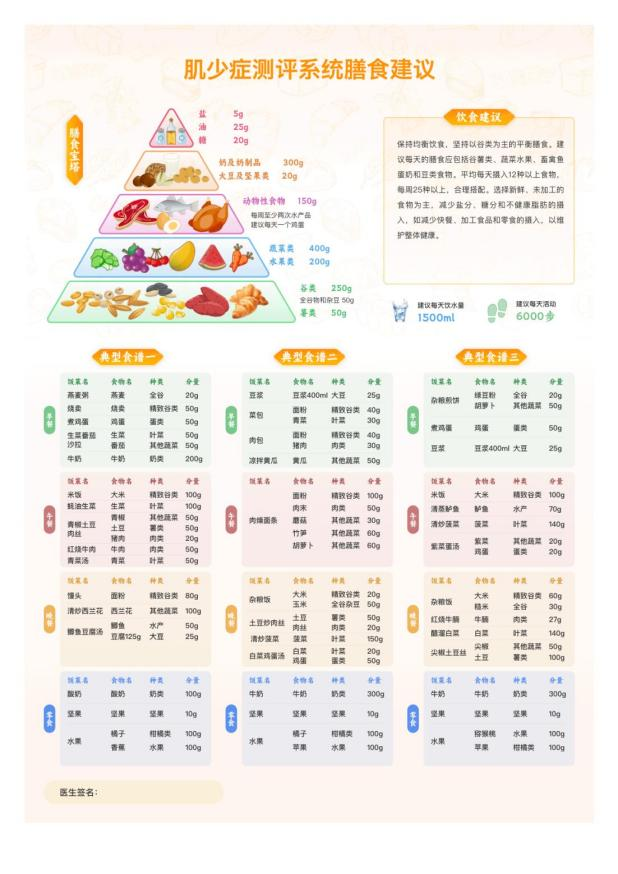
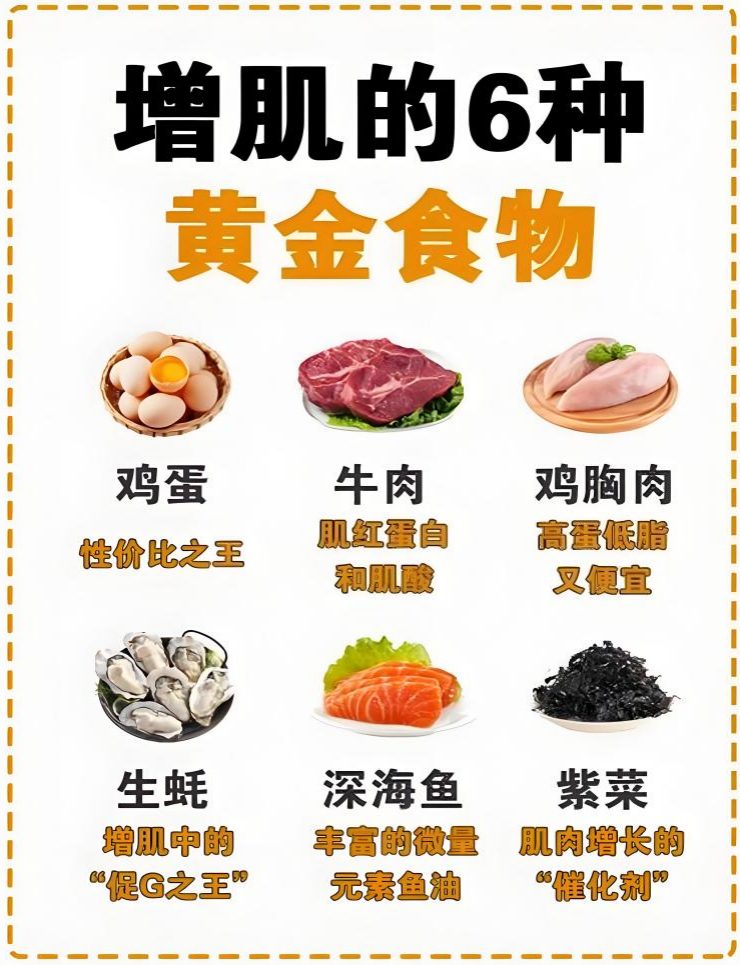
Nutritional Intervention
Many older adults hold misconceptions about diet, believing that eating "light" is always healthy. But does "being thin in old age" really mean "living longer"? The reality is often the opposite — excessive adherence to a vegetarian diet can lead to severe protein deficiency. Older adults should consume a balanced intake of high‑quality protein daily, including eggs, milk, soy products, fish, and poultry. If necessary, nutritional supplements may be used under medical guidance.
A practical guideline: include a palm‑sized portion of protein‑rich food at each meal. With three meals a day, this generally meets the needs of most older adults.
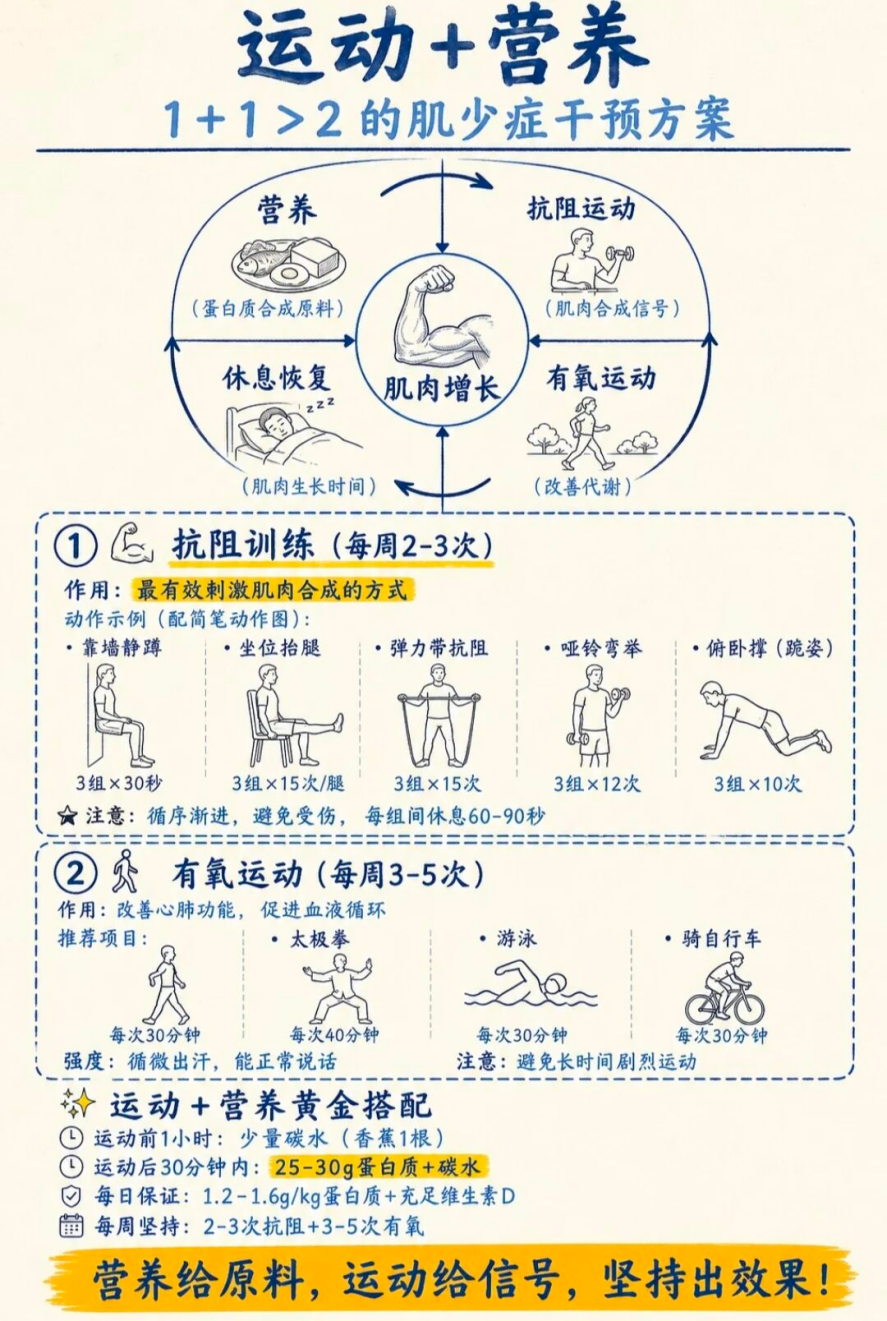
Exercise Intervention
Supplementing nutrition without physical activity will not effectively convert protein into muscle. Under safe conditions, older adults should engage in regular resistance exercises (such as using resistance bands, light dumbbells, or seated leg raises) and aerobic activities (such as brisk walking, Tai Chi, or swimming). This is the most effective way to build muscle strength and mass.
04 Medical Consultation
If you or a family member experience muscle weakness, difficulty standing up, frequent falls, or unexplained weight loss, you are welcome to visit our hospital for a screening and evaluation. A personalized health plan will be provided based on the assessment.
05 Department of Cardio‑Cerebral Function Testing
Muscle is the body’s "reserve strength" for health. Our hospital remains dedicated to geriatric health and chronic disease management — providing precise screening, scientific guidance, and standardized intervention services to support the health and vitality of middle‑aged and older adults in our community.
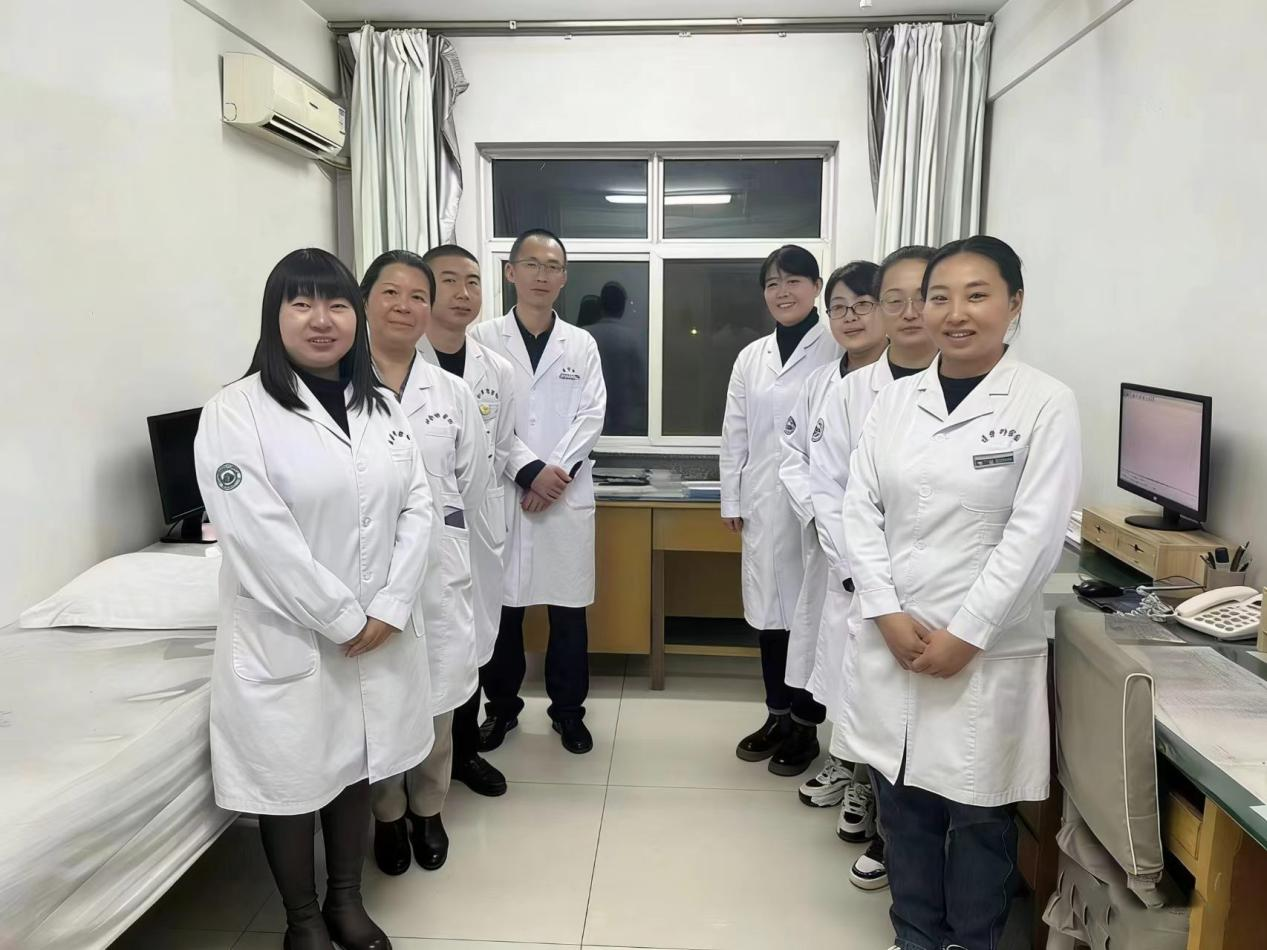
Writer: Yang Duojun
First Review: Yang Yang
Second Review: Guo Yishan
Third Review: Cai Qinghua
Gansu Wuwei Cancer Hospital (Wuwei Institute of Medical Sciences)
(甘)医广【2025】第11-14-387号