Autumn Wellness: Beat the Lingering Heat and Dryness – Tips to Stay Healthy
Autumn Wellness: Beat the Lingering Heat and Dryness – Tips to Stay Healthy
"As the summer colors fade from the sky, the rustling leaves announce the arrival of autumn." Liqiu (Beginning of Autumn) marks the 13th of the 24 solar terms and the prelude to the autumn season. At this time, the yang energy of nature gradually contracts, and all living things shift from flourishing to maturation and inward gathering. However, for Wuwei and the broader Hexi region in Northwest China, the Beginning of Autumn is far from the meteorological start of autumn. The residual heat of summer still lingers, with the "autumn tiger" occasionally striking back. Day‑night temperature differences continue to widen, and the climate grows increasingly dry. During this period of "summer‑autumn tug‑of‑war," making scientific adjustments to daily diet and routine is key to safeguarding the health of the whole family.

A Simple Explanation of the Phenological Signs of Start of Autumn
In ancient China, the Beginning of Autumn was divided into three phases: "First, cool winds arrive; second, white dew forms; third, the cold cicada sings." In the first phase, summer heat begins to recede and a hint of coolness appears in the wind. In the second, day‑night temperature differences emerge, and delicate dewdrops form on plants in the early morning. In the third, autumn cicadas sense the approaching coolness and sing in response to the changing season. From a meteorological perspective, autumn is officially declared only when the daily average temperature remains steadily below 22°C for five consecutive days. After the Beginning of Autumn in Wuwei, days remain mostly sunny and warm, while mornings and evenings turn cooler. The climate becomes dry and windy, with "autumn dryness" becoming increasingly prominent. Therefore, do not let the word "autumn" lull you into letting your guard down against the lingering heat and dry conditions.
Health‑preserving Wisdom in Traditional Folk Customs
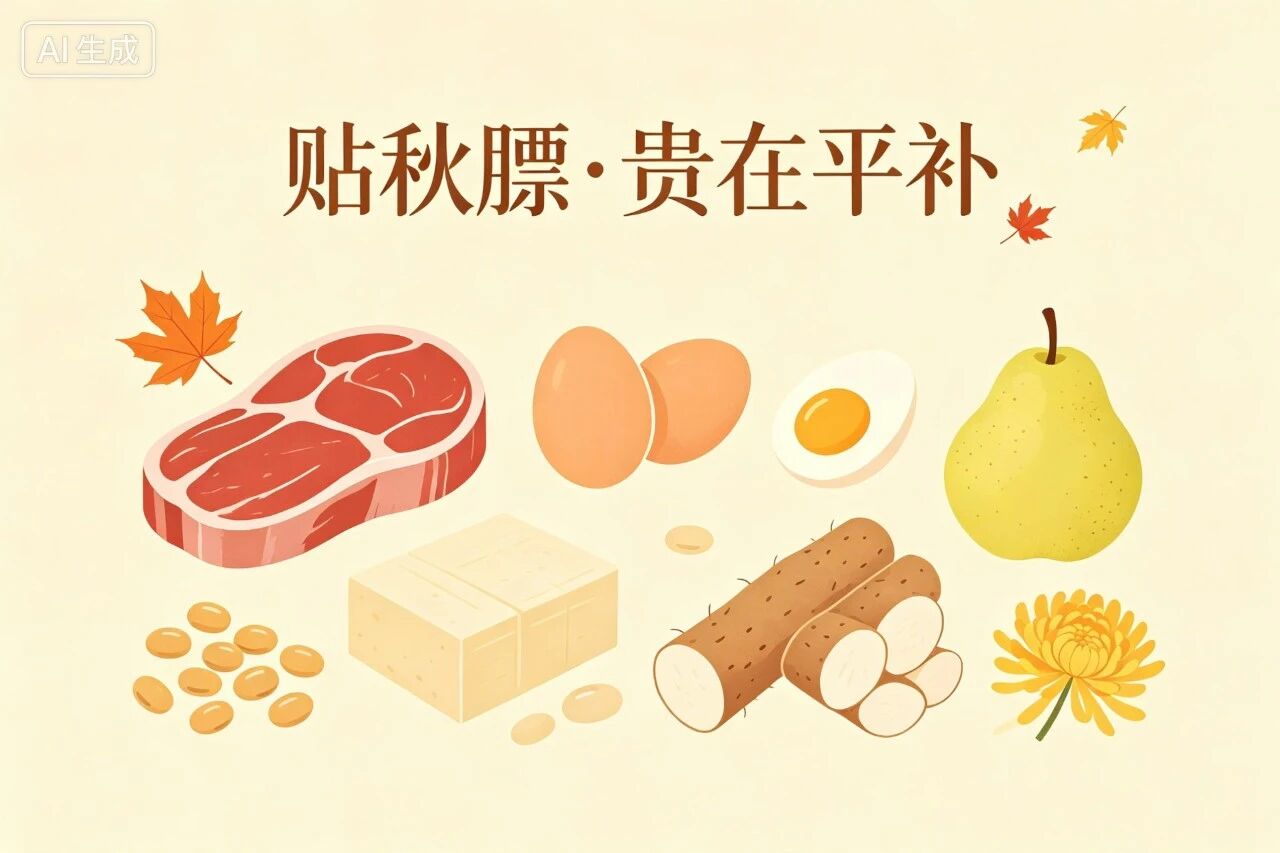
Gaining Autumn Weight · Focus on Mild Tonic Nourishment
There is a folk tradition of "posting autumn fat" (tiē qiū biāo) — eating nourishing foods at the beginning of autumn to compensate for the energy lost during the hot summer months. However, with the generally better nutritional status of modern populations, there is no need to rush into eating large quantities of rich, heavy foods. This is especially true for those with weak digestive function, the elderly, and individuals with metabolic disorders. It is more appropriate to choose high‑quality proteins such as lean meat, eggs, dairy, and soy products, and to progress gradually. A balanced, moderate approach is key — avoid overly rich and greasy foods that may burden the spleen and stomach.
Autumn‑Biting · Do Not Overindulge in Cold Food
"Biting autumn" (kěn qiū) — eating seasonal fruits such as watermelon at the beginning of autumn — is another folk custom intended to drive away the lingering summer heat. However, after the Beginning of Autumn in the Hexi region, the earth gradually cools. Consuming large amounts of chilled watermelon or other raw, cold fruits may damage the spleen's yang energy and promote dampness and coldness. As the saying goes, "autumn melons harm the stomach" — and there is wisdom behind it. It is advisable to consume locally grown, room‑temperature fruits in moderation — enough to enjoy the seasonal flavors, but not in excess.
Early Autumn · Enjoy Autumn Scenery
After the Beginning of Autumn, the sky grows high and clear, and the autumn breeze begins to stir. It is a wonderful time for outings and enjoying the scenery — a chance to experience the subtle transition from summer to autumn, relax the body and mind, and refresh the spirit amid the colors of autumn.
Health Guidelines for the Start of Autumn
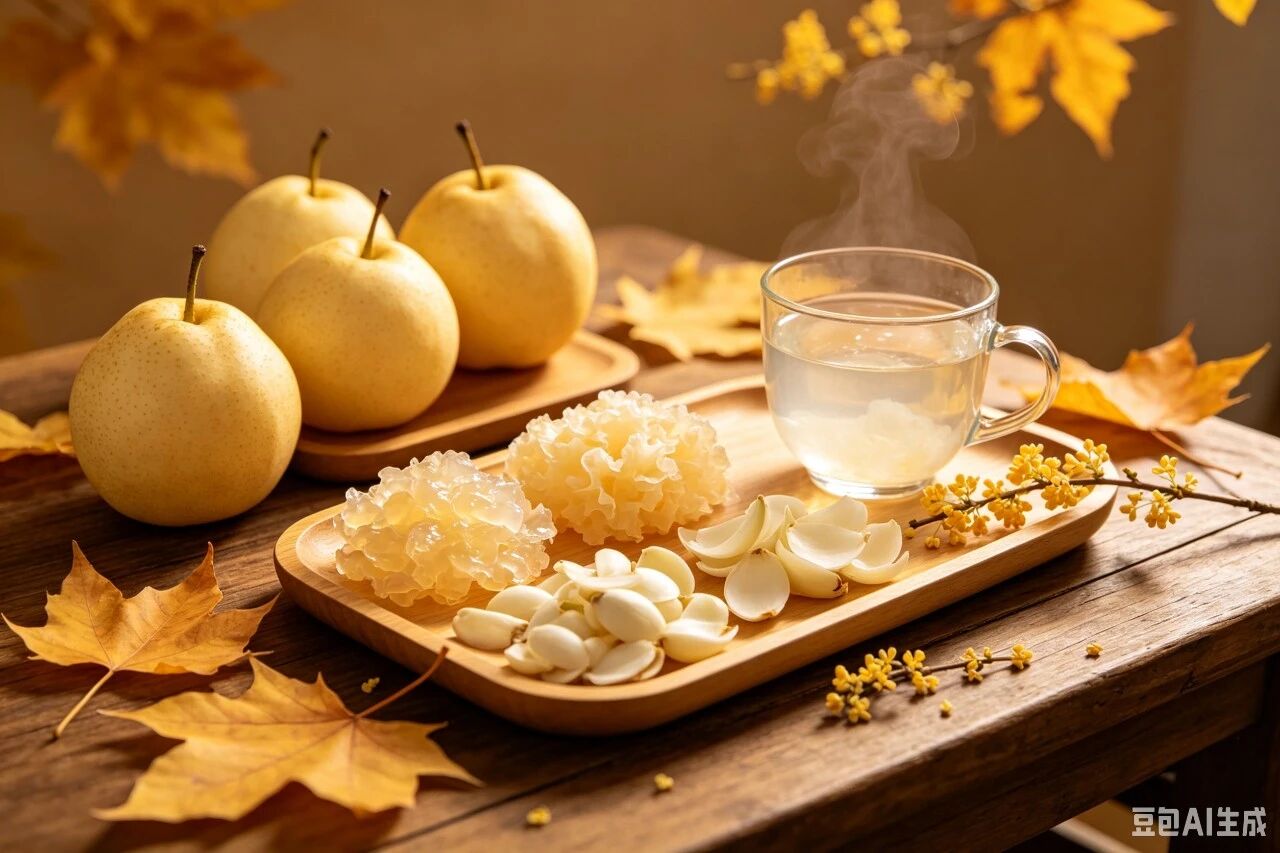
I. Diet: Prioritize moistening dryness, nourish yin with sour and sweet flavors
Autumn dryness tends to deplete the body's fluids, leading to symptoms such as dry mouth and throat, tight skin, and a dry cough with little phlegm. It is advisable to increase the intake of moistening foods such as pear, white fungus, lily bulb, lotus root, and Chinese yam. Moderate consumption of sour fruits and vegetables — such as grapes and hawthorn — helps to converge lung qi. At the same time, reduce the intake of pungent and dispersing foods such as chili, ginger, and raw garlic, which may aggravate internal heat and deplete yin fluids. A special reminder: do not rush into heavy nourishment; ensure that the spleen and stomach can tolerate it. Drinking plenty of warm water during the day remains the simplest and most effective way to alleviate autumn dryness.
II. Daily Routine: Go to bed early and get up early; avoid wind and protect vital body parts
The Yellow Emperor's Inner Canon states: "In the three months of autumn, go to bed early and rise early, keeping pace with the rooster." Early rest aligns with the natural contraction of yang energy, while early rising helps to stretch and soothe lung qi, effectively relieving autumn fatigue. Given the significant day‑night temperature differences in Wuwei, a layered dressing approach is recommended — wear breathable clothing during the day for sun protection, and add a light jacket in the morning and evening. Pay special attention to protecting the neck, back, lower abdomen, and joints. Elderly individuals, children, and those with chronic conditions are particularly sensitive to temperature changes and should adjust their clothing promptly. When using air conditioning, avoid direct cold drafts and ensure the abdomen is kept warm during sleep to prevent catching a chill.
III. Exercise: Keep activities gentle and stop once slight sweating occurs
Autumn exercise emphasizes "gathering" and "stillness." It is best to choose gentle activities such as walking, brisk walking, or Baduanjin in the early morning or evening. The intensity should be moderate — just enough to feel warm and produce a light sweat. Intense exercise that leads to heavy sweating should be avoided, as excessive loss of fluids can worsen autumn dryness. After exercise, promptly wipe off sweat with a dry towel, and wait until the heart rate has stabilized before taking a warm shower. Avoid taking a cold shower immediately after exercise.
IV. Emotion: Regulate the mind and spirit to get through autumn peacefully
In traditional Chinese medicine, autumn corresponds to the lung, and the lung is associated with the emotion of sorrow. During the seasonal transition, people may be prone to feelings of melancholy or anxiety. It is recommended to spend more time outdoors — walking, climbing to high places, and taking in expansive views — to open up the mind and maintain emotional well‑being. Engage in regular communication with family and friends, and avoid excessive rumination when alone, so that both body and mind can smoothly navigate this seasonal transition.
Reminder for Key Groups

During the summer‑autumn transition, temperatures fluctuate significantly, marking a high‑risk window for cardiovascular and cerebrovascular diseases as well as respiratory infections. Patients with chronic conditions such as hypertension, coronary heart disease, and diabetes must strictly adhere to their prescribed medications and should not reduce or stop their doses without medical advice. Regular monitoring of blood pressure, blood glucose, and other indicators is essential. If any abnormal symptoms — such as chest tightness, dizziness, or difficulty breathing — occur, seek medical attention immediately. Do not delay.
Writer: Du Xiaoting
First Review: Du Xiaoting
Second Review: Guo Yishan
Third Review: Cai Qinghua