1 in 10 Diabetics Faces the Risk of "Foot Amputation"?
1 in 10 Diabetics Faces the Risk of "Foot Amputation"?
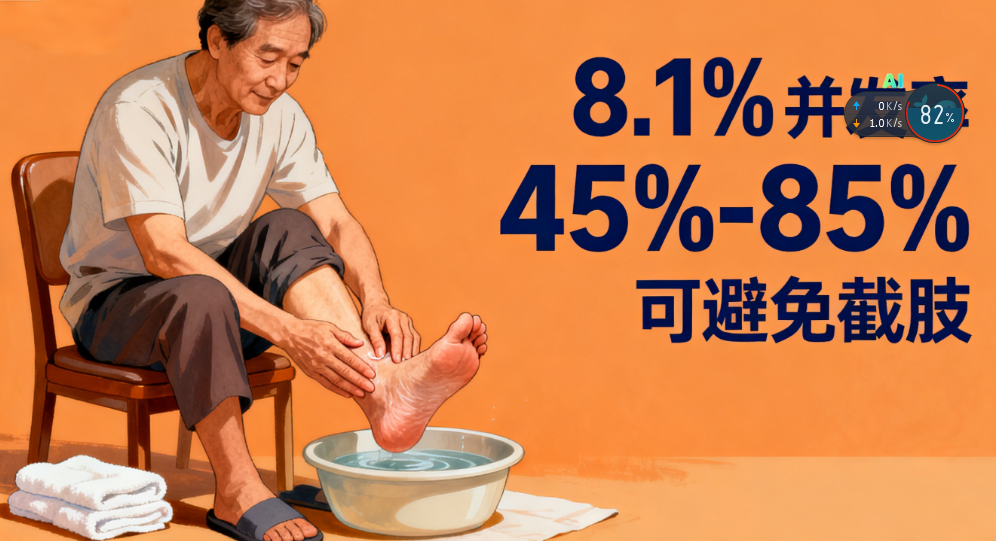
When it comes to diabetes, many people's first thought is to control blood sugar and eat less sweets. But did you know? The "silent killer" of diabetes might be hiding in the feet — it's diabetic foot. Diabetic foot refers to foot infection, ulceration, or even deep tissue destruction ultimately caused by abnormal nerve function in the lower extremities, combined with varying degrees of vascular disease. This seemingly "minor" complication has a far greater destructive power than imagined: there are over 100 million diabetic patients in China, of whom 8.1% will develop diabetic foot. Among these patients, 45% have moderate to severe lesions, and the amputation rate is as high as 19.03%! Even more frightening, the risk of amputation from diabetic foot is 40 times that of non-diabetic patients, with an annual mortality rate of 11%, which soars to 22% after amputation. But don't panic! The key lies in "early prevention, early treatment" — research shows that approximately 45%-85% of patients can successfully avoid the tragedy of amputation with proper early intervention!
I. How Does Diabetic Foot "Creep Up"?
The occurrence of diabetic foot is actually a double blow of "neuropathy + vascular disease". The process involves two key signals:
- Nerves "Go on Strike": Loss of Sensation in the Feet
Long-term high blood sugar damages the nerves in the lower limbs, leading to reduced or even complete loss of sensation in the feet. This means: not feeling if the water is too hot when soaking feet, not feeling pain if the foot is punctured or nails are cut too deep, being completely unaware of frostbite in winter... These neglected small wounds are the "fuse" for diabetic foot.
- Blood Vessels "Get Blocked": Wounds Heal Poorly and Are Prone to Infection
Diabetes causes narrowing and blockage of peripheral arteries, impairing blood circulation in the feet. Once a wound appears, the ischemic and hypoxic environment prevents timely healing. Coupled with the generally lower immunity of diabetic patients, infection easily sets in, progressively developing into ulcers and gangrene, ultimately leading to the risk of amputation.

II. Rather than remedying after the onset, it's better to take preventive protection in advance.
Diabetic friends must remember these 7 daily care details:
- Blood Sugar Management is the "Foundation"
Good blood sugar control directly reduces the risk of foot ulcers and promotes the healing of existing ulcers. Take medication on time, monitor blood sugar regularly, and don't let blood sugar fluctuate like a "roller coaster".
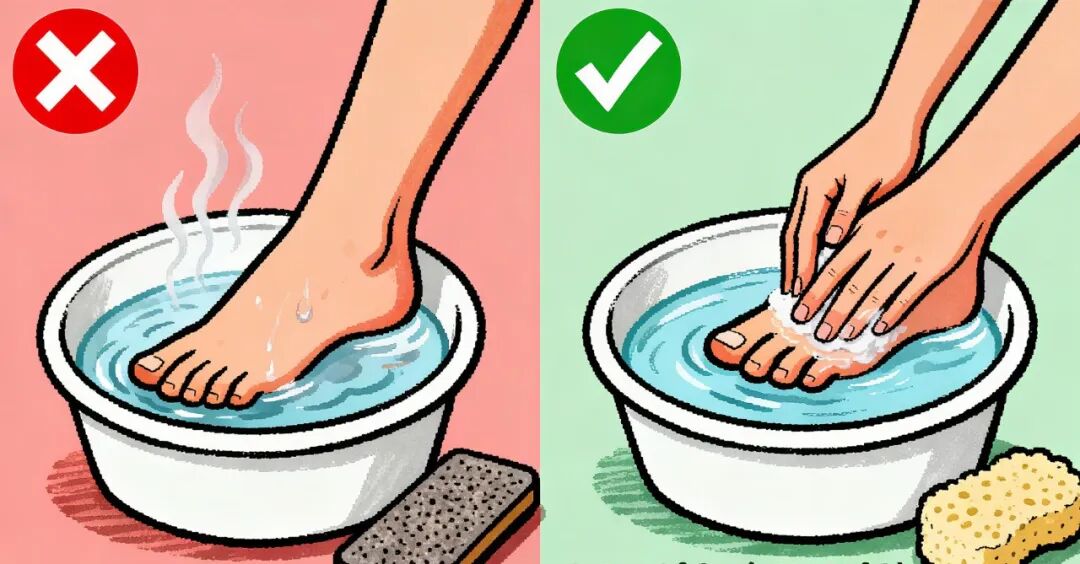
- Be Particular About Washing Feet, Absolutely Avoid "Soaking Feet"
In principle, avoid soaking feet; limit washing time to 5 minutes.
Use neutral soap for cleaning; water temperature must be ≤40°C (use a thermometer, avoid judging by feel).
After washing, gently dry between the toes with a white towel, while checking for bleeding or oozing. Keep the area between toes dry.
- 5 Minutes Daily: Self-Check for Foot Hazards
Spend a few minutes each day before bed checking the soles of feet, between toes, and areas of foot deformity. Focus on looking for injuries, abrasions, blisters, as well as dry/cracked skin, corns, calluses, and other abnormalities. Address any issues found promptly.
- Keep Skin Moisturized, Use Massage to Aid Circulation
Regularly apply foot-specific moisturizing cream to prevent dry, cracked skin (Note: do not apply between toes or on ulcerated wounds). Gently massage the feet after application to help improve blood circulation.
- Choose the Right Type of Exercise, Avoid Foot Injuries
Choose gentle exercises like walking or Tai Chi, avoiding strenuous activities that might cause bumps or impacts to the feet. Always wear comfortable shoes and socks during exercise. Check feet for any abnormalities after exercising.
- Wrong Shoes/Socks Equal "Planting Hidden Dangers"
Shoes: Proper fit, good breathability, thick soles, and soft interior. Avoid high heels.
Socks: Prefer cotton socks. Do not wear tight stockings. Change socks daily to keep feet clean.
- Toenail Trimming Has Tricks, Avoid These "Pitfalls"
Avoid cutting toenail edges too deep to prevent damaging the nail bed.
Do not randomly cut corns or calluses; use a file to smooth toenail edges.
Don't let toenails grow too long, and avoid pedicures in public baths to prevent cross-infection.
III. Unfortunate to Get It? Do These 4 Things Well to Actively Cope with Diabetic Foot!
If symptoms of diabetic foot have already appeared, don't panic. Do the following 4 things well and cooperate with your doctor's treatment:
Be Confident: Maintain an optimistic attitude and actively cooperate with the diagnosis and treatment plan. A positive mindset is a significant aid to recovery.
Balanced Nutrition: Eat a reasonable diet, ensuring adequate total calories and intake of various nutrients to provide energy for wound healing.
Close Observation: Pay attention daily to the skin color, temperature, and moisture of the affected limb, and watch for any new skin lesions, swelling, pain, etc. Provide timely feedback to your doctor.
Proper Limb Care: Elevate the affected limb 30°-40° when resting to promote venous return and reduce lower limb edema.

Preventing diabetic foot is far more important than treating severe cases! For diabetic friends, protecting your feet is guarding the "bottom line" of your health. Quickly share these foot care tips with the diabetic friends around you, and stay away from the "crisis underfoot" together!