Health Science丨World Mental Health Day
Health Science丨World Mental Health Day
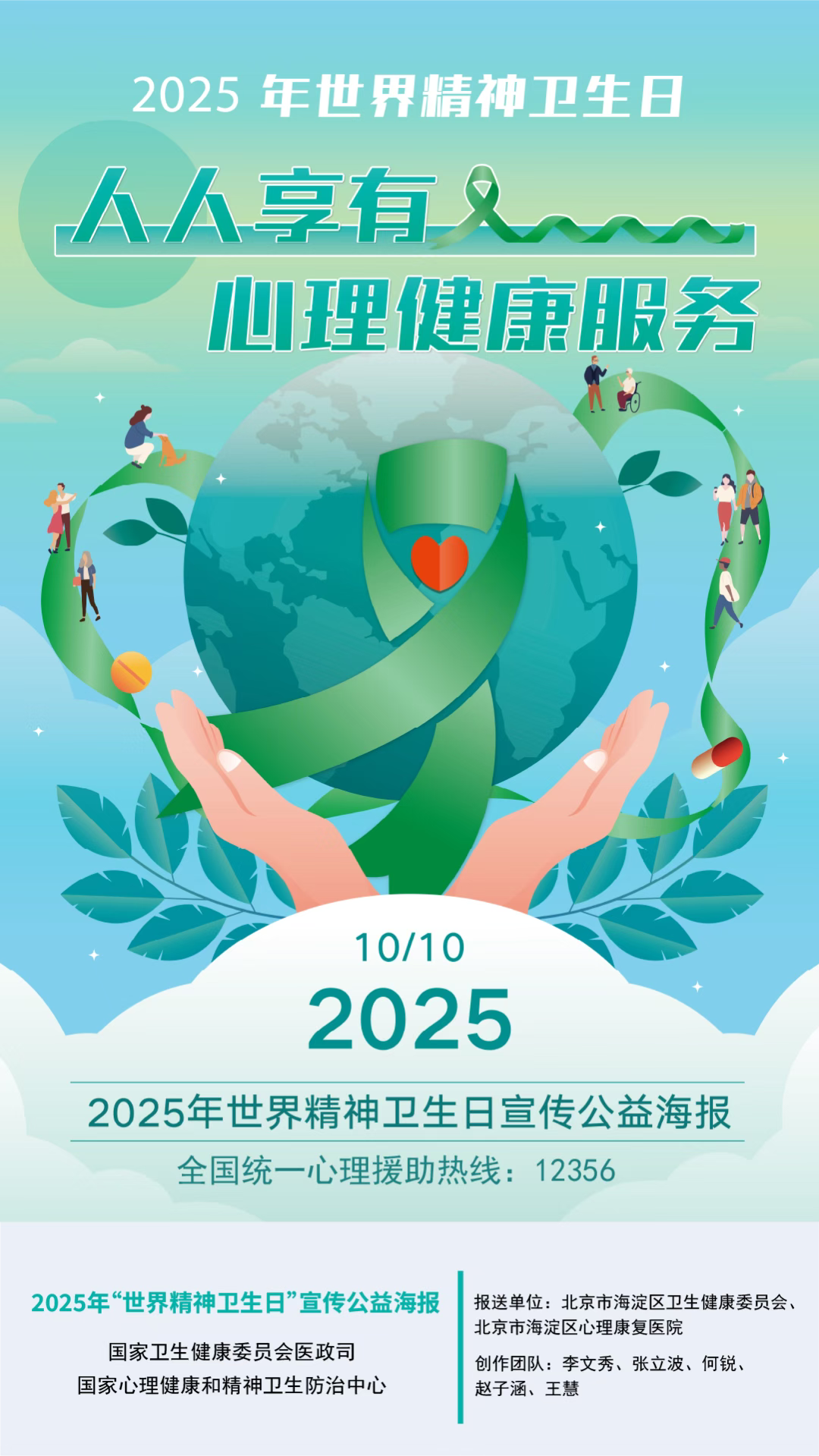
October 10, 2025, marks the 34th World Mental Health Day. World Mental Health Day was initiated by the World Psychiatric Association in 1992 and takes place on October 10th each year. Countries around the world prepare rich and well-organized activities for "World Mental Health Day" annually. These include filming and promoting videos that advance mental development and health, establishing 24-hour psychological support hotlines, broadcasting feature films, and more. The World Health Organization defines mental health as a state of well-being in which every individual realizes their own potential, can cope with the normal stresses of life, can work productively and fruitfully, and is able to make a contribution to their community.
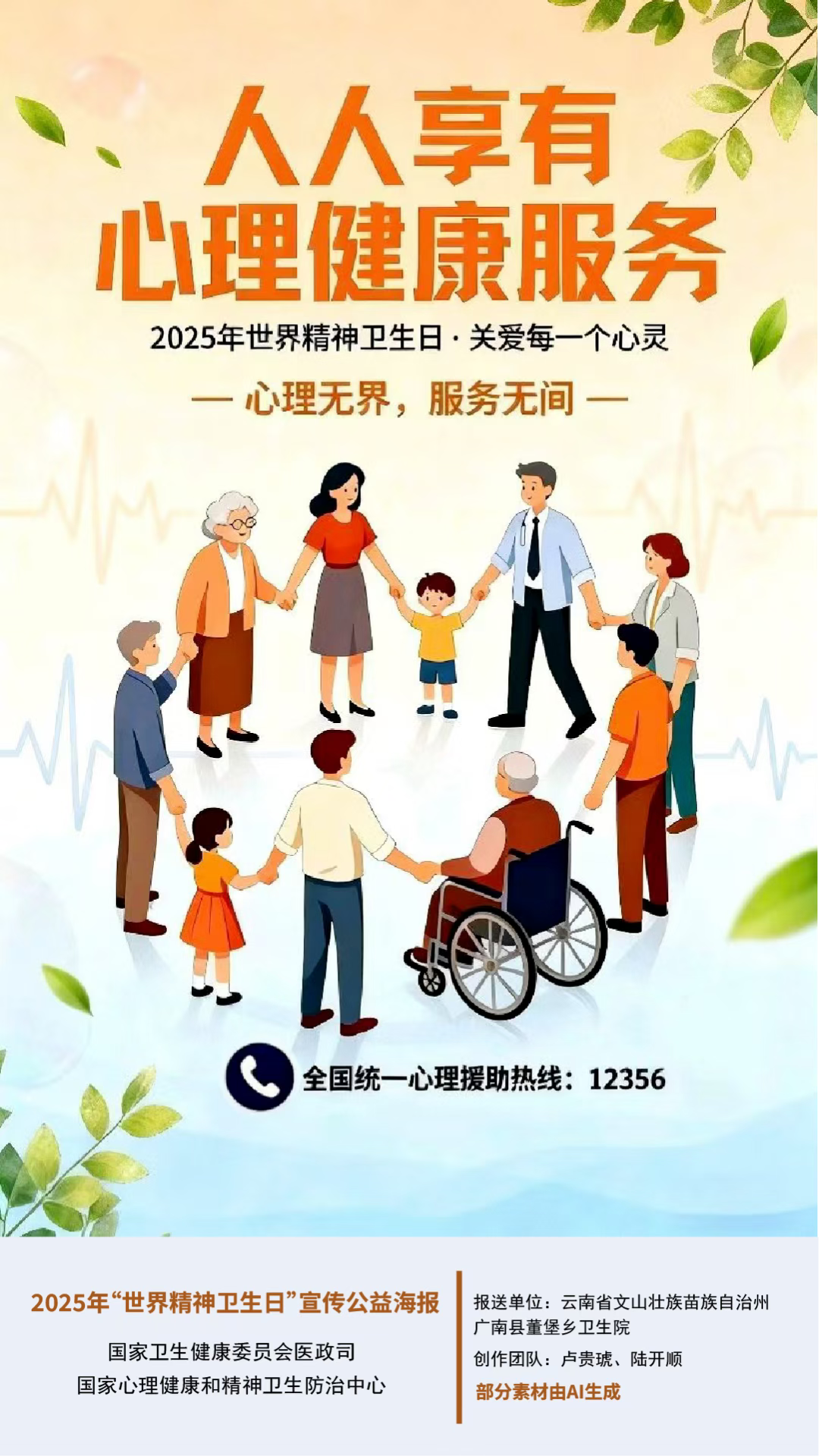
This year's national promotion theme in China is "Mental Health Services for All," aiming to gather forces from all sectors of society. Through diversified communication channels, the goal is to further popularize knowledge of mental health and mental hygiene, strengthen mental health awareness, promote correct and rational understanding of common psychological problems and mental illnesses, reduce social discrimination and prevent "stigmatization," foster a caring and inclusive social environment, and help patients reintegrate into their families and society. It further aims to improve the accessibility of mental health and mental hygiene services and enhance the public's sense of benefit.
The Importance of Mental Health
Mental health is an important component of overall health and is interconnected with physical health, each influencing the other. A good mental state helps improve work and study efficiency, enhance interpersonal relationships, and elevate the quality of life. It holds significant importance for individuals, families, and society.

Common Mental Health Issues Across Age Groups
Infants and Toddlers (0-3 years old): Inappropriate parenting methods may lead to issues such as poor speech development and difficulty controlling emotions and behavior.
Preschool Children (4-6 years old): Separation anxiety, difficulties in peer interaction, etc.
School-age Children and Adolescents (7-18 years old): Academic pressure, interpersonal relationship issues, emotional fluctuations, internet addiction, etc.
Young and Middle-aged Adults (19-55 years old): Work pressure, family relationship tensions, etc.
Middle-aged and Older Adults (55 years and above): Adjustment to retirement, empty nest loneliness, emotional problems triggered by physical illnesses, etc.
Common Psychological Disorders and Symptoms
Anxiety Disorders: Persistent nervousness, physical tension, overactive autonomic nervous system reactions, excessive worry about the future, etc
Depression: Low mood, loss of interest, lack of energy, changes in sleep and appetite, reduced self-worth, etc.
Bipolar Disorder: Intense mood swings between manic and depressive states.
Attention-Deficit/Hyperactivity Disorder (ADHD): Inattention, hyperactivity, impulsivity, etc.
Methods to Maintain Mental Health
Daily Adjustment: Regular exercise, meditation, artistic activities, confiding in friends and relatives, etc.
Scientific Coping: Seek professional help promptly when psychological problems arise; avoid self-medication or delay.
Care for High-Risk Groups: Parents should pay attention to emotional changes in children and adolescents; working populations should balance work and life; older adults need to maintain social activities.

Methods to Maintain Mental Health
Daily Adjustment: Regular exercise, meditation, artistic activities, confiding in friends and relatives, etc.
Scientific Coping: Seek professional help promptly when psychological problems arise; avoid self-medication or delay.
Care for High-Risk Groups: Parents should pay attention to emotional changes in children and adolescents; working populations should balance work and life; older adults need to maintain social activities.

National Unified Psychological Assistance Hotline
If needed, you can call the national unified psychological assistance hotline, 12356, for professional support.
Through this popular science, the aim is to increase public awareness of mental health, promote a correct understanding of mental illness, reduce discrimination, and simultaneously advocate for society as a whole to pay joint attention to mental health, advancing the goal of achieving "Mental Health Services for All."