The Impact of Nutritional Status on Pancreatic Cancer Treatment
The Impact of Nutritional Status on Pancreatic Cancer Treatment
Malnutrition is a common complication in patients with digestive tract tumors, affecting approximately 80% of patients. Pancreatic cancer patients have higher rates of nutritional risk and malnutrition compared to other digestive system tumors. The prevalence of nutritional risk in Chinese pancreatic cancer patients can be as high as 91.1%. Radiotherapy and chemotherapy are important treatments for pancreatic cancer. Malnutrition leads to increased adverse reactions to radiotherapy and chemotherapy, reduced treatment tolerance, and severely impacts the patient's quality of life and clinical outcomes.
How can we identify and promptly correct nutritional status?
Let's find out together!

I. What are the causes of malnutrition?
- Digestive tract obstruction: Progressive tumor growth compresses the intestines, leading to delayed gastric emptying, impaired digestion and absorption, fluid and electrolyte imbalances, etc. This results in reduced intake and anemia, ultimately developing into malnutrition.
- Altered body metabolism: Abnormal metabolism in tumor cells leads to reduced glucose oxidation and utilization, impaired protein synthesis, and increased breakdown. This manifests as skeletal muscle atrophy, visceral protein depletion, hypoalbuminemia, etc.
- Tumor treatment-related: Gastrointestinal adverse reactions such as nausea, vomiting, and diarrhea caused by chemotherapy drugs reduce the patient's energy intake. Radiotherapy can cause a series of complications like malabsorption, perforation, fistulas due to radiation enteritis, and intestinal wall damage, all of which can induce or worsen malnutrition.
- Social factors: Patient family relationships, economic status, and cultural level indirectly affect emotional and psychological state. Negative emotions lead to decreased appetite, increasing the risk of malnutrition.
II. How to screen and assess nutritional status?
- Nutritional Risk Screening 2002 (NRS 2002) is currently the primary screening tool recommended by guidelines both domestically and internationally. A screening indicating risk (score ≥3) warrants the formulation of a nutritional care plan.
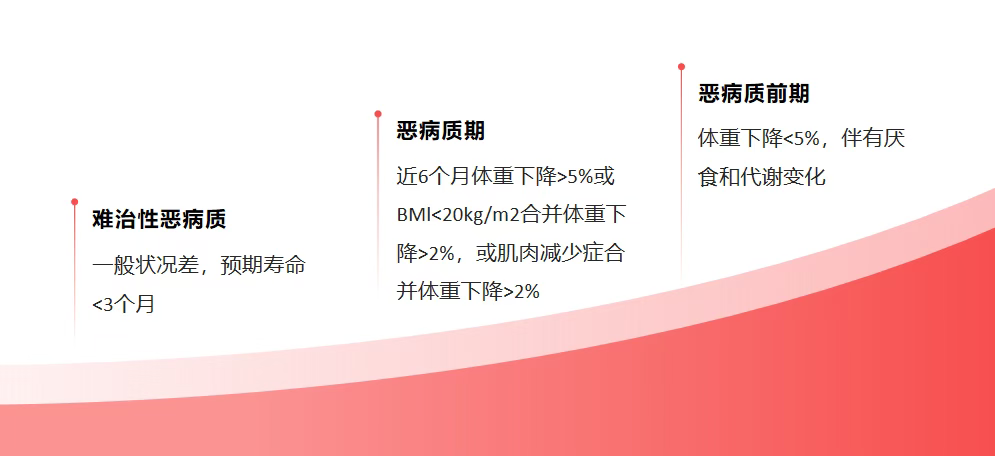
- Malnutrition is divided into three stages:
III. What is the impact of malnutrition on treatment?
Malnutrition is correlated with the severity of treatment adverse reactions. As the patient's nutritional status declines, tolerance to radiotherapy and chemotherapy decreases, and their adverse reactions worsen.
IV. How is nutritional therapy conducted?
- Requires comprehensive assessment of clinical manifestations: Multi-modal interventions including nutritional support, exercise, anti-inflammatory medications, etc.
- Patients with NRS2002 < 5: Can be satisfied through dietary guidance and oral nutritional supplements.
- Patients with NRS2002 ≥ 5: May receive enteral nutrition (tube feeding), supplemental parenteral nutrition (SPN), or total parenteral nutrition (TPN).
- Immunonutrition therapy: Intake of high-calorie, high-protein nutritional mixtures (such as arginine, nucleotides, and ω-3 fatty acids) can modulate inflammation and immune status in the tumor microenvironment.
- Nutritional adjunct therapy: Pay attention to supplementing pancreatic enzymes, appropriate glucocorticoids, and progesterone analogs (to increase appetite). These can improve body weight to some extent, but attention must be paid to the method of drug use.
Free Clinical Trial Recruitment
Our department is currently conducting a Phase II clinical study on "Heavy Ion Radiotherapy Combined with Gemcitabine Concurrent Chemotherapy for Locally Advanced Pancreatic Cancer". This study utilizes internationally advanced heavy ion radiotherapy technology combined with Gemcitabine chemotherapy, aiming to improve the control rate and long-term survival rate for locally advanced pancreatic cancer.
Why choose our clinical trial?
1.Internationally Leading Heavy Ion Radiotherapy Technology
Heavy ion radiotherapy has a higher biological effectiveness (RBE value), enabling precise targeting and killing of tumor cells while maximizing protection of surrounding normal tissues. Research indicates that heavy ion radiotherapy offers superior outcomes in pancreatic cancer treatment compared to traditional photon radiotherapy.
2.Combined with Gemcitabine Chemotherapy
Gemcitabine, a standard chemotherapy drug for pancreatic cancer, when used in combination with heavy ion radiotherapy, can produce a synergistic effect, further enhancing treatment efficacy.
3. Professional Team Support
Our research team consists of experienced oncology experts. Relying on the Wuwei Heavy Ion Cancer Treatment Facility, they ensure the safety and effectiveness of the treatment.
4. Comprehensive Patient Care
We provide detailed condition assessment, personalized treatment plans, and full-course follow-up services to ensure you receive the best medical care throughout your treatment.
Recruitment Criteria
· Aged between 18-70 years;
· Pathologically diagnosed with pancreatic cancer;
· Meets criteria for locally advanced pancreatic cancer, no distant metastasis, maximum tumor diameter ≤6cm;
· No prior local treatments such as surgery or radioactive seed implantation;
· Generally in good condition, no organ function limitations, able to tolerate this treatment;
· Voluntarily participate in the study and able to cooperate to complete treatment and follow-up.
Participation Benefits
· Free receipt of radical heavy ion radiotherapy (one treatment field: 198,000 RMB) and subsequent treatment plan formulation;
· Receive all follow up from a professional medical team.
How to Apply?
If you meet the above criteria and are interested in participating in this study, please inquire or register through the following methods:
· Hotline: 13519351968
· Contact: Director Chen Weizuo
· Address: Department of Radiotherapy VI, 1st Floor, Building 5, Heavy Ion Center, Gansu Wuwei Tumor Hospital, Wuwei City, Gansu Province
Recruitment Deadline
Recruitment closes after 30 participants are enrolled.
Clinical Trial Background
Pancreatic cancer has an extremely high mortality rate, with an insidious onset. Approximately one-third of patients are diagnosed at the locally advanced pancreatic cancer (LAPC) stage. The outcomes of photon radiotherapy for locally unresectable pancreatic cancer are still not ideal. Heavy ions have a higher RBE value compared to protons and show promising overall survival rates. We hope this study, leveraging the physical and biological advantages of heavy ions, will improve the control rate and long-term survival rate for LAPC.
Join us, embark on a journey of hope!
Do not give up hope,
Join our clinical trial,
Let's work together to fight pancreatic cancer!
Introduction to Department of Radiotherapy VI
Department Overview
Department of Radiotherapy VI is a specialized unit for heavy ion treatment of pancreatic cancer and abdominal-pelvic tumors, focusing on heavy ion therapy for pancreatic cancer, as well as heavy ion and photon radiotherapy for abdominal-pelvic tumors such as liver cancer, colorectal cancer, and prostate cancer. Since its opening, pancreatic cancer patients from across the country have sought treatment here. It enables precise killing of pancreatic cancer cells without pain, surgery, or invasion. Dozens of pancreatic cancer patients from all over the country have been treated successively, achieving a 1-year local control rate as high as over 90%, and a median survival time increased from the traditional 11 months to 19 months. The efficacy is definite, patient treatment experience is good, and the treatment outcomes are fully recognized by renowned domestic and international experts and the majority of patients.
● Professional Team
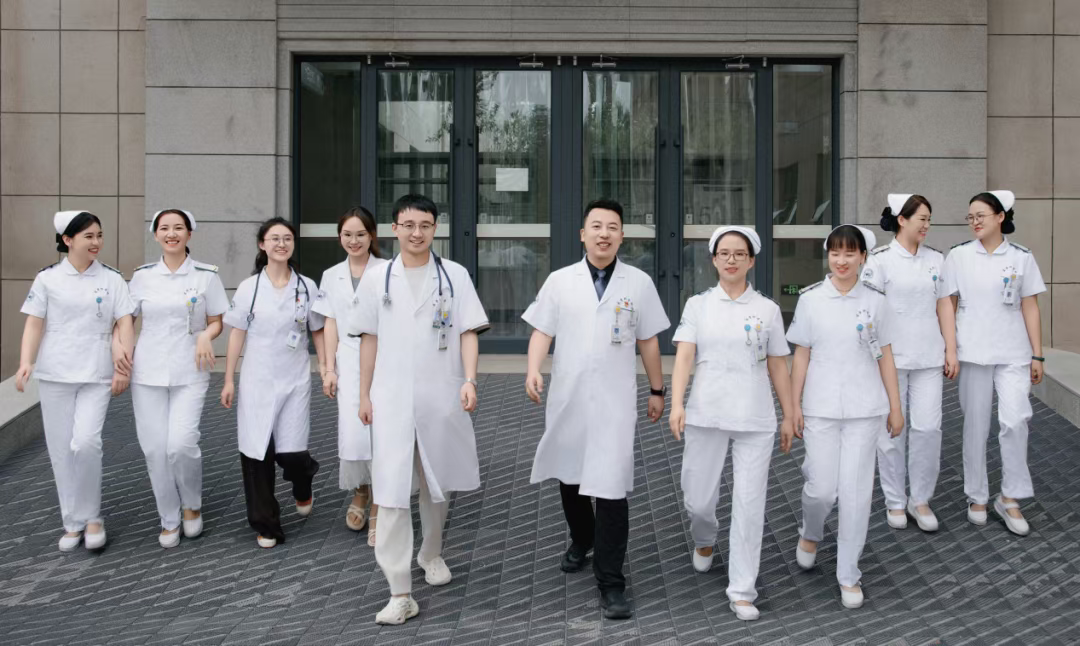
Team members are all graduates of well-known domestic medical schools, possessing solid medical theoretical foundations and rich clinical practical experience. The department specially appoints experts such as Professor Hao Fei from Germany, Professor Tsujii H from Japan, Professor Ren Yimin from Taiwan, and Professor Wu Jiaming to guide work, conduct difficult case consultations, academic lectures, and departmental ward rounds. Department staff have successively completed training and studies at several well-known domestic heavy ion and photon treatment centers, possessing extensive heavy ion treatment experience and enabling the development of scientific and reasonable treatment plans for patients.
● Treatment Scope
The department primarily focuses on heavy ion treatment for pancreatic cancer, while also conducting heavy ion and photon therapy for other abdominal-pelvic tumors such as liver cancer, colorectal cancer, and prostate cancer. It provides professional radiotherapy and personalized comprehensive cancer treatment services for patients.
Introduction to Department Experts
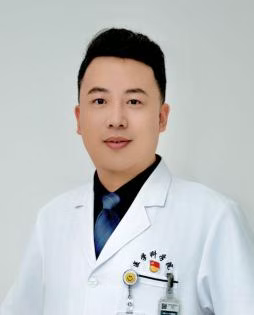
Chen Weizuo
Director, Department of Radiotherapy VI, Heavy Ion Center, Gansu Wuwei Tumor Hospital
Deputy Chief Physician
"Longyuan Youth Talent" of Gansu Province
Director, Chinese Nuclear Society Branch for Brachytherapy and Intelligent Radiotherapy
Member, Youth Branch of Western Radiation Therapy Association
Member, Ion Radiotherapy Branch of China Medical Equipment Association
Member, CRTOG Radioimmunology IR Youth Committee
Member, Youth Committee of Gastric Cancer/Colorectal Cancer Professional Committee of Gansu Anti-Cancer Association
Member, Radiotherapy Professional Committee of Wuwei Medical Association
Presided over 1 project under the Chinese Academy of Sciences "West Light" Talent Training Program; 2 talent projects under the Gansu Provincial Party Committee Organization Department's "Longyuan Youth Innovation and Entrepreneurship" program.
Published 11 SCI papers and 5 Chinese core journal papers. Holds 2 national invention patents and 3 utility model patents. The invention patent won the gold medal at the "National Invention Exhibition".