Health Science Sharing|Activating Work Mode! A Practical Guide to Regaining Focus and Easily Shaking
Health Science Sharing|Activating Work Mode! A Practical Guide to Regaining Focus and Easily Shaking Off "Post-Vacation Syndrome"
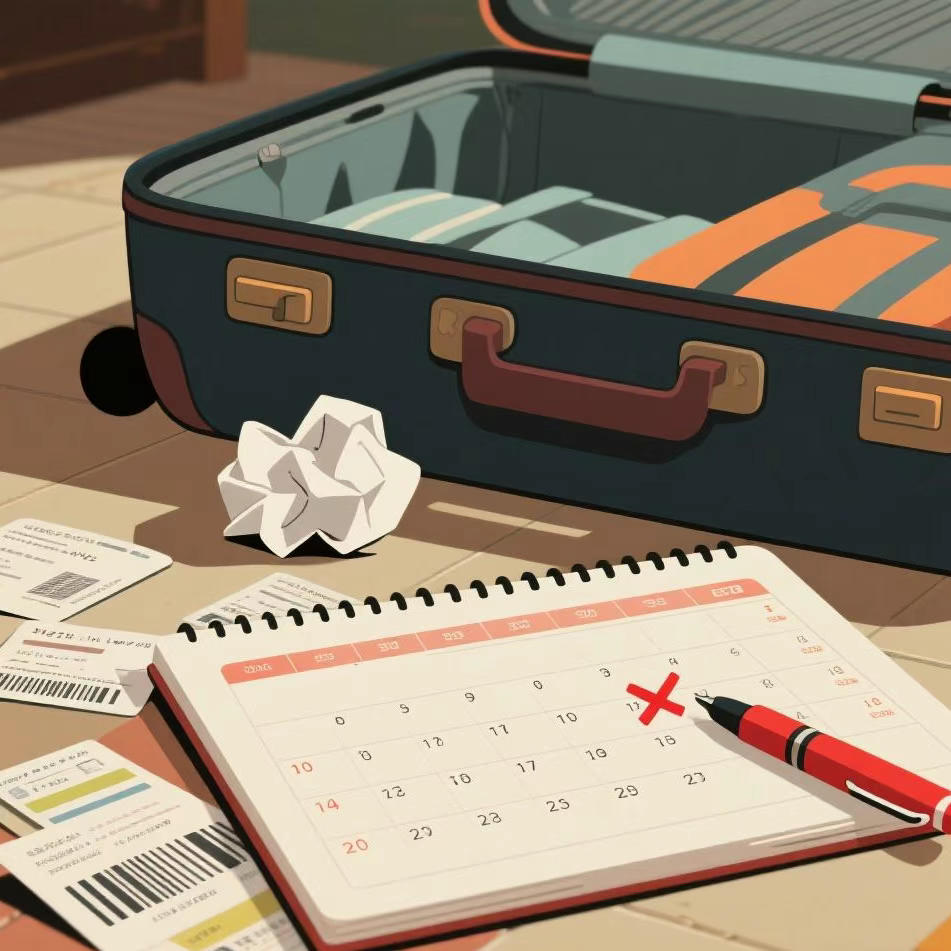
Today marks the first day back at work.
Switching from vacation mode to work mode,
do you feel physically drained and exhausted,
with your mood taking a nosedive?
Don’t worry—
this is something many people experience.
It’s what we call "Post-Vacation Syndrome."
What exactly is "Post-Vacation Syndrome"?
In simple terms, after a long holiday, people need to readjust to the pace of work, which can bring about various emotional and psychological discomforts. From a medical perspective, it’s not considered a strict illness but rather a negative state. However, that doesn’t mean we should ignore it. Common symptoms include:
Have you been hit by these typical symptoms?
Constantly feeling physically drained and lacking energy
Feeling down or in low spirits
Experiencing restlessness and anxiety
Struggling with falling or staying asleep
Difficulty concentrating on tasks
Slower reaction times than usual
Noticeably reduced work efficiency
Mood swings, with emotions fluctuating greatly
Losing interest in daily tasks
Possible loss of appetite or stomach discomfort

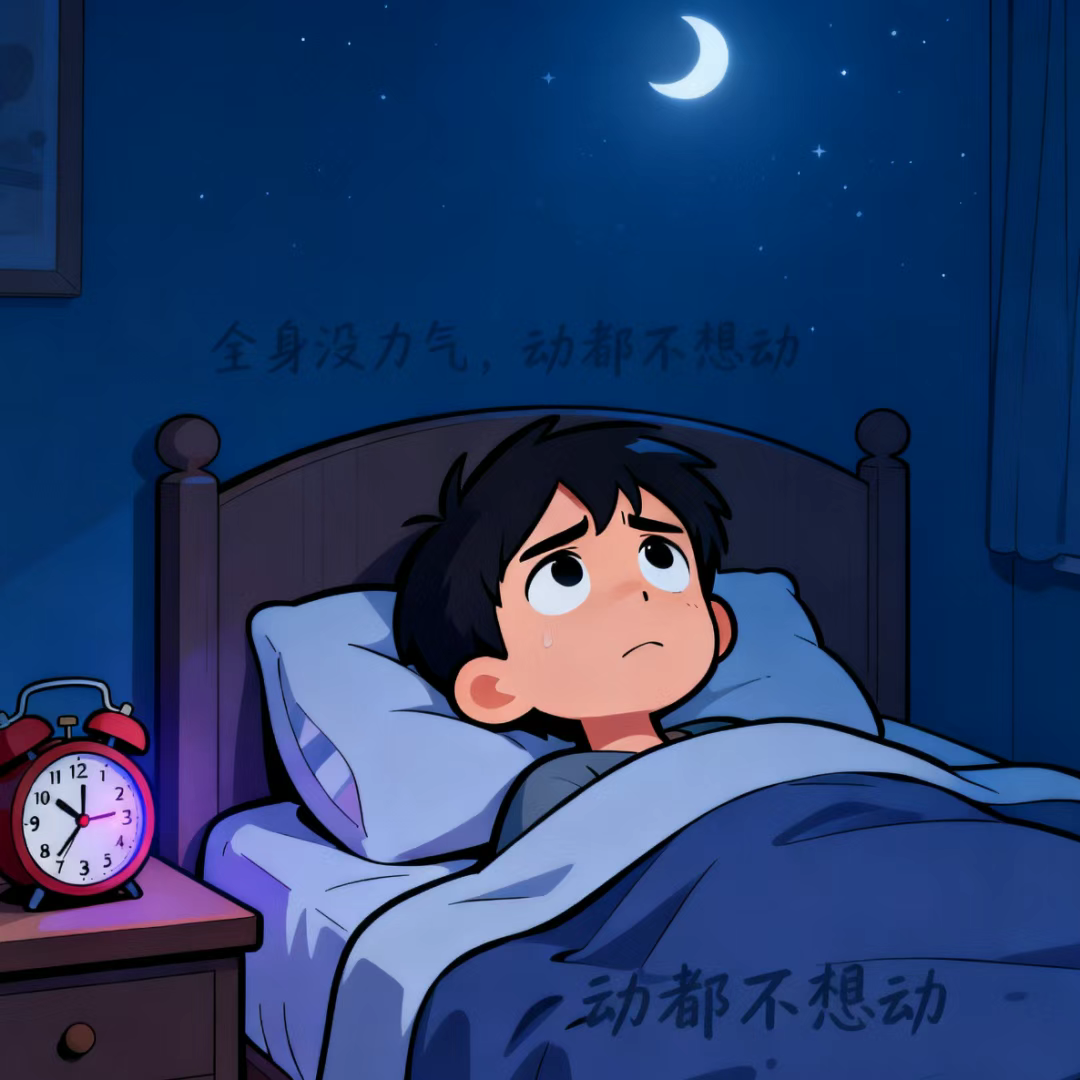
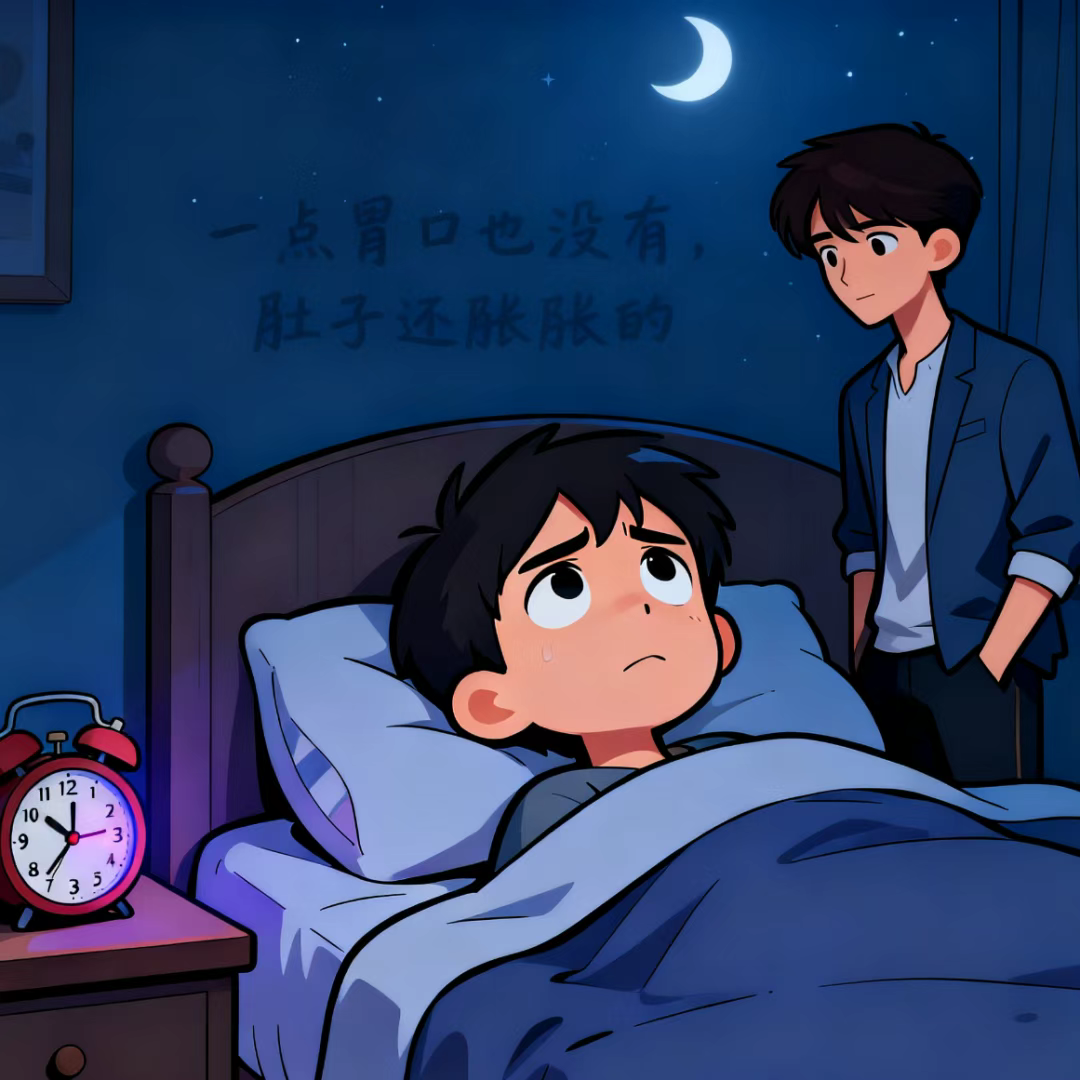
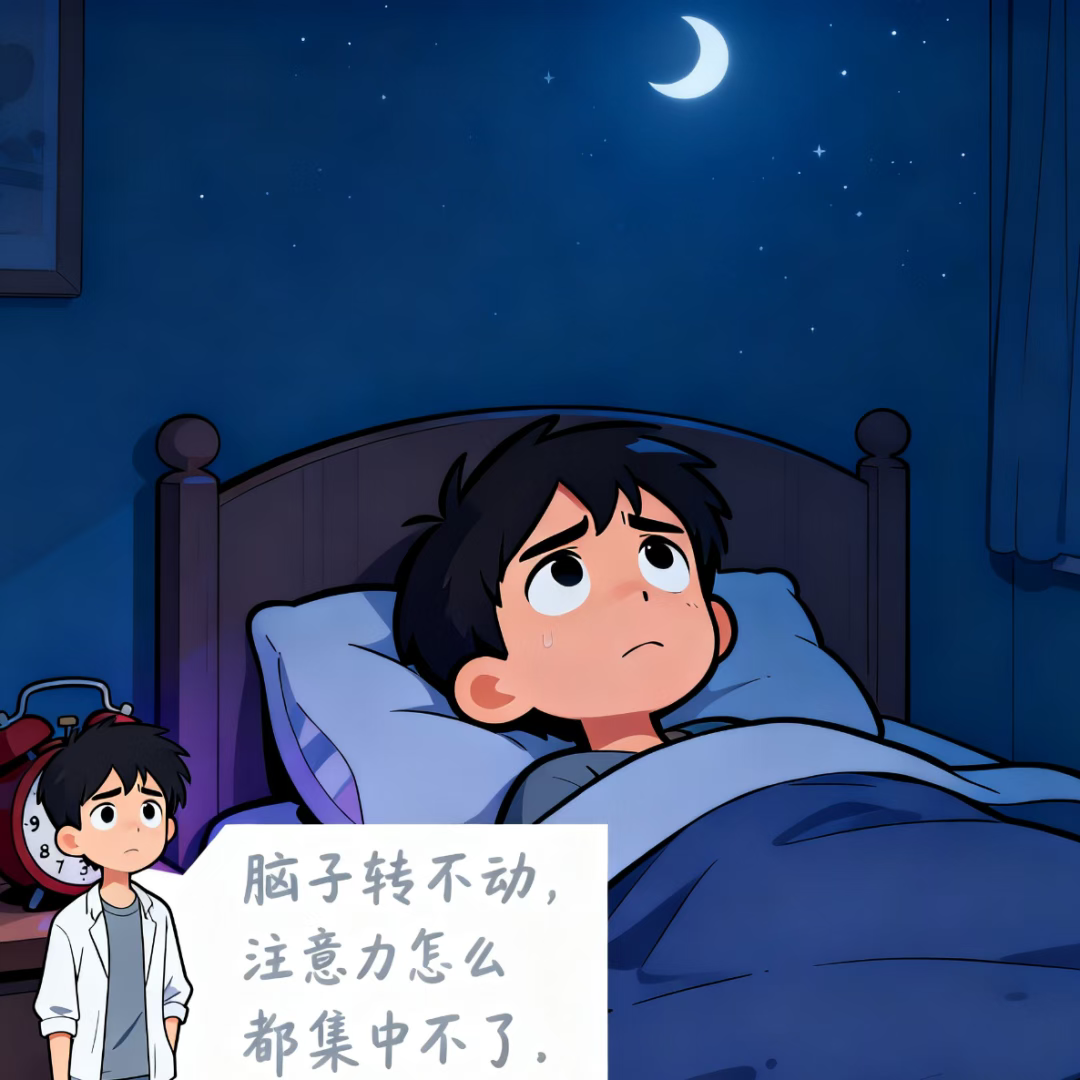
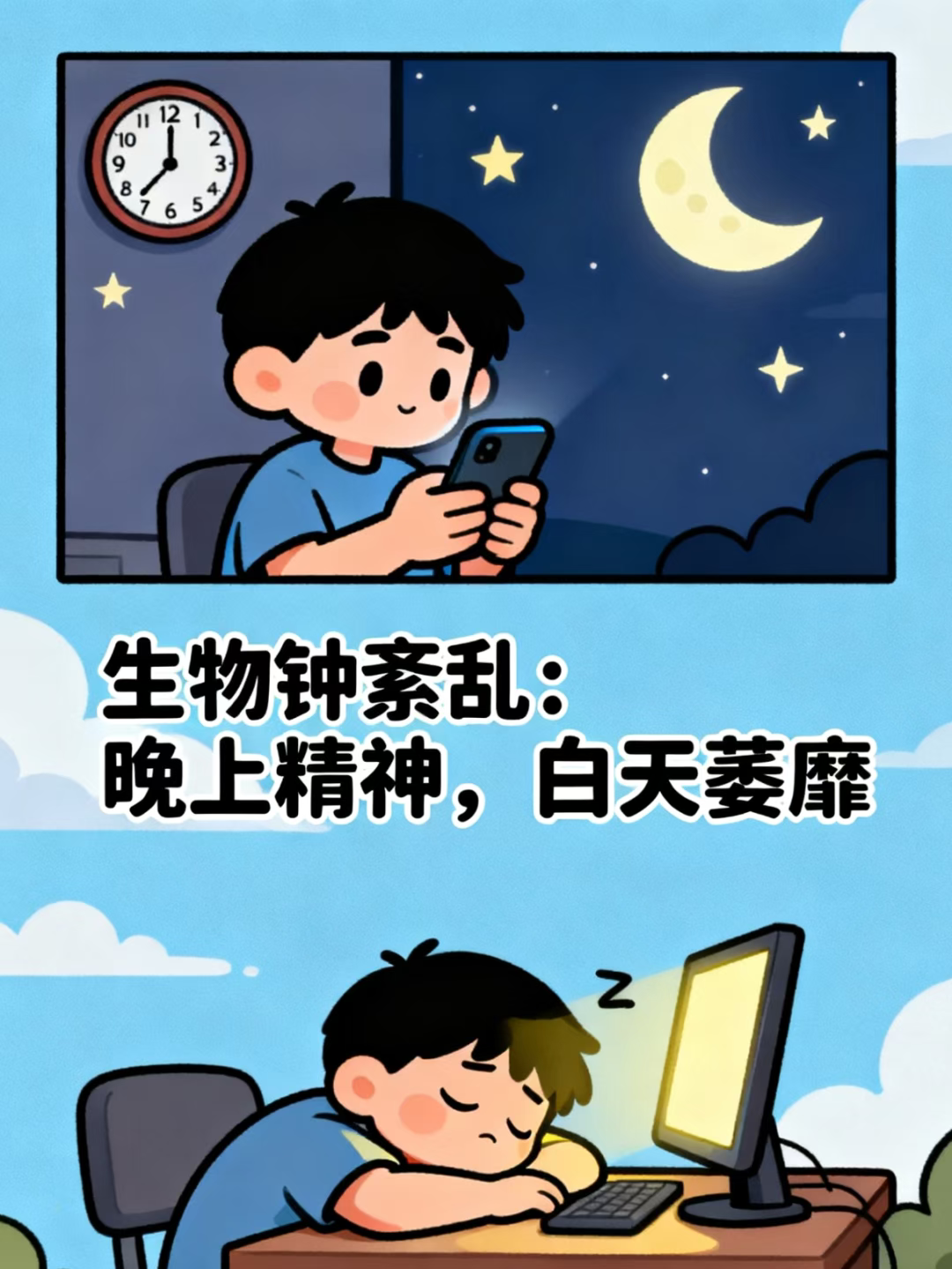
Sleep Disorders and Lethargy
Sleep disorders refer to abnormal sleep patterns caused by sudden changes in lifestyle habits or environment, disrupting the body’s natural sleep-wake cycle. For example, during a short holiday, if our sleep schedule becomes reversed—staying up late and sleeping in—our internal "biological clock" can become disrupted. This often leads to feeling energetic at night but lethargic and unmotivated during the day.
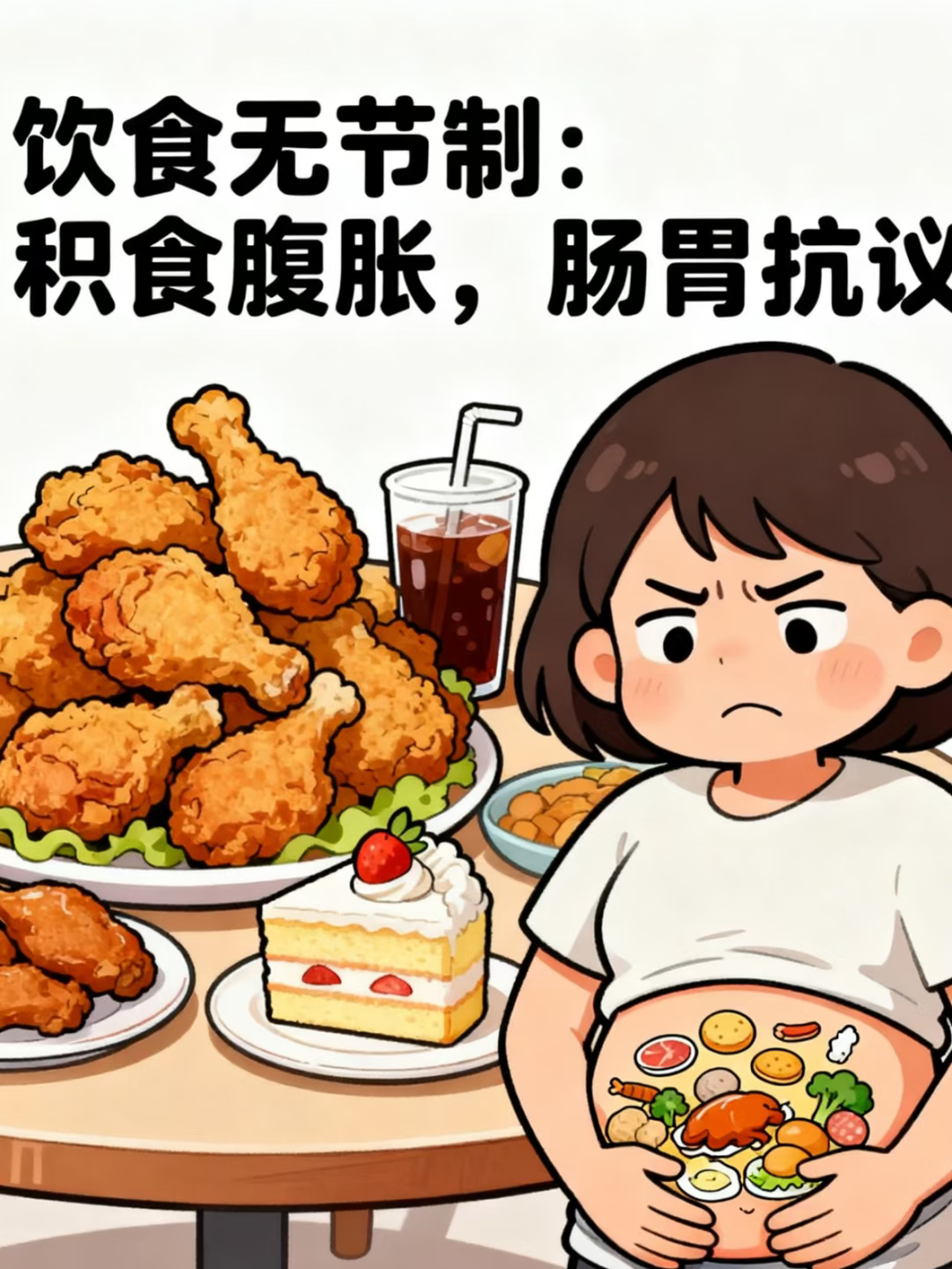
Digestive Issues and Stomach Discomfort
Indulging in excessive eating and drinking over a short period can easily lead to overeating and food accumulation in the stomach, causing indigestion. Additionally, consuming too many high-fat and high-calorie foods can trigger digestive problems such as bloating, discomfort, or diarrhea.
Fatigue, Anxiety, and Low Mood
Transitioning from a lively holiday back to a quiet daily routine can leave many people feeling down, irritable, or even bored. Besides, some may experience difficulty concentrating, inner tension, restlessness, and a general lack of energy and motivation.
Phone Addiction and Eye Discomfort
During the holidays, many people spend long hours on their phones—scrolling through content, binge-watching shows, or viewing videos. As a result, it’s easy to develop an over-reliance on phones even after the holiday ends. Prolonged screen time, combined with poor posture and sedentary behavior, can lead to headaches, neck pain, back pain, and other physical discomforts, not to mention eye strain.
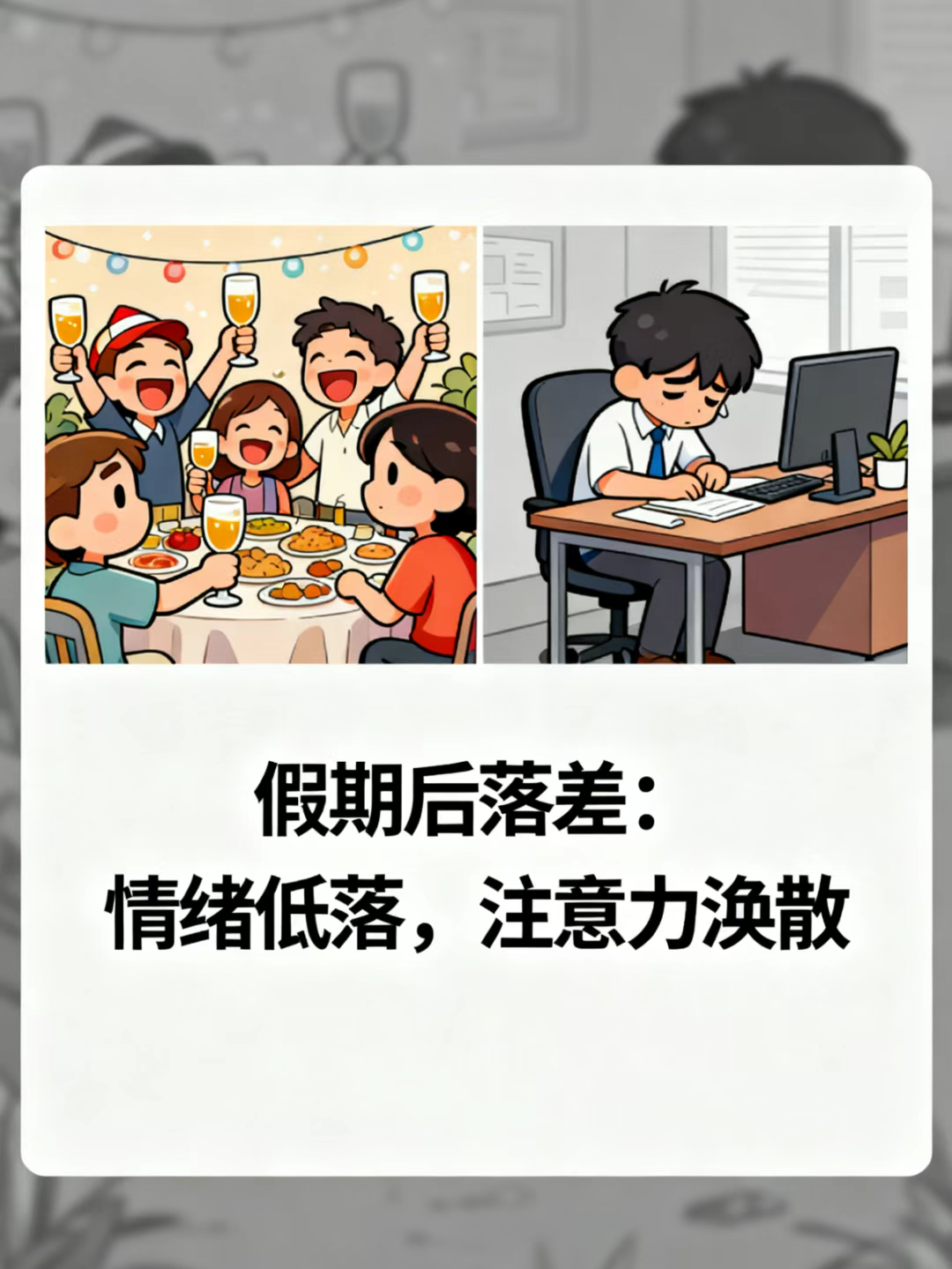

Why does "Post-Vacation Syndrome" tend to hit us after a long holiday?
During the holidays, sleep schedules are completely disrupted, with days and nights often reversed, throwing the body’s biological clock out of sync. Eating habits become uncontrolled, with one indulgent meal after another, and alcohol and smoking may also be overdone. Add to that the hustle of social gatherings or traveling to tourist spots, and the body’s energy reserves can easily become depleted.
How can we quickly shake off Post-Vacation Syndrome
and readjust to normal work and study life?
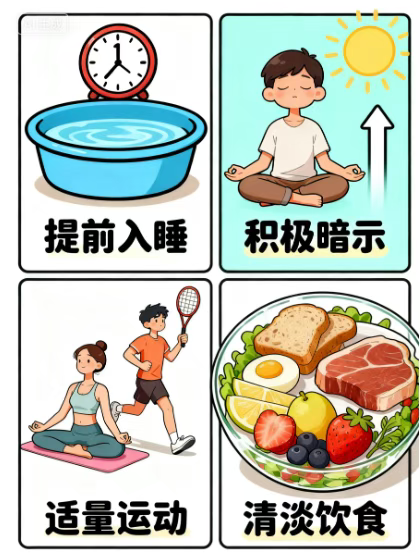
Adjust Sleep Habits and Ensure Adequate Rest
An irregular lifestyle can disrupt the body’s biological clock, leading to autonomic nervous system dysfunction and even insomnia. It’s recommended to start building a habit of going to bed and waking up early two to three days before the holiday ends, ensuring sufficient sleep duration. Try going to bed 10–15 minutes earlier each day, gradually shifting your biological clock back to its pre-holiday rhythm. If you still have trouble falling asleep, soaking your feet in hot water before bed can help relax your body and ease you into sleep.
Shift Your Mindset and Use Positive Self-Talk
Among all animals, only humans can receive and respond to psychological suggestions. Regularly giving yourself positive mental cues can significantly reduce anxiety and help maintain energy in work and life. You can also take a few minutes each day to practice meditation or deep breathing to ease inner tension and restore a calm state of mind.
Incorporate Moderate Exercise to Boost Metabolism
To alleviate post-holiday discomfort, consider incorporating some aerobic exercise during the holiday, such as jogging, playing ball sports, or yoga. Adjust the intensity according to your physical condition. Moderate exercise promotes the release of endorphins, which helps relieve built-up stress. It also improves blood circulation and metabolism, enhancing mental state and boosting post-holiday work and study efficiency.
Stick to Light Meals and Optimize Your Diet Structure
Due to overeating during the holidays, the digestive system is often overworked, leading to functional imbalances. To improve this, start by switching to a light diet—reduce intake of spicy, greasy, and high-sugar foods to ease the burden on your stomach and intestines. Next, eat more fruits, vegetables, and whole grains rich in dietary fiber to help restore normal digestive function. Additionally, moderate intake of protein-rich foods like fish, lean meat, eggs, and dairy can help strengthen immunity.
Post-Vacation Syndrome is a common experience for many people. By making reasonable adjustments to diet and sleep habits, combined with appropriate exercise, relaxation, and rest, most people can gradually transition back to a normal work-life rhythm. If symptoms persist severely and begin to affect daily life, it is advisable to seek medical help early and consult a professional.